☆☆☆☆☆ Trustpilot | Independent Wimbledon Roof Survey Specialists Call for Roof Survey 07833 053 749 Free Quote
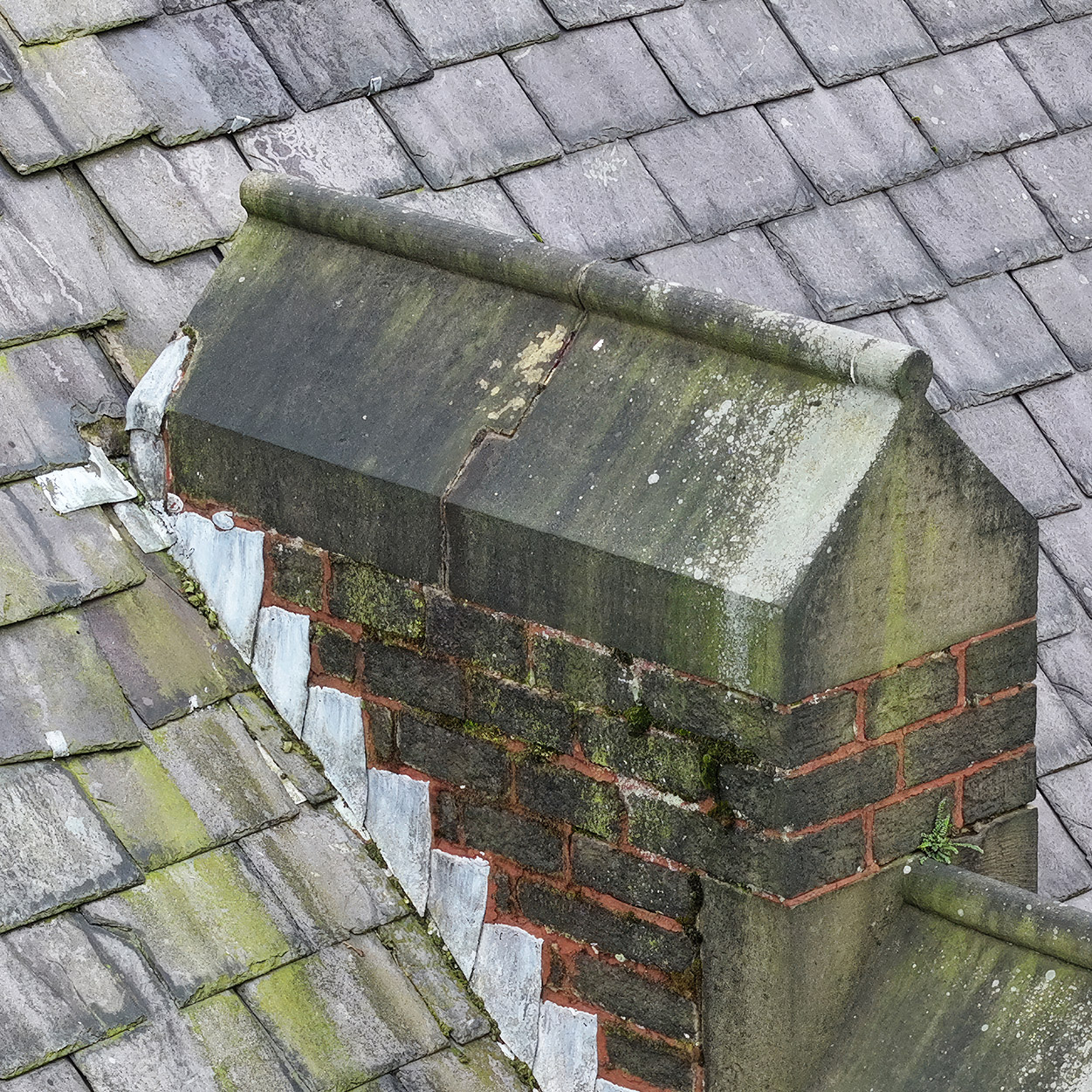
Roof survey Wimbledon London Victorian villa multi-valley complex geometry Wimbledon Common debris assessment SW19 SW20

Roof Survey Wimbledon London

  • Complete Roof Condition & Structural Assessment
  • Detailed Report in 48 Hours
  • Detailed Photo-Supported Reports from £195
  • Independent Expert Assessment - No Sales Bias

How Your Wimbledon Roof Survey Works

1

Call & Get an Exact Price

Tell us about your Wimbledon property — a large Victorian or Edwardian villa in Wimbledon Village or on the Hill where the multiple valley junctions, bay cheek lead, chimney assemblies, and Common-edge debris accumulation all need assessing systematically before exchange at these values; a property with recurring chimney ingress despite cap or mortar repairs where Wimbledon Hill’s elevated clay movement needs diagnosing; a pre-purchase survey where the full multi-element lead programme needs costing; or an inter-war semi in Wimbledon Park where hip mortar and concrete tile condition need rating. Price confirmed from £195 by phone immediately.

2

We Survey Your Roof

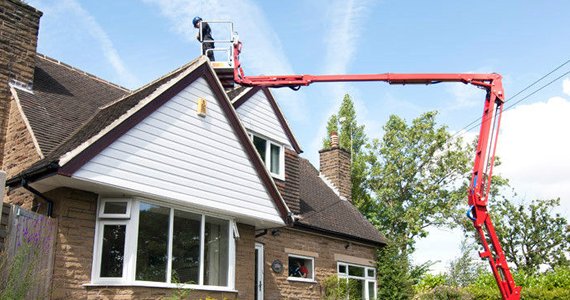
Our specialist inspects every valley junction, every lead element, and every chimney assembly individually. Victorian villas: each valley gutter debrisd and lead assessed, pitting depth rated, drainage falls checked, upstand mortar condition noted. Bay cheek valleys: specifically inspected at roof level, not assumed intact from main slope inspection. Chimney stacks: step flashing abutment assessed at each stack with clay movement context noted. Welsh slate: nail-sickness proportion at close range by slope. Wimbledon Common-adjacent properties: debris volumes quantified and tannin-exposure risk noted. Report within 48 hours.

3

Detailed Report in 48 Hours

Full written report with photographs, condition ratings for every lead element individually, service life estimates, and a prioritised costed action list. Each valley gutter: urgency rating with lead replacement specification and grade. Each chimney: abutment condition with flexible-lime repair specification where clay movement is confirmed. Slate: nail-sickness extent by slope with re-slating timeline. Conservation area material requirements noted where applicable. Pre-purchase reports with full multi-element programme costs for informed exchange decisions at Wimbledon’s property values. Report within 48 hours.

Wimbledon occupies the ridge and the upper slopes to the south of Wimbledon Common, the 1,140-acre common land that forms the largest area of open common in Greater London. The village that predates the railway development sits on the crest of this ridge at approximately 60 metres above sea level, surrounded by some of the most desirable residential streets in south-west London. The large detached and semi-detached Victorian and Edwardian villas of the Village streets — built from the 1870s through the 1910s on plots that were released from the larger estates as the railway made the ridge accessible from the City — represent a property type that is significantly more complex in its roofing requirements than the terrace and semi-detached stock of the lower London boroughs.

The complexity arises from the size and geometry of these properties. A large Wimbledon Village Victorian villa is not a two-slope gabled house with two chimneys: it is a multi-gabled structure with a principal ridge and subsidiary ridges on rear and side return elevations, five to twelve valley junctions between the various slopes, two to five chimney stacks of varying height, bay window cheek roofs at ground and first floor level, decorative ridge tiles with ornate hip terminals, and in many cases dormers or attic rooms with their own small roof sections and lead junctions. The individual lead elements on such a property — counting valley gutters, soakers under hip and ridge tiles, bay cheek valley gutters, chimney soaker assemblies, cover flashings, parapet gutters where present — may number fifteen to twenty-five. Each is at a different stage of its service life; each is subject to the specific load of the valley geometry above it, the debris accumulation rate from the surrounding vegetation, and the thermal cycling of its aspect and exposure. A single-pass inspection that identifies one valley as failing and quotes for its replacement while leaving the other fourteen or nineteen elements unassessed has found one data point on a twenty-point asset. At a Wimbledon Village property valued at £2,000,000 to £4,000,000, knowing one lead element is failing is not the same as knowing the condition of the property’s roof.

Wimbledon Common adds a specific factor to all valley assessments on the Common-adjacent streets. The Common carries mature oak, beech, birch, and hawthorn at its edges, with the canopy extending over or very close to the rear gardens and sometimes the rear slopes of the properties on the perimeter streets. Oak and beech leaf litter falls in volume from October through December, and oak additionally produces acorns and catkins that add to the organic debris loading on any valley in the fall zone. In Wimbledon Village and the streets along the Common boundary — Wimbledon Common itself, Woodside, Home Park Road, and the surrounding streets — valley gutters on the Common-facing rear elevations can accumulate 80 to 120mm of compacted organic debris in a single season. At this depth, the debris forms a continuous moisture reservoir rather than shedding water: it stays wet between rain events, holds tannin-rich leachate from the oak leaf component against the lead surface, and effectively prevents any assessment of the lead condition beneath it without clearance. On a property with six or eight Common-facing valley junctions, each of which has been accumulating debris at this rate for the years since the last clearance, the lead condition beneath may range from sound to through-failure — and the only way to know which is to clear and inspect each one.

Wimbledon Hill’s elevation produces a chimney movement context that is more pronounced than the lower-elevation London clay areas of the borough. The London clay beneath the Hill dries more thoroughly in summer — an exposed elevated position loses moisture to evaporation and vegetation draw more readily than a sheltered valley location — and rewets more completely in winter, producing a larger annual shrink-swell cycle. For the large chimney stacks of the Wimbledon Village Victorian villas, rising three to five metres above the main roofline, this more pronounced clay movement produces a faster rate of step flashing abutment opening than at lower elevation. The characteristic pattern is chimney ingress that recurs every 18 to 24 months after cap and mortar repairs, because the OPC mortar applied to the cap is not the source of the ingress — the step flashing abutment movement on the side of the stack is — and the OPC mortar at the abutment bed cracks within one to two movement cycles regardless of how well it was applied. Correct repair requires flexible hydraulic lime NHL 2 at the flashing bed, which accommodates the continuing seasonal movement rather than cracking against it.

The lower Wimbledon streets and the Wimbledon Park area (SW19 lower, adjacent to Wimbledon Park District Line station) carry 1920s and 1930s semi-detached stock similar to Raynes Park — hipped roofs with the characteristic hip mortar concentration, concrete tile at 85 to 95 years, and the four-hip-run mortar assessment that applies across the wider Merton inter-war stock. The Wimbledon Park streets also sit at lower elevation on the clay that transitions toward the Wandle valley, with mortar service life broadly consistent with the lower-altitude stock rather than the more exposed Hill properties above.

Nearby Areas: Inter-war semi surveys at Raynes Park and Merton. Victorian terrace coverage at Tooting. Wider SW coverage at Wandsworth and Sutton.

Wimbledon roof survey - Victorian villa multi-valley complex geometry Wimbledon Common debris chimney step flashing clay movement SW19 SW20 London

Wimbledon Roofing We Assess

  • Multi-valley systematic assessment: Every valley junction on the property inspected individually — Wimbledon Village villas with 8–15 valley junctions require element-by-element assessment, not a single-pass overview
  • Common-edge debris clearance: Oak and beech litter cleared and lead pitting assessed beneath — tannin-accelerated corrosion risk noted for Common-facing valleys on the perimeter streets
  • Elevated clay chimney movement: Step flashing abutment assessed against Wimbledon Hill’s more pronounced shrink-swell cycle — flexible-lime repair specified, not another cap replacement
  • Bay cheek valley inspection: Every bay cheek junction assessed at roof level — the oldest lead elements on the property, facing upward and invisible from ground level
  • Welsh slate nail-sickness: Close-range proportion assessment by slope at 120–150 years on Wimbledon Village Victorian stock
  • Conservation area material requirements: Like-for-like Welsh slate and lead specification for Wimbledon Village conservation area properties noted throughout

Our Wimbledon Coverage Area

Roof survey Wimbledon professional accreditations Wimbledon London roof inspection certifications

A large Wimbledon Village Victorian villa has fifteen to twenty-five individual lead elements on its roof. A standard homebuyer survey addresses none of them at the level of detail needed to establish condition, service life, or programme cost. A roofer called for a specific repair addresses one — the one that is failing visibly. A specialist roof survey addresses every one, independently, with condition ratings, service life estimates, and programme costs for each. On a Wimbledon Village property at £2M to £4M+, the difference between those three approaches to the same asset is the difference between informed ownership and expensive sequential discovery.

Eleven Valleys, Three Chimneys — Victorian Villa, Wimbledon Village SW19

Pre-Purchase Scenario — 1896 Detached Victorian Villa, Wimbledon Village SW19

A family purchased a large 1896 detached Victorian villa in a residential street in Wimbledon Village for £2,850,000. The property had a complex multi-valley roof with eleven valley junctions, three chimney stacks, bay windows at ground and first floor level with cheek lead valleys, and a decorative ridge tile run with hip terminals. The rear garden backed toward a street adjacent to Wimbledon Common, with mature oaks in the garden of the adjoining property whose canopy oversailed the rear roof slopes. The homebuyer survey noted “Welsh slate roof showing age-consistent weathering, some minor lead deterioration visible, recommend monitoring, specialist survey recommended.” No specialist survey was commissioned before exchange.

Year 1: Water staining appeared on the first-floor rear bedroom ceiling in October, on the left-hand side of the room. A roofer attended and found the left-hand rear valley — junction between the main rear slope and the rear return gable — had lead pitting with early through-failure at its deepest debris accumulation point. He cleared the debris, patched the pin-hole with lead flashing strip, and re-bedded the upstand mortar. Cost: £680. He noted one of the chimney cap mortars looked worn and recommended monitoring. The bedroom damp dried out over winter and spring.

Year 2: The bedroom damp returned in November at the same location and a new damp patch appeared at the right-hand first-floor rear bedroom ceiling — a different room, a different location. The left-hand valley Year 1 patch was intact; the source of the left-hand recurrence was traced to the bay cheek valley on the left-hand front bay, water tracking along the first-floor ceiling void from the front of the house to the rear room. A roofer replaced the bay cheek valley lead. Cost: £1,140. The right-hand rear ceiling source was attributed to the right-hand rear valley. That valley was patched. Cost: £420. The Year 1 chimney recommendation had not been followed up. During the second winter, water ingress appeared around the right-hand rear chimney stack.

Year 3: Three simultaneous active ingress locations: right-hand rear chimney, a new location at the rear return ridge line, and a loft space water trace from the central rear valley. The owners commissioned a specialist full survey. Findings:

Valley assessment — all eleven inspected: Right-hand rear valley: through-failure confirmed, 80mm compacted oak debris beneath which the lead had developed three pin-holes. Central rear valley: lead at early pitting stage, serviceable with monitoring for 3 to 5 years but debris accumulation confirmed at 110mm depth. Left-hand valley: Year 1 patch holding but surrounding lead thinned — full replacement recommended within 2 years. Rear return valley at ridge junction: upstand mortar fully detached on right side, water tracking into loft void. Four further minor valley junctions on front and side elevations: two at good condition, two at early pitting, no immediate replacement required. The one valley repaired in Year 1 and the one in Year 2 had been the most visibly failing at the time; eight of the eleven had not been assessed on either previous roofer visit.

Chimney assessment — all three stacks: Right-hand rear stack: step flashing abutment gap of 11mm on the left-hand flashing run — London clay elevated differential movement confirmed as primary ingress source. Cap mortar intact. OPC repointing of the abutment not attempted (correct; it would have failed within one cycle). Left-hand rear stack: abutment gap of 6mm on the right-hand run, early stage, flexible-lime repair recommended within 12 months. Front stack: sound, no action required within 5 years.

Bay cheek valleys: Left bay cheek valley replaced Year 2 — new lead in good condition. Right bay cheek valley: debris accumulation at 50mm; lead condition beneath found to be pitted, early through-failure at one point. Replacement required. Budget: £960–£1,300.

Welsh slate — nail-sickness: Rear slopes: 28% at insecure fixing stage. Front slope: 15%. Targeted re-slating of rear slope insecure sections within 18 months. Full rear slope re-slate within 4 to 6 years.

Total Programme: Right rear valley full replacement: £1,600–£2,200. Rear return valley upstand mortar and lead repair: £820–£1,100. Right bay cheek valley replacement: £960–£1,300. Right rear chimney flexible-lime abutment repair: £740–£980. Left rear chimney flexible-lime abutment repair: £620–£860. Rear slope targeted re-slate: £3,200–£4,200. Left rear valley full replacement (within 2 years): £1,400–£1,900. Central rear valley monitoring with clearance annually. Total immediate and 12-month programme: £7,940–£10,640. Full 5-year programme including left valley and full rear re-slate: £13,000–£17,500.

What a Specialist Pre-Purchase Survey Would Have Found: “Eleven valley junctions assessed. Right rear valley: through-failure under oak debris — immediate replacement required. Rear return valley upstand: mortar detachment progressing — repair within 12 months. Left rear and left bay cheek valleys: pitting at early to intermediate stage — replacement within 2 to 3 years. Central rear valley: debris clearance required annually, monitoring. Rear slope nail-sickness: 25% insecure — targeted re-slate within 18 months. Chimney right rear: step flashing abutment 9mm gap — elevated clay movement confirmed, flexible-lime repair required. Recommend negotiation for full 5-year programme cost before exchange at £2.85M.”

Survey cost: from £195. Three years of individually-commissioned single-valley repairs and chimney cap monitoring totalling £2,240 addressed three of eleven valleys and none of the chimneys correctly. Seven of the eleven valley junctions had not been assessed on any previous roofer visit. The two chimney repairs required were for step flashing abutment movement — a clay movement issue — not cap deterioration. Pre-purchase assessment of all eleven valleys and all three chimneys would have established the full programme cost before exchange on a £2.85M purchase.

Wimbledon Homeowner & Buyer Experiences

"Victorian villa in Wimbledon Village — eleven valley junctions assessed individually. Your survey found five needing attention: two immediate, two within 2 years, one monitoring with annual clearance. Previous roofers had visited twice and each time repaired the most visible single failure while leaving the rest unassessed. Your report mapped the full five-year programme across all eleven valleys and both active chimneys. We negotiated £16,500 off before exchange and had the programme phased. The homebuyer survey said 'some lead deterioration, recommend specialist survey' — you were the specialist survey that was recommended."
Philip & Helen R — Wimbledon Village Villa Buyers SW19
"Chimney on the rear left stack had been ingressing intermittently for four years — two cap replacements, one full mortar repoint, none of it resolved for more than 18 months. Your survey confirmed London clay step flashing abutment movement at 9mm on the right-hand flashing run — the cap was fine. Flexible NHL 2 lime repair done once; no recurrence through two full winter seasons. Four years of cap work was addressing the wrong element entirely because the clay movement context on the Hill had never been assessed."
Amanda & Richard K — Wimbledon Hill Victorian Villa SW19
"Properties backing onto Wimbledon Common — your survey cleared 90mm of compacted oak debris from the rear valley and found tannin-accelerated pitting across 40% of the valley lead surface beneath it. Without clearance we'd never have known the lead condition; the debris had been there for years. You also found the right bay cheek valley had a pin-hole under 50mm of debris that had been tracking water to the first-floor front bedroom ceiling — which we'd been blaming on a window seal. Second valley found the same way two doors down."
James & Caroline M — Wimbledon Common Boundary Property SW19

Roof Survey Pricing — Wimbledon Specialists

Professional Assessment from £195

Roof surveys for Wimbledon properties start from £195. Whether a Victorian or Edwardian villa in Wimbledon Village or on the Hill where every valley junction, every chimney assembly, and every bay cheek lead needs assessing systematically before exchange at £1.5M to £4M+; a property with recurring chimney ingress that hasn’t responded to cap repairs because Wimbledon Hill’s elevated clay movement is opening the step flashing abutment and not the cap; a Common-edge property where oak and beech debris accumulation has concealed the lead condition in several valley gutters; a pre-purchase survey where the full multi-element programme needs costing against current market prices; or an inter-war semi in Wimbledon Park where hip mortar service life and concrete tile condition need independent assessment — call 07833 053 749 for an exact price confirmed immediately. Report within 48 hours.

On a Wimbledon Village Victorian villa at £2M to £4M+, having every valley assessed and a full five-year programme costed before exchange — rather than discovering eight unassessed valleys sequentially through three years of single-element repairs — is the difference between a planned programme of £13,000 to £17,500 and an emergency-driven one that costs substantially more. No repairs sold — honest assessment only.

When You Need a Roof Survey in Wimbledon

Buying a Victorian Villa in Wimbledon Village?

The pre-purchase questions for a Wimbledon Village Victorian villa are not “is the roof broadly sound?” but “of the twelve or fifteen individual lead elements on this property, which are within service life, which are approaching end of life, and which have already failed under debris accumulation?” That question requires systematic element-by-element assessment that no homebuyer survey provides. The programme cost difference between the best and worst plausible conditions on a Wimbledon Village villa — all lead elements sound vs five valleys at various stages of failure plus two chimney abutments requiring flexible-lime repair — can be £15,000 to £25,000. That is a negotiable item before exchange at £2M to £4M+. It is not a negotiable item after the vendor’s solicitor has released keys.

Wimbledon Common-Edge Property?

For properties on the Common boundary streets — Home Park Road, Woodside, Wimbledon Common, and the streets immediately north of the Village — annual debris clearance from Common-facing valley gutters and close-range lead assessment beneath that debris is the most important single maintenance activity for the roof. The debris conceals the lead condition; the lead condition can range from sound to through-failure beneath the same depth of compacted oak litter. Our surveys clear debris at accessible valley points and assess the lead beneath, noting tannin-accelerated pitting risk for each Common-facing valley.

Recurrent Chimney Ingress on the Hill?

If a Wimbledon Hill chimney has ingressed despite cap replacement or mortar repointing, and especially if the repair has held for 12 to 18 months before recurring, the cause is almost certainly London clay step flashing abutment movement rather than cap deterioration. The elevated position on the Hill produces a more pronounced annual clay movement cycle than the lower Merton and Morden streets, opening the abutment mortar course faster. Flexible hydraulic lime at the flashing bed accommodates the continuing movement; OPC mortar does not. Our surveys identify abutment movement as the cause where it is present, confirm the gap measurement, and specify the correct NHL lime grade for the property’s brick specification.

Single Valley Repair Not Resolving Damp?

If damp has continued or appeared at a new location after a single valley repair on a Wimbledon Victorian villa, the most probable explanation is that the repaired valley was one of several failing simultaneously, and the adjacent unassessed valleys are now the primary ingress points. On a property with ten or twelve valley junctions, the probability that only one is at end of lead life while the others are all in good condition is low at 120 to 150 years, especially where the property has Common-edge debris accumulation accelerating pitting across all valleys equally. Our surveys assess all valley junctions together rather than one at a time, establishing the full condition picture before any repair programme is commissioned.

Inter-War Semi in Wimbledon Park?

For the 1920s and 1930s semi-detached stock of the Wimbledon Park and lower Wimbledon streets, the standard inter-war assessment applies: concrete or clay tile at 85 to 95 years, hipped roof hip mortar at four junctions per property, hip iron corrosion at each run base, and London clay chimney movement. The Wimbledon Park elevation is lower than the Hill and the clay movement is correspondingly less pronounced — assessment is calibrated to the lower-slope position rather than the more exposed Hill specification.

Wimbledon Village Conservation Area?

For properties within the Wimbledon Village conservation area boundary, like-for-like Welsh slate specification for any visible slope replacement and lime-based mortar for all pointing work are the standard material requirements. Our surveys note the conservation area designation and the material implications for each identified replacement element, ensuring that programme costs reflect conservation-appropriate specification rather than secondary-material estimates that would not receive planning approval.

Frequently Asked Questions — Roof Survey Wimbledon

Why does a Wimbledon Victorian villa need all valleys assessed, not just the one that is failing?

All the lead valley gutters on a Wimbledon Victorian villa were installed at the same time — when the house was built, between 1876 and 1910 on the typical Village property. They are therefore all at the same age, all subject to the same environmental conditions, and all undergoing the same long-term fatigue and corrosion processes. The variation between individual valleys in their condition at any given inspection is determined by secondary factors: which valleys are exposed to the Common and receive the highest debris loading; which are on north-facing slopes where moisture retention is higher and drying slower; which carry the greatest water volume from the roof area above them; which were repaired or replaced at previous interventions. A valley that failed first — because it happened to be on the north-facing Common-adjacent slope with the highest debris load — is not evidence that the remaining valleys are sound. It is evidence that the remaining valleys are at the same age, in the same environmental context, with the same original material, and that the first failure has now been identified. The second, third, and fourth failures are predictable from the same factors that drove the first. Systematic assessment of all valleys after the first failure is identified is the logical response to what the first failure reveals about the property’s lead stock condition. Our reports assess every valley junction individually and rank them by urgency, producing a phased programme rather than a sequential series of emergency single-valley repairs.

How much does a roof survey cost in Wimbledon?

Roof surveys start from £195. Call 07833 053 749 for an exact price confirmed immediately — no forms, no waiting.

What areas of Wimbledon do you cover?

We cover the full Wimbledon area including Wimbledon Village, Wimbledon Hill, Wimbledon Park (SW19), Raynes Park (SW20), and the surrounding streets throughout the London Borough of Merton at the Wimbledon end of the borough.

How does tannin from oak debris damage lead valley gutters?

Oak leaves and acorns contain tannin — tannic acid — which leaches into the water that accumulates in compacted leaf debris. In a valley gutter with 80 to 100mm of compacted oak debris, the moisture within the debris pile is not neutral rainwater but a weakly acidic solution with a pH typically between 4.5 and 5.5, compared with rainwater at approximately 5.6 and neutral at 7.0. Lead is resistant to neutral and mildly alkaline water but is corroded by acidic conditions: the tannin-enriched leachate from oak debris accelerates the surface pitting process that natural atmospheric corrosion produces over decades at a fraction of the rate. On a valley that has been accumulating oak debris for several years without clearance — as is typical on Common-adjacent Wimbledon Village properties where the volume of leaf fall exceeds what gutters clear naturally in wet weather — the lead surface beneath the debris may show pitting consistent with two or three times the age-equivalent corrosion rate of an open valley in a debris-free environment. This is why our surveys always clear debris before assessing lead condition on Common-adjacent valley gutters, and why the assessment conclusion after clearance may differ significantly from what a debris-covered inspection without clearance would have found.

Are your surveys independent?

Completely. We survey only — no repairs sold, no contractors referred. For Wimbledon Village Victorian villa purchases and owners managing fifteen to twenty-five individual lead elements across a complex multi-valley roof, independent systematic assessment with no commercial interest in the programme scope is the only basis on which every element can be assessed honestly.

Understanding the Wimbledon Property Market

Wimbledon Village and the surrounding Hill streets represent one of the most consistently premium residential markets in south-west London. Large detached Victorian and Edwardian villas in the Village streets: £2,000,000 to £5,000,000 for the better properties. Victorian and Edwardian semi-detached on the Hill and in the upper streets: £1,200,000 to £2,500,000. Inter-war semi-detached in Wimbledon Park and the lower SW19 streets: £600,000 to £950,000. Raynes Park Victorian and inter-war fringe (SW20): £500,000 to £750,000.

At the Wimbledon Village villa price level, a five-year multi-valley programme of £13,000 to £17,500 is a proportionally small fraction of property value but an absolutely significant uncosted item if it is discovered through three years of sequential single-valley repairs and chimney ingress rather than established comprehensively before exchange. The combination of Wimbledon Common debris accumulation, elevated clay chimney movement, and the sheer number of individual lead elements on a typical Victorian villa makes systematic pre-purchase specialist assessment more value-relevant here than in almost any other residential context in the batch.

The London Borough of Merton is the planning authority. The Wimbledon Village conservation area applies standard conservation guidelines within its boundary. The All England Club and the associated Wimbledon Sports complex are within the borough.

Wimbledon Property Facts

  • Wimbledon Village villas: £2M–£5M+
  • Victorian/Edwardian Hill semis: £1.2M–£2.5M
  • Wimbledon Park inter-war semis: £600K–£950K
  • SW19 and SW20 postcodes
  • London Borough of Merton
  • Wimbledon Village conservation area
  • Wimbledon Common boundary (1,140 acres)
  • London clay — elevated shrink-swell on the Hill

Service Areas — Wimbledon & SW19 SW20 London

Wimbledon SW Postcode Coverage:

Wimbledon Village and Wimbledon Hill (SW19), Wimbledon Park (SW19), Raynes Park (SW20), Cottenham Park (SW20), and all residential streets throughout the Wimbledon area of the London Borough of Merton

Surrounding Areas:

Raynes ParkMertonTootingWandsworthSutton

Postcode Coverage:

SW19 (Wimbledon Village, Wimbledon Hill, Wimbledon Park, South Wimbledon), SW20 (Raynes Park, Cottenham Park, West Wimbledon), and adjacent KT postcode areas at the Merton–Kingston boundary

Why Wimbledon Property Owners Choose Us

  • Systematic Multi-Valley Assessment: Every valley junction individually inspected — Wimbledon Village villas with 8–15 valleys assessed element by element, not a single-pass overview
  • Common-Edge Debris Clearance: Oak and beech litter cleared and lead pitting assessed beneath with tannin-acceleration context noted
  • Elevated Clay Chimney Diagnosis: Wimbledon Hill’s more pronounced shrink-swell cycle assessed — step flashing abutment gap measured, flexible-lime repair specified
  • Bay Cheek Valley Inspection: Every bay junction assessed at roof level — invisible from ground, consistently overlooked in single-repair visits
  • Conservation Area Knowledge: Wimbledon Village like-for-like material requirements noted throughout the programme
  • Independent Only: No repairs sold — honest assessment every time

Understand Your Wimbledon Roof Today

Whether you’re buying a Victorian or Edwardian villa in Wimbledon Village and need every valley junction, every chimney assembly, and every bay cheek lead element assessed individually with a full five-year programme costed before exchange at £1.5M to £4M+; managing a Common-edge property where oak and beech debris has been concealing the valley lead condition for years and the actual pitting depth needs establishing beneath the accumulation; dealing with recurring chimney ingress on the Hill that cap replacements haven’t resolved because the elevated clay step flashing abutment movement is the cause; or owning a property where single-valley repairs have not stopped damp because the adjacent unassessed valleys are the current source — specialist systematic assessment of every lead element gives you the full condition picture, not the most recently visible symptom.

Call 07833 053 749 now. Price confirmed from £195 by phone immediately. Detailed written report with photographs, every valley assessed and ranked by urgency, chimney assemblies rated against clay movement context, nail-sickness extent by slope, conservation area material requirements noted, and full multi-element phased programme within 48 hours.

Professional Roof Survey from £195
Wimbledon Specialists • Victorian Villa Multi-Valley Assessment, Common-Edge Debris & Hill Clay Chimney Experts
  • Reviewer Trust Pilot
  • Review 07-03-2026
  • Reviewed Item Roof Survey Wimbledon
  • Author Rating ☆☆☆☆☆
No online forms. No waiting. Exact price in 60 seconds.
Call 07833 053 749 Get a Free Quote
☆☆☆☆☆ Trustpilot | Victorian Villa Multi-Valley Assessment & Wimbledon Common Debris Specialists SW19