
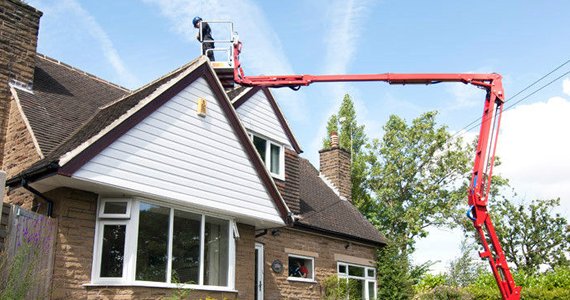
Sutton grew from a quiet Surrey village into one of South London's most established suburban boroughs, and that growth left a distinctive roofing legacy across the area. The oldest residential properties — Victorian and Edwardian homes in Old Cheam, Carshalton, and Beddington — feature Welsh slate roofs, ornamental ridge tiles, and lead chimney flashings dating from the 1880s-1910s. But Sutton's defining era was the inter-war period, when massive suburban development through Cheam, Worcester Park, Wallington, and Belmont created thousands of bay-fronted semis and detached houses with clay tile roofs that now form the backbone of the borough's housing stock. These 1920s-1940s properties are now approaching or exceeding the 80-100 year design life of their original roofing systems, making professional roof survey Sutton London assessment increasingly critical.
Sutton's position on the London-Surrey border creates specific environmental factors affecting roofing. The borough sits partly on chalk downland and partly on London clay, creating varied ground conditions across relatively short distances. Properties in Carshalton on the Wandle valley floor face different moisture conditions than those on the chalk ridge through Banstead. Sutton's characteristically leafy streets — mature trees lining established residential roads — create shade, debris accumulation, and damp conditions that accelerate moss growth and moisture retention on roof surfaces. A professional roof survey Sutton London assessment must account for these location-specific factors when evaluating your roof's condition and remaining lifespan.
A standard survey states "roof in satisfactory condition, routine maintenance recommended." That gives Sutton homeowners zero actionable information. What you actually need: Are your 1930s clay tiles frost-damaged or simply weathered? Is the concrete tile on your 1950s Belmont semi cracking from age or structural movement? Has the felt underlay beneath your Cheam semi perished — meaning any tile failure leads directly to water ingress? Are chimney flashings sound or slowly admitting water behind the stack?
Our Sutton roof survey London service answers these specific questions. We assess your property against its construction era and materials, its specific location within the borough (a Carshalton property near the Wandle faces different moisture challenges than a Cheam hillside semi), visible deterioration patterns, hidden problems beneath tile coverings, and the geological conditions beneath your property. This specificity transforms vague reassurance into clear, actionable intelligence about your roof.
For Sutton homeowners: Understanding whether your roof has a comfortable decade of service remaining or needs intervention within two years transforms your financial planning. A professional roof survey Sutton London assessment replaces anxiety about unknown costs with a clear maintenance timeline you can budget around.
For landlords: Sutton's strong rental market means tenants expect properly maintained properties. Professional roof survey documentation satisfies insurance requirements, demonstrates responsible management, and lets you plan maintenance expenditure strategically across your Sutton portfolio rather than reacting to emergency callouts.
Nearby Areas with Similar Properties: Similar property types and ageing patterns appear in neighbouring areas like Croydon and Bromley, where inter-war suburban properties face comparable roofing challenges. Each area has distinct characteristics — Croydon shares Sutton's inter-war suburban heritage, while Bromley's stock includes similar post-war development patterns. See our area-specific guides for detailed local information.
A retired couple living in a 1935 detached house in Cheam noticed a small damp mark on the spare bedroom ceiling after heavy rain. Their neighbour recommended a local handyman who replaced a few slipped tiles. Cost: £200. The damp mark dried out and they forgot about it. No professional roof survey Sutton London assessment was considered.
Year 1: Same damp patch returns during winter storms, slightly larger. They call the handyman back. He replaces more tiles and clears moss from the valley gutter. Cost: £350. Damp disappears over summer. They assume the problem is fixed.
Year 2: Damp now appearing in two rooms. A roofer inspects and repoints the chimney stack mortar. Cost: £700. He mentions the tiles "look a bit tired" but doesn't raise alarm. Water stops for a few months.
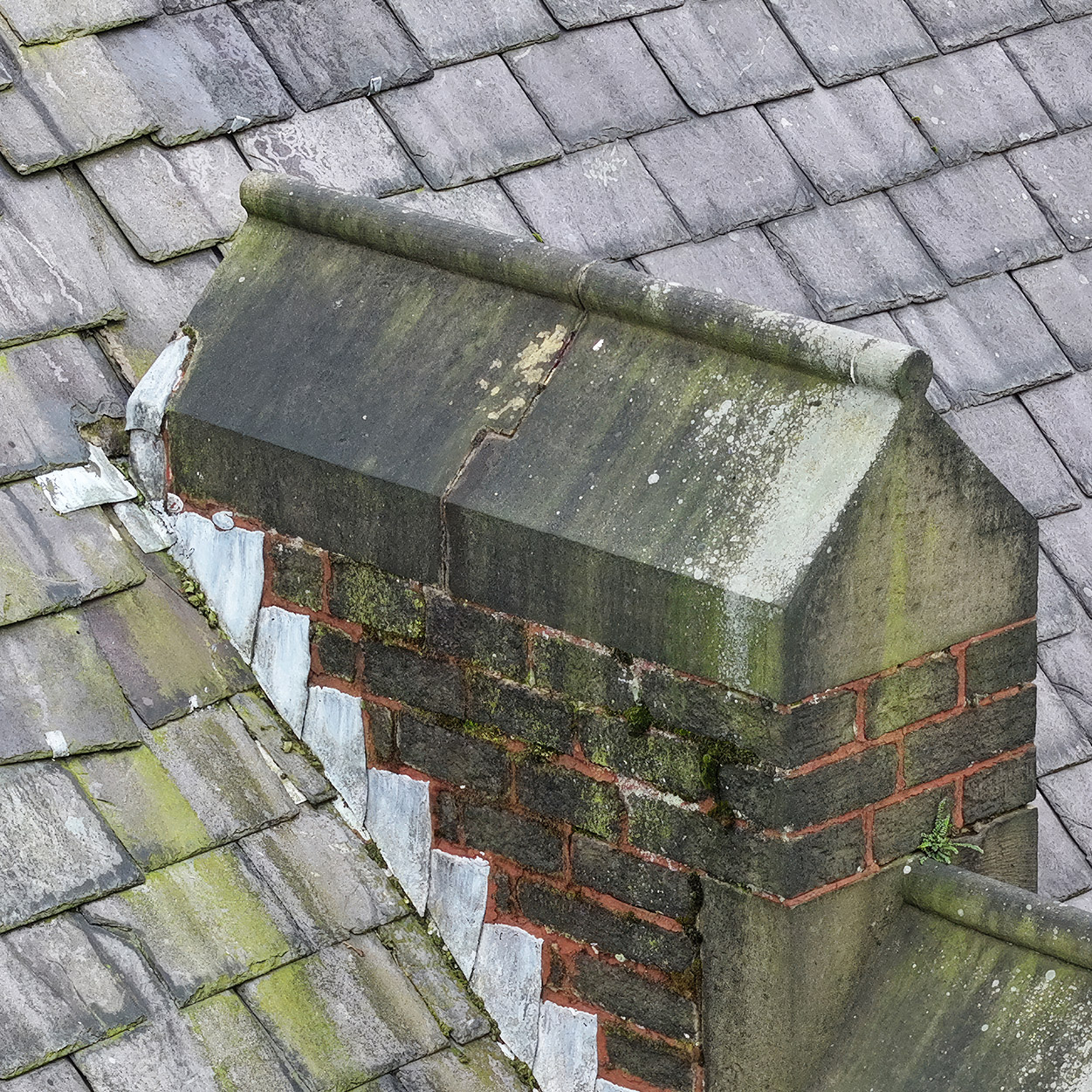
Year 3: After prolonged autumn rain, water is actively dripping through the landing ceiling. Emergency assessment reveals the 1935 clay tiles have widespread frost lamination — porous across both main roof slopes. The original hessian-backed felt has disintegrated in large sections. Timber battens beneath the worst areas show extensive wet rot from years of slow moisture penetration that the piecemeal repairs never addressed. Both chimney stack flashings have failed. Complete strip and re-roof quote: £22,000-£32,000. Plus ceiling repairs, joist treatment, and insulation replacement.
What a Professional Roof Survey Sutton London Assessment Would Have Shown Initially: "This 1935 detached property has clay roof tiles exhibiting widespread frost lamination — a systemic condition affecting the entire roof rather than isolated failures. Original felt underlay has reached end of life with multiple perished sections allowing moisture to reach battens. Lead chimney flashings show fatigue cracking consistent with 90 years of thermal cycling. While individual tiles can be patched, the roofing system as a whole is approaching the point where piecemeal repair becomes uneconomic. Recommend budgeting for full re-roofing within 2-4 years. Priority: replace most deteriorated felt sections immediately to slow batten degradation."
The Pattern We See: Sutton's inter-war properties built 1920s-1940s are the borough's most common house type — and they're simultaneously reaching the age where original roofing materials fail systemically rather than individually. Each patched tile or repointed chimney treats a symptom while the overall system continues to deteriorate underneath. Owners accumulate repair costs year after year before discovering the full picture through serious water damage.
The Lesson: A professional roof survey in Sutton reveals systemic conditions that piecemeal repairs will never fix. Understanding the complete picture early means planning a managed re-roofing project rather than funding emergency work plus extensive water damage repairs.


Professional roof surveys demand both certification and hands-on experience with local property types. We combine RICS-registered surveyor qualifications with years specialising in London suburban properties and Sutton's specific challenges. This means we understand roofing science AND how it applies to Sutton's property stock — whether inter-war semis in Cheam, Victorian villas in Carshalton, or post-war developments in Belmont and Rosehill.
Roof surveys for Sutton properties cost less than you'd expect for the clarity they provide. We assess condition thoroughly, identify systemic problems before they cause damage, and provide documentation that satisfies insurance requirements and supports your long-term planning.
The cost of a professional roof survey Sutton London assessment is a fraction of what emergency re-roofing and water damage repairs cost. We provide exact quotes when you call — no surprises, no hidden costs. Different properties need different assessment levels, so pricing reflects your specific situation, property size, and roof complexity.
What matters: You get professional assessment that definitively answers your questions about your Sutton roof's condition and remaining serviceable life. That clarity transforms reactive spending into planned, manageable maintenance.
Damp patches, loose tiles, or visible deterioration in Sutton properties need professional assessment. We identify whether the issue is localised tile failure, systemic material degradation, lead deterioration, settlement movement, or drainage problems — and recommend the right solution for your specific property type and construction era.
Sutton's popular inter-war housing stock looks solid from the outside but may have roofing systems nearing end of life. Standard mortgage valuations rarely assess roof condition adequately. Before committing to purchase, understand your roof's actual condition and future maintenance costs. Our roof survey Sutton London reports provide the detail you need for confident decision-making.
Insurance companies require documented roof condition for rental properties. Tenants expect watertight homes. Professional roof survey assessment provides compliance documentation and identifies deterioration before it affects tenants or triggers emergency callouts.
Before loft conversions, extensions, or significant renovation to your Sutton property, understand your roof's structural capacity and current condition. Our survey prevents costly surprises once building work has started and scaffolding is up.
Heavy rain, high winds, or prolonged frost can damage Sutton roofs — particularly ageing tile systems already showing wear. Professional assessment documents storm damage for insurance claims and identifies vulnerabilities before the next weather event exploits them.
Understanding whether your Sutton roof has ten comfortable years remaining or needs planning for replacement within three years lets you budget properly. We provide that clarity with detailed, honest assessment specific to your property.
Our Sutton roof surveys assess tile and slate condition, structural integrity, flashings and lead work around chimneys and valleys, gutters and rainwater goods, felt underlay condition, signs of current or historic leaks, ground settlement effects on the roofline, maintenance requirements, and estimated remaining useful life. We examine the complete roofing system from ridge to gutter.
Extremely detailed. We provide photographic documentation of every significant finding, condition ratings for each roof component, specific problem identification with root causes, a prioritised maintenance timeline, and clear recommendations. You get definitive answers — not vague generalisations about your Sutton roof's condition.
We serve all of Sutton including Cheam, Old Cheam, Carshalton, Wallington, Belmont, Worcester Park, Beddington, Rosehill, Hackbridge, and all SM1, SM2, SM3, SM5, and SM6 postcodes. We regularly assess properties throughout Sutton and surrounding areas including Croydon, Merton, and Kingston upon Thames.
Most residential roof surveys in Sutton take 2-3 hours on-site. Larger detached properties with complex rooflines may take slightly longer. We provide a detailed written report within 48 hours, including photographs and specific recommendations tailored to your property.
Insurance companies frequently require documented roof condition, particularly for damage claims, rental properties, and buildings over a certain age. Our detailed roof survey Sutton London reports with comprehensive photographic evidence provide exactly the documentation insurance companies require for claim processing and policy compliance.
Roof survey cost depends on your Sutton property's size, roof complexity, and the level of assessment needed. We provide exact quotes before booking — no surprises. Call us with details about your Sutton property and we'll give you a clear, straightforward price.
Sutton's identity as a desirable outer London suburb was cemented during the inter-war building boom of the 1920s-1940s, when developers created the tree-lined streets of bay-fronted semis and detached houses that still characterise Cheam, Wallington, and Worcester Park. These properties — typically priced £450K-£800K — represent the bulk of Sutton's housing market and attract families seeking good schools and suburban space. Victorian and Edwardian properties in Old Cheam and Carshalton command premium prices (£600K-£1.2M+) for their period character and conservation area settings. Post-war estates and modern developments provide more affordable options, creating a diverse property market with equally diverse roofing challenges.
Sutton's geology straddles the North Downs chalk and London clay boundary. Southern parts of the borough towards Banstead sit on chalk — stable but with specific moisture characteristics. Northern areas transition to clay with its seasonal shrink-swell behaviour causing subsidence risk. The River Wandle flowing through Carshalton creates localised ground conditions and humidity. These geological variations directly affect how roofs age and what problems develop, meaning a roof survey in Sutton London needs location-specific knowledge rather than generic assessment methodology.
Sutton's established suburban character means many properties have been owned for decades, sometimes by the same family. This often means roofs that have received periodic patch repairs but never comprehensive professional assessment. As these properties change hands in an increasingly active market, roof survey Sutton London assessments are becoming essential for buyers protecting their investment and sellers demonstrating property condition. Understanding the actual state of your roof — not just its appearance from the pavement — is increasingly the difference between confident property decisions and costly surprises.
Cheam, Old Cheam, Carshalton, Wallington, Belmont, Worcester Park, Beddington, Rosehill, Hackbridge, Sutton Town Centre
Croydon, Bromley, Merton, Kingston upon Thames
SM1 (Sutton), SM2 (Cheam), SM3 (Cheam), SM5 (Carshalton), SM6 (Wallington), KT4 (Worcester Park borders)
Whether you own your Sutton property outright, are purchasing one, or manage rental properties across the borough, understanding your roof's true condition matters. Water damage, unexpected re-roofing costs, insurance disputes — these are the consequences of assumptions instead of assessment.
A professional specialist roof survey Sutton London gives you clarity: exactly how many serviceable years your roof has remaining, whether your tile or slate system is sound, what maintenance timeline you need to plan for. Not generic reassurance. Specific, actionable intelligence about YOUR property's roofing system.
Call 07833 053 749 now for immediate assessment. We typically complete Sutton surveys within 2-3 hours on-site. Detailed report and maintenance recommendations provided within 48 hours. Same-day service often available for SM1 and surrounding postcodes.
