☆☆☆☆☆ Trustpilot | Independent Tooting Roof Survey Specialists Call for Roof Survey 07833 053 749 Free Quote
Roof survey Tooting London Victorian terrace Welsh slate nail-sickness and rear extension flat roof assessment SW17 SW16

Roof Survey Tooting London

  • Complete Roof Condition & Structural Assessment
  • Detailed Report in 48 Hours
  • Detailed Photo-Supported Reports from £195
  • Independent Expert Assessment - No Sales Bias

How Your Tooting Roof Survey Works

1

Call & Get an Exact Price

Tell us about your Tooting property — a Victorian terrace where the Welsh slate is at 115–155 years and the nail-sickness proportion needs close-range assessment before deciding between targeted re-slating and continued patch; a property with recurrent rear room damp where the flat roof extension has never been properly assessed as the possible source; a leasehold conversion where independent evidence is needed to map shared roof defects against lease responsibility; or a pre-purchase survey where the full programme cost needs establishing before exchange. Price confirmed from £195 by phone immediately.

2

We Survey Your Roof

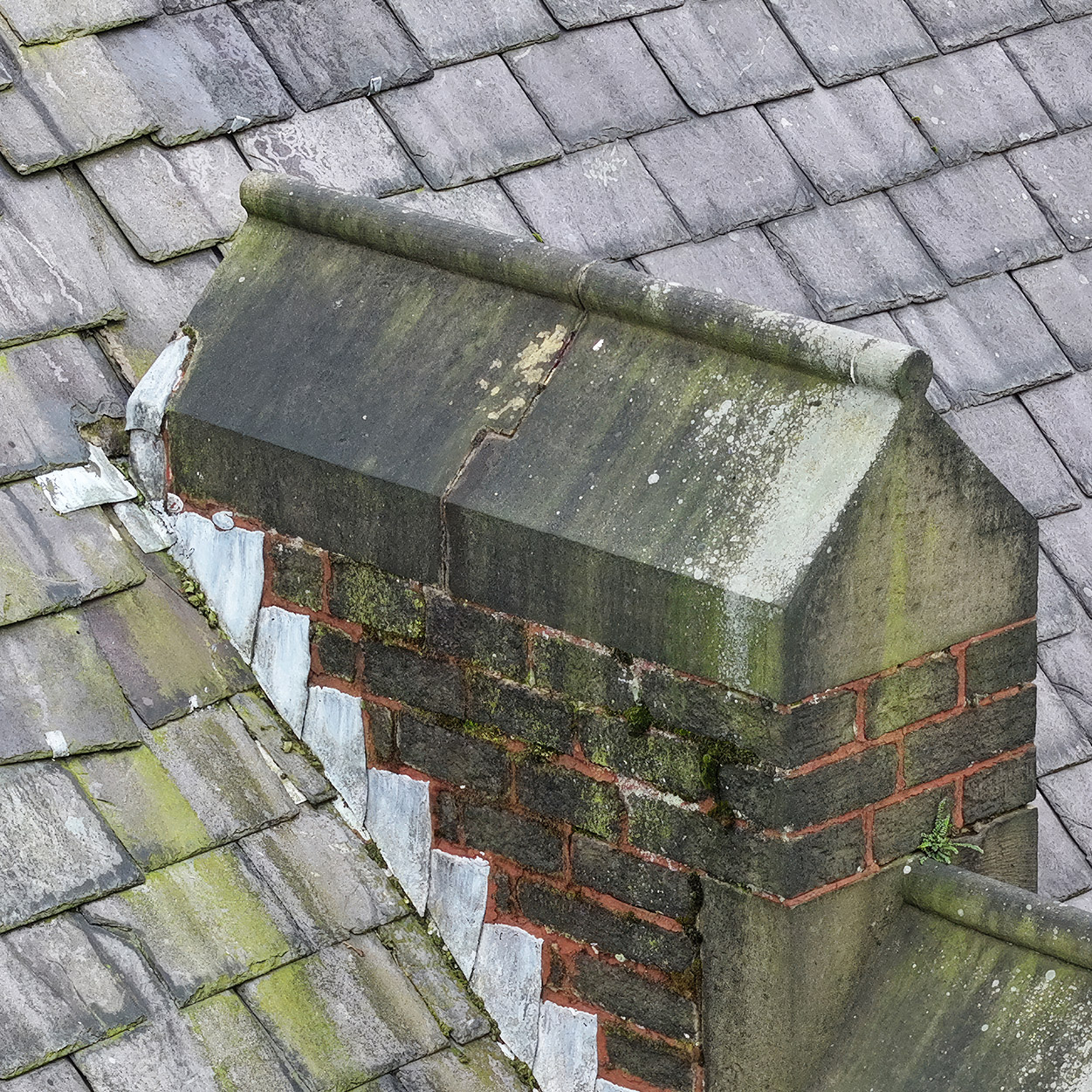
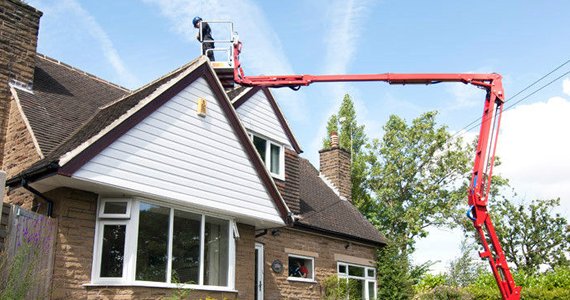
Our specialist assesses both the main pitched slate roof and the rear extension flat roof as separate structures. Main slope: individual slates inspected at close range for nail corrosion and cracking at the nail hole — the nail-sickness assessment invisible from below. Flat roof: deck condition, felt surface cracking, edge upstand adhesion and drainage falls. Chimney: step flashing abutment movement from London clay differential settlement, cap and pointing condition. Valley gutters: debris accumulation from street tree canopy in roads near Tooting Bec Common. Leasehold properties: defects mapped to specific structural elements with responsibility noted.

3

Detailed Report in 48 Hours

Full written report with photographs, condition ratings, remaining service life estimates, and a prioritised costed action list. Slate: nail-sickness extent by slope with re-slating timeline. Flat roof: source identification for rear room ingress — whether the extension flat roof or main pitched roof is the cause. Chimney: clay movement assessment with correct repair specification. For leasehold conversions: defect locations mapped to shared roof vs individual flat responsibility. Pre-purchase reports with full programme costs. Report within 48 hours.

Tooting is one of inner south London’s most extensively Victorian residential areas. The streets between Tooting Broadway, Tooting Bec Common, and the Balham and Streatham boundaries are almost entirely composed of terraced housing built between 1870 and 1910 — two and three-storey bay-fronted terraces roofed with Welsh slate, in streets that were laid out as speculative development in the decades following the opening of Tooting railway station. At 115 to 155 years old, Tooting’s slate roofs have been exposed to every London winter and every intervening decade without the fixings that hold the slate ever being renewed. The original cut iron nails are the defining structural vulnerability of Tooting’s Victorian roofscape.

Welsh slate is one of the most durable roofing materials ever used: the stone itself can outlast any building it covers, and well-preserved Victorian slate in sheltered conditions remains functional at 150 years and beyond. But the nail is not the slate. Cut iron nails — used universally in Victorian terraced housing across south London — corrode within the slate hole from the first year of exposure, at a rate determined by the moisture content of the roofing environment and the iron quality of the specific nail batch. In Tooting’s dense terrace streets, north-facing rear slopes sit in the shade of the terrace itself and of the mature street trees — London planes and limes — along the roads adjacent to Tooting Bec Common. These slopes dry more slowly after rain and maintain higher residual moisture against the slate surface and within the nail holes, accelerating nail corrosion relative to the more exposed front slopes.

Nail-sickness is the common name for the condition where iron nail corrosion has advanced to the point where the nail no longer provides secure mechanical fixing for the slate. The corrosion product — iron oxide — expands within the nail hole, cracking the slate from the hole outward, and simultaneously reduces the nail’s cross-sectional area. A slate whose nail has corroded to 60% of its original diameter and whose hole has cracked to an oval is still in position and invisible from the street. It requires the sustained wind uplift of a winter storm to lift it free. The structural risk is not the single slate that eventually slips: it is the 30 or 40% of slates on a north-facing Tooting slope that may be at equivalent stages of nail-sickness, none of which have slipped yet, and all of which represent both a weather tightness failure waiting to occur and a safety risk if slates fall to the street or garden below. Assessing nail-sickness proportion accurately requires individual close-range inspection at slate level — an assessment that cannot be performed from ground level and is not included in homebuyer surveys.

Tooting’s second major roofing challenge is the rear kitchen extension — a feature present on a very high proportion of the Victorian terrace stock. These extensions were added in the 1960s to 1980s as permitted development, adding a single-storey kitchen or utility room at the rear of the house roofed with a flat deck covered in bitumen felt. At 40 to 55 years, this felt is at or substantially beyond the standard service life for the original specification. Felt degradation on these extensions is one of the most common sources of water ingress in Tooting properties, yet it is also one of the most consistently misdiagnosed: when water appears in the rear ground-floor room or at the rear first-floor ceiling, the owner and the called roofer both look upward at the main Victorian slate roof, which is prominently visible. The flat extension roof — accessible only from the garden, often partly obscured by the parapet — is not always inspected thoroughly. Patching the main slope does nothing for the failed felt below. Our surveys assess both structures independently with separate condition ratings, and where the rear extension flat roof is the actual source of the ingress, the report states that explicitly.

The third challenge specific to Tooting is leasehold conversion. Tooting has one of the highest rates of Victorian terrace conversion to flats in south London — three or four flats per former terrace house is the norm across large areas of the residential streets. The roof of a converted terrace is typically a shared structure whose maintenance is the collective responsibility of all leaseholders or the freeholder. The rear extension flat roof may be the sole responsibility of the ground-floor flat, or shared, depending on the specific lease. When water ingress occurs, establishing which defect is causing it, which structural element it belongs to, and whose lease responsibility that element represents requires independent assessment producing factual, photographic evidence that each party’s solicitor can review. Many Tooting leasehold water ingress disputes persist for months because the initial assessment was conducted by a contractor with a commercial interest in the scope of repair rather than an independent assessor with no stake in the outcome.

London clay underlies the entire Tooting area, relevant to chimney stack movement. The seasonal shrink-swell of clay opens chimney step flashing abutments over years of thermal and moisture cycling, and this is frequently misdiagnosed as cap or pointing failure because those are the visible symptoms. Correct repair of clay-movement chimney ingress requires understanding the mechanical cause; mortar repairs that ignore it will crack within one to two seasonal cycles.

Nearby Areas: Victorian terrace surveys across Balham and Streatham. Wandsworth borough coverage at Wandsworth. Wider SW17 coverage including Mitcham and Colliers Wood.

Tooting roof survey - Victorian terrace Welsh slate nail-sickness rear extension flat roof and leasehold conversion assessment SW17 SW16 London

Tooting Roofing We Assess

  • Welsh slate nail-sickness: Individual slates inspected at close range for nail corrosion and hole cracking — the proportion insecurely fixed that is invisible from below and not found by homebuyer surveys
  • Rear extension flat roofs: Deck, felt surface, edge upstand adhesion and drainage assessed independently of the main slope — the most commonly misidentified source of rear room ingress
  • Leasehold conversion mapping: Defects located and attributed to shared roof vs individual flat responsibility under lease terms — the independent evidence base for leasehold disputes
  • London clay chimney movement: Step flashing abutment assessed for clay differential movement — the structural cause behind recurring ingress despite cap and mortar repairs
  • Valley gutter debris: Leaf accumulation from Tooting Bec Common street tree canopy assessed — blocked valleys causing overflow at eaves on tree-adjacent streets
  • Loft conversion junctions: Lead soaker and cover flashing condition at dormer and rear extension roof junctions — the most frequent ingress point on modified Victorian terraces

Our Tooting Coverage Area

Roof survey Tooting professional accreditations Tooting London roof inspection certifications

Tooting’s Victorian terrace stock presents three challenges that are invisible from the street and not found by standard homebuyer surveys: the proportion of slates whose cut iron nails have corroded to the point of insecure fixing; whether the rear room damp is from the main slate roof or the failed felt extension below it; and which party in a converted terrace has the lease responsibility for the element that is actually failing. Independent specialist assessment establishes all three before a purchase completes or a dispute escalates.

Three Years of the Wrong Repairs — Tooting Victorian Terrace Flat

Leasehold Purchase Scenario — First-Floor Flat, Converted Victorian Terrace, SW17

A buyer purchased a first-floor flat in a converted Victorian terrace in a residential street near Tooting Broadway for £420,000. The property was one of three flats in a former three-bedroom house, converted in the 1990s. The homebuyer survey noted the roof as “in generally satisfactory condition, some minor slippage observed, recommend monitoring.” There was a rear kitchen extension at ground-floor level with a flat roof. The lease described the shared roof as the joint responsibility of all three leaseholders in equal shares. No specialist survey was commissioned before exchange.

Year 1: During autumn rain, water staining appeared at the rear of the first-floor flat’s kitchen ceiling — the ceiling directly above the ground-floor extension flat roof. The buyer contacted the freeholder, who contacted the ground-floor flat owner, who disputed that the flat roof was their responsibility, citing a lease clause about “the main roof and structural elements.” The freeholder instructed a roofer to inspect. The roofer went onto the main Victorian slate roof, found two slipped slates on the rear slope, replaced them, and repointed a section of ridge mortar. Cost shared between all three leaseholders: £310 each. The water staining continued after the next rain event.

Year 2: The water staining at the first-floor rear kitchen ceiling spread and a new stain appeared at the rear bedroom ceiling above. The freeholder called a second roofer, who also went onto the main slate roof, identified further slipped slates and moss on the north rear slope, and quoted for a full moss treatment and targeted slate replacement. Cost: £780 shared between leaseholders. The rear staining continued. Solicitors were engaged on both sides of the lease dispute about whether the flat roof was shared or individual responsibility. Legal costs: £900 in letters before any work was authorised.

Year 3: Water now tracking down the rear internal wall of the first-floor flat and causing mould at the skirting board. The first-floor owner commissioned an independent specialist survey. Findings:

(1) Rear extension flat roof — source assessment: The flat roof over the rear kitchen extension was found to have failed felt along the full length of the rear parapet upstand. The bitumen felt had pulled away from the timber upstand board over approximately 3.2 metres, leaving a gap of 8 to 15mm between the felt edge and the wall. Water was entering this gap in any rain with wind from the south, running along the timber deck, and reaching the junction with the main rear wall of the property before penetrating through to the first-floor ceiling below. The main Victorian slate roof directly above the first-floor kitchen and bedroom was separately inspected and found to be the source of no active ingress at those locations. The rear extension flat roof was the sole source of the water damage in both affected rooms. Estimated remaining life of flat roof felt: 0 years — replacement required immediately. Budget: £2,800–£3,600.

(2) Main Victorian slate roof — nail-sickness assessment: The rear north-facing slope, inspected at close range, showed nail-sickness affecting approximately 28% of the total slate count. Of these, approximately 40 slates (roughly 12% of the rear slope) had nail corrosion advanced to the point of insecure fixing — held in position only by adjacent slate pressure. The front slope showed nail-sickness at approximately 15%, with fewer slates at the insecure stage. The previously replaced slates and the ridge repointing were irrelevant to the primary ingress source but the nail-sickness assessment was a material finding for the shared roof. Targeted re-slating of the insecure rear slope slates was recommended within 12 months. Budget for targeted re-slate of rear slope insecure section: £2,400–£3,200. Full re-slating programme within 4 to 6 years: £8,500–£12,000.

(3) Lease responsibility mapping: The report confirmed that the rear extension flat roof, added after the original conversion, was described in the lease addendum as the responsibility of the ground-floor leaseholder alone, not shared. The main Victorian slate roof was shared equally between all three leaseholders. This mapping resolved the two-year lease dispute: the flat roof repair was the ground-floor leaseholder’s obligation; the nail-sickness programme was shared. Both parties accepted the independent findings. The solicitor engagement was terminated. The flat roof was repaired by the ground-floor leaseholder within six weeks of the report.

What a Specialist Pre-Purchase Survey Would Have Found: “Rear extension flat roof: felt upstand adhesion failed at rear parapet — active ingress source for first-floor rear rooms. Replacement required immediately. Budget £2,800–£3,600 — confirm lease responsibility with ground-floor leaseholder before exchange. Main slate roof: nail-sickness on rear north slope at approximately 25% of slate count — shared roof programme required within 4 to 6 years. Budget £8,500–£12,000 shared equally. Recommend lease addendum review to confirm flat roof responsibility attribution before exchange.”

Survey cost: from £195. Two years of shared-cost main slope repairs totalling £1,090 per leaseholder did not address the failed flat roof upstand that was the actual source. £900 in solicitor costs was incurred before the independent report resolved the lease dispute in weeks. Pre-purchase assessment would have identified the flat roof as the source, confirmed the lease responsibility, and established the shared nail-sickness programme cost before exchange on a £420,000 purchase.

Tooting Homeowner & Buyer Experiences

"Buying a top-floor flat in Tooting near the Common — your survey found nail-sickness on 35% of the rear slope slates, with 15% at the insecure stage. The homebuyer survey had called it 'minor slippage, monitor.' Negotiated £9,000 off for the shared re-slating programme and had the responsibility clause confirmed in the lease before exchange. The difference between that assessment and the homebuyer survey was the difference between an informed purchase and a three-way dispute about who pays."
Sarah & James T — Tooting Bec Flat Buyers
"Three years of rear bedroom damp — two roofers patched the main slate slope, water kept coming back. Your survey found the rear extension flat roof upstand had failed and was the actual source. Main slate roof was fine at those ceiling locations. One flat roof repair, problem gone. All those years of paying for the wrong structure to be patched because nobody looked properly at what was below."
David K — Tooting Victorian Terrace Owner SW17
"Chimney repointed twice in three years on our Tooting terrace — ingress back within 18 months each time. Your report identified the London clay seasonal movement opening the step flashing abutment, not the mortar. Flexible-lime specification repair done once; no recurrence since. The clay movement explanation was exactly what we needed to stop the cycle of wrong repairs."
Caroline M — Tooting Broadway Area SW17

Roof Survey Pricing — Tooting Specialists

Professional Assessment from £195

Roof surveys for Tooting properties start from £195. Whether a Victorian terrace where the Welsh slate nail-sickness proportion needs assessing at close range to determine the re-slating timeline; a property where rear room damp has not been resolved by main slope repairs and the rear extension flat roof needs independent assessment as the probable source; a leasehold conversion where independent evidence mapping defects to lease responsibility is needed to resolve a dispute or inform a purchase; a pre-purchase survey on a top-floor or first-floor flat where the shared roof programme cost needs establishing before exchange; or a chimney with recurrent ingress despite mortar repairs where the London clay movement context has never been assessed — call 07833 053 749 for an exact price confirmed immediately. Report within 48 hours.

On a Tooting flat purchase at £380,000–£500,000, the combination of shared nail-sickness programme, failed rear extension flat roof with disputed lease responsibility, and clay-movement chimney repair can represent £10,000 to £18,000 of uncosted or disputed programme. Independent specialist assessment establishes the full picture before exchange and before solicitors are engaged. No repairs sold — honest assessment only.

When You Need a Roof Survey in Tooting

Buying a Flat in a Converted Tooting Terrace?

The pre-purchase questions for a Tooting leasehold flat are specific: what is the nail-sickness proportion on the shared Victorian slate roof at close range; what is the condition of the rear extension flat roof and which leaseholder is responsible for it under the lease; are there any active ingress sources on the shared roof that will become joint maintenance obligations immediately after exchange; and what is the full shared re-slating programme cost and timeline? None of these questions can be answered by a homebuyer survey or by a conveyancer reviewing the lease alone. Independent specialist assessment before exchange provides the factual basis for negotiation, lease clause confirmation, and informed purchase decisions.

Recurring Rear Room Damp Despite Roof Repairs?

If water ingress at the rear of a Tooting terrace has continued after main slope slate replacements or ridge mortar repairs, the rear extension flat roof is the most probable unassessed source. Our surveys assess both structures independently and identify the source of ingress by location — eliminating the cycle of patching the main slope while the flat roof below it continues to fail.

Leasehold Roof Dispute?

Independent specialist assessment producing a written report with photographs, defect locations, and responsibility mapping under lease terms is the evidence base that resolves leasehold roof disputes faster and more cheaply than solicitor correspondence alone. We identify what is failing, where it is, what structure it belongs to, and what the correct repair specification and cost is — the factual framework that allows all parties to proceed without prolonged legal correspondence.

Victorian Terrace in Tooting Bec Conservation Area?

The Tooting Bec Conservation Area covers much of the residential stock north of the High Street. Conservation area properties require like-for-like replacement on visible slopes — Welsh slate replacing Welsh slate rather than fibre cement alternatives. Our surveys note the conservation area designation and the like-for-like material requirement for any elements requiring replacement, with the slate premium factored into programme costs.

Tree-Adjacent Property Near Tooting Bec Common?

Streets immediately adjacent to Tooting Bec Common carry mature London plane and lime street trees whose canopy oversails the front and rear slopes of adjacent terraces. These trees deposit leaf litter, catkins, and small debris into valley gutters and onto flat extension roofs. Our surveys assess valley gutter debris accumulation and drainage, and flat roof surface debris on tree-adjacent properties, as these are specific causes of blocked drainage and accelerated felt deterioration on the Tooting Common-side streets.

Chimney Ingress Not Resolved by Mortar Repairs?

London clay seasonal movement is the explanation for chimney ingress that recurs after mortar repointing on Tooting terraces. The step flashing abutment is being physically opened by differential clay movement each season; mortar replacement does not address this. Our surveys identify clay movement as the cause where it is present and specify the correct flexible-lime repair that accommodates seasonal movement rather than cracking within it.

Frequently Asked Questions — Roof Survey Tooting

At what percentage of nail-sickness does a Victorian slate roof need full re-slating rather than targeted repair?

There is no fixed percentage at which targeted repair becomes uneconomic, but the practical threshold is typically around 25 to 35% of a slope showing insecure fixings. Below this level, individually replacing the nail-sick slates with new slates on stainless steel or copper nails — a process called targeted re-nailing or re-slating — can extend the roof’s service life by 15 to 20 years, assuming the remaining slates are in good condition. Above 30 to 35% of insecure slates on a given slope, the cost of individual replacement begins to approach the cost of stripping the slope entirely and re-laying it with the existing sound slates on new fixings — which also gives the opportunity to inspect and replace any perished felt underlay at the same time. The condition of the slates themselves is also relevant: on a Tooting terrace where the slates are 130 to 155 years old, many will be approaching the end of their surface durability regardless of nail condition. Our surveys assess both dimensions — nail condition and slate body condition — and the report states clearly whether targeted repair or re-slating is the appropriate recommendation for each slope at the current condition.

How much does a roof survey cost in Tooting?

Roof surveys start from £195. Call 07833 053 749 for an exact price confirmed immediately — no forms, no waiting.

What areas of Tooting do you cover?

We cover the full SW17 postcode area including Tooting, Tooting Broadway, Tooting Bec, and the SW16 border with Streatham in the London Borough of Wandsworth and the adjacent areas of the London Borough of Merton. We also cover surrounding areas including Balham (SW12), Streatham (SW16), Mitcham, Colliers Wood, and Wandsworth (SW18).

Does the lease always make the shared roof the joint responsibility of all leaseholders?

Not always, and the variations matter significantly for Tooting converted terraces. The main Victorian pitched slate roof is typically a shared structure under most conversion leases, with costs split between all leaseholders in equal shares or by proportion of floor area. However, rear extension flat roofs — added after the original conversion, or at the time of conversion as an addition to the ground-floor flat ’s exclusive use space — are frequently attributed solely to the ground-floor leaseholder under a lease addendum or side agreement that is not always clearly referenced in the main lease document reviewed by a conveyancer. Loft conversion roofing elements — dormers, valley junctions with the original Victorian slate — may be attributed to the top-floor flat alone. These attribution distinctions are the source of the majority of Tooting leasehold roof disputes. Our surveys locate each defect precisely, identify the structural element to which it belongs, and note the standard lease attribution for that element type — providing the framework for the conveyancer to confirm responsibility against the specific lease documents before exchange.

Are your surveys independent?

Completely. We survey only — no repairs sold, no contractor referrals. For leasehold flat purchases and leasehold disputes in Tooting, independent assessment with no commercial interest in the repair scope is the only reliable basis for responsibility attribution and programme costing.

Understanding the Tooting Property Market

Tooting’s property market has seen significant growth over the past decade, driven by the combination of relative affordability compared with Clapham and Balham, excellent transport links via the Northern line at Tooting Bec and Tooting Broadway, and the appeal of the Victorian terrace stock that gives the area its character. Victorian terrace houses (whole): £650,000 to £950,000 for three-bedroom properties, with larger four-bedroom terraces approaching £1,100,000 in the Tooting Bec Conservation Area and streets closest to the Common. Leasehold flats: ground-floor and first-floor flats in converted terraces typically £320,000 to £470,000; top-floor flats with loft conversions £400,000 to £550,000.

At these values, the programme costs associated with Tooting’s Victorian slate stock — targeted rear slope re-slating at £2,400–£3,200, full re-slating at £8,500–£12,000 shared across leaseholders, rear extension flat roof at £2,800–£3,600 — are meaningful relative to the purchase price but entirely manageable when identified and costed before exchange. They become significantly more expensive when they emerge through water damage after purchase, through contested leasehold disputes with solicitor costs, or through years of ineffective main slope repairs that were addressing the wrong structure.

The London Borough of Wandsworth is the planning authority for most of SW17. The Tooting Bec Conservation Area covers the residential streets north of the High Street; like-for-like Welsh slate specification applies to visible slope replacements within the conservation area boundary.

Tooting Property Facts

  • Victorian terrace houses: £650K–£950K
  • Leasehold flats: £320K–£550K
  • Top-floor/loft flats: £400K–£550K
  • SW17 and SW16 postcodes
  • London Borough of Wandsworth
  • Tooting Bec Conservation Area
  • Tooting Bec Common adjacent
  • London clay throughout

Service Areas — Tooting & SW17 SW16 London

Tooting SW17/SW16 Coverage:

Tooting, Tooting Broadway, Tooting Bec, and all residential streets throughout the SW17 and SW16 border postcodes in the London Borough of Wandsworth and adjacent London Borough of Merton

Surrounding Areas:

BalhamStreathamWandsworthMitchamColliers Wood

Postcode Coverage:

SW17 (Tooting, Tooting Bec, Tooting Broadway), SW16 (Streatham, Norbury border), SW12 (Balham), SW18 (Wandsworth), and surrounding CR4 (Mitcham) and SM4 (Morden) postcode areas

Why Tooting Property Owners Choose Us

  • Nail-Sickness Close-Range Assessment: Individual slates inspected at close range for nail corrosion and hole cracking — the insecure proportion invisible from below
  • Flat Roof Source Identification: Rear extension flat roof assessed independently of main slope — the most commonly misidentified ingress source in Tooting terraces
  • Leasehold Responsibility Mapping: Defects attributed to specific structural elements with standard lease responsibility noted — the independent evidence base for disputes and purchases
  • Clay Movement Chimney Assessment: Seasonal differential movement identified as structural cause of recurrent ingress — preventing further ineffective mortar repairs
  • Conservation Area Compliance: Like-for-like Welsh slate requirement noted for Tooting Bec Conservation Area properties
  • Independent Only: No repairs sold — honest assessment every time

Understand Your Tooting Roof Today

Whether you’re buying a top-floor or first-floor flat in a Tooting converted terrace and need the shared slate roof nail-sickness proportion, the rear extension flat roof condition and lease responsibility, and the full shared programme costs established before exchange; dealing with rear room damp that hasn’t been resolved by main slope repairs and need the flat extension roof assessed as the probable source; managing a leasehold dispute that requires independent evidence mapping defects to responsibility; or tackling a chimney that keeps ingressing despite mortar repairs because the London clay movement has never been assessed — specialist assessment gives you the specific facts for the specific property and its structure.

Call 07833 053 749 now. Price confirmed from £195 by phone immediately. Detailed written report with photographs, nail-sickness extent by slope, flat roof condition and source determination, leasehold responsibility mapping, clay movement chimney assessment, and costed programme within 48 hours.

Professional Roof Survey from £195
Tooting Specialists • Victorian Terraces, Leasehold Conversions & Flat Roof Source Identification
  • Reviewer Trust Pilot
  • Review 07-03-2026
  • Reviewed Item Roof Survey Tooting
  • Author Rating ☆☆☆☆☆
No online forms. No waiting. Exact price in 60 seconds.
Call 07833 053 749 Get a Free Quote
☆☆☆☆☆ Trustpilot | Victorian Terraces & Leasehold Conversion Specialists SW17