
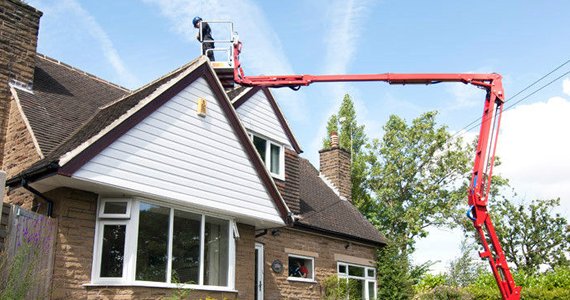
Tell us about your Mayfield property — a medieval or Tudor timber-framed building on the High Street, a tile-hung cottage in the lanes off the ridge, a Victorian or Edwardian house in the village, or a later 20th century property in the surrounding area. Any Horsham stone present? Price confirmed from £195 by phone immediately. No forms, no waiting.
Our specialist assesses every element matched to your property era — Horsham stone peg integrity and lath condition via tile-lifter inspection and loft examination; lime mortar cohesion depth at ridge beds and chimney pointing; plain clay tile and tile-hanging condition and fixing integrity; period lead flashing seal at chimney stacks and abutments; wind exposure damage patterns on south-west facing slopes; timber frame and rafter adequacy; and Wealden clay movement effects at structural junctions.
Full written report with photographs, condition ratings for every element, remaining lifespan estimates, and a prioritised costed action list. Period properties: Horsham stone pegs, timber structure, lime mortar assessed specifically. Victorian and later: tile condition, ridge pointing, flashings, wind-exposure wear patterns assessed in context of ridge position. Report within 48 hours. For buyers: costed schedules for price negotiation. For listed buildings: technical detail for consent applications.
Mayfield is among the finest medieval streetscapes in East Sussex — the High Street running along the spine of a High Weald ridge is lined with timber-framed and tile-hung buildings that span the 14th century to the 19th, with the ruins of the Archbishop of Canterbury’s Palace at its southern end establishing the village’s ecclesiastical importance across the medieval period. The Conservation Area designation, extensive listing of individual buildings, and High Weald AONB status together mean that almost every property in the village core carries some degree of planning constraint on what can be done to its roof — and understanding what is actually there is the foundation of managing it correctly.
The roofing materials that define Mayfield reflect its geology and its age. Horsham stone — the large, fissile Wealden sandstone slabs quarried until the 19th century — remains on some of the oldest properties in the High Street and the lanes immediately off it. These are extraordinary roofs: heavy, beautiful, irreplaceable from commercial sources, and structurally demanding on the timber frames beneath them. The wooden or iron pegs that fix the stones to lath decay at different rates depending on aspect and moisture loading, and peg failure is the defining risk on a Horsham stone roof. On Mayfield’s exposed south-west-facing High Street slopes, the sustained moisture from prevailing wind and above-average ridge rainfall accelerates peg corrosion compared with sheltered valley sites. A stone surface that looks intact gives no indication of fixing condition; specialist assessment with a tile lifter is the only way to know.
Plain clay tile is the near-universal roofing material across the rest of Mayfield’s older stock, used both on roofs and as tile-hanging on walls — the characteristic Wealden technique that protects timber-framed elevations from driving rain. Handmade plain clay tile from the traditional Wealden potteries absorbs moisture, and in a ridge position receiving orographically enhanced rainfall and sustained south-westerly wind loading, lime mortar in ridge beds and chimney pointing erodes significantly faster than at sheltered lowland sites. The failure of ridge tile mortar on an exposed Mayfield property is not a cosmetic matter: once the mortar bed opens up, wind-driven water enters the ridge tiles’ cavities and penetrates to the felt or directly to the roof void. In a property without felt underlay — the majority of Mayfield’s older stock — that means direct ingress to the loft space.
Victorian and Edwardian properties in the lanes below the High Street ridge and on the roads into the village typically have clay tile or Welsh slate with original lead flashings and lime mortar ridge beds. These properties sit in slightly more sheltered positions than the ridge-top buildings, but exposure is still above the lowland norm. Lead flashings at chimney stacks are a consistent maintenance item across this era of stock in Mayfield; thermal cycling and wind pressure accelerate the cracking and lifting that allows water ingress at the chimney base.
Wealden clay ground conditions affect the older buildings in Mayfield as they do throughout the High Weald — seasonal shrink-and-swell movement accumulates at structural interfaces over centuries, gradually opening up the junctions between roof structures and masonry walls. For a timber-framed building where the relationship between frame, wall plate, and roof structure may be complex and modified by centuries of repair and alteration, these movements can create ingress paths that are not obvious from external inspection.
The homebuyer surveyor who records “clay tile roof, appears satisfactory, some lichen on north slope” has not surveyed a Mayfield property in any meaningful sense. They have described what is visible from the eaves or the street. They have not assessed Horsham stone peg integrity, lime mortar cohesion depth, tile-hanging fixing condition, lead flashing seal quality, or the timber structure beneath. For a village where the housing stock includes buildings that are 500 years old, those omissions represent the entire substance of the assessment that matters.
Nearby Areas: Similar High Weald ridge and Wealden period property conditions at Heathfield, Rotherfield, and Wadhurst. Wealden period surveys also at Burwash. See also Maresfield for Ashdown fringe Horsham stone expertise.
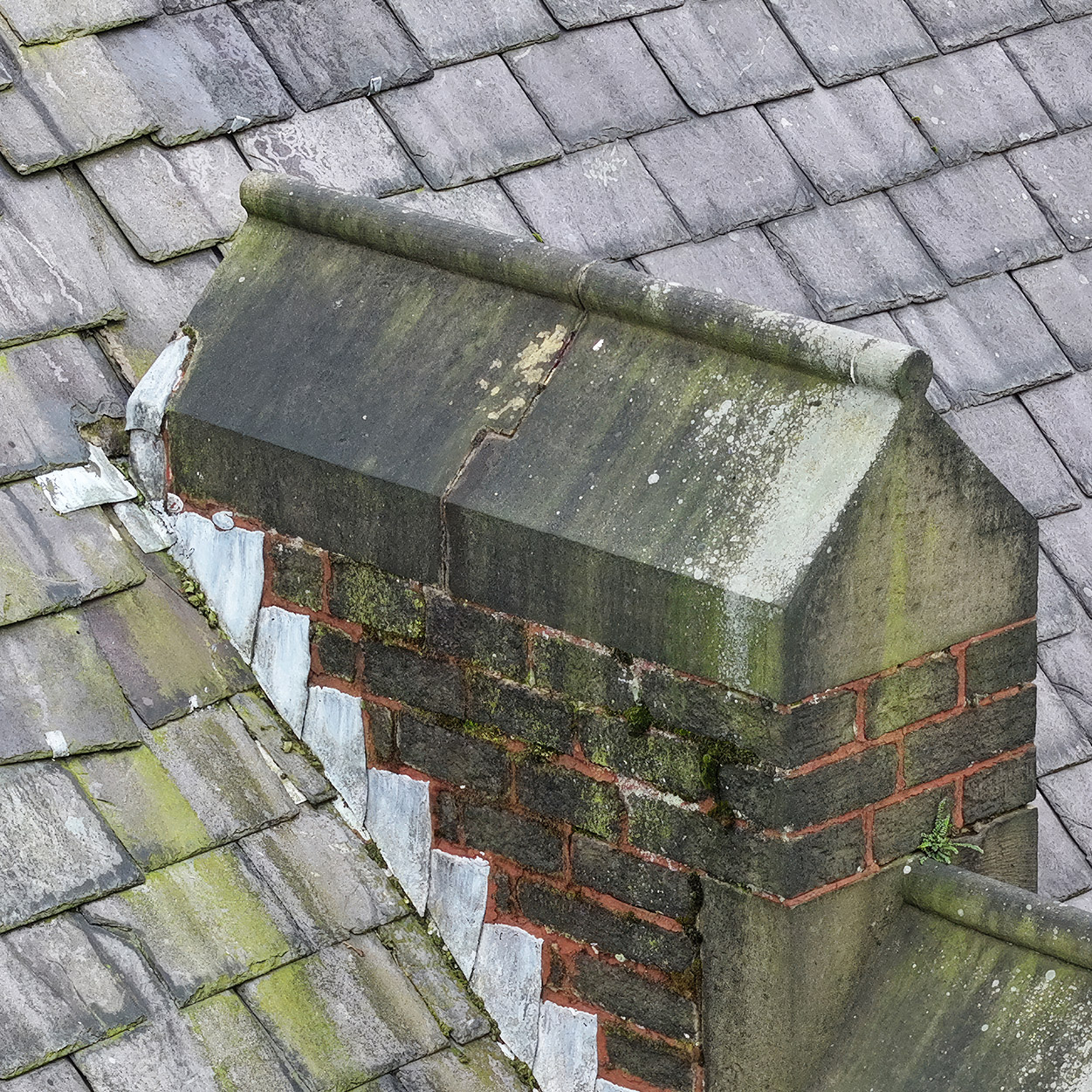


Surveying Mayfield’s period housing stock — Horsham stone pegged to medieval laths, handmade clay tile in lime mortar, timber-framed structures carrying five centuries of modification and repair, all exposed to a ridge position that loads them with above-average rainfall and wind — demands professional qualification combined with direct knowledge of how these specific materials age under these specific conditions. We understand what lime mortar looks like when it is genuinely failing rather than cosmetically weathered, how Horsham stone peg corrosion progresses on south-west-facing slopes, and what level of Wealden clay movement requires lead flashing replacement versus re-dressing. That working knowledge is what makes a survey of a Mayfield property genuinely useful.
A couple purchased a two-bedroom 16th century tile-hung cottage on the Mayfield High Street for £575,000. The property faced south-west on the ridge, with a plain clay tile roof and two chimney stacks. The homebuyer surveyor noted “plain clay tile roof present. Some moss on north slope. Chimney stacks appear in reasonable order. Recommend periodic maintenance.” No specialist survey was commissioned.
First winter: During sustained westerly rain the owners noticed water staining at the ceiling below the south-west chimney stack. A local roofer pointed the stack and re-bedded ridge tiles on either side. Cost £420. The staining dried out. He said the roof was “in reasonable nick, some mortar needs watching.”
Second year: The staining returned in the next sustained westerly weather. A second roofer replaced flashing around the south-west chimney and repointed the stack again with sand-cement mortar. Cost £680. The staining reduced but recurred in heavy westerly rain. She noted the chimney was “tricky to get properly weathertight.”
Third year: A specialist inspection was commissioned. Findings: the south-west chimney stack had been repointed with modern sand-cement mortar over a lime mortar substrate in the most recent repair. Sand-cement mortar is harder than the surrounding brickwork and the underlying lime mortar — it does not flex with the seasonal movement of the Wealden clay ground beneath, and it had cracked at the interface with the lime mortar below, creating hairline channels for wind-driven water. The correct repair required cutting out the sand-cement repointing back to sound lime mortar and repointing with an appropriate hydraulic lime mix. Additionally, the tile-hanging on the south-west elevation had three sections where the original wooden pegs fixing the hanging tiles to the underlying laths had failed, creating gaps in the weather protection at the wall-to-roof junction that were an additional water ingress route. The ridge tile mortar across the full south-west facing slope was also eroded to the point of failure — a finding consistent with the exposed ridge position and entirely predictable on a property at this height facing this direction. Full scope: chimney repoint in lime, three sections of tile-hanging re-pegged and re-hung, full south-west ridge repoint in lime. Cost: £4,800. Plus internal ceiling and plaster reinstatement in two rooms from two years of water ingress: £2,100.
What a Specialist Survey at Purchase Would Have Found: “16th century tile-hung cottage, south-west ridge position. Plain clay tile roof without felt underlay. Ridge tile mortar across south-west slope assessed as eroded to 50–60% depth at multiple points — repointing in lime mortar required urgently. South-west chimney stack: existing mortar contains sand-cement mix incompatible with historic lime substrate — cracking at interface is allowing wind-driven water ingress; full cut-out and repoint in hydraulic lime required. Tile-hanging on south-west elevation: three sections with peg failure confirmed. Lead flashing at north chimney: beginning to lift at apron; re-dress recommended within 12 months. Estimated full programme: £4,500–£5,500. Recommend vendor undertakes work before exchange, or appropriate retention.”
The Mayfield Pattern: The combination of ridge exposure and sand-cement mortar applied over lime mortar substrates in past repairs is found repeatedly in Mayfield’s older stock. The incompatibility is not obvious to the eye — sand-cement looks similar to lime when freshly applied. But it behaves entirely differently under Wealden clay movement and wind loading, and it causes the very problem it was intended to fix. A specialist familiar with traditional lime mortars and their failure modes will identify this on inspection; a standard homebuyer surveyor typically will not.
Survey cost: from £195. Saving identified: planned repair programme at £4,500–£5,500 negotiated before exchange versus unplanned repairs plus internal reinstatement at £6,900+.
Roof surveys for Mayfield properties start from £195. Whether a Horsham stone cottage on the High Street needing peg, lath, and timber structure assessment; a tile-hung Wealden property where lime mortar compatibility with past repairs determines whether the next intervention solves the problem or compounds it; a Victorian property where lead flashing condition on a south-west-exposed chimney stack is the critical question; or a pre-purchase survey giving you costed information before exchange — call 07833 053 749 for an exact price confirmed immediately. Report within 48 hours.
On a Mayfield period property worth £500,000–£900,000, the cost of a £195 specialist survey against the cost of discovering post-purchase that a Horsham stone slope needs re-pegging or that past cement repointing has been causing progressive water ingress for years is not a difficult calculation. Independent assessment only — no repairs sold, no interest in inflating findings.
Standard homebuyer surveys do not assess Horsham stone peg integrity, lime mortar cohesion depth, tile-hanging fixing condition, or the compatibility of past repair mortars with historic lime substrates. For a Mayfield property where these are often the entire substance of what matters about the roof, a specialist pre-purchase survey is the straightforward way to know what you are buying before you commit to exchange.
If damp has returned after chimney or ridge repairs, sand-cement mortar applied over a lime substrate is the most common cause in Mayfield’s older stock. The incompatibility creates cracking at the mortar interface that reappears after every cement repoint. Specialist assessment identifies whether this pattern is present and specifies the correct hydraulic lime replacement that will actually resolve it.
Properties on the High Street ridge facing south-west see ridge mortar, chimney pointing, and lead flashing degradation at roughly two to three times the rate of sheltered properties in the lanes below. If your property faces south-west and has not had a systematic roof inspection in the last five years, the probability that intervention is now needed on the exposed slopes is high. Assessment establishes exactly what is needed and prioritises it.
Virtually all properties in Mayfield village core are listed or within the conservation area. Repair, replacement, and re-roofing of traditional materials requires appropriate lime mortar specifications, traditional fixing methods, and in many cases prior consent from Wealden District Council. Our survey reports include the technical material specifications needed to support listed building consent applications and provide an accurate baseline for planning discussions.
Understanding the existing roof structure and material condition before committing to renovation or extension work on a Mayfield period property avoids discovering mid-project that a Horsham stone slope needs re-pegging or that the timber frame carrying the roof requires strengthening. Specialist baseline survey before planning prevents the most costly surprises.
The maintenance programme for a Mayfield period property on an exposed ridge is a long-term proposition. A specialist survey establishes the current condition of every element, identifies what needs attention in the next one to two years, and provides a realistic picture of the five-to-ten-year capital programme for the roof as a whole. That planning information is the difference between managed maintenance and reactive emergency expenditure at the worst possible time.
Historic lime mortar is softer and more flexible than the surrounding masonry — it is designed to accommodate movement and to fail sacrificially, protecting the harder brick or stone. Sand-cement mortar is harder than historic brickwork and lime substrates. It does not flex with seasonal Wealden clay movement; instead it cracks at the interface with the softer material it sits against. Those cracks are preferential water ingress paths that reappear after every cement repoint. The correct repair requires cutting back to sound lime mortar and repointing with an appropriate hydraulic lime mix that matches the flexibility and breathability of the original construction. Identifying this pattern — and specifying the correct remedy — requires direct knowledge of traditional mortars that a standard homebuyer survey does not provide.
Most residential surveys take 2–3 hours on-site including full loft inspection. Properties with Horsham stone roofs, complex chimney stacks, tile-hanging on multiple elevations, or medieval timber-frame structures may take longer. Full written report within 48 hours.
Roof surveys start from £195. Call 07833 053 749 for an exact price confirmed immediately — no forms, no waiting.
Yes. Our survey reports include material identification, condition assessment, and repair specification in the technical detail that Wealden District Council requires for listed building consent applications. We are familiar with the authority’s requirements for traditional material repairs on High Weald listed buildings, including appropriate lime mortar specifications and approved fixing methods for Horsham stone and plain clay tile.
We cover all of Mayfield and the TN20 postcode area, including Five Ashes, Argos Hill, and the surrounding High Weald lanes. We also cover Heathfield, Rotherfield, Wadhurst, Burwash, and throughout East Sussex.
Completely. We survey only — no repairs sold, no maintenance contracts, no referral arrangements with contractors. Our findings are reported as they are. For Mayfield homeowners navigating decisions about whether lime mortar repointing, Horsham stone re-pegging, or lead flashing replacement is actually needed and urgent, that independence is the foundation of a useful assessment.
Mayfield is one of a handful of East Sussex villages where the residential property market is substantially driven by the quality and authenticity of the historic built environment. The medieval High Street — largely intact as a continuous streetscape, with timber-framed buildings spanning five centuries facing each other across a narrow carriageway — is the reason buyers come to Mayfield rather than to a similarly located village. Period cottages and houses in and immediately off the High Street typically trade between £550,000 and £900,000 depending on size, condition, and the extent of original fabric retained; properties in the lanes and approach roads to the village range from £400,000 to £650,000; 20th century properties in the wider TN20 area start from around £350,000.
At the top of this market, buyers are paying a substantial premium for buildings that are fundamentally defined by the quality of their historic fabric — which means that the condition of the roof, the integrity of the lime mortar, and the correctness of past repairs are not peripheral concerns but central ones. The difference between a Mayfield cottage that has been maintained with appropriate lime mortars and traditional methods and one that has been “repaired” over the years with incompatible modern materials can be tens of thousands of pounds in correct-remedy cost, and entirely invisible to a casual inspection. Specialist survey that identifies this distinction is the most useful investment available to a Mayfield buyer before exchange.
Mayfield High Street, village core, Five Ashes, Argos Hill, and all surrounding TN20 lanes and properties within the Mayfield and Five Ashes parish
Heathfield • Rotherfield • Wadhurst • Burwash • Maresfield
TN20 (Mayfield), TN21 (Heathfield), TN6 (Crowborough/Rotherfield), TN5 (Wadhurst), TN19 (Etchingham/Burwash)
Whether you’re buying a period cottage on the High Street and need Horsham stone peg condition, lime mortar compatibility, and lead flashing integrity assessed before exchange; dealing with recurring damp that previous roofers have patched without resolving; or managing a listed property and need technically accurate reports for a Wealden DC consent application — specialist assessment gives you the facts that matter. Not surface description. Actual material condition, correct repair specification, and an independent view with no interest in the remediation work.
Call 07833 053 749 now. Price confirmed from £195 by phone immediately. Detailed written report with photographs and costed recommendations within 48 hours. Same-day service often available across Mayfield and the surrounding TN20 area.
