
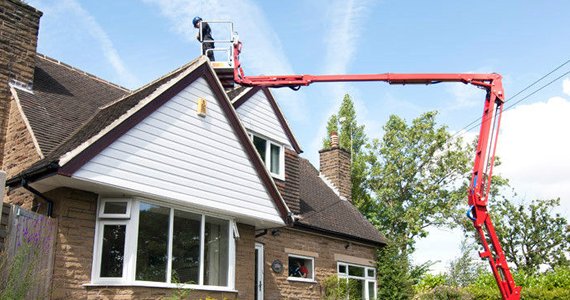
Tell us about your Maresfield property — a tile-hung or timber-framed cottage in the village core, a Victorian or Edwardian property on the A272 corridor, a 1930s or post-war house in the residential streets, or an older property that may retain Horsham stone slate. Price confirmed from £195 by phone immediately. No forms, no waiting.
Our specialist assesses every element matched to your property era — Horsham stone peg condition and lath integrity on older properties; lime mortar ridge bed and chimney pointing depth and cohesion; plain clay tile and tile-hanging condition; lead flashing at abutments and chimney stacks; loft structure and moisture indicators; wind damage patterns on south-west exposed positions; and Wealden clay movement effects at roof-to-wall junctions. Full loft inspection included on every survey.
Full written report with photographs, condition ratings for every element, remaining lifespan estimates, and a prioritised costed action list. Period properties: Horsham stone peg condition, timber structure, lime mortar assessed specifically. Victorian and later: tile and slate condition, pointing, flashings. Plain language costed recommendations within 48 hours. For buyers: schedules for price negotiation.
Maresfield is a High Weald village on the A272 between Uckfield and Haywards Heath, sitting at the south-eastern fringe of the Ashdown Forest plateau. It is a genuine village with a medieval core — the church of St Bartholomew dates from the 12th century, and the cottages clustered around it and along the old lanes carry the full character of Wealden vernacular building: timber frames, clay tile-hanging on walls and roofs, thick render on gable ends, and on the oldest structures, the heavy Horsham stone slate that is among the most technically demanding roofing material found anywhere in southern England.
The housing stock fans out from that historic core across several centuries. Victorian and Edwardian cottages and houses line the main A272 and the lanes off it; 1930s semi-detached and detached properties occupy the residential streets closer to Uckfield; and some post-war and later development fills the village’s outer edges. Each era brings distinct roofing materials and distinct failure patterns, and the Ashdown plateau environment adds a consistent environmental pressure across all of them.
Horsham stone slate — the large, irregular fissile sandstone slabs quarried from the Wealden beds and used as roofing across the High Weald from the medieval period — is the most demanding material any residential survey can encounter. It is no longer commercially quarried; any replacement material is salvage or facsimile. The slabs were traditionally pegged to timber laths with wooden or iron pegs, and when those pegs corrode or the laths decay, individual stones begin to slip. The stones themselves are extremely durable, but their weight — significantly greater than tile or slate — imposes sustained loading on the roof timbers beneath, and assessing both the structural adequacy of that timber frame and the moisture condition of the loft space it encloses is as important as assessing the stones themselves. A standard survey that looks at the visible surface and notes “stone roof, appears intact” has told the homeowner almost nothing useful.
Plain clay tile — both on roofs and as tile-hanging on Wealden cottages — is the other defining material of Maresfield’s older housing stock. Handmade plain clay tile from the traditional Wealden potteries is a very different material from machine-made tile: it absorbs moisture, supports lichen and moss growth on north-facing and shaded slopes, and relies on lime mortar for pointing and ridge bedding that erodes gradually under the Ashdown plateau’s above-average rainfall. Tile-hung walls and facades on cottages complicate the assessment because the hanging tiles and their fixings age differently from the roof tiles above them, and failure in the tile-hanging system can allow water ingress at a wall-to-roof junction that is not obvious from outside.
The Ashdown Forest plateau generates orographic rainfall consistently above the south-east average, and the prevailing south-westerly wind hits the plateau edge with limited shelter on exposed positions. Ridge tile mortar and chimney pointing on south-west-facing exposures in Maresfield fail at roughly two to three times the rate of comparable sheltered lowland sites. Wealden clay ground conditions also create the seasonal shrink-and-swell movement that opens up roof plane junctions and lead flashing seats over time — a slow process invisible from outside but progressive in its effect on weathertightness.
Standard homebuyer surveys record visible tile or stone condition from the eaves or from ground level. They do not assess Horsham stone peg integrity, timber structure loading, lime mortar cohesion in ridge beds, tile-hanging fixing condition, or the loft moisture environment that indicates whether a roof’s weather resistance has been compromised. For a village like Maresfield, where period properties are the norm and the materials they carry are genuinely complex, a surface observation is not a useful survey.
Nearby Areas: Similar Wealden materials and Ashdown fringe conditions at Horney Common, Nutley, and Buxted. Uckfield town surveys at Uckfield. Further: Forest Row and Groombridge.
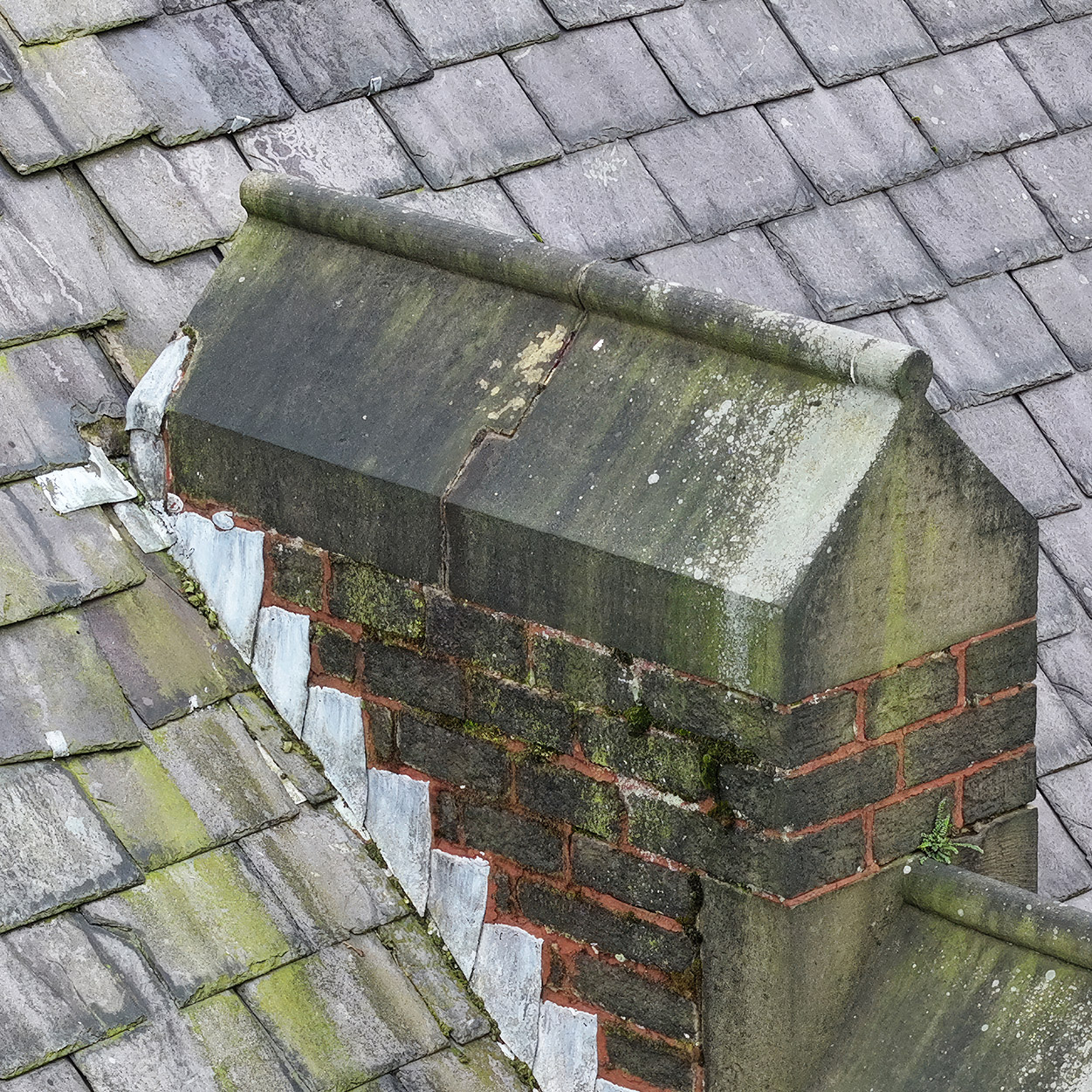


Surveying the High Weald’s period housing stock — Horsham stone, handmade clay tile, timber-framed structures, lime mortar throughout — demands professional qualification backed by direct knowledge of how these materials age under Ashdown plateau conditions. We understand the structural demands of heavy stone roofs, the failure patterns of Wealden lime mortar under above-average rainfall, and how Wealden clay ground movement manifests in roof plane junctions. That knowledge is the difference between a useful survey and a surface observation.
A couple purchased a three-bedroom 17th century cottage in Maresfield village core for £620,000. The property had a Horsham stone slate roof in apparent good condition — stones sitting flat, no obvious displacement, some lichen across the north slope. The homebuyer surveyor noted “Horsham stone roof present. Stone appears sound. Recommend specialist inspection given age.” No specialist survey was commissioned before exchange.
First year: During autumn the owners noticed a damp patch appearing on the ceiling of the first-floor bedroom under the north slope. A local roofer climbed up and replaced two stones that had moved slightly and re-mortared around them. Cost £380. The patch reappeared. He noted the stones were “generally in good order.”
Second year: The damp patch expanded and a second appeared in the landing ceiling. A roofing contractor inspected more thoroughly and found three more displaced stones on the north slope. He replaced and re-bedded them: £580. He advised the roof had “a few years left in it.” The damp reduced but did not stop.
Third year: A specialist inspection was commissioned following persistent damp and a musty smell in the roof space. Findings: wooden pegs fixing the Horsham stones to lath had decayed on the north slope, with approximately 40% of fixings no longer holding securely. Several lath timbers were also showing early decay from persistent moisture ingress over a period predating the purchase. The roof structure — the principal rafters and purlins carrying the substantial weight of the stone — was sound, but three areas of lath required replacement before re-pegging could be carried out. The correct remediation: specialist strip of north slope, lath repair, re-peg with stainless steel or copper, re-lay stones in lime mortar, ridge repointing in lime throughout. Cost: £18,500 for north slope, with south slope requiring the same programme within 3–5 years at a similar cost.
What a Specialist Survey at Purchase Would Have Found: “Horsham stone slate roof, north slope: wooden peg fixings assessed via tile-lifter inspection across sample area. Approximately 35–40% of pegs on north slope showing advanced decay — no longer providing secure fixing. Three lath timbers identified as requiring replacement before re-pegging. South slope peg condition better, estimated 3–5 years before same programme required. Lime mortar at ridge beds eroded across full length — repointing in lime mortar required. Roof structure (rafters and purlins) assessed as adequate to carry stone weight. Full north slope programme estimated £17,000–£20,000. Recommend significant price negotiation or retention.”
The Maresfield Pattern: Horsham stone cottages in the High Weald village cores are not a niche curiosity — they are the defining vernacular buildings of the area and command premium prices. The peg decay that undermines them is invisible from outside; the stone surface gives no indication of fixing condition beneath. Surface observation — however experienced — cannot substitute for a specialist assessment that checks actual peg integrity on a representative sample of the roof.
Survey cost: from £195. Saving identified: planned north slope programme at £17,000–£20,000 negotiated before exchange versus unplanned emergency work plus internal remediation post-purchase.
Roof surveys for Maresfield properties start from £195. Whether a Horsham stone cottage in the village core requiring peg, lath, and timber structure assessment; a tile-hung Wealden property where lime mortar and hanging-tile fixing condition determine the roof’s remaining life; or a Victorian or post-war house where standard tile, pointing, and flashing assessment applies — call 07833 053 749 for an exact price confirmed immediately. Report within 48 hours.
On a Maresfield period property worth £500,000–£800,000+, the difference between a specialist pre-purchase survey and discovering post-exchange that a Horsham stone north slope needs complete re-pegging is measured in many thousands of pounds and months of disruption. Independent assessment only — no repairs sold, no interest in inflating findings.
Standard homebuyer surveys cannot assess Horsham stone peg condition, lath integrity, or timber structure adequacy under stone weight. For tile-hung cottages, they cannot assess hanging tile fixing condition or the lime mortar state beneath visible surfaces. These are the assessments that reveal whether a Maresfield period property has decades of serviceable life remaining or a significant capital programme imminent — and they can only be done by a specialist before exchange.
Internal damp in Maresfield’s period properties can originate from decayed Horsham stone peg fixings, failed lime mortar in ridge beds or chimney pointing eroded by Ashdown plateau rainfall, lead flashing degradation at chimney stacks and abutments, or Wealden clay movement opening roof plane junctions. Replacing individual displaced stones without assessing fixing integrity across the whole slope will not resolve systematic peg decay. Specialist survey identifies the actual cause.
The south-westerly storms that cross the Ashdown Forest plateau periodically cause concentrated damage on exposed positions in Maresfield — ridge tiles lifted, chimney pots displaced, slates or tiles blown. Post-storm assessment distinguishes isolated damage from systematic failure that the storm has exposed rather than caused, providing an accurate scope for repairs rather than reactive patching.
Maresfield period cottages are attractive candidates for renovation. Understanding the existing roof structure and material condition before committing to internal works avoids discovering mid-project that a Horsham stone slope needs full re-pegging or that the timber structure carrying it requires strengthening before the conversion can proceed. Specialist baseline survey before planning is the straightforward way to avoid this.
Many properties in Maresfield village core are listed or within a conservation area. Repair and replacement of Horsham stone and traditional Wealden clay tile requires specialist knowledge of appropriate lime mortars, traditional fixings, and approved replacement materials — and typically requires consent for any changes to roofing materials. Our reports provide the technical detail needed to support listed building consent applications.
A specialist baseline survey on a Maresfield period property establishes what needs attention in the next one to two years, what has five or more years remaining, and what the long-term capital programme looks like for the roof as a whole. That planning information is the difference between managed maintenance and reactive emergency expenditure.
Not from commercial quarrying — Horsham stone is no longer quarried commercially in usable quantities. Replacements come from salvage sources — demolished Wealden buildings, architectural salvage yards — or from facsimile reconstituted stone products where traditional appearance is acceptable but not fully equivalent in weight and weathering behaviour. This is why assessment that identifies peg decay early matters so much: the alternative to controlled re-pegging is the progressive loss of irreplaceable material that becomes increasingly difficult to match.
Wealden clay swells in wet conditions and shrinks in dry summers. On older properties this seasonal movement accumulates at structural interfaces — where roof timbers meet masonry walls, where chimney stacks rise through roof planes, where lean-to extensions abut main walls. Lead flashings at these junctions must accommodate the movement; when they have lost flexibility through age and thermal cycling they crack and admit water at exactly the points where movement is greatest. Assessment of flashing condition in the context of clay movement is part of every survey on Wealden properties.
Roof surveys start from £195. Call 07833 053 749 for an exact price confirmed immediately — based on your specific property type and size, no forms required.
Most residential surveys take 2–3 hours on-site including full loft inspection. Period properties with Horsham stone roofs, complex chimney stacks, or multiple abutment junctions may take longer given the technical complexity of the assessment. Full written report with photographs, element-by-element condition ratings, and prioritised costed recommendations within 48 hours.
We cover all of Maresfield and the surrounding TN22 area, including Horney Common, Nutley, Buxted, Uckfield, and throughout the High Weald and Ashdown Forest fringe communities of East Sussex.
Yes. Our survey reports include the technical detail of existing materials, their condition, and appropriate repair specifications needed to support listed building consent applications and conservation area notifications. We are familiar with the requirements of Wealden District Council and East Sussex planning authorities for traditional material repairs.
Maresfield sits in the High Weald Area of Outstanding Natural Beauty, which supports a premium residential market despite the village’s modest size. The draw is the combination of genuine period character — the Horsham stone and tile-hung cottages in the village core are not reproduction — good access to both Uckfield and the A22 toward London, and the rural-but-connected quality that commands strong premiums in the Sussex property market. Period cottages in the village core typically trade between £550,000 and £850,000 depending on size, condition, and the extent of period fabric retained; Victorian and Edwardian properties along the main routes range from £400,000 to £600,000; 1930s and post-war housing starts around £350,000.
At these values, the cost of roof remediation on a Horsham stone or Wealden tile-hung property — which runs from £8,000 for selective lime mortar and re-pegging work to £35,000+ for full re-roofing with matching salvage stone — is a material factor in purchase decisions and post-purchase financial planning. The specialist knowledge required to assess these materials accurately is not available through standard homebuyer surveys, which is why buyers of Maresfield’s period properties increasingly commission specialist roof surveys as a standalone pre-purchase step alongside rather than instead of a standard survey.
Maresfield village core, Maresfield Park, Maresfield Camp area, and all surrounding TN22 lanes and hamlets including Fairwarp and Duddleswell
Uckfield • Buxted • Nutley • Horney Common • Forest Row
TN22 (Uckfield/Maresfield), TN6 (Crowborough), RH18 (Forest Row), BN8 (Lewes area)
Whether you’re buying a Horsham stone cottage in the village core and need actual peg and timber structure condition assessed before exchange, dealing with damp on a tile-hung Wealden property where standard roofers have patched without diagnosing, or planning renovation work and need to know what the roof will cost before you commit — specialist assessment gives you the facts that matter. Not surface observation. Actual condition of complex period materials in an exposed High Weald environment.
Call 07833 053 749 now. Price confirmed from £195 by phone immediately. Detailed written report with photographs and costed recommendations within 48 hours. Same-day service often available for Maresfield and surrounding TN22 areas.
