
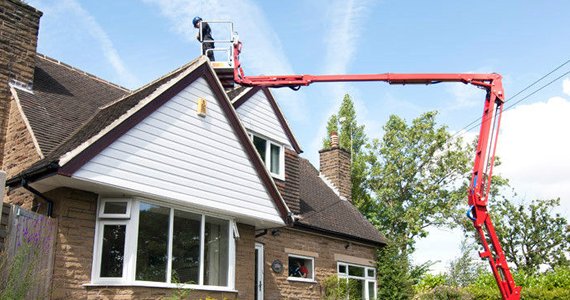
Tell us about your property — Victorian or Edwardian terrace or villa on Station Road, High Street or Hailsham Road; 1930s character house on Burwash Road; older property in Old Heathfield or Waldron; rural farmhouse in Cross-in-Hand or Broad Oak. We give you an exact price from £195 immediately over the phone. No forms, no waiting.
Our specialist assesses every element with Heathfield’s specific conditions in mind — Welsh slate or clay plain tile pitch condition and ridge mortar on Victorian stock, sandstone chimney spalling and pointing depth on older masonry, tile-hung panel integrity by aspect (north vs south-west exposure on the ridge), lead valley condition, Wadhurst Clay movement effects on extension junctions, and flat roof additions on Victorian rear outriggers.
Full written report with photographs, condition ratings, estimated remaining lifespan, and a prioritised maintenance plan with budget figures. For older properties in Old Heathfield and the surrounding villages: traditional material specifications. For buyers: costed repair schedules to support negotiation at TN21 property prices of £300K to £2M+.
Heathfield (known locally as “Heffle”) is a market town sitting at approximately 180 metres above sea level on a High Weald ridge with panoramic views south across the Weald to the South Downs and the coast. The town’s High Street has hosted a market since Henry III granted market rights to the Bishop of Chichester in 1234 — and the Heffle Cuckoo Fair, held each April since medieval times, was a tradition of releasing the first cuckoo of spring at the fair, giving its name to the railway line that transformed the town six centuries later.
That transformation came in 1880 when the Cuckoo Line — the branch railway from Eridge to Polegate — opened its station at Heathfield. The line was built through a 243-metre tunnel under Tilsmore Corner, and the rapid Victorian and Edwardian development that followed gave Heathfield its current town centre character: Victorian terraces and villas on Station Road, High Street, Hailsham Road, Mutton Hall Hill, Tower Road, and Burwash Road; the State Hall on Station Road built 1897; inter-war shops on the High Street. When the Cuckoo Line closed in 1968 — it was never a financial success — the trackbed became the Cuckoo Trail, now part of the National Cycle Network. The town centre very much resembles its Victorian appearance today.
A mile to the south, Old Heathfield preserves the medieval settlement: All Saints Church, Heathfield Park mansion (17th century, with its Gibraltar Tower built by General Eliott after the Great Siege of Gibraltar), and older farmhouses and cottages that predate the railway era entirely. Jack Cade, the rebel leader who features in Shakespeare’s Henry VI Part II, was killed at Heathfield in 1450. The parish covers Cross-in-Hand, Broad Oak, Punnetts Town, Waldron, and Five Ashes — a rural catchment of over 11,000 people across approximately 125 square miles of High Weald AONB countryside.
Victorian Cuckoo Line-era pitched roofs: The terraces and villas built rapidly after 1880 — now 130–145 years old — carry Welsh slate or clay plain tile pitched roofs that are at or approaching end-of-life. Heathfield’s ridge position at 180m means these roofs have experienced 140+ years of genuine exposure, not sheltered valley conditions: ridge mortar washes out faster, tile nibs corrode faster from freeze-thaw cycling, and lead valley liners fatigue more rapidly than equivalent-age roofs in Horam or the Cuckmere Valley below. Standard surveys assess these from ground level and typically describe them as “age-appropriate.” A specialist survey gets close enough to assess actual mortar condition, individual tile nib integrity, and lead valley liner status.
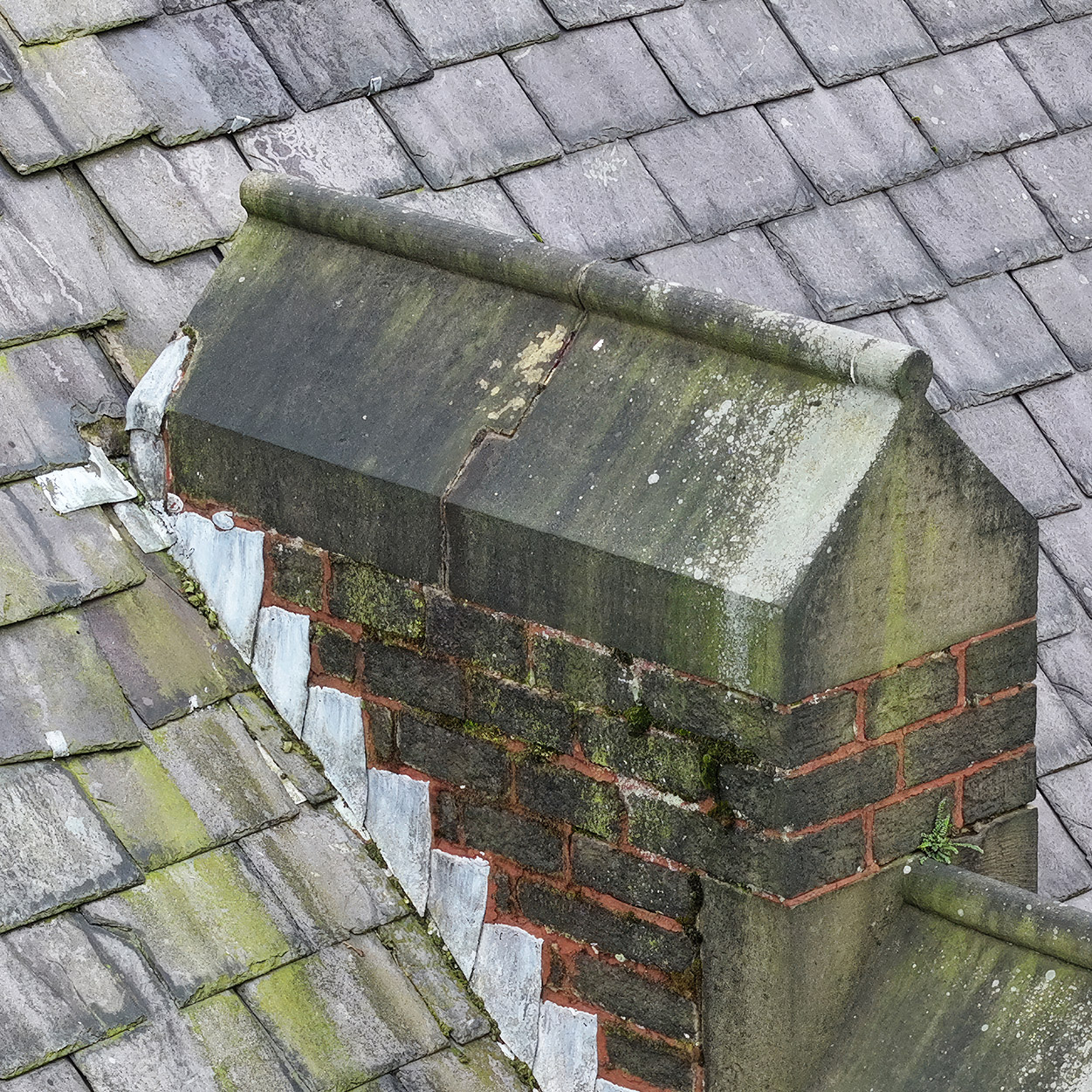
Sandstone chimney stacks — spalling and pointing: The High Weald beneath Heathfield is built on Hastings Beds sandstone — the same porous Cretaceous sandstone that underlies Hastings town and that has been losing sections to erosion since medieval times. In older properties around Old Heathfield, Heathfield Park, and the rural lanes of the parish, sandstone was used in chimney stacks, wall copings, and gable end copings. This stone absorbs water readily; when that water freezes, it expands and spalls the surface. At ridge height, freeze-thaw cycling happens more frequently and with greater temperature differential than at valley level. The result — progressively spalling sandstone courses in chimney stacks — is a source of moisture ingress that standard surveys rarely identify precisely because the spalling is not visible from ground level.
Tile-hung upper storeys: Many Heathfield Edwardian and inter-war properties carry tile-hung upper storeys — clay plain tiles hung on battens as weatherproofing for the upper walls, in the classic Sussex vernacular tradition. On the High Weald ridge, the aspect of these panels matters acutely: south-west and west-facing panels face the full force of prevailing weather systems, while north and north-east facing panels sit in shade and moisture. Panels on different elevations of the same house can be in very different conditions. Assessment that looks only at the roof covering and not the tile-hung panels misses a significant moisture entry route at first-floor ceiling level.
Wadhurst Clay movement and extension junctions: Beneath the sandstone ridges, Heathfield sits on alternating layers of Wadhurst Clay — a shrink-swell clay that contracts in dry summers and expands in wet winters. Victorian properties have experienced 140+ cycles of this seasonal movement. The highest-risk points are chimney stacks (differential movement between stack and main roof structure) and junctions between original Victorian roof sections and later extensions — typically a lead flashing or cement fillet between the main house and a 1950s–80s rear addition — where different parts of the property may sit on different underlying materials and move differently with the seasons.
Nearby Areas: We cover Hailsham, Mayfield, Groombridge, Uckfield, and throughout the High Weald and Wealden District.


Heathfield’s Victorian Cuckoo Line-era properties — Welsh slate and clay plain tile pitched roofs, sandstone chimney stacks, tile-hung upper storeys, lead valley liners — are now 130–145 years old and sit at 180m on the High Weald ridge, exposed to weather conditions that accelerate deterioration beyond what standard surveys account for. We have direct experience of every era of Heathfield property: Victorian town centre stock, Edwardian villas, 1930s inter-war character houses, the rural farmhouses and cottages of Old Heathfield and the surrounding parish villages, and the modern developments across TN21.
A couple purchased a five-bedroom Edwardian detached house on Hailsham Road in Heathfield for £498,000. The property dated from approximately 1903 — tile-hung upper storey, Welsh slate main pitch, two chimney stacks (one brick, one partly in local Hastings Beds sandstone on the older end of the house), and a single-storey rear kitchen addition from the 1970s with a felt flat roof. The homebuyer survey described the main roof as “condition consistent with age; specialist inspection of chimney stacks and flat roof addition recommended prior to exchange.” The buyers noted the recommendation, received a quote for a specialist inspection of £195, and decided to proceed without one given the busy timeline.
Year one, first winter: A damp patch appears on the bedroom ceiling at the rear of the house. A local builder climbs the flat roof addition, finds a crack in the felt upstand, applies bituminous sealant. Cost: £180. The damp patch dries out.
Year two, October: Damp patch returns, slightly larger, and a new smaller patch appears on the front bedroom ceiling adjacent to the sandstone chimney stack. A roofer re-examines the flat roof and applies fresh sealant. He also looks at the chimney stack from the top of his ladder and suggests “the pointing could do with refreshing.” He repoints the visible joint at the base of the lead flashing where it meets the chimney. Cost: £340. The patches dry out in summer.
Year three, February — sustained cold and wet period: Both damp patches return simultaneously, now with tide marks suggesting they have been wet and drying repeatedly. The front bedroom patch has spread to cover approximately 0.6m² of ceiling and there is a musty smell in the room. A specialist is called. His findings on the sandstone chimney: the Hastings Beds sandstone courses on the north-west face of the stack have been frost-spalling for at least three winters. Surface spalling has exposed the interior of the stack to direct water penetration. Three sandstone courses on the NW face have lost surface integrity to a depth of 12–18mm. Water has been tracking down inside the stack void and entering the roof structure at the base. Additionally, the pointing resin applied to the lead flashing junction was cosmetic only — the original pointing behind it had eroded to 20mm depth, maintaining an open channel for water ingress that the surface sealant had not reached.
On the flat roof: the bituminous sealant applications had masked but not resolved the underlying problem — the felt membrane was original 1970s installation, approximately 50 years old, with three separate splits along the main fall and a failed upstand junction at the parapet wall. The rear damp patch had multiple simultaneous causes.
Full remediation costs: scaffold to sandstone chimney stack, carefully cut out and replace three sandstone courses with matching stone, rebuild with lime mortar, replace lead flashing and re-dress correctly: £4,800–£6,200. Strip and relay flat roof in new 3-layer built-up felt, rebuild upstand, clear parapet wall joints: £3,200–£4,500. Internal decoration to both affected ceilings and bedroom walls: £1,400–£2,000. Total: £9,400–£12,700.
What a £195 Roof Survey Heathfield specialist would have identified at purchase: “Sandstone chimney stack (NW face): Hastings Beds sandstone courses showing early frost-spalling on the exposed north-west elevation — consistent with ridge-level freeze-thaw cycling. Estimated 2–3 active courses. This is the primary moisture ingress risk on the property and requires attention before the next winter. Budget £4,000–£6,000. Lead flashing junction: pointing eroded to approximately 18–20mm behind the visible surface — recommend full replacement of pointing and flashing redress. Flat roof addition: original 1970s felt at end of service life — renewal required within 12 months, budget £3,000–£4,500. Tile-hung north-east panel: biological growth, approximately 20% of tiles showing nib corrosion — proactive maintenance within 2–3 years.”
The Heathfield Pattern: Hastings Beds sandstone chimney stacks at ridge height are assessed from ground level in standard surveys and typically noted as “requires repointing.” This gives no information about whether frost-spalling is present or whether pointing erosion behind any surface work is creating an active water channel. At 180m on the High Weald ridge, these conditions develop faster than at valley level. A £195 specialist survey provides the close-access assessment that distinguishes cosmetic maintenance from active structural failure.
Heathfield roof surveys start from £195. At TN21 property values of £400K–£900K+ for Victorian and Edwardian stock, a £195 specialist survey that identifies £9,000–£13,000 of hidden remediation before exchange is the most cost-effective professional fee in any property transaction. We assess Welsh slate and clay tile pitches, sandstone chimney stacks (frost-spalling and pointing depth), tile-hung panels by aspect, flat roof additions, lead valley condition, and Wadhurst Clay movement effects on all extension junctions.
Call 07833 053 749 for an exact price immediately over the phone — fixed price, no ambiguity. Detailed written report with photographs within 48 hours. For properties in Old Heathfield and the rural parish villages, traditional material specifications included as standard. Same-day service often available across TN21.
For landlords with rural Wealden portfolios: multiple-property scheduling available across TN21, TN20, TN22, and the surrounding High Weald postcodes.
Standard homebuyer surveys of Heathfield’s Victorian and Edwardian stock consistently miss sandstone chimney frost-spalling (assessed from ground level only), tile-hung panel nib failure by aspect, and flat roof addition condition. At TN21 prices of £400K–£525K for period terraces and villas, a £195 specialist survey provides the specific, costed detail to negotiate with confidence or budget accurately for year-one remediation work.
Old Heathfield and the surrounding villages — Waldron, Cross-in-Hand, Broad Oak, Punnetts Town, Five Ashes — contain some of the oldest building stock in East Sussex. Properties from the 16th and 17th centuries, with local sandstone construction, original clay plain tile or stone tile roofing, and complex historic roof structures repaired by multiple generations using different materials, require the deepest specialist knowledge. We assess historic roof structures throughout the TN21 postcode, including listed buildings and structures within the High Weald AONB.
The combination of sandstone chimneys with active frost-spalling, tile-hung panels in varying condition by aspect, ageing flat roof additions, and Wadhurst Clay movement at extension junctions creates multiple simultaneous potential water entry points in Heathfield period properties. Piecemeal investigation by individual tradesmen rarely resolves this because each looks only at their own area. A whole-system specialist survey identifies root causes rather than treating symptoms.
Heathfield’s 180m ridge position is not just a scenic asset — it is a specific roofing risk factor. Wind-driven rain hits south and south-west elevations directly from prevailing weather systems; northerly and easterly conditions hit the back and north-east faces. At ridge height, freeze-thaw cycling is more frequent and more severe than in the Cuckmere Valley or Horam below. Victorian tiles on ridge-level Heathfield properties will have experienced significantly more stress over their 130–145 year lives than the same tiles on a sheltered valley property. Assessment of remaining life must factor this in; a standard survey that applies valley-level deterioration rates to ridge-level Heathfield properties will give a meaningfully optimistic picture.
Before any significant structural project on a Heathfield period property — loft conversion, rear extension, full restoration — a pre-works survey identifies existing conditions that must be resolved before the project begins. Wet rot in rafter ends at sandstone chimney junctions, compromised sarking felt, non-standard historic repairs with mismatched materials: all are common findings in High Weald properties that have changed hands without specialist roof surveys. A survey now prevents costly mid-project discoveries.
The Heathfield Show — one of the largest agricultural shows in south-east England, held each summer — reflects the rural character of this High Weald market town and its hinterland. Many TN21 properties are rural farmhouses, barns in conversion, or agricultural buildings with complex roof structures in local sandstone and tile. We survey all property types across the TN21 postcode, from High Street Victorian terraces to remote farmhouses on the rural lanes of the Heathfield and Waldron parish.
Heathfield’s property stock reflects its history: the medieval original settlement of Old Heathfield, and the Victorian and Edwardian town that grew rapidly around the Cuckoo Line railway after 1880. The Cuckoo Line-era buildings are now 130–145 years old, sitting at 180m on the High Weald ridge with genuine wind and freeze-thaw exposure. Sandstone chimney stacks, tile-hung upper storeys, Welsh slate pitches, and lead valley liners all require close-access specialist assessment — not the ground-level view that homebuyer surveys provide. Standard surveys consistently miss the specific failure modes that matter most in Heathfield.
Heathfield sits on alternating layers of Hastings Beds sandstone and Wadhurst Clay. The sandstone is porous and frost-susceptible — it absorbs water, which freezes and expands, progressively spalling the surface. In chimney stacks built in local sandstone (particularly around Old Heathfield), this process is the primary long-term moisture ingress risk. The Wadhurst Clay underneath is a shrink-swell substrate that creates seasonal movement: dry summer contraction, wet winter expansion, over 140+ annual cycles. This movement progressively opens hairline cracks in chimney stacks and extension junctions that standard surveys note as “pointing requires attention” without assessing the depth of the underlying problem.
Yes — Old Heathfield, Waldron, Cross-in-Hand, Broad Oak, Punnetts Town, Five Ashes, Horam, and the rural farmhouses and cottages throughout the TN21 postcode. Properties in these areas often predate the Cuckoo Line-era Victorian stock and present the most complex assessment challenges: local sandstone construction, original clay plain tile or stone tile roofing, and roof structures repaired across multiple centuries. We have direct experience of High Weald rural property across the full postcode.
Heathfield roof surveys start from £195. Call 07833 053 749 for an exact quote over the phone immediately — fixed price based on your property type, no ambiguity. Most surveys take 2–3 hours on site; historic properties in Old Heathfield or rural TN21 may take longer for thorough assessment. Written report with photographs within 48 hours.
Yes — Heathfield and the surrounding parish are within the High Weald Area of Outstanding Natural Beauty. Properties in the AONB are subject to planning policies that may require traditional materials for repairs and extensions. For listed buildings and buildings within conservation areas, our survey reports specify conservation-compatible repair approaches — lime mortar, handmade clay plain tiles, natural slate — rather than modern alternatives that planning authorities may not permit.
Full TN21 postcode coverage including all Heathfield neighbourhoods and parish villages. Adjacent areas covered: Mayfield (TN20), Hailsham (BN27), Uckfield (TN22), Groombridge (TN3), and throughout the Wealden District of East Sussex.
Heathfield sits at a price point that reflects both its High Weald AONB setting and its market town character with good local amenities — more affordable than the premium Sussex villages to the south, but with a significant spread from town centre terraces to substantial rural estates. Average sold prices across TN21 run around £354K (all property types), with detached houses averaging approximately £516K (Rightmove data). Edwardian semis on Hailsham Road guide at £475K–£525K; 1930s character houses on Burwash Road at £650K–£675K; Victorian properties on the High Street and Station Road from £400K. The rural TN21 market — farmhouses, former agricultural buildings, country houses on the lanes around Old Heathfield, Waldron, and Rushlake Green — runs to £900K–£2M+.
The Cuckoo Trail — the former railway line running north to south through the parish on the old Cuckoo Line trackbed — is one of Heathfield’s most-used local amenity assets and has strengthened demand for properties near its route. The Heathfield Agricultural Show (one of the largest in south-east England) and the Heffle Cuckoo Fair (though not held since 2019) reflect the rural market town character that underpins demand across the parish. For buyers at any price point in TN21, the combination of Victorian-era material complexity, sandstone geology, ridge-level exposure, and High Weald AONB planning considerations makes a £195 specialist roof survey the clearest professional step available before exchange.
Full TN21 coverage: Heathfield town centre (Station Road, High Street, Hailsham Road, Burwash Road, Mutton Hall Hill, Tower Road), Old Heathfield, Cross-in-Hand, Waldron, Broad Oak, Punnetts Town, Five Ashes, Horam, Sandy Cross, and all rural TN21 lanes.
Mayfield • Hailsham • Uckfield • Groombridge • Battle
Whether you are buying a Victorian terrace on Station Road, maintaining an Edwardian villa on Hailsham Road, restoring an older property in Old Heathfield, or managing a rural farmhouse in Cross-in-Hand or Waldron, a specialist roof survey from £195 gives you the clarity that a standard survey cannot. Sandstone chimney frost-spalling, tile-hung panel failure by aspect, ageing flat roof additions, Wadhurst Clay movement at extension junctions — these are the specific Heathfield and High Weald challenges that matter.
Call 07833 053 749 now for an exact price immediately. Detailed written report and photographs within 48 hours. Same-day service often available across TN21.
