
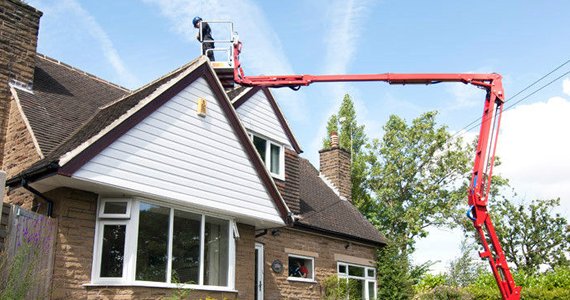
Tell us about your property — listed cottage on the High Street, timber-framed farmhouse on the surrounding lanes, tile-hung village house, or detached home in Burwash Weald or Burwash Common. We give you a fixed price on the phone from £195. No vague estimates.
Our specialist surveyor assesses every element — handmade clay peg tiles, lime mortar bedding, oak lath condition, lead valleys and flashings, massive brick chimney stacks, timber frame movement, tile-hanging, weatherboarding junctions, and ridge tiles. Typically 2-3 hours.
Full written report with photographs, condition ratings, remaining lifespan estimates, and a prioritised action list specifying traditional materials appropriate to your building's age and listed status. Conservation-sensitive recommendations, not generic modern solutions.
Burwash (pronounced “Burrish”) sits on a ridge in the High Weald, its High Street a Conservation Area where virtually every building carries listed status from English Heritage. The village grew wealthy on the medieval iron industry — granted a market charter by Henry III in 1252 — and this prosperity created the substantial timber-framed houses, sandstone merchants' dwellings, and tile-hung cottages that line the High Street today. Properties span from medieval hall houses through Jacobean sandstone mansions like the Grade I listed Bateman's (built 1634 for ironmaster John Brittan, later Rudyard Kipling's home) to the distinguished Rampyndene (1699, timber-framed merchant's house). These buildings have handmade Wealden clay peg tile roofs now 150-400+ years old. A professional roof survey Burwash assessment from £195 evaluates how these traditional systems are performing today.
The roofing tradition in Burwash is distinctly Wealden: handmade clay peg tiles hung on riven oak laths with lime mortar bedding, sitting above oak timber frames — a breathable system that allows moisture to move through the structure rather than trapping it. The massive diamond-shaped and rectangular brick chimney stacks typical of Burwash properties (some dating from the ironworking era) create complex junctions with the tile roof that require specific lead detailing. The ridge-top position along the A265 exposes properties to south-westerly winds funnelling through the Weald, while the mature oak, ash, and beech woodland surrounding the village deposits tannic leaf debris that chemically attacks lead flashings and promotes moss growth on north-facing tile slopes. Understanding how these traditional materials interact with each other and with the High Weald environment is what a specialist roof survey Burwash inspection provides.
The biggest mistake made on Burwash's listed buildings is replacing traditional materials with modern alternatives. A roofer who replaces handmade clay peg tiles with machine-made concrete tiles, or strips lime mortar bedding and replaces it with cement, changes how the entire roof system breathes. Moisture that previously evaporated through the lime mortar and clay tiles becomes trapped behind impermeable cement and concrete, causing the oak timber frame beneath to rot — exactly the opposite of what the repair intended. Our roof survey Burwash assessment identifies what the traditional system needs while respecting how it works.
For homeowners: Whether your listed cottage needs maintenance or you're concerned about damp, assessment from £195 identifies the real issue and specifies traditional materials appropriate to your building's age and grade.
For buyers: Burwash properties command High Weald premiums. Before committing, understand whether a period roof needs targeted lime mortar repointing or comprehensive tile replacement — and get realistic costs for conservation-grade materials. Assessment from £195.
Nearby Areas: We also cover Heathfield, Etchingham, Brightling, Broad Oak, and Wadhurst.
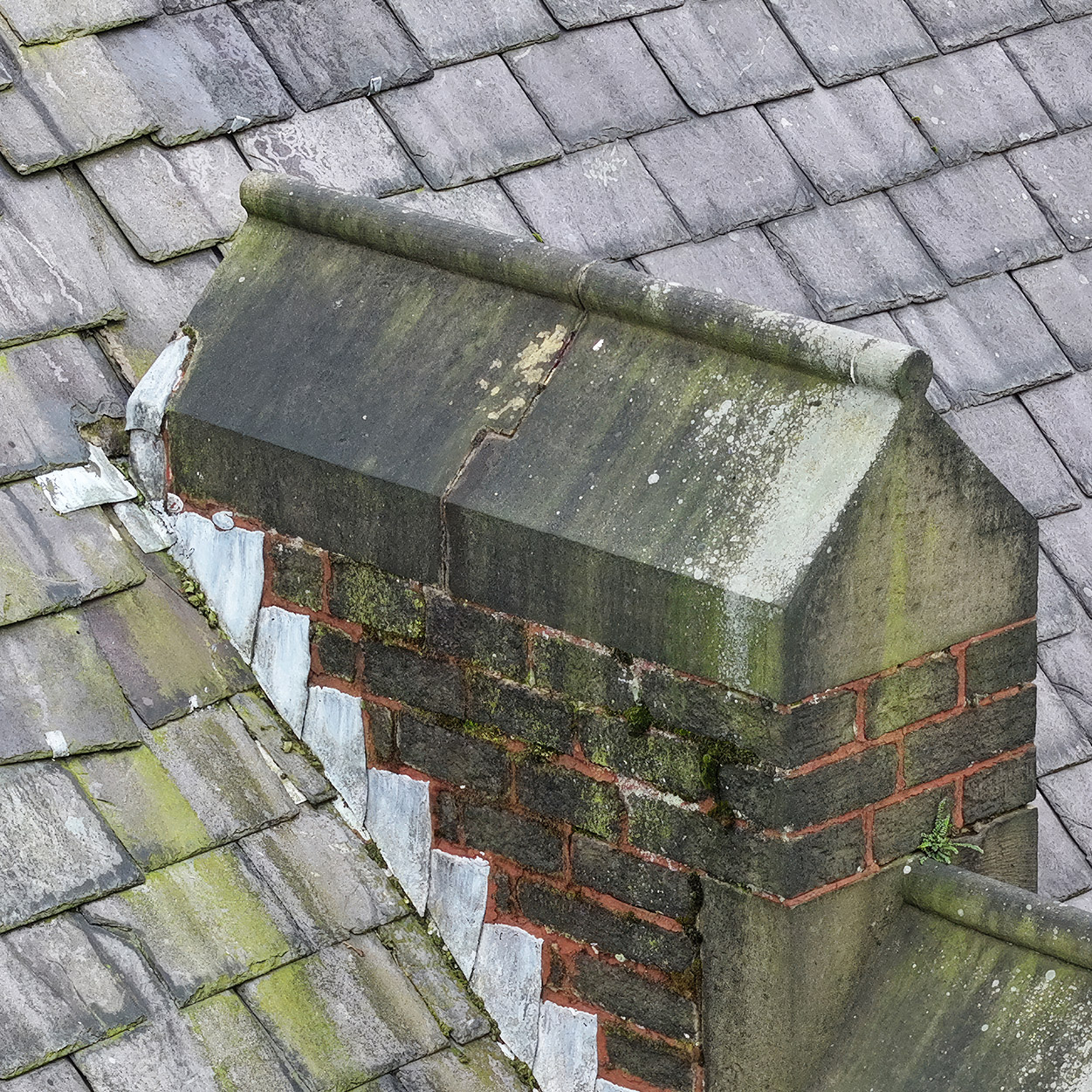
A couple purchased a Grade II listed cottage on a lane off the High Street for £725K. The property — timber-framed with handmade clay peg tile roof, lime mortar bedding, and a substantial brick chimney stack — had been well-maintained externally. The purchase survey noted “roof covering in reasonable condition for age of property.” No specialist roof survey Burwash assessment was commissioned.
Year 1: A few peg tiles had slipped after winter storms. A general roofer re-hung them and replaced three cracked tiles with machine-made equivalents for £250. He also re-bedded a section of ridge in cement mortar. Everything seemed fine.
Year 2: Damp appeared on the bedroom ceiling near the chimney stack. Investigation revealed: the cement mortar ridge bedding had created an impermeable barrier where the original lime mortar had breathed. Condensation was forming beneath the cement, saturating the oak laths. The machine-made replacement tiles — denser and less porous than the handmade originals — were also trapping moisture. Meanwhile, tannic acid from decomposing oak leaves in the valley gutter had corroded the lead lining.
Year 3: Oak lath wet rot had spread along three metres of ridge. The chimney stack — four diamond-shaped brick stacks typical of Burwash's ironworking era — had lime mortar joints eroding at different rates, with one flue showing 15mm displacement. The previous cement ridge bedding had masked ongoing movement. Full traditional repair: handmade peg tile replacement to match, lime mortar ridge re-bed, oak lath replacement, chimney stack lime repointing and flashing renewal, valley lead replacement: £22,000-£28,000.
What a £195 Professional Roof Survey Would Have Shown: “This listed cottage has handmade clay peg tiles on riven oak laths with lime mortar bedding — a traditional breathable system that must not be compromised with cement or machine-made tiles. Ridge lime mortar is 70% eroded and needs traditional lime re-bedding (£2,800). Valley lead shows tannic acid thinning from adjacent oak canopy (£1,800 replacement with tree management). Chimney stack shows differential mortar erosion with one flue displaced 8mm — lime repoint entire stack (£3,200). Total planned: £7,800-£9,500 using correct traditional materials.”
The Lesson: Burwash's listed buildings require traditional materials and methods. Modern repairs that seem cheaper often cause far more expensive damage by disrupting how the original system breathes. A £195 professional roof survey identifies what's needed and — critically — specifies the correct traditional approach.


Professional roof surveys for Burwash's listed and period buildings demand expertise in traditional construction — handmade clay peg tiles, riven oak laths, lime mortar bedding, hand-dressed lead flashings, and the massive brick chimney stacks that characterise the village's ironworking heritage. We combine RICS-registered qualifications with specific knowledge of how these breathable traditional systems work, how the High Weald environment affects them, and what conservation-grade materials are appropriate for each building's age and listed status.
For Burwash's listed and period buildings, a £195 professional roof survey isn't an expense — it's protection against inappropriate repairs that cost far more to correct. We assess traditional clay peg tile condition, lime mortar integrity, oak lath and timber frame health, lead flashings, and chimney stacks — specifying the correct traditional materials and methods for each building's age and listed status.
We provide exact quotes when you call — standard surveys from £195. Larger listed buildings and period farmhouses priced on complexity. No surprises.
Burwash's period buildings use handmade clay peg tiles on oak laths with lime mortar — materials that allow moisture to pass through the structure. Replacing any component with impermeable modern alternatives (cement mortar, concrete tiles, plastic membranes) traps moisture inside, causing the oak timber frame to rot. Our surveys assess the whole system and specify only appropriate traditional materials.
All Burwash including the High Street, Burwash Weald, Burwash Common, surrounding lanes, and all TN19 postcodes. Also Heathfield, Etchingham, Brightling, and Wadhurst.
Listed cottages typically 2-3 hours. Larger period properties and farmhouses may require 3-4 hours. Detailed report with photographs within 48 hours including traditional material specifications.
Surveys start from £195. Larger listed buildings priced individually. Call 07833 053 749 for an immediate exact quote.
Burwash High Street, Burwash Weald, Burwash Common, Bateman's Lane, surrounding rural lanes and farmhouses
Heathfield, Etchingham, Brightling, Broad Oak, Wadhurst
TN19 (Burwash), TN21 (Heathfield area)
Whether you own a listed cottage on the High Street, a timber-framed farmhouse in Burwash Weald, or a tile-hung village house near St Bartholomew's, professional roof survey Burwash assessment from £195 tells you exactly what condition your traditional roof is in, what maintenance it needs, and — crucially — specifies the correct traditional materials and methods. In a village where inappropriate modern repairs cause more damage than they fix, that specialist knowledge is essential.
Call 07833 053 749 now for an immediate quote. Roof survey Burwash from £195. Detailed report within 48 hours.
