
Call 07833 053 749 or request a free quote online. We confirm your appointment and fixed price of £195 — no hidden extras.
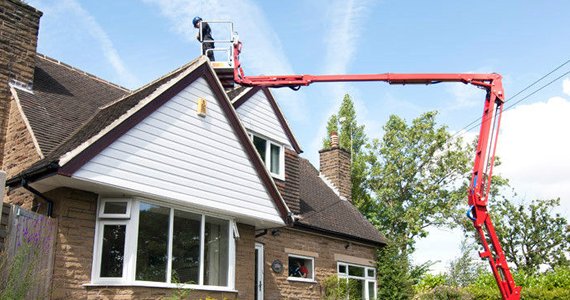
We inspect every roof element — tiles, flashings, gutters, chimneys, flat sections and junctions — and photograph all findings on the day.
You receive a clear, photo-supported written report with condition ratings and repair priorities. No sales pitch — just an honest £195 assessment you can act on.


Horam is a classic Wealden railway village — a hamlet that barely existed before the Cuckoo Line arrived in 1880, then grew rapidly around its station and the Express Dairies depot. The village that emerged across the late Victorian and Edwardian eras left a housing stock that is now 115–145 years old, sitting on Wadhurst Clay and Hastings Beds sandstone — a combination that creates specific, predictable roof failure patterns most standard surveys completely miss.
We've surveyed dozens of Horam and Wealden High Weald properties and understand what goes wrong on this stock — where sandstone chimney erosion, failed extension junctions, and Wadhurst Clay movement intersect in ways that catch buyers and homeowners off-guard. Our roof surveys cost £195 and give you a clear, honest picture of what you're buying or maintaining.
Horam was barely more than a hamlet called "Horeham" until the Cuckoo Line railway cut through in 1880 on its route from Polegate to Eridge. The station — originally "Horeham Road for Waldron" — transformed the settlement overnight. The Express Dairies built their main local depot here, using the line to ship milk northwards; at its peak this was the dominant freight traffic on the entire branch.
The village grew up along the A267 (the Tunbridge Wells–Eastbourne road) and in the lanes off it — Horebeech Lane, Little London Road, Waldron Road. The station site was later cleared for a 1990s housing estate; a section of the southbound platform still survives. The line itself became the Cuckoo Trail after closure in 1968 under the Beeching Axe, now a popular walking and cycling route from Heathfield through Horam, Hailsham and Polegate to Eastbourne.
The parish name Vines Cross — one of the three settlements in the parish — comes from John Vyne, a local vintner recorded in 1595. Horam's other industrial chapter is the Merrydown Cider and Wine Company, founded at Horam Manor in 1946 by Jack Ward, John Kelland-Knight and Ian Howie. Each put up £100 to start the business; within a decade Merrydown was a national brand, with 130 people employed at its peak. Production moved off-site in 2004 and the manor complex was redeveloped.
Today Horam is a self-contained village of around 3,000 people — butcher, pharmacy, post office, Co-op, golf club at Horam Park, and direct access to the Cuckoo Trail. Three miles north lies Heathfield (Waitrose, wider retail); Eastbourne is 15 miles south, Tunbridge Wells 17 miles north.
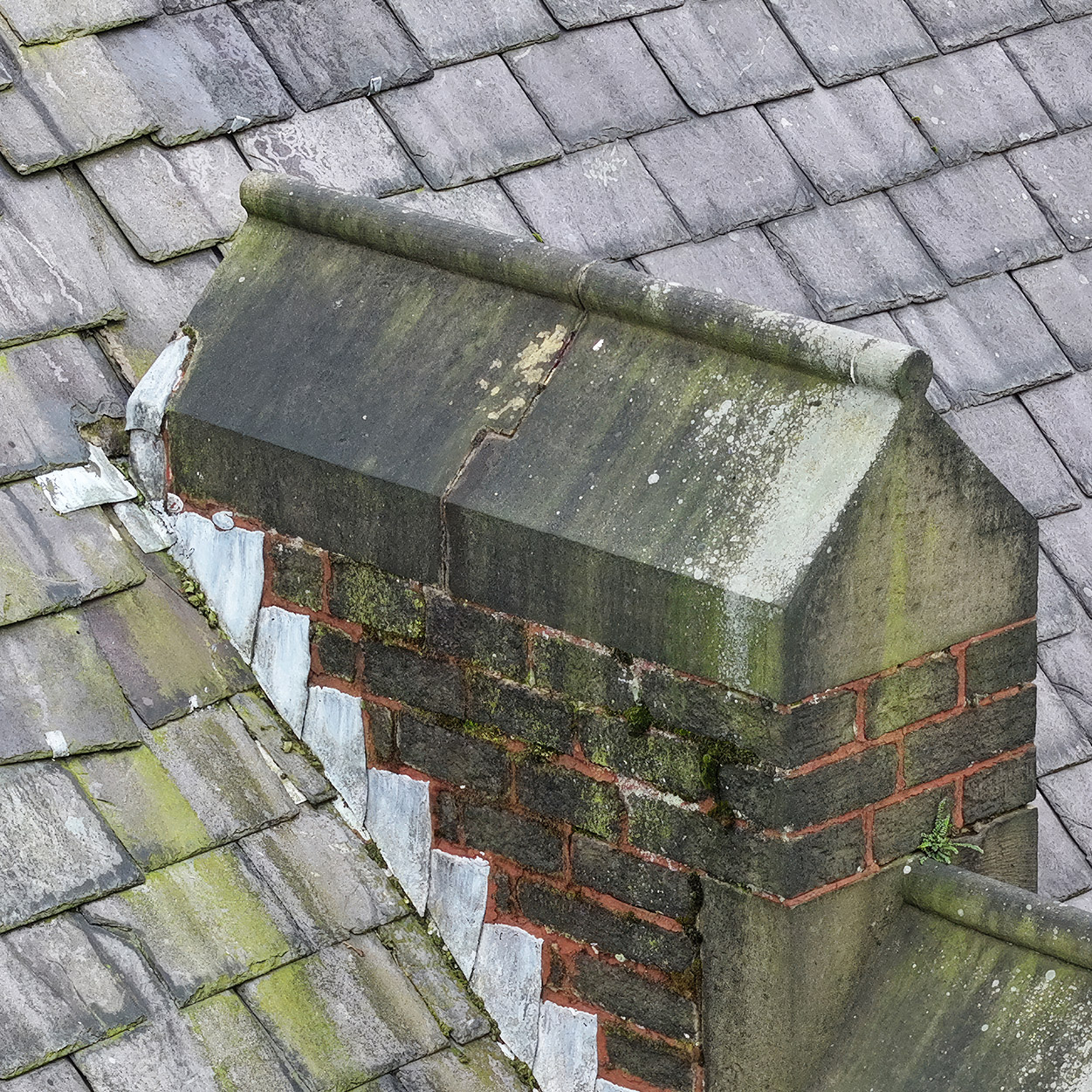
1. Sandstone chimney frost-spalling on railway-era stock. Horam sits on Hastings Beds sandstone — the same porous formation underlying Hastings Castle. Victorian and Edwardian chimneys were built from this locally-quarried stone and bonded with lime mortar. Sandstone absorbs water readily; winter freeze-thaw cycles spall the surface, often eroding 15–20mm from exposed faces before the damage is visible at eaves level. Repointing with hard cement (a common 1970s–90s "repair") seals the face but traps moisture behind, accelerating internal breakdown. This is the single most common missed defect on Horam's older properties.
2. Late Victorian and Edwardian pitch and ridge mortar failure. Cuckoo Line-era properties on Station Road, the A267 corridor and Waldron Road are now 115–145 years old. Clay ridge tiles bedded in lime mortar have had 130+ freeze-thaw cycles. Mortar cracks, ridge tiles rock, and water tracks into the roof void — typically showing as damp patches in ceilings only after sustained rain. A standard homebuyer survey rarely inspects above eaves level and routinely misses this.
3. Wadhurst Clay extension junctions. Horam sits on Wadhurst Clay — a highly shrink-swell formation. Properties extended in the 1970s–90s (the peak era for rear and side extensions) have had 30–50 years of seasonal clay movement working on the junction between original structure and extension. Lead or mastic flashing at these junctions periodically opens and re-seals; over time the mastic fails completely while the lead fatigues. Water ingress at extension junctions is the most common complaint from Horam property owners — and the most frequently underpriced by contractors because the full extent only shows in the roof void.
4. Flat roof sections on Merrydown-era postwar stock. Much of the postwar residential development around the Merrydown site and along Grange Close used concrete interlocking tiles on pitched sections and felt flat roofs on garage and kitchen extensions. Felt laid in the 1970s–80s is now at or beyond its design life of 20–25 years. Blistering, crazing and open lap joints are standard findings — but are often invisible from the garden and missed entirely by homebuyer surveys.
A buyer commissioned us ahead of exchange on a four-bedroom Edwardian semi-detached on Waldron Road, marketed at £465,000. The homebuyer survey noted "some ridge mortar deterioration" and suggested monitoring.
Our survey found: sandstone chimney stack (NW face) with 18mm frost-spalling and cement skin masking internal breakdown; ridge mortar failed on 60% of the north-facing run with two loose ridge tiles; a 1980s flat-roofed kitchen extension with felt beyond serviceable life and open lap joint at the abutment; and a mastic extension junction at the rear addition that had failed completely, allowing water ingress behind the bedroom wall.
Remediation estimate: £8,800–£11,500. The buyer used the report to renegotiate £7,500 off the asking price and proceeded with a clear schedule of works. The homebuyer survey had flagged none of the four defects as requiring immediate action.
Survey cost: £195. Saving identified: £7,500 off purchase price plus avoided emergency repair costs.
Our roof survey costs £195 for Horam properties. This is a fixed price covering full inspection of all roof elements — tiles, flashings, gutters, chimneys and flat sections — with a photo-supported written report delivered after the visit.
On Victorian and Edwardian stock: sandstone chimney frost-spalling and ridge mortar failure are the most frequent missed defects. On postwar properties: failed flat roof sections and perished extension junctions. On all ages of Horam property, Wadhurst Clay movement at extension abutments is a consistent issue.
Usually not. A homebuyer survey is a visual walk-through and rarely involves close inspection above eaves level. Sandstone chimney erosion behind a cement skin, ridge mortar failure on the back slope, and flat roof lap joint failures are routinely missed. Our roof surveys are specifically focused on the roof and use close inspection at every accessible element.
Yes — in Horam and across the High Weald, Wadhurst Clay shrinks in dry summers and swells in wet winters. This movement stresses extension junctions and flat roof abutments progressively over decades. Properties with 1970s–90s additions typically show this most clearly, but any structure on clay will be affected over time.
Yes — we cover the entire Horam parish including Vines Cross, Burlow and properties along all the rural lanes in TN21. We also cover Heathfield, Hailsham, Herstmonceux and the wider Wealden area.
We aim to survey within 5–7 working days of booking for Horam. Call 07833 053 749 to confirm availability and fix a date. The written report is delivered promptly after the inspection.
Horam Centre: A267 corridor, Station Road area, High Street
Vines Cross & Burlow: Rural parish settlements
Horebeech Lane: Victorian and Edwardian cottages
Grange Close area: 1970s–90s residential development
Postcode: TN21
Heathfield • Hailsham • Herstmonceux • Mayfield • Hellingly • Waldron
A roof survey in Horam costs £195. That covers a full inspection of the entire roof — tiles, slates, ridge, flashings, gutters, downpipes, chimneys, and any flat roof or extension sections — with a photo-supported written report detailing condition ratings and repair priorities.
We are independent surveyors with no contractor relationship and no interest in selling you repairs. Our job is to give you an honest, accurate picture of the roof — whether you're buying a Cuckoo Line-era cottage on Horebeech Lane, maintaining a Waldron Road Edwardian semi, or managing a rental in Vines Cross.
On a £195 survey, buyers routinely identify defects worth thousands in renegotiation. Call 07833 053 749 for availability and a fixed quote.
Don't let sandstone chimney erosion, ridge mortar failure or a perished flat roof go undetected. A £195 survey gives you a complete, independent picture of your roof — before you buy, sell, or maintain.
Call 07833 053 749 to book or request a free quote. We cover Horam, Vines Cross, Burlow and the wider TN21 area.
