
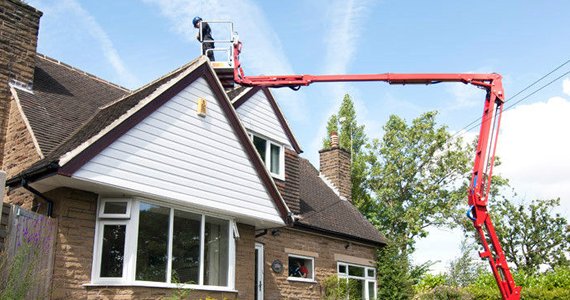
Tell us about your property — Victorian terrace near the Market Square, 1960s semi in Anglesey Avenue, bungalow in the Hawkswood area, or newer detached off Diplocks Way. Fixed price from £195. No online forms, no waiting.
Our specialist assesses every element relevant to your property era — original tile or slate condition, mortar bedding, lead flashings and chimney stacks on older homes; concrete interlocking tile condition, ridge and hip mortar, underlay degradation, and soffit ventilation on post-war properties; flat roof coverings, drainage falls, and upstand details on extensions and bungalows.
Full written report with photographs, condition ratings, remaining lifespan estimates, and a prioritised action list with budget figures. Clear recommendations on what needs attention now and what can be scheduled. Delivered within 48 hours of survey.
Hailsham is East Sussex’s largest inland town, with a market charter dating to 1252 and a historic core around St Mary’s Church and the Market Square that predates most of the surrounding development by centuries. The town sits between the High Weald and the South Downs, seven miles north of Eastbourne on the A22, with the Pevensey Levels spreading out to the south-east. Its 8,500 homes and 20,000 residents represent a town that grew rapidly after the Second World War, and that growth history is written clearly in the roofing challenges each property era presents.
The oldest residential properties — the Victorian and Edwardian houses and terraces around the High Street, South Road, and the town centre — were built 1860s to 1910s with natural Welsh or Cornish slate and clay plain tiles on steep pitches. These roofs are now 110-160 years old. The slate is often original, with individual slates cracking and nail fatigue causing slippage. The lead flashings around chimney stacks have typically been repaired multiple times. A £195 roof survey on a Victorian Hailsham property gives you a clear picture of how much original material remains serviceable and what the real maintenance budget looks like.
The post-war expansion — the semis and bungalows built through the 1950s, 1960s, and 1970s across areas like Anglesey Avenue, Upper Horsebridge, Lansdowne Drive, and the roads off Battle Road — used concrete interlocking tiles and early synthetic underlays. Concrete tiles from this era are now 50-70 years old: their surface coating has often eroded, leaving the porous concrete beneath susceptible to frost spalling and moss growth. The original bitumen felt underlay, designed for a 15-20 year life, is typically far beyond that. On a 1960s Hailsham semi, what looks like a sound roof from the street may be held together by a degraded underlay that no longer keeps water out if a tile shifts.
Hailsham has a notable stock of bungalows, many built 1960s-1980s with low-pitch concrete tile roofs and flat or near-flat garage and extension sections. Low-pitch roofs drain more slowly, accumulate more moss, and put greater demands on underlay condition than steep-pitch roofs. Flat sections above garages and rear extensions are often in EPDM, felt, or asphalt of varying ages. Our surveys assess both pitched and flat elements together, identifying the interaction points where water from a failing flat section can travel to affect the adjacent pitched roof timbers.
For buyers: Before committing £280K–£500K+ on a Hailsham property, a £195 roof survey reveals whether those concrete tiles are 10 years from needing replacement or already failing — information that materially affects your offer and maintenance budget.
For homeowners: If your Hailsham roof is 20+ years old and has never been professionally assessed, a £195 survey tells you exactly where you stand — saving you from expensive emergency repairs when problems that were developing slowly finally become visible leaks.
Nearby Areas: We also cover Hellingly, Herstmonceux, Heathfield, Polegate, and Eastbourne.
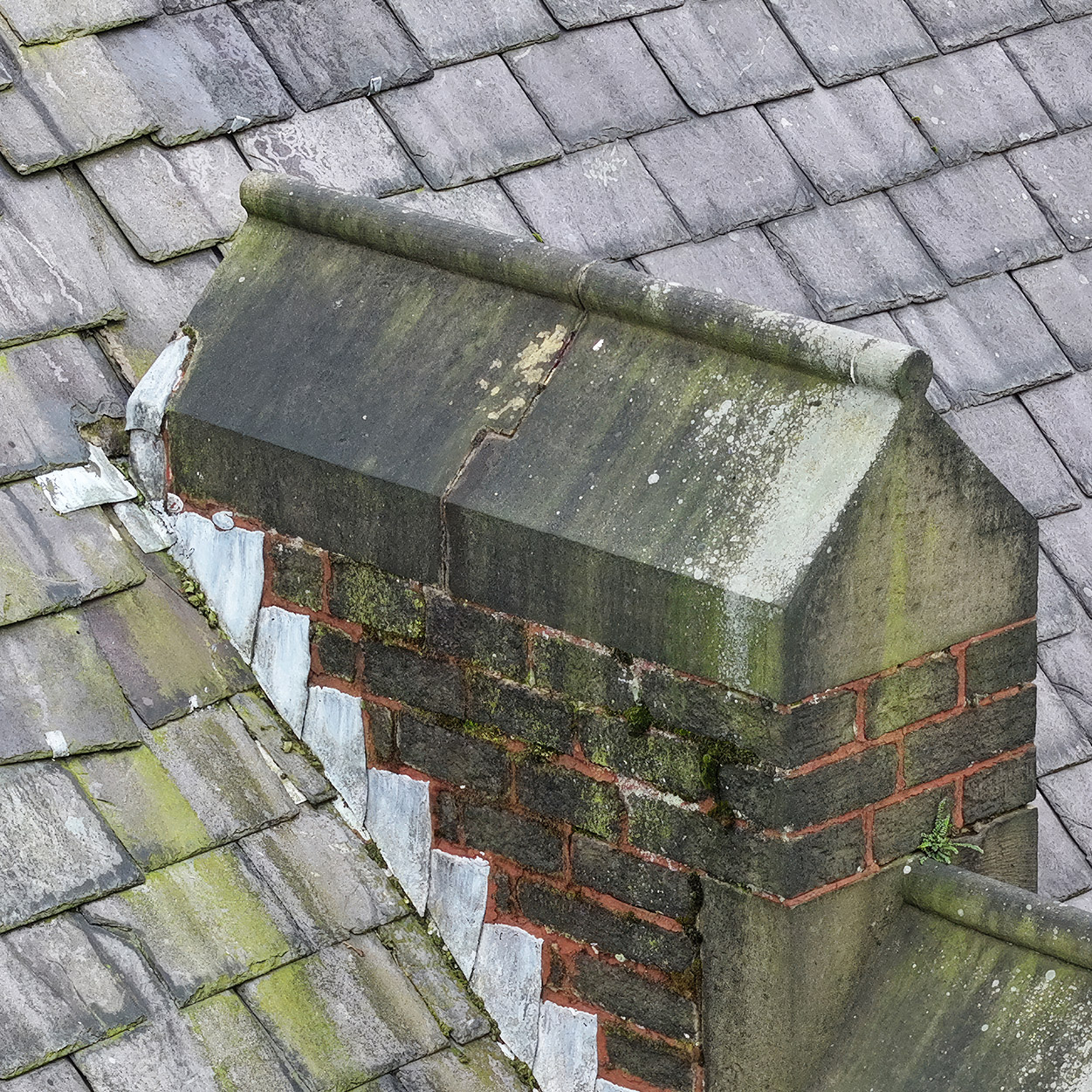
A family bought a three-bedroom 1971 semi-detached house off Battle Road, Hailsham for £312,000. Concrete interlocking tile roof, detached garage with a felt flat roof, UPVC fascias replaced in the early 2000s. The mortgage surveyor noted “roof covering in satisfactory condition, recommend periodic maintenance.” No specialist roof survey was commissioned.
Year 1 (winter): Damp patch appears in the front bedroom ceiling after heavy rain. A local roofer inspects and replaces two cracked tiles and applies moss treatment to the whole roof. Cost: £350. Problem appears resolved until the following November.
Year 2: Damp returns in the same location and a second patch appears in the rear bedroom. The roofer re-beds a section of ridge tiles and reseals the chimney flashing with mastic. Cost: £480. During the work he notes the felt underlay “looks a bit tired in places” but says it should be fine for now.
Year 3: A cold snap in January causes three tiles to crack (frost spalling — the concrete has absorbed water and the surface layer fractures when that water freezes). The homeowner calls a second roofer for a full assessment. The findings: the concrete interlocking tiles are original 1971 specification, their surface treatment has failed across approximately 70% of the roof, and the porous concrete is now holding moisture. The bitumen felt underlay is fully degraded on the north slope and has multiple dry splits. Water has been tracking down the rafters for at least two years before appearing as visible ceiling stains. Three rafters show early wet rot. The garage felt roof failed completely — the boards beneath are saturated. Full re-roof in modern concrete or clay tile with new breathable membrane underlay, three rafter repairs, garage flat roof replacement: £12,000–£16,000.
What a £195 Roof Survey Would Have Shown Before Purchase: “Concrete interlocking tiles original 1971 — surface coating failed across majority of roof, tiles now highly porous and frost-vulnerable. Bitumen underlay degraded on north slope, multiple splits identified. Garage felt roof at end of life with board saturation. Recommend full re-roof and garage flat roof replacement within 12–18 months. Budget £11,000–£14,000.”
The Lesson: Hailsham’s large stock of 1960s–70s properties with original concrete tile roofs represents exactly this risk. The tiles look intact from the street — they hold their shape even when the surface coating has gone. Only a specialist assessment measuring porosity, underlay condition, and mortar bedding reveals the true picture. A £195 survey before purchase could have led to a price reduction covering the entire re-roof cost.


Professional roof surveys in Hailsham require understanding of three distinct property eras: the Victorian and Edwardian slate-roofed town-centre properties around St Mary’s and the High Street; the post-war concrete tile semis and bungalows that make up the majority of the town’s housing stock; and the newer estates and infill developments of the 1990s and 2000s. We combine RICS-registered qualifications with specialist knowledge of each era’s specific failure patterns — from nail fatigue in Welsh slate to surface erosion in 1970s concrete tiles to membrane degradation in flat-roof bungalow extensions. Roof survey Hailsham from £195. Call 07833 053 749.
Roof surveys for Hailsham properties start from £195. Whether you own a Victorian terrace near St Mary’s, a 1970s semi in the Anglesey Avenue area, or a bungalow on the western side of town, we give you an exact fixed price when you call — based on your property type and size, not a vague range.
In a town where post-war concrete tile roofs are now reaching the end of their natural lifespan en masse, the difference between knowing your roof’s real condition and assuming it’s fine can be £10,000-£16,000 in emergency repair costs. A £195 survey is the most cost-effective maintenance decision you can make on a Hailsham property.
Call 07833 053 749 for an exact price. Most Hailsham residential surveys from £195. Report within 48 hours. No surprises.
Hailsham’s property market offers real value compared to the coast — but many of the town’s post-war homes have original concrete tile roofs now 50-70 years old. A £195 pre-purchase roof survey tells you exactly what you’re inheriting before you exchange.
Surface erosion on concrete tiles is not purely cosmetic. Once the protective coating has gone, the porous concrete beneath absorbs water, becomes frost-vulnerable in winter, and accelerates moss growth. Our survey tells you whether your tiles are in early, middle, or late-stage degradation — and what that means for your budget over the next five years.
Water stains on bedroom ceilings are rarely where the roof is actually failing. They show where water arrives — not where it enters. Our surveys trace the entry point, which is often a failed underlay section, a perished lead flashing, or a ridge tile with crumbling mortar bedding several metres away from the visible stain.
Hailsham’s bungalow stock presents specific challenges: low-pitch roofs, integral garages with flat roof sections, and shallow eaves that limit inspection access. Our surveys assess pitched and flat elements together, including the critical junction between the two where most bungalow water ingress originates.
Before building work begins, a roof survey documents the current condition of every element being modified or built against. This protects you if disputes arise about pre-existing versus new damage during or after construction.
Documented roof condition reports satisfy insurance requirements, support service charge planning for shared properties, and provide the evidence base for prioritising maintenance spend across a Hailsham portfolio. We regularly survey for landlords managing multiple BN27 properties.
For 1960s–70s concrete tile roofs this is the most common false reassurance. The tiles hold their shape even when their surface coating has failed and the underlay beneath has degraded. The roof looks intact until a cold snap causes spalling or until water tracking through a failed underlay finally saturates a rafter and appears as a ceiling stain. By that point, structural timber repair is added to the re-roofing cost.
From £195 for standard residential properties. Call 07833 053 749 for an immediate exact quote — no ranges, no vague estimates.
All of Hailsham (BN27) plus Hellingly, Herstmonceux, Upper Dicker, Lower Dicker, Magham Down, Arlington, Polegate, Pevensey, and across the wider Wealden district.
Typically 1.5–2.5 hours on-site. Bungalows with flat roof sections may take slightly longer. Full written report with photographs within 48 hours.
Yes. Victorian Welsh and Cornish slate requires assessment of individual slate condition, nail fatigue, sarking board condition, and lead flashing integrity at chimney stacks and valleys. The repair approach — like-for-like slate replacement rather than modern tile overlaying — is different from post-war roofs, and our reports specify material-appropriate recommendations.
Completely. We survey only — we have no repair operation. Every recommendation in our reports is based purely on what your roof needs, with no financial interest in what you do with that advice.
Hailsham is East Sussex’s largest inland town and the administrative centre of the Wealden district. It offers substantially better value than coastal Eastbourne seven miles to the south — detached houses averaging around £490,000, semis around £300,000, and terraced houses under £300,000 — while sharing the same easy access to the South Downs and Pevensey Levels. The Cuckoo Trail, running on the old Polegate to Eridge railway line, passes through the town, connecting to Heathfield and southward to Polegate. The nearest mainline station is Polegate, with London Victoria in around 80 minutes.
The town’s growth history shapes its roofing challenges directly. Significant post-war development expanded the town substantially through the 1950s, 60s, and 70s, with further parcels added in the 1991 and 1993 Wealden Parishes Orders (incorporating parts of Hellingly parish including Anglesey Avenue and Lansdowne Drive). This means a large proportion of Hailsham’s housing stock was built in a narrow window — the 1960s to mid-1970s — using the same materials. Those concrete tile roofs are now ageing simultaneously across whole neighbourhoods, creating a predictable wave of replacement need. A roof survey Hailsham assessment from £195 tells you exactly where your property sits in that timeline.
Town centre (High Street, South Road, Market Square), Anglesey Avenue, Upper Horsebridge, Lansdowne Drive, Battle Road area, Hawkswood, Diplocks Way, Western Road, Ersham Road, Marshfoot Lane area
Hellingly, Herstmonceux, Heathfield, Polegate, Eastbourne
BN27 (Hailsham, Hellingly, Herstmonceux, Pevensey, Polegate area)
Whether you’re buying a 1970s semi in the Anglesey Avenue area, maintaining a Victorian terrace near the Market Square, or managing rental properties across the BN27 postcode, a professional roof survey Hailsham assessment from £195 gives you the factual picture — not guesswork, not a sales pitch. Exact condition, prioritised action list, budget figures, and a report within 48 hours.
Call 07833 053 749 now. Roof survey Hailsham from £195. Exact quote given immediately over the phone.
