
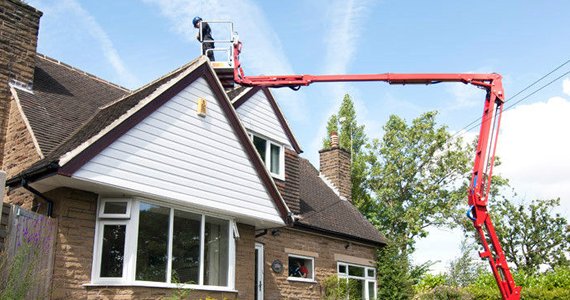
Tell us about your property — red-brick cottage near the Old Groombridge green, Victorian house in New Groombridge, family home near the station, period property towards Withyham, or house overlooking the Grom valley. Fixed price from £195.
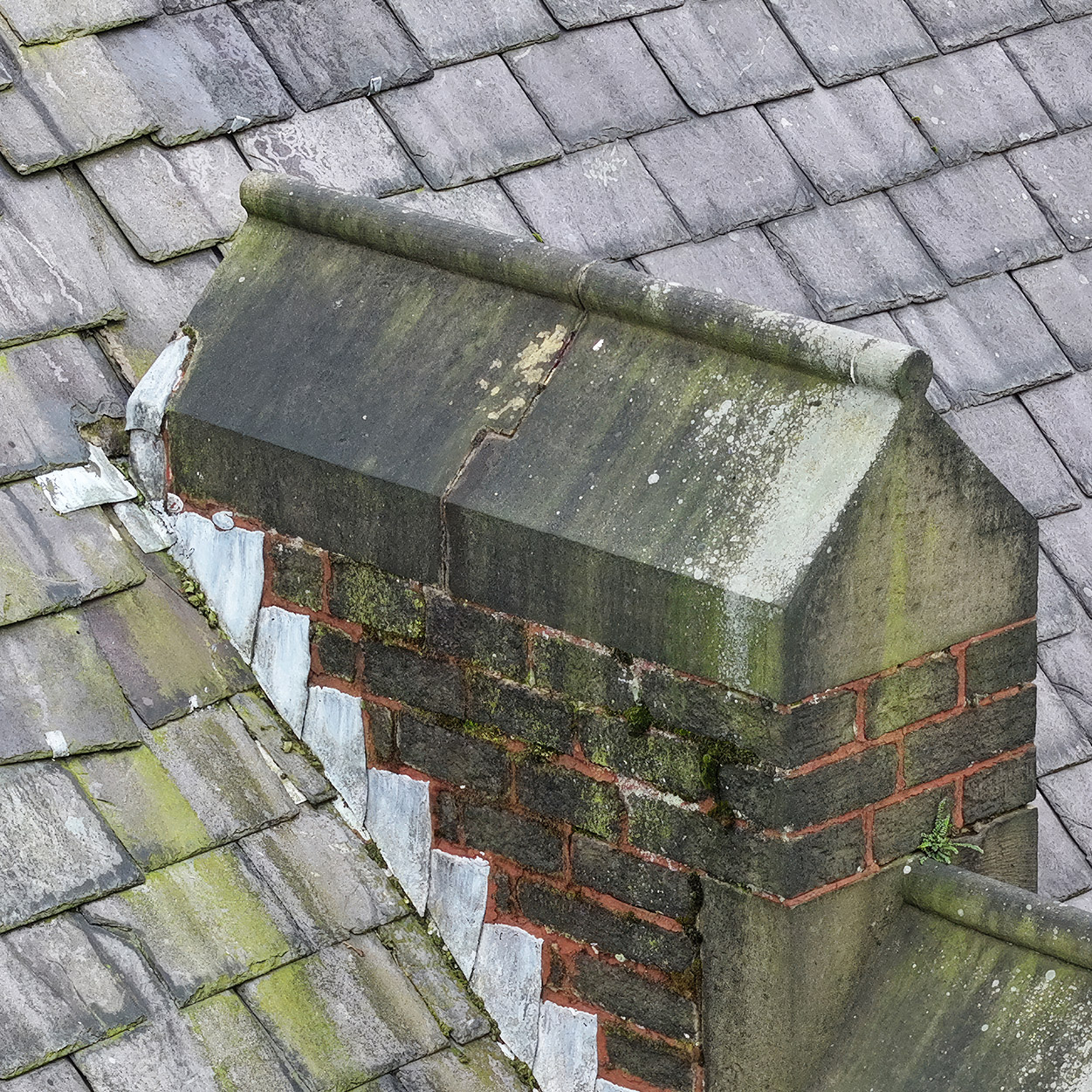
Our specialist assesses every element with High Weald conditions in mind — clay tile and slate condition, sandstone chimney weathering, lead flashings, ridge mortar, timber structure, stream-valley moisture, roof-space ventilation, biological growth from mature tree shade, and exposure assessment for your specific position.
Full written report with photographs, condition ratings, remaining lifespan estimates, and a prioritised action list with budget figures. Moisture assessment, sandstone condition analysis, and material specifications appropriate to this High Weald border village.
Groombridge is a village of approximately 1,600 people straddling the border between Kent and East Sussex, about four miles south-west of Royal Tunbridge Wells. The name derives from Groman, a Saxon chieftain who guarded the bridge across the stream now called The Grom. Old Groombridge (Kent side) has a triangular village green surrounded by attractive red-brick cottages and the Crown Inn, with Groombridge Place — a moated manor house with 700 years of history, rebuilt in 1662 by Philip Packer with Christopher Wren’s assistance and gardens designed by John Evelyn — just beyond. New Groombridge (East Sussex, Withyham parish) developed around the railway station and has the shops, primary school, and Junction Inn. Conan Doyle set his Sherlock Holmes novel The Valley of Fear at Groombridge Place, and the Keira Knightley Pride and Prejudice was filmed there. The Spa Valley Railway now connects Groombridge to Tunbridge Wells. A roof survey Groombridge assessment from £195 understands this distinctive split village.
Groombridge’s roofing challenge reflects its geography: a village built along a stream valley on Tunbridge Wells sandstone. Properties near The Grom and the lower-lying parts of the village sit on ground where the water table is kept high by the stream, creating elevated moisture that migrates into walls and roof timbers of older buildings. Properties on the higher ground above the valley face the opposite problem — exposed positions on sandstone ridges where wind-driven rain erodes chimney mortar and fatigues lead flashings. The mature trees that give both parts of the village their sheltered character also create shade that prevents roof slopes from drying, and deposit leaf debris in every valley gutter and downpipe.
Old Groombridge’s period cottages around the green are typically three to four hundred years old, built in local red brick and tile on shallow or nonexistent foundations. They have no damp-proof courses. Stream-valley moisture migrates up through their walls unchecked. New Groombridge’s Victorian and later houses sit higher but on sandstone that weathers distinctively — porous when wet, prone to frost-spalling when that moisture freezes. Chimney stacks in both parts face the same wind exposure on the higher ground. A £195 survey identifies which set of challenges your specific property faces — stream-valley moisture, sandstone weathering, tree shade, or a combination of all three.
For homeowners: A £195 roof survey reveals whether stream-valley moisture or sandstone exposure is creating hidden damage in your property.
For buyers: Before committing £400K-£1.5M+ on a Groombridge property, a £195 roof survey reveals how the High Weald’s specific conditions have affected the roof over decades — because period cottages and Victorian houses age very differently in this landscape.
Nearby Areas: We also cover Frant, Tunbridge Wells, Hartfield, Crowborough, and Forest Row.
A couple purchased a three-bedroom red-brick period cottage near the Old Groombridge green for £585K. Handmade clay tile roof, two brick chimney stacks, no garage, garden sloping gently down towards The Grom stream approximately forty metres away. The purchase survey, conducted in August, described the roof as “clay tile covering in reasonable condition for age, minor maintenance recommended.” No specialist roof survey was commissioned.
Year 1 (November): Damp patches appear on the bedroom walls at ceiling level during wet weather. Assumed to be a roof leak. Roofer checks externally — replaces three slipped tiles and repoints chimney mortar. Cost: £400. Damp reduces during dry spring.
Year 2: Damp returns in the same locations and spreads along the wall-plate line on the north side. Black mould appears in the loft. Roofer clears moss from north slope and seals chimney flashings with mastic. Cost: £550. Notes the loft “feels quite damp for a tiled roof.”
Year 3: Specialist investigation reveals: the damp is not coming from above. The cottage has no damp-proof course — typical for a building of this age. The Grom stream keeps the water table high, and ground moisture is migrating upward through the brick walls to wall plate level. Moisture meter readings at both wall plates show levels well above safe limits. The roof space humidity is elevated not because the tiles are leaking but because the walls are delivering moisture from below. Both wall plates show early wet rot. The north-slope battens, in permanent shade from a large oak next door, are softening from the combination of rising damp from below and condensation from the humid roof space above. Wall plate treatment, ventilation improvement, partial north-slope batten replacement, damp management system, oak crown reduction (subject to TPO): £8,000-£12,000.
What a £195 Roof Survey Would Have Shown Before Purchase: “This period cottage sits forty metres from The Grom stream with no damp-proof course. Moisture readings at wall plates dangerously elevated from rising damp. Roof space humidity above safe limits. North-slope battens softening from combined rising damp and condensation in shade of adjacent oak. Budget £6,000-£9,000 for wall plate treatment, ventilation improvement, and batten replacement.”
The Lesson: In Groombridge, the stream that gives the village its name also keeps the water table high. Period cottages without damp-proof courses absorb this moisture through their walls and deliver it to the roof space. A £195 survey measures the moisture that a dry August purchase survey cannot detect — because the evidence remains in the wall plates regardless of season.


Professional roof surveys in Groombridge require understanding of how the Grom stream valley creates elevated ground moisture that affects period cottages without damp-proof courses, how Tunbridge Wells sandstone weathers on exposed ridge positions, and how the mature trees that give both Old and New Groombridge their character create shade and debris conditions that accelerate roof deterioration. We combine RICS-registered qualifications with specialist knowledge of this distinctive border village where every property faces a different combination of stream moisture, sandstone weathering, and woodland shade.
From red-brick period cottages on the Old Groombridge green to Victorian houses in New Groombridge to rural properties towards Withyham, professional roof survey Groombridge assessment from £195 provides moisture-aware, position-specific intelligence. We assess stream-valley ground moisture, sandstone chimney condition, tree-shade impact, and the critical distinction between damage from above and damage from below.
Exact quotes from £195 when you call. No surprises. Most Groombridge residential surveys from £195.
The Grom stream keeps the water table elevated throughout the Old Groombridge area. Period cottages on the green, many built without damp-proof courses, absorb this ground moisture through their walls. In buildings where the moisture reaches wall plate level, it creates elevated humidity in the roof space that promotes timber decay — a problem that looks like a roof leak but originates from below.
Yes. New Groombridge sits higher, on better-drained ground, with later construction that typically includes damp-proof courses. The challenges here are sandstone weathering on exposed chimneys and the Victorian-era materials reaching their natural lifespan.
All Groombridge plus Frant, Tunbridge Wells, Crowborough, and surrounding areas.
Typically 1.5-2.5 hours on-site. Report within 48 hours.
From £195 for standard residential properties. Call 07833 053 749 for an immediate exact quote.
Considerably. Mature trees throughout Groombridge create shade that prevents north-facing roof slopes from drying, accelerating moss growth and holding moisture against tiles. Leaf debris accumulates in valley gutters. Tree roots near stream-side properties can amplify ground movement. Our surveys assess the specific tree impact on your property.
Groombridge offers High Weald village living within reach of Royal Tunbridge Wells (4 miles). The Spa Valley Railway provides heritage rail. Eridge station (mainline, Southern services to London Bridge) is nearby. Groombridge Place, Harrison’s Rocks, and Ashdown Forest provide outstanding amenity. Properties range from £350K for smaller cottages and houses to £500-800K for family homes to £800K-£1.5M+ for period cottages on the green and substantial properties with land.
At these values, a £195 roof survey Groombridge assessment is essential. Understanding whether stream-valley moisture or sandstone weathering is affecting your property could prevent a £5,000-£15,000 surprise.
Old Groombridge, New Groombridge, towards Withyham, towards Speldhurst, Grom valley properties
Frant, Tunbridge Wells, Hartfield, Crowborough, Forest Row
TN3 (Groombridge, Frant, Langton Green area)
Whether you own a period cottage on the Old Groombridge green, a Victorian house in New Groombridge, or a rural property towards Withyham, professional roof survey assessment from £195 reveals how this border village’s specific conditions are affecting your roof. The stream keeps the water table high. The sandstone weathers on exposed faces. The trees create shade and debris. A £195 survey measures all three.
Call 07833 053 749 now. Roof survey Groombridge from £195. Report within 48 hours.
