
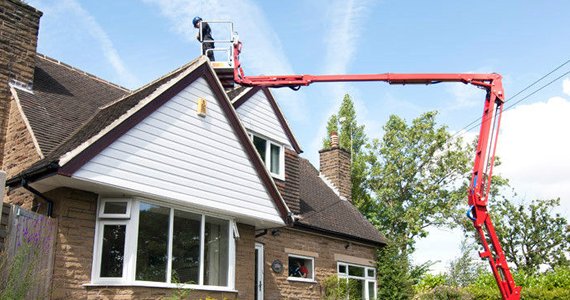
Tell us about your property — age, listing status, roof type, any concerns. We give you a fixed price on the phone. No vague estimates, no hidden fees. You know exactly what you're paying before you book.
Our specialist surveyor assesses every element of your roof on-site — covering material, structure, flashings, ridges, valleys, chimneys, gutters. Typically takes 2-3 hours. We photograph everything and explain what we find.
You receive a full written report with photographs, condition ratings, remaining lifespan estimates, and a prioritised action list. For listed buildings, we note which works will need consent. Clear answers, not surveyor jargon.
Alfriston is unlike almost anywhere else. A medieval village of 829 people in the Cuckmere Valley, conservation area since 1969, now within the South Downs National Park. Almost every property is period — 15th-century timber-framed cottages with thatch or handmade clay peg tiles, Georgian flint-walled houses with slate, Victorian villas with ornate ridgework. The roofing materials here are specialist: Horsham stone slabs, handmade Sussex peg tiles, long straw thatch, Welsh slate on lime mortar bedding. These are not materials a general surveyor knows how to assess.
The village High Street — locally called "The Street" — runs past the Star Inn with its Horsham stone roof, past flint-walled cottages on North Street, down to The Tye and St Andrew's Church. Every building has its own roofing story. A 16th-century timber-framed cottage might carry handmade clay peg tiles that have been on the roof for 200 years and still have decades left — or might be three winters from catastrophic failure where the oak pegs holding them have rotted through. You can't tell from the ground, and you can't tell without understanding the material.
Then there's the exposure. Alfriston sits in the Cuckmere Valley with the South Downs rising on both sides. Wind funnels down the valley, driving rain into every south-west facing elevation. Properties closer to the river deal with elevated moisture that accelerates timber decay and mortar deterioration. The Downs themselves create a microclimate — sheltered on calm days, punishing during storms. A roof that performs well on a protected village street might struggle on an exposed hillside plot just 200 metres away.
A standard surveyor writes "tile roof in reasonable condition for age." That's meaningless here. What you need to know: Are those handmade peg tiles sound, or have the oak pegs rotted? Is the Horsham stone properly bedded, or are slabs slipping? How many years does the thatch ridge have left? Is the lead flashing around that 17th-century chimney stack original, repaired, or failing? And critically — which of these repairs will need listed building consent?
Our Alfriston roof survey answers the questions that actually matter for period property owners. We know the difference between a handmade peg tile that's weathered beautifully and one that's delaminating. We know when Horsham stone needs re-bedding and when the structure underneath has failed. We know what conservation officers at the South Downs National Park Authority will require for listed building work. That specificity is what you're paying for.
For homeowners: Clear guidance on what your roof needs, when it needs it, and what consents you'll require. Not "plan heritage maintenance" — actual timelines, materials specifications, and budget figures that work within conservation constraints.
For listed building owners: A professional report that documents condition, identifies what requires consent, and specifies appropriate heritage materials. Essential evidence for any listed building consent application and invaluable for insurance.
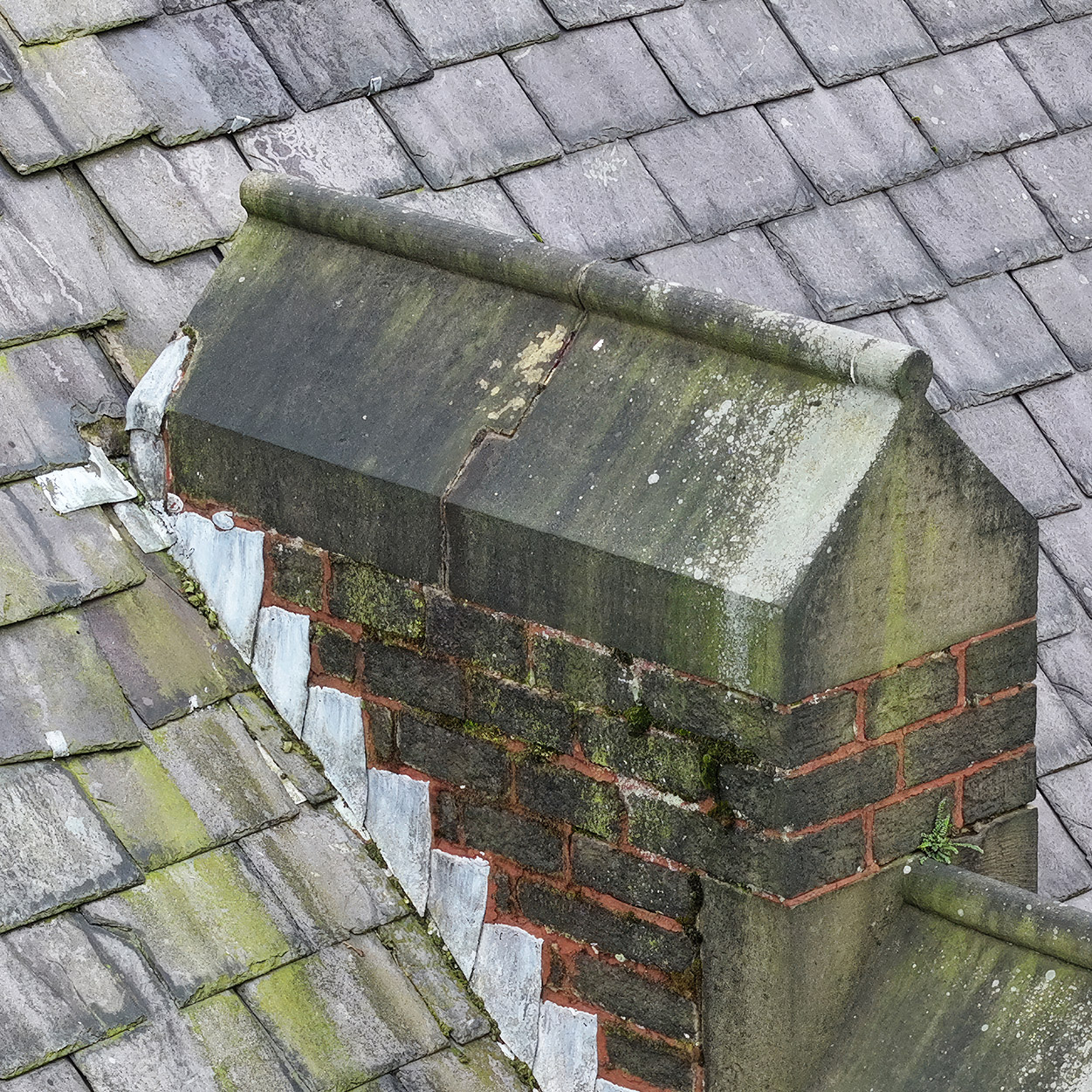
A couple bought a Grade II listed flint cottage off North Street. Beautiful 18th-century property with handmade Sussex peg tiles. The homebuyer's survey described the roof as "period tile roof, appears in keeping with the age and character of the building." They moved in delighted.
Year 1: A tile slips after autumn gales. A local roofer comes up, pushes it back into place, replaces the oak peg. £95. Easy fix. The roofer says "a few more are a bit loose but nothing urgent."
Year 2: Three tiles slip after a winter storm. Another roofer visit — he replaces pegs and re-hangs the tiles. £350. But now he notices the battens underneath are soft in places. Mentions it in passing. The owners don't follow up.
Year 3: After heavy February rain, water comes through the bedroom ceiling. Emergency call-out. The roofer lifts tiles on the rear slope and finds the softwood battens have rotted across a 3-metre section. Water has been tracking along the battens and down the rafters. Worse — because it's a listed building, they can't just strip and re-tile with any material. They need like-for-like handmade peg tiles, oak battens, and listed building consent from the South Downs National Park Authority. Repair bill: £14,200 for heritage-specification re-tiling of the rear slope with handmade peg tiles on oak battens, plus £2,800 to repair water-damaged plasterwork. Plus a four-month wait for consent.
What a Professional Roof Survey Would Have Found Before Purchase: "This Grade II listed cottage has handmade Sussex peg tiles, majority dating to the 19th century. The rear south-west slope shows multiple peg failures — approximately 15% of tiles are loose or have failed fixings. Battens accessible at the eaves show early moisture damage consistent with water tracking. Recommend listed building consent application and budget £8,000-£10,000 for rear slope re-tiling with heritage-specification materials within 12 months. North-east slope sound with 15-20 years remaining."
The Pattern in Alfriston: Listed cottages throughout the village — North Street, West Street, The High Street, Waterloo Square — carrying 19th-century peg tiles on softwood battens that are now failing. Owners patch individual tiles without realising the battens underneath have decayed. By the time water comes through, the repair is a heritage-specification job requiring consent, specialist materials, and significantly more money. Early assessment identifies the real problem while you still have time and options.


Professional roof surveys on Alfriston properties demand more than standard qualifications. We combine RICS-registered surveyor credentials with specialist experience in period roofing materials — handmade peg tiles, Horsham stone slabs, thatch, heritage slate, lime mortar bedding, and lead work on listed buildings. We understand what the South Downs National Park Authority requires for consent applications on listed buildings and conservation area properties. We know the difference between a sound peg tile that's simply weathered and one that's delaminating. That knowledge matters when every repair decision has heritage implications.
An Alfriston roof survey costs a fraction of what heritage-specification repairs cost if problems go undetected. A small cottage with a single roof plane is at the lower end. A larger period property with multiple roof types — peg tiles on one section, slate on another, flat lead on a rear addition — takes longer and costs more. We give you an exact price when you call.
What you get: a detailed written report with photographs of every issue, condition ratings for each roof element, remaining lifespan estimates, and clear guidance on what work needs doing, when, and what consents will be required. For listed buildings, we specify heritage-appropriate materials so you can get accurate quotes from specialist contractors.
In Alfriston, roof repairs on listed buildings cost significantly more than standard work because of material requirements and consent processes. Discovering problems early — before water damage compounds the issue — is the difference between a manageable repair and a major project. A roof survey is the cheapest insurance you can buy.
Homebuyer's surveys on Alfriston properties are almost useless for roof assessment. They note "period tile roof" and move on. Before you commit to a property where roof repairs require listed building consent and heritage-specification materials costing three to five times standard, you need to know exactly what condition that roof is in. Our survey gives you the facts for negotiation and future budgeting.
On a listed building, water damage isn't just an inconvenience — it can affect historic fabric that's irreplaceable. Our roof survey traces the actual source of water ingress, whether it's failed peg fixings, perished lead flashings, cracked Horsham stone, or deteriorating thatch. Finding the cause quickly protects both your home and the building's heritage.
The South Downs National Park Authority requires detailed evidence of condition before granting listed building consent for roof work. Our survey report provides exactly the documentation conservation officers need — photographic evidence, material identification, condition assessment, and heritage-appropriate recommendations.
Thatch needs professional assessment to understand what's happening underneath the surface. Is the ridge wearing thin? Is the coat compacting? Has the wire netting corroded? How many years before a full re-thatch? We assess thatch roofs with the specialist knowledge these unique coverings demand — and give you realistic timelines rather than vague advice.
Insurers and mortgage lenders increasingly want documented roof condition on period properties, especially listed buildings and thatched cottages. Our detailed, photographic reports satisfy these requirements and have never been rejected by an insurer or lender.
Period roofs in Alfriston can last centuries with the right maintenance — or fail within years without it. We tell you plainly: how many years your roof has, what needs doing first, what can wait, and what to budget. Clear, independent assessment with no agenda beyond giving you honest answers.
Everything that matters. We identify the exact roofing materials (type, age, origin where possible), assess their condition and remaining lifespan, evaluate the fixings, battens, structure, flashings, valleys, chimneys, and gutters. For listed buildings, we flag which elements will require consent to repair or replace. You get a photographic report with specific timelines and budget figures.
Yes. Alfriston has been a conservation area since 1969, and the South Downs National Park Authority maintains strict controls. We know what materials and methods conservation officers expect, and our reports are written to support consent applications. We can advise which works require consent and which fall under permitted development.
All of Alfriston village and the surrounding Cuckmere Valley — including Litlington, West Dean, Wilmington, Berwick, Selmeston, Alciston, and properties along the South Downs Way. We regularly assess properties throughout BN26 and neighbouring postcodes.
Most residential surveys take 2-3 hours on-site. Period properties with complex rooflines, multiple materials, or difficult access can take longer. A simple cottage is quicker than a large Georgian house with multiple chimney stacks, dormers, and lead valleys. We provide a detailed written report within 48 hours.
Yes. Horsham stone is a specialist material found on some of Alfriston's most significant buildings. We assess slab condition, peg fixings, batten and rafter condition, and structural loading — Horsham stone is heavy and the structure supporting it needs to be in good order. We also know the current market for salvaged Horsham stone, which matters when budgeting repairs.
It depends on your property — a small cottage with a straightforward roof is at the lower end, while a large listed property with thatch, peg tiles, lead work and multiple chimney stacks costs more. We give you an exact price when you call. Given that heritage repairs on Alfriston properties typically cost three to five times standard work, early assessment is the best investment you can make.
Alfriston is one of East Sussex's most desirable villages — and one of the most demanding to maintain. Almost the entire village falls within the conservation area, and many properties are Grade I or Grade II listed. The housing stock ranges from 15th-century timber-framed cottages with thatch roofs to Georgian flint-walled houses, Victorian villas, converted barns, and a handful of more modern properties built with traditional materials to maintain the village character. Strict planning controls within the South Downs National Park limit new development, which keeps property values high and demand strong.
That combination — high property values, heritage materials, listed building constraints, and specialist repair costs — makes roof condition exceptionally important in Alfriston. A standard re-roof on a modern house might cost £8,000-£12,000. The same work on a listed Alfriston cottage with handmade peg tiles, oak battens, lime mortar, and listed building consent could be £25,000-£40,000. Understanding your roof's condition and planning ahead isn't optional — it's essential financial management.
The Cuckmere Valley location adds environmental factors. Properties near the river face elevated moisture and occasional flood risk. South-west facing elevations take the worst of the prevailing weather driving up the valley. North-facing slopes develop moss and lichen that can mask deterioration. Each property has its own exposure profile, and a proper roof survey accounts for how your specific location affects your specific roof.
The High Street (The Street), North Street, West Street, Waterloo Square, The Tye, Star Lane, River Lane, and all properties throughout the village and surrounding Cuckmere Valley
Lewes, Seaford, Polegate, Wilmington, Newhaven
BN26 (Alfriston, Litlington), BN25 (Seaford area), BN27 (Hailsham area), BN8 (Lewes rural)
Your Alfriston roof is protecting something irreplaceable — not just your home, but a building with centuries of history. Whether it's handmade peg tiles with failing fixings, a thatch ridge approaching the end of its life, Horsham stone slabs that need re-bedding, or slate with deteriorating lead flashings — the question isn't whether it needs attention, it's when. A professional roof survey answers that question with evidence, not guesswork.
We've assessed period roofs throughout Alfriston and the Cuckmere Valley — from medieval cottages on The Street to Georgian houses overlooking The Tye to Victorian properties on North Street. We know what fails, when it fails, what heritage materials are required, and what it costs to fix properly. That experience means your survey report gives you genuinely useful information: specific timelines, realistic budgets, and clear guidance on consent requirements.
Call 07833 053 749 now. Tell us about your property and we'll give you an exact price on the phone. Surveys typically completed within 2-3 hours, detailed report with photographs within 48 hours. Same-week booking usually available.
