
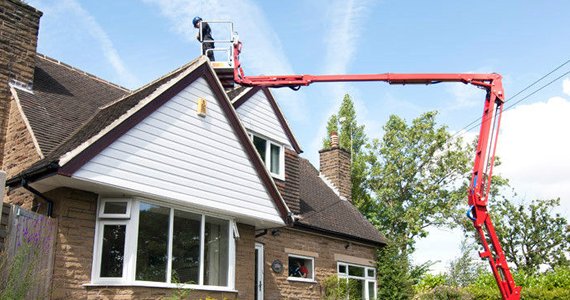
Tell us about your Newhaven property — a Victorian or Edwardian terrace near the harbour or town centre, a 1930s semi on the town’s fringes, a post-war property on the higher ground above town, or an exposed property on the western slopes facing the Channel. Price confirmed from £195 by phone immediately. No forms, no waiting.
Our specialist assesses every element specific to your property and its position in Newhaven. Victorian terraces: Welsh slate condition and nail integrity, lime mortar at ridge and chimney abutments assessed for salt-accelerated erosion, lead flashings at stacks and valley gutters. Channel exposure calibrated to your property’s position — western slopes above the harbour face full south-westerly exposure; valley-bottom properties near the Ouse face different moisture conditions. Concrete tile porosity on 1930s stock, flat roof condition on post-war sections.
Full written report with photographs, condition ratings for every element, remaining lifespan estimates, and a prioritised costed action list. Victorian terraces: mortar condition, lead flashing, slate assessed with Channel exposure factored into maintenance timescales. 1930s stock: tile porosity and felt condition. Post-war: flat roof and pitched tile sections. Report within 48 hours. For buyers: costed schedules for price negotiation.
Newhaven is East Sussex’s principal working port — the Channel ferry terminal serving the DFDS Dieppe route — sitting at the mouth of the River Ouse where it meets the English Channel. The town has a character markedly different from the retirement and seaside-tourism settlements either side of it: Newhaven is an industrial and working town with a functioning commercial harbour, a swing bridge, and the Victorian fortifications of Fort Newhaven above the western cliffs. The BN9 postcode covers the whole town; Lewes District Council is the planning authority. The Ouse valley creates a distinct topography — the town sits in a gap in the chalk downs, with the harbour and low-lying riverside areas at sea level and residential streets climbing steeply up the valley sides, particularly to the west above the harbour mouth.
The Victorian and Edwardian housing stock around Robinson Road, Railway Road, Fort Road, and the streets running back from the town centre was built predominantly for harbour workers, railway workers, and the industrial workforce that the port generated from the 1870s through to the Edwardian period. These properties carry Welsh slate roofs with lime mortar bedding at ridge and chimney abutments, and original lead flashings at chimney stacks, valley gutters, and where the slate roof meets party walls. At 110–130 years old, the defining maintenance question on this stock is the condition of the lime mortar and lead work. Ridge mortar crumbles progressively from freeze-thaw cycling and moisture absorption; chimney abutment pointing fails as the mortar loses cohesion; lead flashings develop fatigue cracking at their tail edges and lifting at step flashings through repeated thermal expansion and contraction over a century of service. The symptom when these fail is water at the ceiling below the chimney breast or at an internal wall edge — often attributed to a tile or slate problem and patched ineffectively rather than resolved at the actual failure point.
The critical Newhaven factor is the Channel salt exposure. The harbour mouth is open directly to the Channel with no shelter from the south-west — the prevailing direction of weather in this part of the coast. Salt-laden air driven onshore by south-westerly Atlantic systems deposits salt into the lime mortar of ridge courses and chimney abutments, drawing moisture into the mortar on wet days and concentrating it there as it evaporates. The result is that lime mortar at ridge courses and chimney pointing on exposed Newhaven properties erodes at a significantly faster rate than the same era of property would experience in sheltered inland conditions. For properties on the western slopes above the harbour — the streets that climb the chalk escarpment above the ferry terminal — this effect is at its most concentrated: full unobstructed south-westerly exposure means ridge mortar that might last 30–40 years inland may need attention within 15–20 years. The same salt deposition accelerates lead flashing oxidation and the corrosion of slate fixing nails, shortening the service interval for both.
Valley-bottom properties near the Ouse present a different profile. These are more sheltered from direct salt-laden air but face higher ambient humidity from the tidal river, greater risk of ground moisture and rising damp affecting the lower courses of brickwork supporting the roof structure, and the additional drainage load that the Ouse valley creates during prolonged wet periods. Valley gutters — the lead-lined or mortar-bedded channels at the junction of two roof slopes or where a slope meets a parapet — are the highest-risk element on these properties: running water concentration combined with persistent moisture from the valley floor accelerates deterioration.
The 1930s semi-detached housing on the town’s eastern and northern margins carries concrete interlocking tile roofs now at or beyond 80–90 years old — the same end-of-life porosity profile that characterises this era of property across East Sussex. Post-war council housing on the higher ground above the town, particularly in the Drove Road and Meeching areas, includes flat roof sections over 1960s construction that require condition assessment independent of the pitched tile elements above them.
Nearby Areas: Channel coast salt exposure assessment also at Seaford and Peacehaven. Inland Ouse valley surveys at Lewes. Wider East Sussex coverage at Eastbourne and Brighton.


Newhaven’s housing stock divides sharply by location within the town, and accurate assessment requires knowing the difference. A Victorian terrace on the western slope above the harbour facing full Channel south-westerlies needs its ridge mortar and lead flashings assessed on a different maintenance cycle to an identical terrace in a sheltered valley-bottom position. A 1930s semi on the eastern fringes needs concrete tile porosity tested, not salt-damage assessment. Getting the correct diagnosis for the actual property in its actual position is what makes a Newhaven survey genuinely useful rather than generic.
A couple purchased a 1905 Victorian terrace on one of the streets climbing the chalk escarpment above Newhaven’s ferry terminal — a property with direct south-westerly Channel exposure. The homebuyer survey noted “ridge mortar showing some weathering. Some localised pointing recommended. Gutters cleaned. No immediate structural concerns.” No specialist roof survey was commissioned before exchange.
Year 1: During the first winter, a damp patch appeared at the chimney breast in the front bedroom. A local roofer was called; he repointed the visible chimney cap and replaced one slipped slate. Cost: £320. The patch dried out during the spring.
Year 2: The damp returned during sustained south-westerly weather in November, now spreading across the chimney breast and tracking down to the ceiling below. The same roofer applied a flexible sealant around the chimney flashing and repointed the rear ridge section where gaps were visible. Cost: £490. Problem persisted through wet periods.
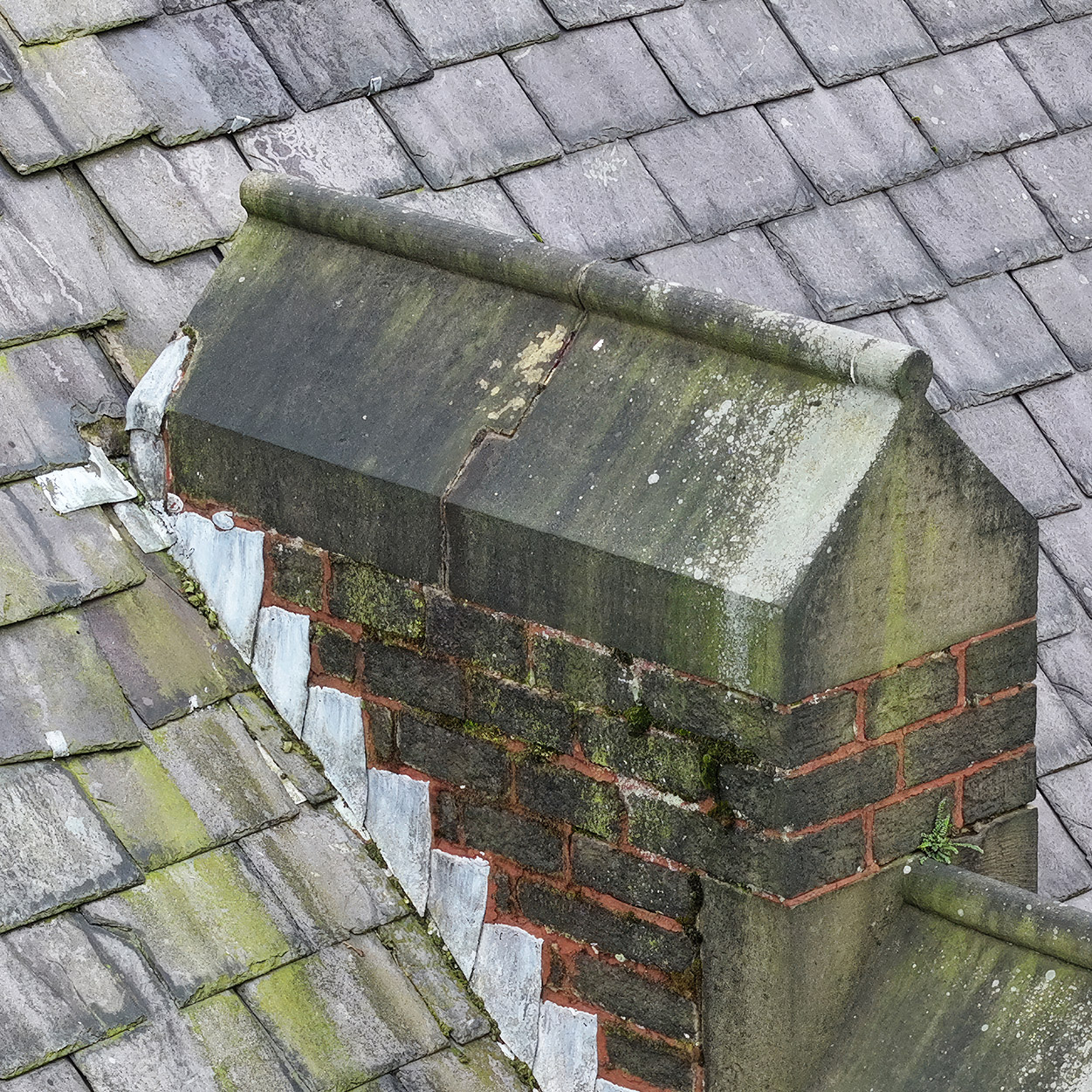
Year 3: A specialist inspection was commissioned. The findings were interconnected: the lead step flashings at the chimney stack had developed fatigue cracking along their horizontal folds — not through impact or visible damage, but through 115 years of thermal cycling combined with accelerated oxidation from sustained Channel salt exposure. Water was tracking behind the flashing at the front face and entering the stack. Additionally, the ridge mortar along both slopes had lost cohesion throughout its depth: it appeared intact from the street but crumbled to powder when probed. This was not normal weathered mortar in need of repointing — it was lime mortar that had been repeatedly saturated by salt-laden moisture, the salt drawing water in during wet weather and concentrating as it evaporated, cycling year on year until the mortar lost all binding capacity. Both slopes needed complete ridge mortar removal and relaying in salt-resistant specification. Lead step flashings at both sides of the chimney needed replacement. The sealant applied in year two had bridged over the failing flashing but water was bypassing it at the sides. Total: £3,800–£5,200.
What a Specialist Survey Before Purchase Would Have Found: “1905 Victorian terrace on exposed south-westerly slope with full Channel exposure. Ridge mortar: cohesion testing reveals mortar has lost binding capacity across both slopes — salt saturation cycling has rendered it non-functional despite intact surface appearance. Both slopes require full ridge course removal and relay in salt-tolerant hydraulic lime specification: budget £1,800–£2,400. Lead step flashings at chimney stack: fatigue cracking at horizontal folds consistent with end-of-life on a south-facing, salt-exposed elevation. Replacement recommended within 12 months: budget £800–£1,200. Western slope exposure means maintenance intervals for mortar and lead work are significantly shorter than for sheltered properties. Recommend negotiating accordingly before exchange.”
Survey cost: from £195. The distinction between “ridge mortar showing some weathering” (homebuyer description) and “mortar has lost binding capacity throughout, both slopes require full relay” (specialist finding) is the difference between a purchase made with accurate cost information and one made in ignorance of a planned £5,000 programme in the first three years.
Roof surveys for Newhaven properties start from £195. Whether a Victorian terrace on the exposed western slopes where salt-accelerated mortar and lead flashing condition are the critical questions; a harbour-side property where valley gutter condition and Ouse moisture need assessing; a 1930s semi where concrete tile porosity is the end-of-life risk; or a pre-purchase survey giving you costed information before exchange — call 07833 053 749 for an exact price confirmed immediately. Report within 48 hours.
On Newhaven’s exposed Victorian stock, the gap between “some localised repointing” in a homebuyer survey and the actual condition of salt-saturated ridge mortar and fatigued lead flashings is typically £3,000–£6,000 in unidentified maintenance. Independent specialist assessment before exchange is the straightforward way to know what you are actually buying. No repairs sold — honest assessment only.
For Victorian terraces on the exposed western slopes, the questions that matter before exchange are: what is the actual condition of the ridge mortar (not its surface appearance, which can be misleading), what is the condition of the lead flashings at chimney stacks and valley gutters, and how much of the maintenance programme indicated by the homebuyer report is already underway versus still to arrive? Specialist pre-purchase assessment provides costed answers before commitment. For 1930s stock, concrete tile porosity is the additional risk that homebuyer surveys consistently miss.
If water ingress has persisted or recurred after roofer visits to a Newhaven Victorian terrace, salt-saturated ridge mortar or failing lead flashings are the most likely explanation — both are conditions where patching at the visible symptom leaves the actual cause intact. Specialist assessment identifies the correct source and provides the correct specification for the repair.
Properties on the slopes above the harbour receiving full south-westerly Channel exposure need ridge mortar and lead flashing condition assessed more frequently than equivalent properties in sheltered positions. If your Victorian terrace is on these slopes and has not had a specialist roof assessment in the last decade, the maintenance position may be significantly more advanced than surface appearance suggests.
Properties near the River Ouse and the lower harbour area face different risks: sustained humidity from the tidal river, valley gutter drainage load, and the particular moisture conditions of low-lying coastal ground. Valley gutters — where two slopes meet or where a slope meets a parapet — concentrate water flow and deteriorate under repeated drainage load. Condition assessment for these elements requires access and inspection that surface viewing cannot provide.
Newhaven’s rental market spans Victorian terraces, 1930s semis, and post-war stock with significantly different maintenance profiles. Professional survey documentation satisfies insurance requirements and supports portfolio maintenance planning. We regularly survey mixed-era Newhaven portfolios where each property’s position in the town determines what needs assessing and on what timescale.
A specialist assessment establishes current condition, identifies what needs immediate attention versus longer-term planning, and provides a realistic capital maintenance programme. For exposed Newhaven properties, planning mortar and lead work on the correct cycle prevents the emergency repair costs that accumulate when salt-accelerated deterioration goes unassessed.
Salt-laden air deposits salt crystals into lime mortar at ridge courses and chimney abutments. On wet days the salt draws moisture into the mortar; as it dries, the moisture evaporates but the salt remains and concentrates. Repeated over years and decades, this cycling degrades the mortar’s binding capacity from the inside even when the surface still appears intact. On exposed south-westerly-facing properties in Newhaven, this process runs significantly faster than it would in a sheltered inland location. The same salt deposition accelerates oxidation of lead flashings and corrosion of slate fixing nails. Accurate assessment of mortar cohesion through probing — not just surface observation — is the essential test for this stock.
Most Newhaven residential surveys take 2–3 hours on-site including loft inspection. Full written report with photographs, condition ratings, and costed recommendations within 48 hours.
Roof surveys start from £195. Call 07833 053 749 for an exact price confirmed immediately — no forms, no waiting.
We cover all of Newhaven including the western slopes above the harbour, the town centre Victorian streets, the valley-bottom and riverside areas near the Ouse, the 1930s fringes, and the post-war estates on higher ground including the Drove Road and Meeching areas. Full BN9 postcode coverage plus Peacehaven, Seaford, and Lewes.
It depends on the specification. If salt-saturated lime mortar has lost its binding capacity throughout, standard OPC (Portland cement) repointing over it will fail quickly — the hard cement mortar cracks at the interface with the softer substrate as the roof moves with temperature. The correct specification for salt-exposed properties in Newhaven is a hydraulic lime mortar in a formulation appropriate to the exposure condition. Our reports specify the correct material, not just the repair required.
Completely. We survey only — no repairs sold, no referral arrangements. For Newhaven homeowners facing decisions about salt-accelerated deterioration on valuable Victorian stock, independent assessment with no financial interest in the repair work is the only sound basis for spending the right amount on the right thing.
Newhaven occupies an unusual position in the East Sussex property market. It sits between the more expensive coastal towns of Seaford to the east and Brighton to the west, and the higher-value Lewes to the north, and its working-port, industrial character has historically kept prices below its neighbours. Victorian terraces in the harbour and town-centre area trade between £250,000 and £380,000 — significantly below comparable stock in Lewes or Seaford — attracting buyers who want East Sussex coastal access at accessible prices. The 1930s semi-detached stock on the town’s margins trades between £300,000 and £420,000. Post-war and modern housing covers a broad range depending on condition and position.
The price differential that makes Newhaven attractive to buyers should not obscure the maintenance realities of the exposed Victorian stock. A Victorian terrace on the western slope above the harbour at £310,000 is genuinely more affordable than an equivalent property in Seaford at £390,000 — but it is also more exposed to Channel weather, and the maintenance profile of its ridge mortar and lead flashings reflects that exposure. Pre-purchase specialist assessment on this stock is the straightforward way to establish what the maintenance programme actually looks like before exchange, rather than discovering it through two years of ineffective patching after.
Lewes District Council is the planning authority for Newhaven. Listed building consent is required for works to the relatively small number of listed properties in the town centre, and a specialist technical survey report is the standard evidence base for consent applications involving roof repair or replacement on this category of property.
Western slopes above the harbour, town centre Victorian streets, harbour-side and riverside areas, 1930s fringes, post-war Drove Road and Meeching estates, and all BN9 postcode
Seaford • Peacehaven • Lewes • Eastbourne • Brighton
BN9 (Newhaven), BN25 (Seaford), BN10 (Peacehaven), BN7 (Lewes)
Whether you’re buying a Victorian terrace on the exposed western slopes and need to know the actual condition of the ridge mortar and lead flashings before exchange; dealing with recurring damp at a chimney breast that repointing hasn’t resolved; managing a harbour-side property where valley gutter and Ouse moisture conditions need expert assessment; or planning the maintenance programme for a salt-exposed roof on the correct cycle — specialist assessment gives you the facts that matter.
Call 07833 053 749 now. Price confirmed from £195 by phone immediately. Detailed written report with photographs, mortar and lead condition ratings, and costed recommendations within 48 hours. Same-day service often available across Newhaven and the surrounding BN9 area.
