
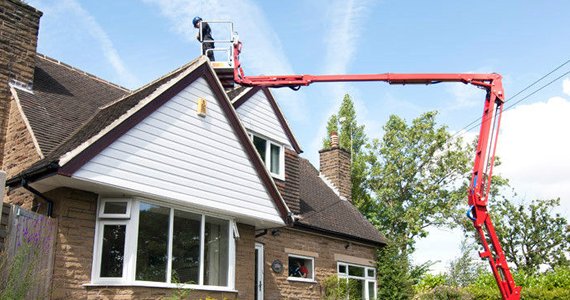
Tell us about your Lewes property — a listed Georgian townhouse on the High Street, a tile-hung cottage in the conservation area, a Victorian terrace in the Pells or Malling, or a 1930s semi in Wallands. Fixed price from £195, confirmed immediately.
Our specialist assesses every element matched to your property type — lead parapet gutters and valleys, tile-hanging battens and fixings, lime mortar condition, chimney flashing, clay plain tile or natural slate coverings, ridge and hip condition, and timber structure. Listed building and conservation area compliance assessed throughout.
Full written report with photographs, condition ratings, remaining lifespan estimates, and a prioritised action list with budget figures. Listed Building Consent guidance and heritage-appropriate material specifications where applicable.
Lewes is the county town of East Sussex and sits where the River Ouse cuts through the South Downs. With over 500 listed buildings, it has one of the highest concentrations of listed buildings of any market town in England. Multiple conservation areas cover much of the historic centre. This is not a uniform Victorian suburb or a straightforward Georgian town: Lewes has genuine architectural layers from medieval to modern, all within a compact area, and each layer presents completely different roof challenges.
The town centre and High Street contain the densest concentration of listed stock. Medieval timber-framed buildings, Wealden hall-house construction, and the distinctive Sussex tile-hanging — where upper walls are covered with plain clay tiles hung on battens — are all present. The tile-hanging tradition runs from the 17th century through the 19th century and is found throughout the historic core. Tile-hung walls are assessed as a separate discipline: the battens rot at a different rate from roof battens, tiles slip without visible warning from ground level, and the lead flashings at window head junctions are a specific and underappreciated failure point. A surveyor who only looks at the pitched roof above has missed half the job on a tile-hung Lewes property.
Lead parapet gutters and internal box gutters are endemic in the Georgian townhouses that line the High Street, Keere Street, and Southover High Street. These are the same failure pattern seen across Georgian market towns: lead work that was installed 150–200 years ago, with no meaningful maintenance record, now showing stress cracking at bends and joints. The consequences are masked because the water enters the building not at the obvious place where it overflows but at the hidden junction between lead and masonry, often running inside a parapet wall for months before any internal sign appears. At High Street values — properties here regularly achieve £565,000 to £980,000 on Keere Street alone — a missed parapet gutter failure can cost more to repair than the survey cost by a factor of fifty.
The Pells and Malling areas have Victorian terraces from the 1860s to 1890s, now 130–160 years old. Welsh slate roofs on these properties are approaching the end of their practical lifespan: fixings corrode, slates delaminate, and the pattern of two or three visible slips per year accelerates as the overall fixing population deteriorates. The Wallands area has 1930s to 1950s semi-detached housing with concrete interlocking tiles and flat-roof extensions that are now 70–90 years old. The Nevill estate, one of Lewes’s most desirable residential areas, has varied housing stock requiring individual assessment.
For Lewes homeowners: Whether you own a listed building subject to consent requirements or a post-war semi with no heritage complications, the roof survey baseline is the same: independent assessment, photographed condition, and a prioritised action list. At Lewes property values, £195 is the most cost-effective due-diligence you can do.
For buyers and investors: Lewes’s premium property market means roof defects are often undisclosed and cosmetically masked. A Georgian townhouse with a failing lead parapet gutter and cement-repointed lime mortar will present well on a sunny viewing day. Pre-purchase roof survey Lewes assessment before exchange is standard practice for informed buyers.
Nearby areas we also cover: Brighton, Hove, Haywards Heath, Uckfield, Newhaven, Ringmer
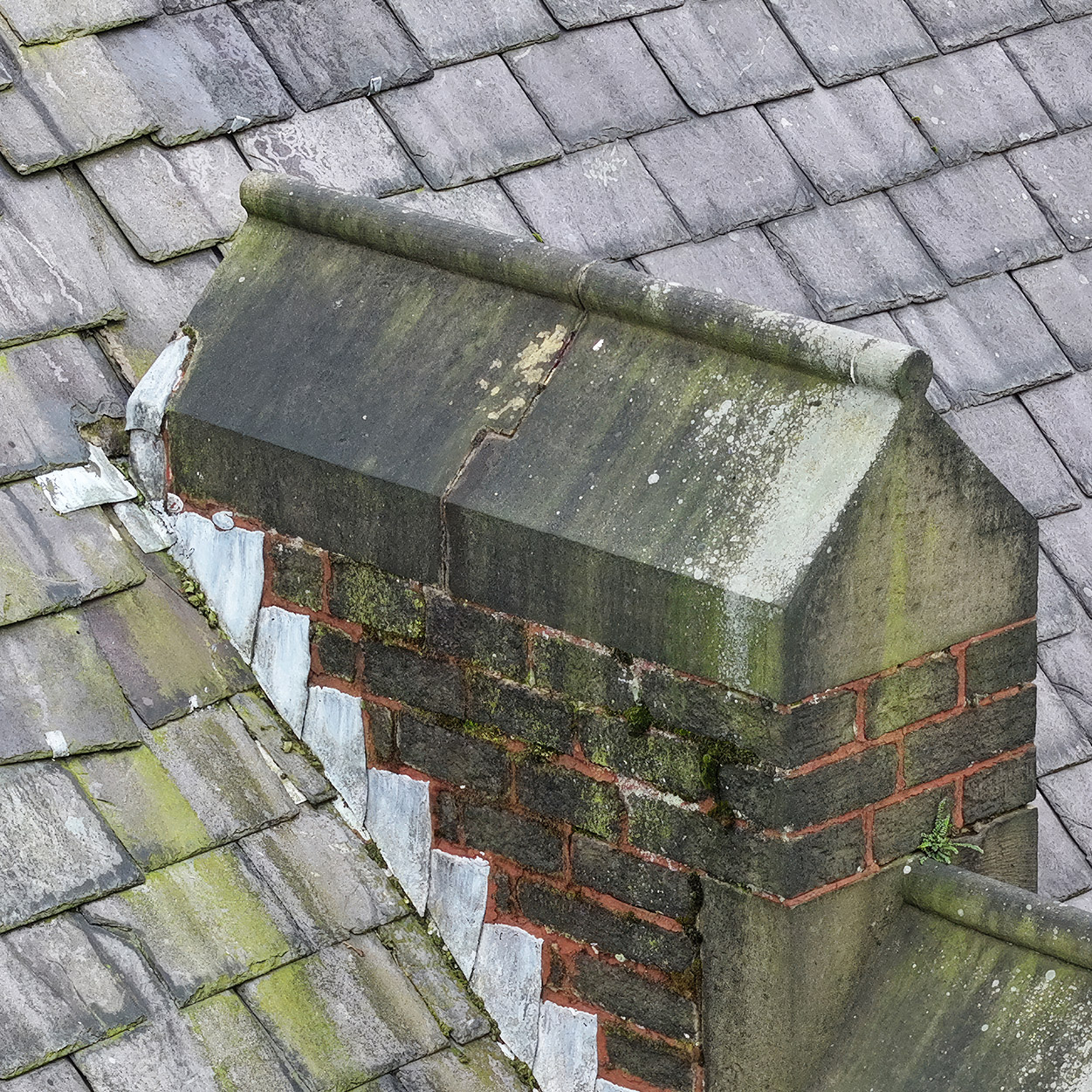
The owners of a mid-terrace Georgian listed townhouse near the top of the High Street noticed a damp patch on an upstairs bedroom wall in late autumn. They assumed a slipped ridge tile or a loose flashing. The wall was below a chimney breast and the logical conclusion was chimney-related.
The chimney was inspected and repointed — in cement mortar, because that was what the local roofer carried. The damp returned the following winter. By the time the owners called us, 18 months had passed since the first sign, and they had already spent £1,400 on chimney work that had not resolved the problem.
Our survey identified the actual cause: the lead parapet gutter running along the party wall at first-floor level had failed at a stepped flashing joint. Water had been entering the parapet wall cavity and tracking laterally before emerging on the bedroom wall. The chimney was unrelated. The cement repointing applied during the earlier repair work had introduced a second problem: it was trapping moisture in the lime mortar joints of a Grade II listed building, which would require removal and lime reinstatement under Listed Building Consent.
Consequence of the delay: parapet gutter replacement with lead code 5 £3,800. Lime mortar reinstatement and cement removal £2,600. Internal plaster and decoration £1,900. Listed Building Consent application process. Total remediation cost £8,300 — compared with a £195 roof survey that would have identified the parapet gutter as the source at the first sign of the problem.


Lewes has over 500 listed buildings and multiple conservation areas with specific material and consent requirements. The town’s architectural range — from medieval timber-framed buildings to Georgian townhouses to Victorian terraces — demands surveyors with genuine heritage knowledge. Our RICS-registered approach means we understand not just what is failing on your roof, but what the correct repair specification is and whether Listed Building Consent is required before any work begins.
“We bought a listed Georgian house on Keere Street and the survey identified a lead parapet gutter issue the vendor hadn’t disclosed. We renegotiated £6,500 off the purchase price. The survey paid for itself many times over.”
James & Helen T., Lewes
“Our tile-hung cottage near the castle had slipping tiles on the upper walls. The surveyor assessed the wall tiles as a completely separate job from the roof itself, which I hadn’t expected. Very thorough. Report was detailed and the lime mortar guidance was exactly what we needed for the conservation area application.”
Margaret F., Lewes Old Town
“I own three Victorian terraces in the Pells. The survey confirmed that two needed full slate replacement within 2–3 years and one was still serviceable. Having that prioritised across the portfolio properly is exactly what a landlord needs. Completely independent — no contractor was recommended, just the facts.”
David R., Lewes landlord
From listed Georgian townhouses on the High Street to tile-hung conservation area cottages to Victorian terraces in the Pells and Malling, professional roof survey Lewes assessment from £195 provides heritage-aware, consent-informed intelligence. We assess lead parapet condition, tile-hanging batten and fixing condition, lime mortar integrity, clay plain tile or natural slate covering condition, chimney flashings, ridge and hip condition, and timber structure — with listed building and conservation area guidance throughout.
Exact quote from £195 when you call. No surprises. Most Lewes residential surveys from £195. Listed buildings and larger properties quoted individually.
In Lewes heritage properties, the visible damp patch is rarely directly below the source of entry. Lead parapet gutter failures, failed stepped flashings, and cracked tile-hanging valleys can channel water metres away from where it first enters the building. A roof survey Lewes assessment traces the actual path, not the visible symptom.
Lewes’s listed building stock is bought and sold with incomplete maintenance histories. Lead work, lime mortar condition, tile-hanging systems, and parapet gutters all have long failure timelines that may not be visible on a viewing day. Pre-purchase roof survey Lewes inspection before exchange identifies what a standard mortgage valuation will not.
Listed Building Consent is required for most works to listed buildings, including roof repairs that change materials. Our survey identifies the correct specification before you engage any contractor, ensuring your repair application to Lewes District Council is based on an accurate assessment rather than a contractor’s estimate.
Victorian terraces in the Pells, Malling, and across BN7 typically have Welsh or Cornish slate roofs now 130–160 years old. The question is whether you are in the gradual deterioration phase (isolated slips, manageable patching) or the accelerating phase (multiple fixing failures per year, approaching wholesale replacement). A roof survey Lewes assessment gives you that answer with a timeline and budget figure.
Tile-hung upper walls are common throughout Lewes’s historic core and across the wider BN7 area. Slipping hung tiles are often dismissed as cosmetic, but failing battens and corroded fixings can result in large areas of hung tiles detaching. Our surveys assess tile-hanging systems fully, not as an afterthought.
A roof survey Lewes condition check is sensible ownership practice for any property over 20 years old. For Lewes’s historic stock, where the roof may be well over 100 years old, it is essential. From £195 you receive a complete independent condition statement and a prioritised maintenance plan.
The concentration of listed buildings — over 500 — and the range of building types is unusual. Tile-hanging is more prevalent here than in many Sussex towns. The number of lead parapet gutters on Georgian stock along the High Street and Keere Street is high. The combination of medieval, Georgian, and Victorian stock in a compact area means no two consecutive properties necessarily require the same assessment approach.
Yes, and this is one of the most common issues we find. Lime mortar buildings throughout Lewes — including many listed buildings — have been repointed with cement mortar by well-meaning but under-informed contractors. Cement is impermeable and traps moisture within the masonry. On a listed building, cement repointing is also unauthorised works requiring removal under Listed Building Consent. Our surveys identify existing cement repairs and advise on the correct remediation.
Typically 2–3 hours on site for a standard property. Listed buildings and larger period townhouses may take 3–4 hours. Tile-hung properties require additional time to assess wall systems separately. Written report with photographs delivered within 48 hours.
From £195 for standard residential properties. Call 07833 053 749 for an immediate exact quote for your specific property.
Yes. We cover Lewes town and the surrounding villages including Ringmer, Glynde, Firle, Rodmell, Kingston near Lewes, and Hamsey. Many of these villages have their own listed building stock and conservation area restrictions. Full BN7 and adjacent postcode coverage.
Completely independent. We conduct surveys only and do not sell repairs, materials, or maintenance contracts. There is no commercial interest in our recommendations other than giving you accurate information about the condition of your roof.
Lewes is the county town of East Sussex and the administrative centre of Lewes District Council. The town is compact — most of the historic area is walkable — but architecturally dense. The High Street runs along a ridge above the Ouse Valley. Keere Street descends steeply from the High Street and is one of the most photographed streets in East Sussex, with average property values of £565,000–£980,000. Lewes Castle, built by William de Warenne after 1066, sits above the town. Lewes Priory, founded 1081 and dissolved 1537, was the largest Cluniac priory in England; its Caen limestone was reused in later buildings, including Southover Grange (1572), which still stands.
Transport links are good by East Sussex standards. Lewes station provides direct services to Brighton (approximately 15 minutes), London Victoria (approximately 70 minutes), and Eastbourne. The A27 connects Lewes to Brighton to the west and Eastbourne to the east. The town sits within the South Downs National Park boundary on its northern and eastern edges, creating a planning environment that reinforces the historic character of the built area. Average property prices across Lewes are approximately £537,000 (Zoopla 2024), with terraced houses averaging £517,000 and detached properties considerably higher.
At these values, deferred roof maintenance is a significant financial risk. A £195 roof survey Lewes assessment is a rational investment at any point in a property’s ownership cycle — and an essential one before any purchase, before any planned works, and at any sign of water ingress on a heritage building with complex roof geometry.
Our roof survey Lewes service covers the entire BN7 postcode area and the surrounding villages. We cover the High Street and Keere Street conservation area, Southover, the Pells, Malling, Wallands, the Nevill estate, and the South Downs fringe villages including Ringmer, Glynde, Firle, Rodmell, and Kingston near Lewes.
All property types: listed buildings, unlisted period properties, Victorian terraces, Edwardian semis, 1930s–50s housing, and modern construction. Tile-hung properties assessed as a specialist service. Lead parapet and box gutter surveys available as standalone assessments. Pre-purchase roof surveys Lewes available at short notice for buyers proceeding to exchange.
Lewes has some of the most complex residential roofing in East Sussex. Over 500 listed buildings, multiple conservation areas, tile-hung walls, lead parapet gutters, lime mortar construction, and Victorian slate roofing approaching the end of its practical life: this is not a town where a generic survey approach serves property owners well.
Our roof survey Lewes service is built around the specific building types and failure modes that characterise BN7. From pre-purchase assessment on a Keere Street Georgian townhouse to a condition check on a Pells Victorian terrace to a tile-hanging survey on a listed conservation area cottage, we assess what your property actually has rather than applying a standard template.
Completely independent. No repairs sold. No contractors recommended. Just accurate information about the condition of your roof, from £195.

4.9 out of 5 — based on 867 independent reviews
Reviewed item: Roof Survey Lewes East Sussex — reviewed 07-03-2026