
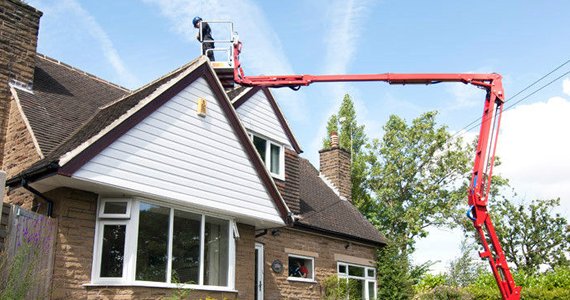
Tell us about your Peasmarsh property — a 17th or 18th century plain clay tile farmhouse or cottage, an older building with Horsham stone slate sections, a Victorian or Edwardian property along the main road, or a 20th century bungalow or semi. Price confirmed from £195 by phone immediately. No forms, no waiting.
Our specialist assesses every element relevant to Peasmarsh’s High Weald ridge stock. Plain clay tile: ridge and verge mortar cohesion by probing assessed against Rother valley exposure, tile condition and nail-sickness. Portland cement incompatibility: frost spalling damage on old soft tile identified. Horsham stone where present: peg condition, slab integrity, structural assessment. 20th century: concrete tile porosity testing, felt underlay inspection.
Full written report with photographs, condition ratings, exposure-adjusted lifespan estimates, and a prioritised costed action list. Plain clay tile: ridge mortar condition rated against Peasmarsh’s ridge exposure profile, correct hydraulic lime specification where needed. Horsham stone: peg assessment, replacement options including reclaimed sourcing. 20th century: porosity verdict and felt condition. Listed building report capability for Rother DC. Report within 48 hours.
Peasmarsh is a High Weald village about three miles north-west of Rye, sitting on an elevated ridge above the Rother valley with views southward over the levels towards the coast. The church of St Peter and St Paul stands at the village centre. The TN31 postcode covers Peasmarsh and a wide area of the eastern High Weald including Northiam, Beckley, and Broad Oak. Rother District Council is the planning authority. The village and its surrounding farmsteads fall within the High Weald Area of Outstanding Natural Beauty.
Peasmarsh is not a marshland village. It sits on the ridge, above the Rother valley floor, looking down over the levels rather than forming part of them. This matters for roofing assessment because the ridge position, not water-table or flood-zone exposure, is the defining environmental characteristic for the village’s roofs. South-westerly winds and rain driving in from the Channel accelerate up the Rother valley and reach Peasmarsh’s south-facing slopes at above-average intensity. Ridge mortar, verge bedding, and hip mortar on exposed elevations weather measurably faster here than at sheltered valley-floor properties in the same region. Our surveys account for this by rating mortar condition against the actual exposure profile of each property’s aspect and elevation, not generic inland norms.
The oldest properties in Peasmarsh — farmhouses and cottages from the 17th and 18th centuries, several predating that, dotted around the village and in the surrounding lanes and farmsteads — carry plain clay tile roofs as the standard High Weald vernacular material. Handmade plain clay tile with lime mortar at ridges, verges, and chimney abutments is the defining roofing combination for this stock. On a small number of the earliest properties, Horsham stone slate survives on all or part of the original roof covering. The assessment requirements for both are well-established across the eastern High Weald and covered in detail under separate headings below.
The recurring repair failure on plain clay tile Peasmarsh properties is Portland cement repointing. Old handmade plain clay tile is a soft-fired material with a porous body. Portland cement mortar, when used to repoint the ridge or verge of such a tile, cures to a hardness significantly greater than the tile body beneath it. Under the thermal cycling of successive winters — and particularly under the freeze-thaw stress of cold nights — the cement expands and contracts at a different rate from the tile, cracking at the tile-cement interface. Water enters the crack, freezes, and spalls the tile face. The damaged tile is then often blamed for the water ingress rather than the incompatible mortar that caused the damage. Specialist assessment identifies existing cement-induced tile spalling and provides the correct hydraulic lime specification for future work.
Victorian and Edwardian properties along the Peasmarsh main road and in the lanes towards Beckley and Northiam carry machine-pressed plain clay tile or early concrete tile, with lead flashings at chimney stacks. These present the standard assessment questions of their age: ridge and hip mortar condition, lead flashing longevity, and whether there is evidence of nail-sickness on earlier tile sections. The 20th century bungalows and semis that complete the village’s housing mix carry concrete interlocking tile at various ages, with tile porosity and felt underlay condition as the maintenance assessment questions.
Nearby Areas: High Weald plain clay tile surveys across Northiam and Beckley. Rother valley and Rye area coverage at Rye. Wider TN31 area surveys at Broad Oak and Northiam.
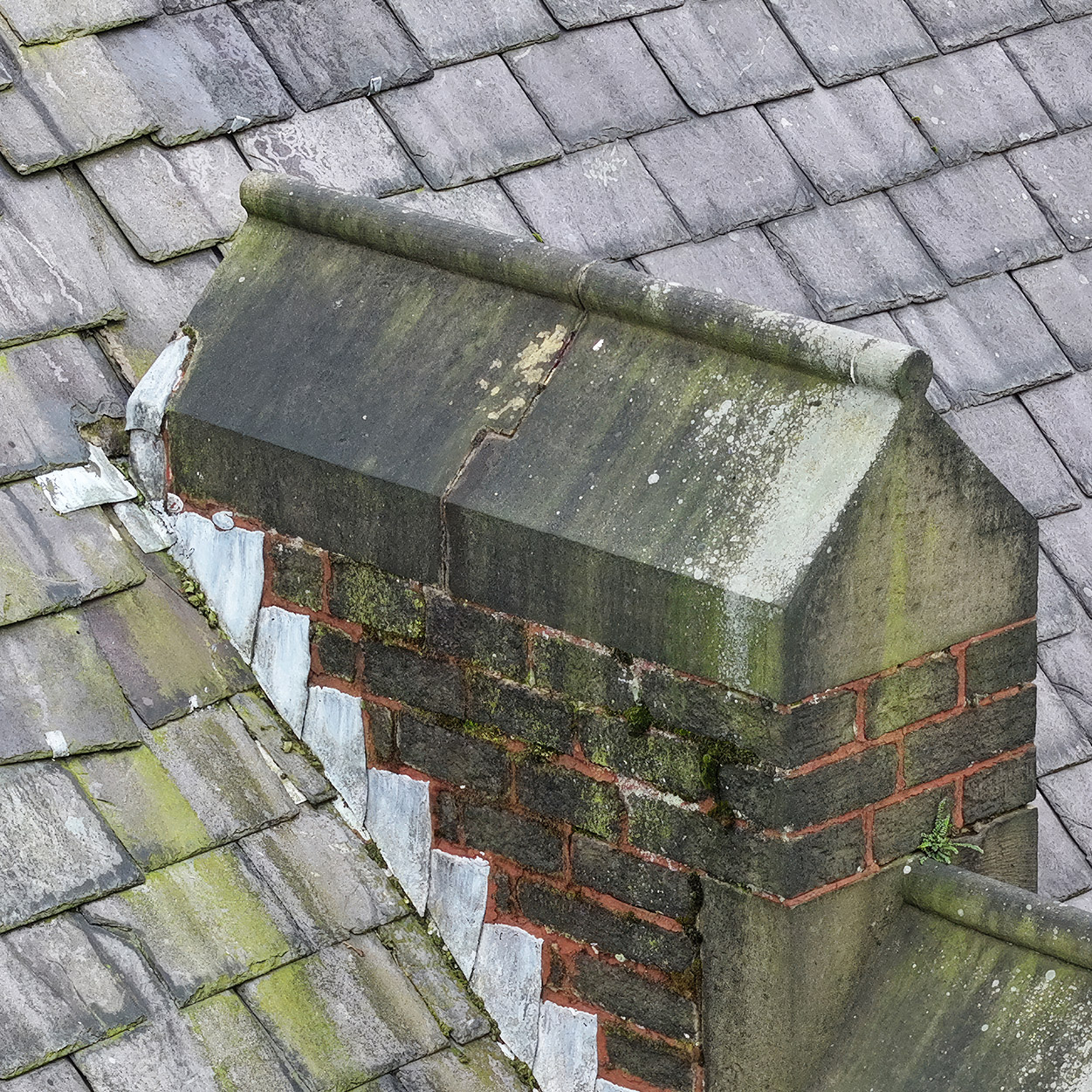


Plain clay tile with lime mortar on a Peasmarsh ridge farmhouse requires lime-specific knowledge that a standard roof survey does not provide. The difference between mortar that looks weathered from below and mortar that has lost cohesion throughout its depth is not visible without close-range probing. The difference between frost spalling caused by incompatible Portland cement and spalling caused by tile age is not visible without specific knowledge of both failure modes. Getting these assessments correct determines whether the correct repair specification is a targeted lime repoint, a cement-damage remediation, or a broader programme — and whether the repair lasts or needs repeating within five years.
An owner of an 18th century plain clay tile cottage on the Peasmarsh ridge had experienced water ingress at the front bedroom ceiling for three successive wet winters. The cottage faced south-west down the Rother valley. A local roofer attended and repointed the ridge mortar on the front south-west-facing slope in Portland cement. Cost: £420. The problem appeared to resolve through the following dry summer.
Winter of the following year: Water ingress returned at the same ceiling location and was now accompanied by small fragments of tile face appearing in the gutter below the front slope. The same roofer returned, replaced three tiles that had spalled, and repointed the areas around the replaced tiles in the same Portland cement mix. Cost: £380. The owner asked why the problem kept returning. The roofer attributed it to “the age of the tiles”.
Year 3: Tile face spalling had spread to a section of approximately 1.2 square metres on the front slope adjacent to the original repair area. A specialist assessment was commissioned. Findings: the original plain clay tile on the front slope was handmade, soft-fired — typical of 18th century Wealden production. The tiles were in reasonable structural condition for their age. The Portland cement mortar applied in the first repair had cured to a hardness significantly exceeding the tile body beneath it. Under the freeze-thaw cycling of two winters on the exposed south-west-facing ridge slope, the cement had cracked at the cement-tile interface, admitting water. Freezing water in the crack had spalled the tile face over successive cycles. The second repair had replicated and extended the problem by introducing more Portland cement into adjacent sections. The correct remediation was: removal of all Portland cement mortar from the ridge and affected verge sections, inspection of tile bodies beneath for spalling extent, replacement of irreparably spalled tiles with reclaimed period plain clay tile, and repointing in natural hydraulic lime. Programme: £1,800–£2,600 depending on the number of tiles requiring replacement.
What a Specialist Survey Before the First Repair Would Have Found: “Plain clay tile front slope: ridge mortar showing cohesion loss at upper surface, consistent with normal lime mortar erosion on exposed south-west-facing ridge slope. Tile body: handmade soft-fired, in reasonable condition for age. Repointing required. Specification: natural hydraulic lime only — Portland cement must not be used. Portland cement on soft-fired plain clay tile at this exposure level will cause frost spalling at the tile-cement interface within 1–2 winters. Budget for hydraulic lime ridge and verge repoint: £380–£520.”
Survey cost: from £195. Two rounds of incorrect Portland cement repairs totalling £800 caused the tile spalling problem. Correct hydraulic lime specification at the outset: £380–£520 and no tile damage. Remediation of cement-induced spalling: £1,800–£2,600.
Roof surveys for Peasmarsh properties start from £195. Whether a 17th or 18th century plain clay tile farmhouse on the ridge where lime mortar cohesion and Portland cement incompatibility are the key questions; a cottage with a recurring ridge mortar problem where the specification needs establishing correctly once rather than repeated ineffectively; an older property with Horsham stone slate sections; or a 20th century bungalow where tile porosity needs assessing — call 07833 053 749 for an exact price confirmed immediately. Report within 48 hours.
Portland cement on old plain clay tile is the most reliably preventable source of avoidable roof damage on Peasmarsh’s historic stock. A £195 survey before any ridge repair is commissioned establishes the correct specification and prevents the tile spalling that cement causes on this material — saving a remediation programme that typically costs four to six times the original repair. No repairs sold — honest assessment only.
Pre-purchase questions for an older Peasmarsh cottage or farmhouse: what is the actual cohesion of the ridge and verge mortar (probed, not observed); is there existing Portland cement repointing causing or at risk of causing tile face spalling; what is the condition of lead flashings at chimney stacks; and for any tile-hung elevations, are the timber peg fixings sound behind the tile surface? These cannot be established from a homebuyer survey inspection. Specialist assessment before exchange gives you the repair programme scope and cost as a negotiating position.
If ridge mortar on a Peasmarsh cottage keeps failing within a few years of repair, two causes are most common: incorrect Portland cement specification causing progressive cracking on soft tile, or an exposure-adjusted maintenance cycle that has not been set correctly for the south-west-facing ridge position. Specialist assessment distinguishes between these, specifies the correct material, and establishes the realistic maintenance cycle for the actual property on its actual slope.
Rother District Council is the planning authority. A number of Peasmarsh’s older farmhouses and cottages are listed. Listed building consent is required for works that affect historic fabric — including material change at the ridge or verge. Our surveys provide the technical assessment evidence base and correct material specification for consent applications, establishing what exists and what the appropriate repair approach is.
A small number of the oldest buildings in Peasmarsh and its surrounding farmsteads retain Horsham stone slate on all or part of their roof covering. Assessment of Horsham stone requires specific knowledge: peg corrosion assessment, slab integrity testing for body cracking at fixing holes, structural assessment of the wall-plate and principal rafters under the weight loading, and an honest account of replacement options given that commercial Horsham stone quarrying ceased in the 20th century. If you are buying or owning a Horsham stone property in the Peasmarsh area, call us first.
Bungalows and semis from the 1950s through 1980s carry concrete tile roofs now 40 to 70 years old. Specialist assessment confirms tile porosity, felt underlay and batten condition, and the realistic re-roofing window — with ridge and hip mortar assessed against Peasmarsh’s ridge exposure rather than standard inland norms for the same period tile.
If tile face spalling has appeared following recent ridge or verge repointing on an older Peasmarsh cottage, Portland cement incompatibility is the most likely cause. Specialist assessment confirms the mechanism, maps the extent of affected tiles, specifies the remediation programme (cement removal, tile assessment, replacement of irreparably damaged tiles with reclaimed period plain clay tile), and provides the hydraulic lime specification for the repair work. Addressing this promptly prevents the spalling from spreading to adjacent sections through further freeze-thaw cycling.
Handmade plain clay tile from the 17th and 18th centuries was fired at relatively low temperatures compared to modern tile production. The result is a tile with a softer, more porous body that is more flexible in its response to thermal movement than modern machine-pressed tile. Portland cement mortar cures to a hardness and rigidity that significantly exceeds the tile body it is bedded against. Under the thermal cycling of cold winters — especially on exposed south-west-facing slopes in ridge positions like Peasmarsh — the cement and tile contract and expand at different rates. Cracking develops at the tile-cement interface where the hard cement separates from the softer tile. Water enters the crack, freezes, and exerts pressure that spalls the tile face from within. Natural hydraulic lime mortar, by contrast, cures to a hardness that matches the tile body more closely, and its greater flexibility accommodates thermal movement without cracking.
Ridge mortar that has lost cohesion at the surface may still look intact from below — the outer face weathers and hardens while the mortar behind it has crumbled to powder. Probing the mortar at multiple points across the ridge and verge sections establishes the actual cohesion throughout its depth, not just at the surface. This is done by applying controlled pressure with a pointed instrument at different heights on the mortar face. Where the probe penetrates easily, the mortar has lost cohesion and is no longer providing a weather-tight seal. Where it resists, the mortar remains intact. This takes time to do properly on a full ridge run — but it is the only reliable method.
Roof surveys start from £195. Call 07833 053 749 for an exact price confirmed immediately — no forms, no waiting.
We cover Peasmarsh and the full TN31 postcode including Northiam, Beckley, Broad Oak, Udimore, Brede, and surrounding High Weald villages and farmsteads, including the Rye area (TN31) and the wider Rother District.
Peasmarsh has a conservation area covering the village core and its historic buildings. Rother District Council is the planning authority. Most of the significant older farmhouses and cottages are listed. Works affecting the historic fabric of listed buildings require listed building consent, and conservation area restrictions affect permitted development rights for other properties within the designated area. Our surveys are prepared to the technical standard required for Rother DC consent applications.
Completely. We survey only — no repairs sold, no contractor referrals. Our assessments give you the actual condition of the property and the correct specification for any repair, without any interest in what that repair turns out to cost.
Peasmarsh attracts buyers seeking High Weald rural character within easy reach of Rye and the coast — the combination of the village’s elevated ridge setting with views south over the Rother valley and levels, and its proximity to Rye (five minutes by car), makes it a desirable location for buyers of period rural property in the eastern High Weald. Older farmhouses and cottages with land range from £500,000 to £900,000+; smaller plain clay tile village cottages from £350,000 to £550,000; Victorian and Edwardian properties from £300,000 to £500,000; 20th century bungalows and semis from £280,000 to £420,000.
For buyers of the older stock, the roofing knowledge gap between a homebuyer survey and a specialist assessment is directly consequential. A homebuyer survey notes ridge mortar showing weathering and recommends specialist inspection. A specialist survey establishes whether that mortar has lost cohesion throughout its depth on the exposed south-west slope (requiring relaying this season), whether previous cement repointing has caused tile spalling that requires remediation, and whether the lime specification for any future work has been correctly established. These are the facts that inform both negotiation before exchange and maintenance planning as the new owner.
Rother District Council planning, conservation area designation, and listed building status for the majority of older Peasmarsh properties mean that repair work requires correct specification and, in many cases, prior consent. Our surveys provide the technical evidence base for those applications.
Peasmarsh village, Northiam, Beckley, Broad Oak, Udimore, Brede, and all surrounding High Weald villages and farmsteads throughout the TN31 postcode and the eastern Rother District
Northiam • Beckley • Rye • Robertsbridge
TN31 (Peasmarsh, Northiam, Beckley, Rye), TN32 (Robertsbridge, Bodiam), TN36 (Winchelsea, Icklesham)
Whether you’re buying a plain clay tile farmhouse on the Peasmarsh ridge and need lime mortar cohesion, Portland cement incompatibility diagnosis, and chimney flashing condition before exchange; dealing with tile face spalling after a recent cement repoint that needs identifying and remediating before the next winter; planning listed building consent works on an old Peasmarsh cottage and needing the correct specification and technical evidence; or assessing a 20th century bungalow for concrete tile end-of-life — specialist assessment gives you the specific facts for the specific material in its specific exposure position.
Call 07833 053 749 now. Price confirmed from £195 by phone immediately. Detailed written report with photographs, exposure-adjusted mortar condition ratings, Portland cement damage assessment, correct lime specification, and costed recommendations within 48 hours.
