
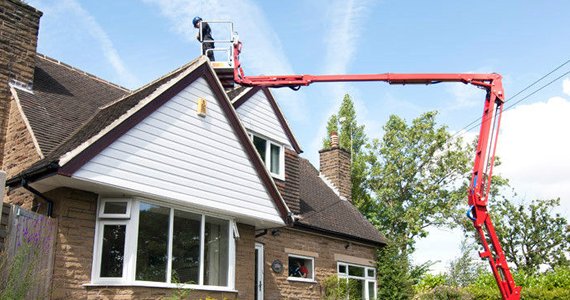
Tell us about your Northiam property — a Horsham stone slate farmhouse or Wealden hall house, a plain clay tile and lime mortar cottage with tile-hung elevations, a Victorian property in the village, or a 20th century bungalow. Price confirmed from £195 by phone immediately. No forms, no waiting.
Our specialist assesses every element specific to your property type. Horsham stone: slab condition, peg corrosion assessment, structural loading, lap pointing, partial vs full intervention options. Plain clay tile: handmade tile condition, lime mortar cohesion by probing, tile-hanging peg condition, lead flashings at chimney stacks. 20th century: concrete tile porosity testing, felt underlay via loft inspection, batten condition. Listed building report capability for Rother DC.
Full written report with photographs, condition ratings, lifespan estimates, and a prioritised costed action list. Horsham stone: peg condition and structural assessment, realistic repair options including reclaimed stone sourcing. Plain clay tile: mortar cohesion, tile condition, correct lime specification. 20th century: porosity verdict, felt and batten condition. For listed buildings: technical reports suitable for Rother DC consent applications. Within 48 hours.
Northiam is one of the finest villages in the High Weald of East Sussex, sitting on a sandstone ridge above the Rother valley some eight miles north-west of Rye. The church of St Mary the Virgin, with its Norman core, anchors the village centre. Great Dixter — the 15th century timber-framed manor house and Christopher Lloyd’s internationally renowned garden, now maintained by the Great Dixter Charitable Trust — stands at the eastern edge of the village. The TN31 postcode covers Northiam and a wide area of surrounding High Weald including Beckley, Peasmarsh, and Broad Oak. Rother District Council is the planning authority. The village centre and most of the significant older buildings are listed; the wider area falls within the High Weald Area of Outstanding Natural Beauty.
The oldest properties in Northiam — the medieval and early post-medieval timber-framed Wealden hall houses and their farmstead counterparts in the lanes around the village — represent two distinct roofing traditions. The earliest carry Horsham stone slate: large fissile slabs of Wealden sandstone, quarried in West Sussex and used as a roofing material across the eastern High Weald from the medieval period through to the 18th century, when plain clay tile gradually displaced it. A Horsham stone roof is immediately recognisable — thick, irregular grey-brown slabs diminishing in size from eaves to ridge, with a characteristic graduated coursing that gives these buildings their distinctive low, heavy profile. Great Dixter itself carries Horsham stone on its oldest ranges.
Horsham stone presents assessment challenges that are genuinely unique in English roofing. The slabs are fixed to timber laths using wooden pegs through holes near their upper edge — the same timber peg fixing used for plain clay tile hanging. As the pegs corrode and lose section over centuries, or as the slab body cracks around the fixing hole under the thermal cycling of hundreds of winters, individual slabs lose their positive fixing and are held by weight and the overlap of adjacent slabs only. Because each Horsham slab weighs significantly more than a clay tile — a full Horsham stone roof weighs three to five times an equivalent clay tile roof — the structural timber beneath it was designed for that load from the outset. When a significant number of slabs are at risk simultaneously, the structural implications are substantial. The secondary assessment challenge is replacement: commercial Horsham stone quarrying ceased in the 20th century. When slabs require replacement, the options are reclaimed Horsham stone from specialist salvage yards (available but expensive and not always well-matched), alternative stone, or conversion to clay tile — which requires listed building consent on virtually every Northiam property where it would apply, and which changes the historic character of the building permanently.
The majority of Northiam’s historic housing stock carries handmade plain clay tile roofs and tile-hung elevations — the quintessential High Weald vernacular. These properties date from the 17th and 18th centuries primarily, though some are earlier. Handmade Wealden plain clay tile, lime mortar at ridges and verges and chimney abutments, and timber peg fixings on tile-hung sections are the material combination throughout. The failure modes and assessment requirements for this stock are the same as in other High Weald villages: peg corrosion on tile-hung sections invisible from outside; lime mortar erosion at ridges progressive and manageable if addressed in the right specification; Portland cement repairs accelerating frost damage to soft tile bodies rather than resolving the mortar problem.
The Rother valley below Northiam creates above-average humidity conditions, particularly for properties on the lower slopes of the village towards Starvecrow Lane and the valley floor. Higher humidity accelerates lichen colonisation of tile and stone surfaces and increases the rate at which organic matter accumulates in lime mortar joints, accelerating erosion. Valley-floor humidity is a specific assessment factor for the lowest-lying Northiam properties that higher-elevation village properties do not share.
The 20th century rural development in and around Northiam — bungalows and modest detached houses from the 1950s through the 1980s — carries concrete interlocking tile roofs now at 40 to 70 years old. End-of-life tile porosity is the approaching risk for the older end of this range: a straightforward assessment requiring tile porosity testing and loft inspection of felt underlay and batten condition.
Nearby Areas: Horsham stone and High Weald plain clay tile surveys across Beckley and Peasmarsh. Rother valley and Rye area coverage at Rye. Wider TN31 and TN36 area surveys at Robertsbridge.
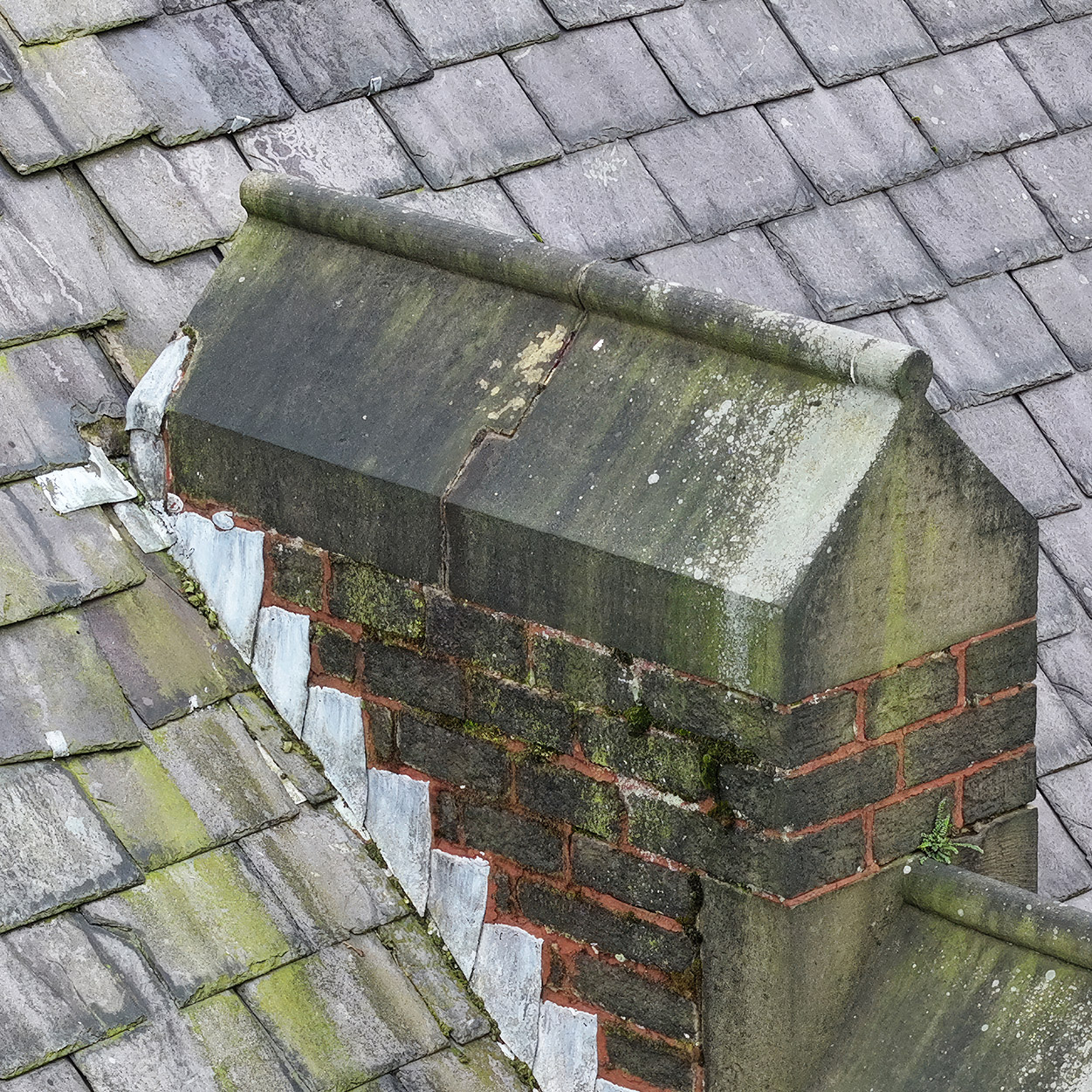


Northiam has some of the most technically demanding roofing stock in East Sussex. Horsham stone slate — a material that has not been commercially quarried for decades, that requires structural assessment of load-bearing capacity, and that cannot be replaced like-for-like without significant reclamation sourcing — is a different assessment proposition from any standard roofing material. The handmade plain clay tile and lime mortar stock requires lime-specific knowledge that standard surveys do not provide. Getting the right assessment for the actual material is the difference between managing these properties confidently and being caught out by failure modes that a generic inspection cannot identify.
A couple purchased a 16th century timber-framed farmhouse in the Northiam parish for £785,000. The property carried its original Horsham stone slate roof on the main range, with a later plain clay tile outshot to the rear. The homebuyer survey noted “Horsham stone roof covering on main range in generally reasonable condition. Some individual slabs displaced or cracked. Eaves detail showing weathering. Recommend specialist inspection. Property is Grade II listed.” The buyers commissioned a general building survey but not a specialist roof survey before exchange.
Year 1: A local roofing contractor attended to two displaced Horsham slabs on the south elevation and re-bedded them in mortar. Cost: £650. The contractor noted that “the roof is old but generally stable.”
Year 2: Three further slabs displaced on the south slope during a wet autumn and winter, and a section of the north slope showed visible surface cracking across several adjacent slabs. The original contractor returned and re-bedded the south slope slabs and filled the north slope cracks with mortar. Cost: £840. Water ingress appeared at a first-floor ceiling shortly after the winter work was completed.
Year 3: A specialist assessment was commissioned. Findings: the south slope Horsham stone fixings had reached systematic failure across approximately 55% of the slabs — peg corrosion had progressed through a significant proportion of the timber pegs, and the slab body cracking around fixing holes was advancing across the north slope. The re-bedding work had stabilised individual displaced slabs but had not addressed the fixing system beneath. The lap pointing mortar across both slopes had lost cohesion in multiple sections, allowing water to track between the overlapping slabs. Water ingress at the first-floor ceiling traced to the north-west corner where slab cracking and mortar loss had combined to create an open ingress path. Structural inspection of the wall-plate and principal rafters below the most compromised section was recommended as a precaution given the age of the roof and the possibility of prolonged undetected moisture. The repair programme: systematic re-fixing of the south and north slopes using stainless steel pins and hydraulic lime pointing, replacement of cracked slabs with reclaimed Horsham stone (sourced from two specialist salvage yards), structural assessment of roof timbers below compromised section. Estimated programme cost: £22,000–£32,000. Listed building consent required from Rother District Council. As a Grade II listed property, conversion to clay tile was not a straightforward option — conservation officer input would be required before any consideration of alternative materials.
What a Specialist Survey Before Purchase Would Have Found: “16th century Horsham stone slate roof, main range. Peg condition assessment: south slope approximately 50% peg failure or near-failure by corrosion and slab body cracking. North slope showing early-stage slab cracking at fixing holes on upper third — consistent with advancing peg failure within 3–5 years. Lap pointing mortar: cohesion lost in multiple sections on both slopes. Systematic re-fixing and re-pointing programme required within 12–24 months on south slope; north slope programme within 3–5 years. Reclaimed Horsham stone sourcing required for cracked slab replacement — allow for sourcing timeline of 3–6 months minimum. Budget: south slope programme £14,000–£20,000; north slope programme £8,000–£14,000. Listed building consent required: Rother DC. Recommend negotiating a price reduction reflecting south slope programme before exchange, or instructing as condition of purchase.”
Survey cost: from £195. Two rounds of ineffective re-bedding totalling £1,490 before systematic failure was diagnosed. Specialist pre-purchase assessment would have identified the peg failure position on the south slope and given the buyers a negotiating position on the £22,000–£32,000 programme before exchange.
Roof surveys for Northiam properties start from £195. Whether a 16th century farmhouse with Horsham stone slate where peg condition and structural loading are the critical questions that no ground-level inspection can answer; a 17th century tile-hung cottage where lime mortar cohesion and previous repair compatibility need establishing; or a 1960s bungalow where concrete tile porosity is the approaching maintenance risk — call 07833 053 749 for an exact price confirmed immediately. Report within 48 hours.
On a Northiam Horsham stone farmhouse worth £600,000–£900,000+, the gap between what a general building survey identifies and what specialist assessment reveals is regularly measured in five-figure repair programmes. For listed properties where material replacement requires consent and reclaimed sourcing, independent specialist assessment before purchase or before commissioning any works is the only sound foundation for decisions at this scale. No repairs sold — honest assessment only.
The critical questions before exchanging on any Northiam property with a Horsham stone roof are: what proportion of pegs have corroded to failure or near-failure; is the slab body cracking at fixing holes advancing across any slopes; what is the condition of lap pointing mortar between overlapping slabs; and is the structural timber beneath the roof showing any sign of prolonged moisture exposure? None of these questions can be answered from a homebuyer survey or a general building survey. Specialist pre-purchase assessment establishes the actual position and provides a costed programme before you are committed to a property where the repair scale may be substantial and the material sourcing constraints are significant.
Almost all significant older properties in Northiam are listed. Rother District Council requires a specialist technical assessment as part of listed building consent applications for roof repair or replacement. For Horsham stone properties, the assessment must address not only the condition of the existing material but the proposed specification for replacement — reclaimed Horsham stone, alternative stone, or clay tile — and the conservation implications of each. Our surveys are prepared to the technical specification standard that Rother DC consent applications require.
On old Northiam properties, persistent damp that has not resolved after localised mortar or flashing repairs is frequently caused by a combination of mechanisms that individual patch repairs address singly but not together: lap pointing loss across a section, advancing peg failure allowing slab movement, and Wealden clay ground movement opening chimney abutment mortar. Specialist assessment identifies which mechanisms are operating and provides a coordinated specification rather than sequential single-point repairs that never fully resolve the problem.
Before instructing any contractor to work on a Horsham stone roof, specialist assessment establishes the scope correctly. Re-bedding of individual displaced slabs without addressing peg failure in adjacent slabs is the most common ineffective repair pattern on this material — it stabilises the visible problem but leaves the structural failure progressing beneath. Our surveys specify the correct programme scope and the reclaimed stone requirement, giving you a basis for contractor briefing that prevents repeat visits to the same problem.
For 17th and 18th century tile-hung cottages in Northiam, the tile-hanging peg condition and ridge mortar cohesion are the primary maintenance questions. Specialist assessment establishes both — probing mortar at ridge courses and verge bedding for actual cohesion rather than surface appearance, and checking tile-hung elevations for the lateral movement and looseness that indicates peg failure behind the tile surface. On Rother valley-facing elevations with higher humidity, lichen colonisation can obscure surface condition assessment; specialist assessment accounts for this.
Bungalows and detached houses from the 1950s through the 1980s around Northiam carry concrete tile roofs now 40–70 years old. Specialist assessment confirms whether tiles are shedding water or absorbing it, whether felt underlay has been compromised, and what the realistic remaining service life is — providing a planning window for re-roofing rather than a sudden emergency.
Yes, but with constraints. Commercial Horsham stone quarrying ceased in the 20th century, so replacement material comes entirely from salvage — reclaimed slabs from demolitions, roof replacements, and specialist salvage yards. The material is available but not abundant, and matching the thickness, colour, and texture of a specific existing roof requires careful sourcing. Our surveys identify how many slabs require replacement, what size and thickness range is needed, and which salvage sources in the South East typically hold relevant stock. For large replacement programmes on significant properties, allowing three to six months for sourcing is realistic planning.
AONB designation affects permitted development rights and the planning context, but it is the listed building status of individual properties that has the most direct effect on roof repair and replacement in Northiam. Listed building consent is required for any works that would affect the historic fabric of a listed building, including roof material changes. For properties within the conservation area but not listed, permitted development rights are more restricted than in non-designated areas. Rother DC’s conservation officer is the relevant contact for consent applications; our surveys provide the technical assessment evidence base for those applications.
Roof surveys start from £195. Call 07833 053 749 for an exact price confirmed immediately — no forms, no waiting.
We cover Northiam and the full TN31 postcode including Beckley, Peasmarsh, Broad Oak, Brede, and surrounding High Weald villages and farmsteads. We also cover Rye (TN31), Robertsbridge, and the wider Rother District area.
By systematic inspection at close range of the fixing hole and surrounding slab body, combined with testing for lateral movement on individual slabs — a slab with a failed peg can be moved slightly at its lower edge, whereas a sound fixing holds the slab rigid. Where accessible, direct inspection of the timber lath and peg below the slabs from loft level identifies the proportion of pegs that have corroded. On a large Horsham stone roof, this assessment takes time to do properly; it cannot be conducted from ground level or from a brief roof walk.
Completely. We survey only — no repairs sold, no contractor referrals. For buyers and owners of Northiam properties making decisions about Horsham stone repair programmes where the costs and material constraints are significant, independence is the foundation of a useful assessment.
Northiam attracts buyers seeking some of the finest historic properties in the eastern High Weald — the combination of Great Dixter’s immediate proximity, the quality of the village’s medieval and post-medieval fabric, and the High Weald AONB setting places it among the most sought-after rural locations in East Sussex. Timber-framed farmhouses with Horsham stone roofs command £700,000 to £1,200,000+; tile-hung and plain clay tile cottages in the village and outlying lanes range from £450,000 to £750,000; 20th century bungalows and detached houses from £350,000 to £550,000.
At these price points, the roofing knowledge gap between a homebuyer survey and a specialist assessment is acutely consequential. A homebuyer survey on a Horsham stone farmhouse notes displaced slabs and recommends specialist inspection. A specialist assessment establishes whether 30% of the south slope pegs have failed or 70% have failed — the difference between a managed maintenance programme and an urgent £20,000–£30,000 repair programme that needs to be reflected in the purchase price before exchange. For buyers, this information is only available from specialist assessment commissioned before commitment.
For existing owners, the listed building consent framework for Northiam’s historic properties means that repair programmes require advance planning, specialist contractor identification, consent applications with supporting technical evidence, and in many cases reclaimed material sourcing with lead times measured in months. Specialist assessment establishes the repair position early enough for that planning to be done properly — rather than as a response to a section of roof failing in winter.
Northiam village, Beckley, Peasmarsh, Broad Oak, Brede, Udimore, and all surrounding High Weald villages and farmsteads throughout the TN31 postcode, including the Rother valley parishes
Beckley • Peasmarsh • Rye • Robertsbridge
TN31 (Northiam, Rye, Beckley, Peasmarsh), TN32 (Robertsbridge), TN36 (Winchelsea, Icklesham)
Whether you’re buying a Northiam farmhouse with a Horsham stone roof and need to know the actual peg condition and programme cost before exchange; dealing with a tile-hung cottage where repeated mortar repairs have not resolved a damp problem; planning listed building consent works and needing a specialist technical assessment as the evidence base; or assessing a 1960s bungalow’s concrete tile for end-of-life porosity — specialist assessment gives you the specific facts for the specific material, not generic observation of surface conditions.
Call 07833 053 749 now. Price confirmed from £195 by phone immediately. Detailed written report with photographs, material-specific condition ratings, repair programme scope, correct specification, and costed recommendations within 48 hours.
