
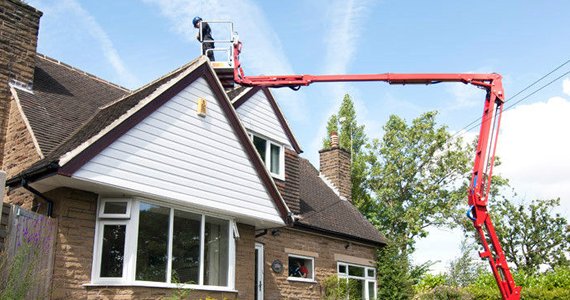
Tell us about your property — medieval cottage in Beckley village, converted oast house on a rural plot, period farmhouse near Northiam, or more recent home on the High Weald ridge. Fixed price from £195 confirmed before booking. Period and listed buildings quoted individually.
Our specialist assesses every element — plain peg tile or Horsham stone condition, lead valleys and flashings at complex junctions, timber structure in older buildings, lime mortar ridge and verge details, and the specific effects of the High Weald’s exposed ridge-top position and Wealden clay ground conditions on your Beckley property.
Full written report with photographs, condition ratings, remaining lifespan estimates, and a prioritised action list with budget figures. Period material assessment and traditional construction methodology included for all Beckley properties.
Beckley sits on a prominent sandstone ridge in the High Weald Area of Outstanding Natural Beauty, between Rye to the south-east and Northiam to the north-west, looking out across the broad Rother levels towards the English Channel. The village has a Saxon origin and developed through the medieval period as an agricultural community, leaving a legacy of timber-framed cottages, farmhouses, and converted farm buildings that represent some of the most characterful rural property in East Sussex. The church of All Saints dates from the 13th century, and several village properties retain original features including Horsham stone slab roofing, hand-made plain clay peg tiles, and complex timber roof structures. A roof survey Beckley assessment from £195 provides the specialist traditional materials knowledge these properties require.
The High Weald ridge position creates specific roofing challenges that generic surveys fail to address. Beckley sits exposed on a sandstone ridge with open views in multiple directions — this exposure means wind-driven rain penetrates from several angles, and the ridge’s elevation creates wind speeds higher than the sheltered Rother valley below. The underlying Wealden clay and sandstone creates seasonal ground movement that affects chimney stacks, particularly on older properties where lime mortar has softened over centuries. The combination of age, traditional materials, exposed position, and clay ground movement makes Beckley property roofs among the most technically demanding to assess correctly in East Sussex.
Several of Beckley’s oldest properties retain original Horsham stone slab roofing — the heavy sandstone slabs that were the dominant roofing material of the High Weald before industrially produced clay tiles became widely available in the 19th century. Horsham stone has a nominal life measured in centuries, but the heavy weight creates specific structural demands, and the mortar joints between slabs deteriorate over time, allowing water to find paths through that do not manifest as visible internal leaks for years. More common are hand-made plain clay peg tiles — hung on timber pegs through holes in the tile rather than fixed with nails — which require specialist assessment of peg condition and hanging integrity that modern tiled roof survey methodology does not address.
Properties in nearby Northiam and Peasmarsh share similar High Weald rural property characteristics, while Staplecross and Sedlescombe have comparable period cottage stock.
For homeowners: A £195 roof survey Beckley assessment provides an independent baseline for maintaining a period property correctly — understanding which elements are original and irreplaceable, which have been previously repaired (sometimes correctly, sometimes not), and what work is genuinely necessary in the next 3–5 years.
For buyers: Before purchasing a Beckley period cottage or farmhouse, specialist roof survey assessment is essential. Standard homebuyer surveys cannot assess traditional materials like Horsham stone, hand-made plain tiles, or complex timber roof structures to the depth required to understand their true condition and remaining lifespan.
Nearby Areas: We also cover Northiam, Peasmarsh, Staplecross, Sedlescombe, and Westfield.
A buyer purchased a converted 17th-century farmhouse on the Beckley ridge for £780K. The property had been sympathetically modernised with a well-equipped kitchen and bathroom, original beams exposed, and attractive gardens. The homebuyer survey noted “roof covering appears intact, some moss growth noted, recommend monitoring.” No specialist roof survey Beckley inspection was commissioned.
First winter: Significant damp in the main bedroom during prolonged rainfall. Local builder investigates — finds water tracking along a principal rafter. Source unclear from inside. Temporary internal repair: £400.
Spring: Thorough external inspection reveals the original plain peg tiles on the west-facing slope have multiple cracked and slipped tiles — several tiles are hanging on a single remaining wooden peg, the others long rotted. Behind them, the original reed felt underlay has perished entirely. The moss that the homebuyer survey noted has been trapping moisture against the tiles, accelerating freeze-thaw cracking across the entire west slope. Complete west slope strip and re-tile required: £14,000–£18,000.
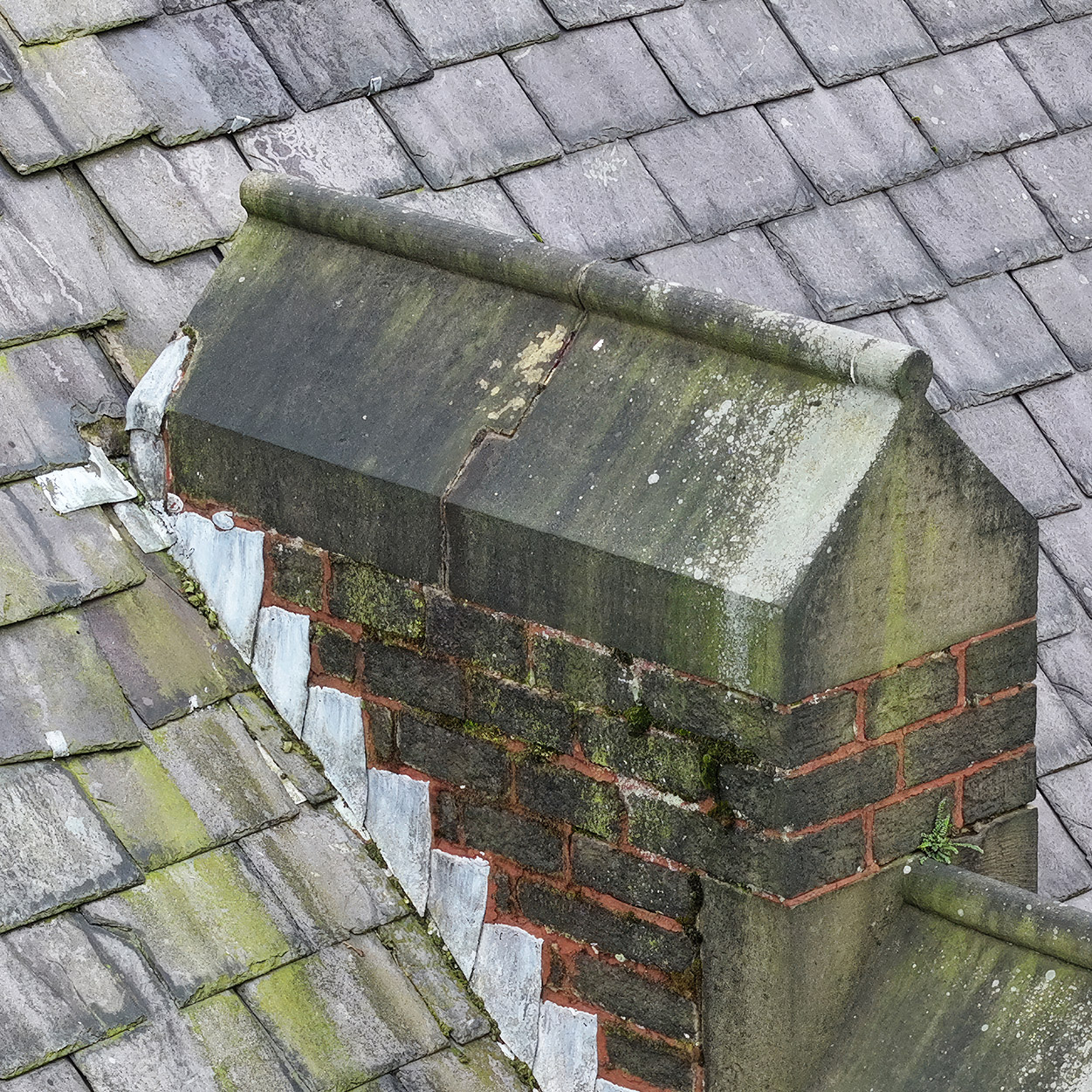
Further investigation: The chimney stack lime mortar pointing has failed across the south face — the stack is on Wealden clay and has moved slightly, breaking the bond. Repointing with lime mortar and lead flashing re-dressing: additional £3,500.
What a £195 Roof Survey Would Have Shown Before Purchase: “Original plain peg tiles on west slope showing advanced peg rot — multiple tiles at risk of failure. Underlay perished. Moss growth has accelerated freeze-thaw cracking. West slope requires full strip and re-tile within 12 months: budget £13,000–£17,000. Chimney stack lime mortar failed on south face, clay ground movement suspected. Budget additional £3,000–£4,000.”
The Lesson: Traditional Beckley properties require surveyors who understand peg tile hanging, lime mortar behaviour, Horsham stone characteristics, and how Wealden clay moves beneath old buildings. A £195 specialist roof survey Beckley inspection provides this knowledge — a standard homebuyer survey cannot.


Professional roof surveys in Beckley require specialist understanding of High Weald traditional materials — Horsham stone, hand-made plain peg tiles, timber-framed structures, and lime mortar behaviour on Wealden clay. We combine RICS-registered qualifications with genuine expertise in traditional rural property assessment that standard survey methodology cannot replicate.
From timber-framed cottages in Beckley village to converted oast houses on the High Weald to farmhouses overlooking the Rother valley, professional roof survey Beckley assessment from £195 provides accurate, independent intelligence about your traditional property’s roofing condition. We assess peg tile and Horsham stone integrity, lead work condition, timber structure, lime mortar behaviour, and clay ground movement effects.
Fixed price from £195 when you call. Period and listed buildings quoted individually. Report within 48 hours.
Beckley’s medieval and post-medieval cottages and farmhouses use traditional materials that require specialist assessment. Peg tile rot, Horsham stone joint failure, and lime mortar deterioration are not identifiable from ground level — proper inspection requires getting on the roof and understanding traditional construction.
Before purchasing a period property on the High Weald ridge, specialist roof survey assessment is essential. Standard homebuyer surveys cannot assess traditional materials to the depth required — and in Beckley, the traditional materials are precisely where the condition issues concentrate.
Converted agricultural buildings have complex rooflines with multiple material junctions. Oast house conical roofs, barn ridge structures, and the junctions between converted and ancillary sections require specialist assessment that standard residential survey methodology does not address.
Many Beckley properties are listed. Specialist assessment identifies appropriate repair materials and methods that comply with listed building consent requirements while genuinely protecting the structure. Our reports provide the technical detail that listed building applications require.
Period property insurers and mortgage providers increasingly require specialist roof condition evidence for properties of this age and construction type. An independent professional survey provides the documentation required.
Moss on High Weald properties in sheltered valley positions is aggressive. On plain clay peg tiles, established moss beds cause tile lifting, peg rot, and mortar erosion. Professional assessment determines how far penetration has progressed and recommends appropriate traditional remediation.
Plain clay peg tiles are hung on timber pegs inserted through holes in the tile rather than nailed. When the wooden pegs rot — which happens over 80–150 years depending on conditions — tiles are held only by their own weight and neighbouring tiles. Strong wind or frost can dislodge them without warning. Professional assessment tests peg condition across the roof, not just on the tiles visible from ground level.
Yes, but correctly. Horsham stone repair requires sourcing matching material, understanding traditional lime mortar bedding, and respecting the structural loading implications of the heavy slabs. Our surveys identify what repair is required and specify the appropriate traditional approach.
Beckley village and surrounding High Weald including Northiam, Peasmarsh, Staplecross, Sedlescombe, and Westfield.
Period cottages and farmhouses typically require 3–4 hours on-site due to the complexity of traditional materials. Oast house conversions may take longer. Full written report with photographs within 48 hours.
From £195 for standard properties. Period, listed, or oast house properties are quoted individually. Call 07833 053 749 for an immediate price.
Yes. The Wealden clay beneath Beckley causes seasonal ground movement that progressively affects chimney stacks on older properties. Our surveys assess clay movement effects on chimney plumb, flashing bond integrity, and lime mortar condition at stacks — a critical element of traditional property assessment.
Beckley offers some of the most authentic High Weald rural character in East Sussex — a genuine village community on a sandstone ridge, surrounded by ancient woodland, hop garden remnants, and the vast open landscape of the Rother levels. The village has no through-road traffic and retains a quiet, rural character that is increasingly rare within reasonable reach of London and the South East’s principal towns. Rye is 6 miles south-east; Northiam is 3 miles to the north-west. The A21 provides access to the M25 via Flimwell. Properties in Beckley reflect the character of the location — period cottages, farmhouses, and rural conversions typically achieve £500K–£900K, with exceptional listed farmhouses and oast house conversions reaching £1M and above.
At these values, and given the specialist materials and construction methods involved, a £195 roof survey Beckley assessment is essential due diligence. Traditional roofing materials that require specialist knowledge are precisely the elements most likely to generate significant post-purchase repair bills when assessed inadequately at the point of sale.
Beckley village centre, Bixley Lane, Four Throws, Flexham Park, Beckley Furnace, surrounding farms and rural properties
Northiam, Peasmarsh, Staplecross, Sedlescombe, Westfield, Broad Oak, Brede
TN31 (Beckley/Rye area), TN32 (Robertsbridge/Staplecross), TN33 (Battle area border)
Whether you own a medieval cottage in Beckley village, a converted oast house on the High Weald, or a period farmhouse overlooking the Rother levels, professional roof survey assessment from £195 provides the specialist traditional materials knowledge your property requires. Independent, thorough, and built on genuine expertise in High Weald rural property assessment.
Call 07833 053 749 now. Roof survey Beckley from £195. Written report within 48 hours.
