
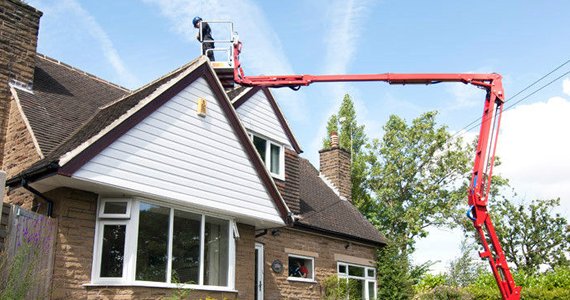
Tell us about your property — Victorian house on the High Street, Edwardian villa off Priory Road, period cottage near the forest edge, substantial house towards Wych Cross, family home in the village, or property looking out across open heath. Fixed price from £195.
Our specialist assesses every element with Ashdown Forest conditions in mind — tile and slate condition, chimney mortar erosion from ridge-top exposure, lead flashings, ridge tiles, timber structure, valley gutters, wind-driven rain penetration, ventilation, moss and biological growth in sheltered positions, and the specific exposure profile of your property’s position.
Full written report with photographs, condition ratings, remaining lifespan estimates, and a prioritised action list with budget figures. Exposure assessment specific to your property’s position relative to the open forest, and material specifications appropriate to the High Weald National Landscape.
Forest Row is a village and large civil parish in the Wealden District of East Sussex, three miles south-east of East Grinstead, ranked as Britain’s third “poshest village” in 2023. First recorded in 1467 as “Forstrowe,” it originated as hunting lodges where the turnpike road (now the A22) began its climb up the Ashdown Forest ridge. The railway arrived in 1866, stimulating substantial Victorian and Edwardian development, and closed under the Beeching cuts in 1967. Ashdown Forest — 6,500 acres of open heathland and woodland, a former royal deer park enclosed in the thirteenth century, and the inspiration for A.A. Milne’s Hundred Acre Wood — surrounds the village on three sides. Kidbrooke Park, built in 1724 for Lord Abergavenny with parkland by Humphrey Repton, now houses Michael Hall, the oldest and largest Steiner school in Britain (founded 1925). The Brambletye Hotel features in Conan Doyle’s Sherlock Holmes story “The Adventure of Black Peter.” A roof survey Forest Row assessment from £195 understands this distinctive forest-edge village.
Forest Row’s roofing challenge is defined by Ashdown Forest itself. The forest ridge rises to over 200 metres above sea level — one of the highest points in south-east England. Properties on the higher ground, towards the forest edge and along roads climbing towards Wych Cross or Coleman’s Hatch, face open heathland where there are no trees. Ashdown Forest is not dense woodland: it is open heath of heather, gorse, and bracken, with scattered groups of Scots pine and birch. The prevailing south-westerly wind crosses this open landscape with nothing to slow it. Roofs on the forest edge receive the full force of weather that has accelerated across miles of unobstructed heath.
This open-heath exposure is the opposite of the sheltered conditions in Forest Row’s lower-lying areas. Properties in the village centre and in the valleys towards Weir Wood Reservoir sit among mature trees where shade, leaf debris, and reduced airflow create the moisture-retention problems familiar across the High Weald. The critical distinction is that Forest Row contains both extremes within a single parish. A property on the forest ridge may need a roof designed and maintained for exposed conditions — secure fixings, flexible flashings, hard mortar. A property in the valley may need one designed for moisture management — good ventilation, breathable materials, debris-resistant valleys. A standard survey that does not assess your property’s specific position will apply generic findings that miss the conditions actually affecting your roof. A £195 survey identifies which set of pressures applies to your property.
For homeowners: A £195 roof survey reveals whether your roof is being attacked by Ashdown Forest exposure from above or valley moisture from below — or both.
For buyers: Before committing £350K-£1.5M+ on a Forest Row property, a £195 roof survey reveals the true remaining lifespan by assessing your property’s specific position, exposure, and the hidden effects of decades at the edge of one of the most exposed landscapes in south-east England.
Nearby Areas: We also cover Hartfield, Groombridge, East Grinstead, Crowborough, and Nutley.
A couple purchased a four-bedroom Edwardian detached house on a road climbing towards the forest edge for £785K. Natural slate roof, three chimneys, bay windows, good-sized garden backing onto open heathland. The purchase survey, conducted in August, described the roof as “slate covering in serviceable condition, some repointing of chimney stacks recommended.” No specialist roof survey was commissioned. The agents emphasised the views across Ashdown Forest as a key selling point.
Year 1 (November): First autumn storm drives rain into the south-west bedroom through a window junction with the roof. Roofer refits a lead soaker at the abutment. Cost: £350. Notes the south-west exposure is “quite fierce.”
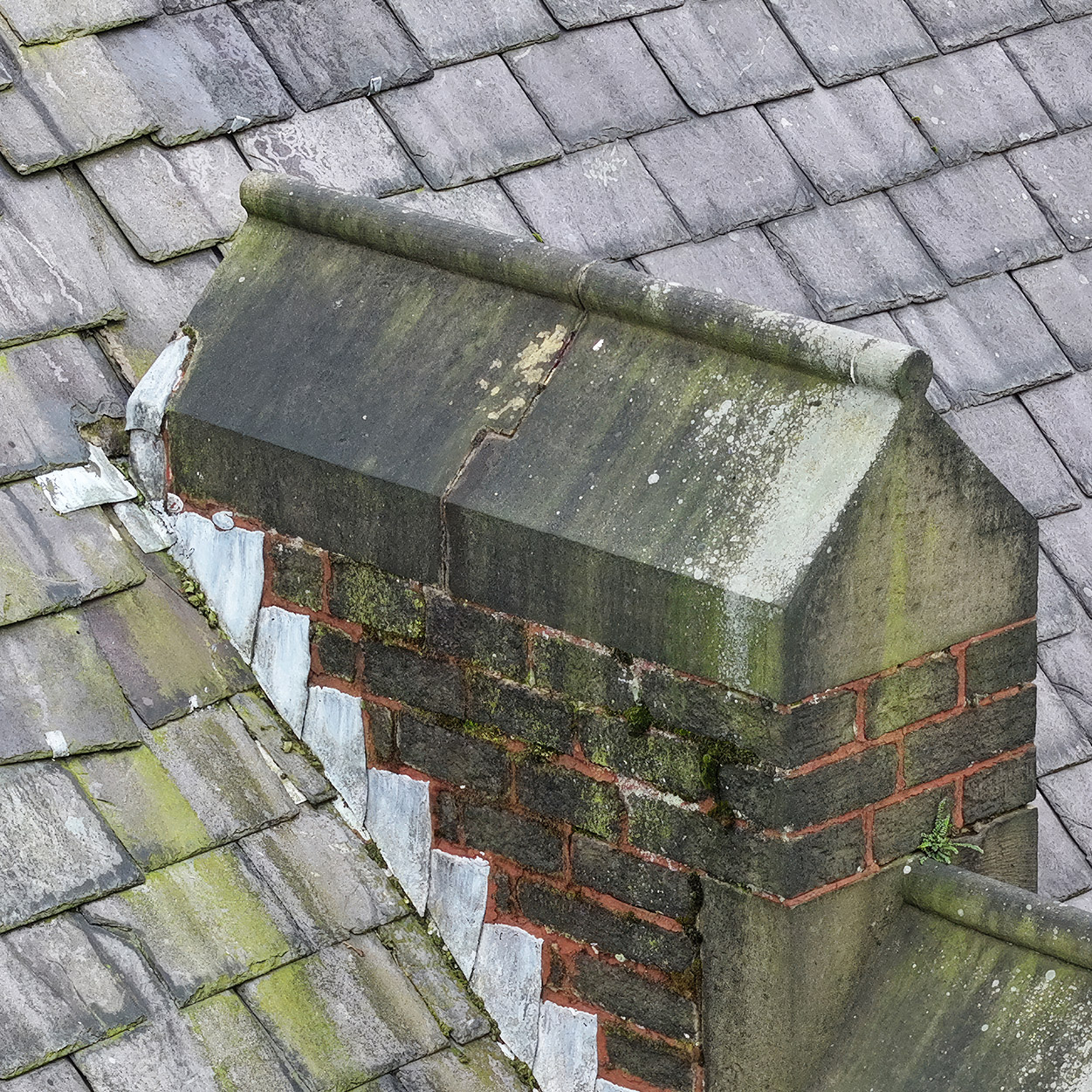
Year 2: Ridge tiles on the south-west slope loosen during winter gales. Three are rebedded. Cost: £450. Chimney mortar on the south-west face has visibly eroded since purchase. A second abutment leak appears at a dormer junction on the same slope. Roofer patches the lead. £300.
Year 3: Specialist investigation reveals a systematic pattern. The south-west elevation of this house faces directly onto open Ashdown Forest heath with no shelter for over a mile. The prevailing south-westerly wind crosses this unobstructed heathland and hits the roof at full force. Every element on the south-west slope — chimney mortar, ridge mortar, lead flashings at abutments and dormers, slate fixings — is deteriorating at roughly twice the rate of the north-east slope. The chimney mortar on the south-west face has eroded to 30-40% depth while the sheltered north-east face retains full mortar. Lead flashings on the south-west slope show fatigue cracking from constant wind flexing that the sheltered side does not experience. Several slate nail fixings on the south-west slope have corroded from decades of wind-driven rain penetration. The August purchase survey saw a roof that looked uniform from all angles. The reality is that the south-west half of this roof is approaching end of life while the north-east half has 15-20 years remaining. South-west slope: comprehensive re-slating with upgraded fixings, chimney repointing, new lead flashings at all abutments and dormers with enhanced wind tolerance, ridge renewal: £12,000-£18,000.
What a £195 Roof Survey Would Have Shown Before Purchase: “This Edwardian house faces directly onto open Ashdown Forest heathland from the south-west with no shelter. The south-west elevation shows advanced weather erosion: chimney mortar at 30-40% on exposed face, lead flashings showing fatigue cracking, ridge mortar softened, several slate fixings corroded from wind-driven rain. North-east side significantly better preserved. This is a split-condition roof where the exposed half is approaching replacement while the sheltered half remains serviceable. Budget £10,000-£14,000 for phased renewal of south-west elevation: re-slating, chimney repointing, flashing replacement, ridge renewal.”
The Lesson: In Forest Row, the view across Ashdown Forest is the selling point and the roofing problem. Open heathland means nothing between your roof and the weather. A £195 survey assesses each elevation individually — because a forest-edge roof can be two completely different roofs depending on which way it faces.


Professional roof surveys in Forest Row require understanding of Ashdown Forest’s unique exposure profile — open heathland at over 200 metres elevation creating some of the most exposed conditions in south-east England, combined with sheltered wooded valleys just metres lower. We assess each property’s specific position, the differential weathering between exposed and sheltered elevations, and how Forest Row’s wide range of building ages — from Victorian railway-era houses to Edwardian villas to substantial period properties — responds to these conditions. We combine RICS-registered qualifications with specialist knowledge of this distinctive forest-edge environment.
From Victorian village houses to Edwardian villas to substantial forest-edge properties, professional roof survey Forest Row assessment from £195 provides position-specific, exposure-aware intelligence. We assess each elevation individually, identify differential weathering between exposed and sheltered sides, and provide material specifications appropriate to your property’s specific relationship with Ashdown Forest.
Exact quotes from £195 when you call. No surprises. Most Forest Row residential surveys from £195.
Woodland provides shelter. Open heath does not. Ashdown Forest is predominantly heather, gorse, and bracken with scattered trees — not dense forest. The prevailing south-westerly wind crosses this open landscape unimpeded. Properties facing onto the heath receive weather at full strength, while those sheltered by woodland or in the village centre experience much milder conditions. Our surveys assess your specific exposure.
Absolutely. A roof on the forest edge commonly shows the south-west slopes approaching end of life while the north-east slopes remain serviceable for 15-20 years. This differential is caused by the prevailing weather attacking the exposed face while the sheltered face is protected. Our surveys assess each elevation individually and provide separate condition ratings.
All Forest Row plus Hartfield, East Grinstead, Crowborough, and surrounding areas.
Typically 1.5-2.5 hours on-site. Report within 48 hours.
From £195 for standard residential properties. Call 07833 053 749 for an immediate exact quote.
Potentially. Properties on the open forest edge benefit from harder mortar specifications, enhanced fixing details, and heavier-gauge lead flashings than sheltered village properties. Our surveys include material recommendations appropriate to your specific position — because the same repair specification does not suit both the forest ridge and the valley below it.
Forest Row combines rural High Weald living with access to East Grinstead (3 miles), Tunbridge Wells (12 miles via B2110), and London (East Grinstead station, then Victoria/London Bridge). The village has a wide range of independent shops, restaurants, and a strong community identity shaped in part by the Steiner education tradition. Ashdown Forest on three sides provides 6,500 acres of open-access heathland. Weir Wood Reservoir offers water sports and wildlife. Royal Ashdown Forest Golf Club (established 1888) is one of the oldest in Sussex. Properties range from £300K for smaller homes to £500-800K for village houses to £800K-£1.5M+ for substantial properties with forest views or land.
At these values, a £195 roof survey Forest Row assessment is essential. Understanding whether your property’s position creates exposed or sheltered conditions could prevent a £5,000-£20,000 surprise.
Village centre, forest edge properties, towards Wych Cross, Coleman’s Hatch, Weir Wood area, Kidbrooke Park area
Hartfield, Groombridge, East Grinstead, Nutley, Crowborough
RH18 (Forest Row), RH19 (East Grinstead area)
Whether your Forest Row property faces onto open Ashdown Forest heath or sits sheltered among woodland in the valley, professional roof survey assessment from £195 reveals how your specific position is affecting your roof. The same village can present completely different roofing challenges depending on elevation, aspect, and shelter. A £195 survey assesses each elevation of your property individually and provides the position-specific intelligence that generic surveys cannot.
Call 07833 053 749 now. Roof survey Forest Row from £195. Report within 48 hours.
