Tell us about your Lower Halliford property — a Victorian or Edwardian cottage on Halliford Road or the riverside lanes, a 1920s or 30s bungalow in the streets behind the river, or a post-war property on the flood plain fringe. Price confirmed from £195 by phone immediately. No forms, no waiting.
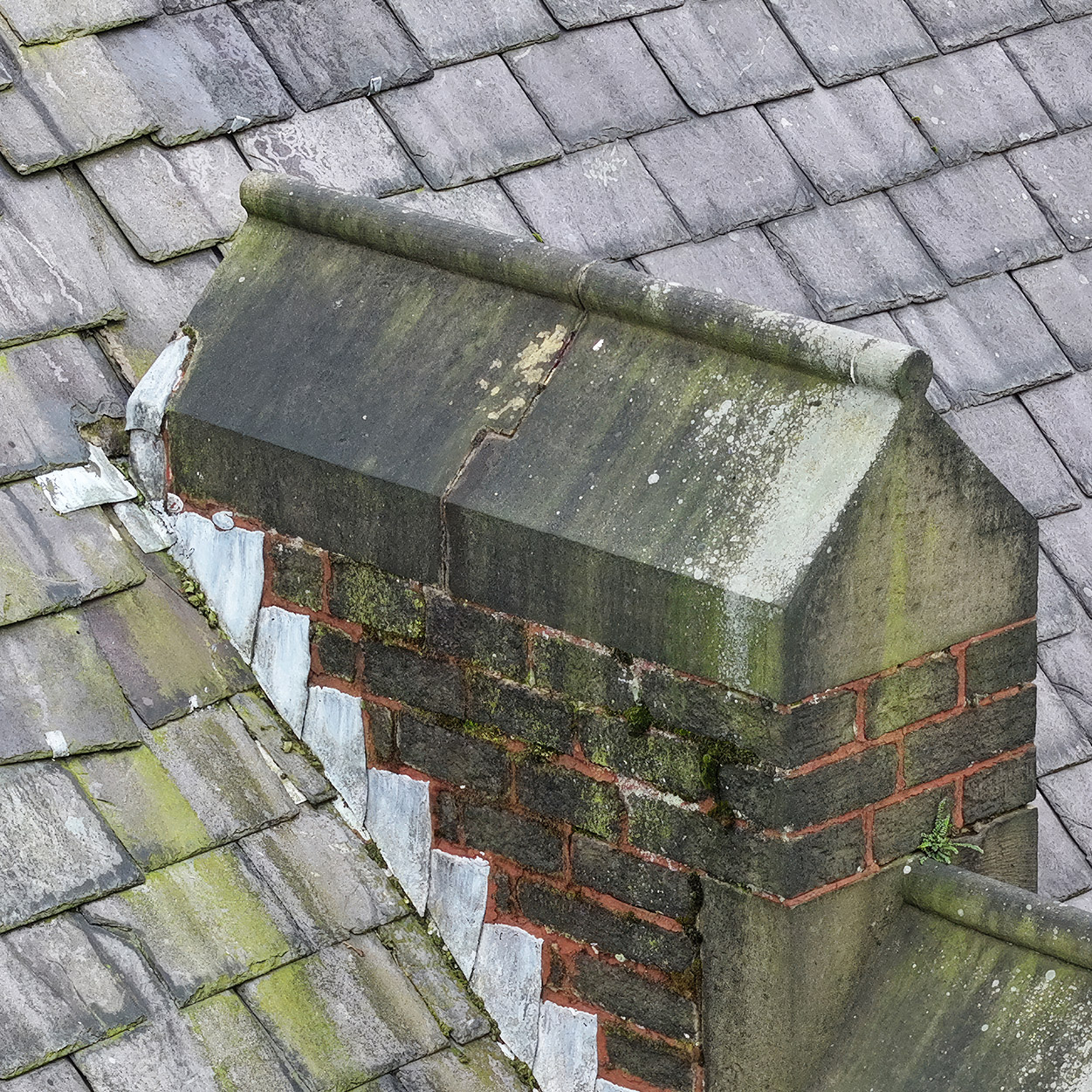
Our specialist assesses every element matched to your property era — clay plain tile or Welsh slate condition and nail fixings on Victorian cottages; lime mortar ridge bedding depth and cohesion; original lead flashing integrity at chimney stacks; felt underlay presence and condition on 1930s bungalows; low-pitch tile drainage; flat lean-to and bay roof sections; loft moisture indicators from flood-plain ground conditions; and lichen colonisation on north-facing slopes in this elevated-humidity riverside environment.
Full written report with photographs, condition ratings for every element, remaining lifespan estimates, and a prioritised costed action list. Victorian cottages: nail condition, lime mortar depth, lead flashing integrity assessed specifically. 1930s bungalows: underlay status confirmed via loft inspection, low-pitch tile drainage, flat sections. Report within 48 hours. For buyers: costed schedules for negotiation.
Lower Halliford is a riverside hamlet at the southern edge of Shepperton, clustered along Halliford Road and the lanes that run down to the Thames bank. The Anchor pub on the river has marked this as a distinct riverside settlement for well over a century, and the character of the hamlet reflects that history — a mix of Victorian and Edwardian workers’ cottages built when the river was a working artery, 1920s and 30s bungalows that filled the residential streets as the area became quieter and more domestic, and some post-war infill. The oldest properties predate the First World War; the newest are typically mid-20th century. It is genuinely a different place from the suburban streets of Shepperton proper, and its roofing challenges reflect that difference.
Lower Halliford sits on the Thames flood plain in a way that is not merely a planning designation. The 2014 Thames floods brought standing water to many properties in the hamlet and the lower-lying streets remained affected for weeks. Even in non-flood years the water table is high, the ground stays wet well into spring, and the ambient humidity at property level is measurably greater than at inland properties only a mile or two away. For roofing materials, this sustained moisture exposure is chronic rather than acute — it accumulates over the decades that a Victorian cottage or 1930s bungalow has stood in this environment, in ways that are invisible from outside but progressive in their effect on lime mortar, iron nail fixings, and period lead flashings.
Victorian and Edwardian cottages in Lower Halliford typically have clay plain tile or Welsh slate roofs laid without felt underlays — standard for the era. Lime mortar in ridge beds and chimney pointing absorbs moisture across every wet season; in a flood-plain environment that wet season is longer and the moisture loading is higher than at most comparable inland Surrey properties. Lead flashings at chimney stacks are period originals on many cottages — code-3 and code-4 lead that has been in this environment for 80 to 120 years. Nail fatigue on Welsh slate is a specific risk: century-old iron fixings corrode invisibly while the slate itself remains sound, creating a nail-sick condition where individual slates begin slipping progressively until the fixings across the whole slope fail.
The 1920s and 30s bungalows present a different profile entirely. Low-pitched plain tile or early concrete tile roofs, original bitumen felt underlays now invariably perished, and shallow roof pitches that were at the functional lower limit for plain tile. Many bungalows in Lower Halliford also have flat or near-flat sections — rear lean-to extensions, garage roofs, bay window coverages — that were originally felted and require specialist assessment. In a flood-plain microclimate, flat roof drainage failure causes water to pond and back up into roof voids more readily than at drier inland sites.
Standard homebuyer surveys note tile type and apparent surface condition. They do not assess nail integrity on century-old slate fixings via tile-lifter inspection, lime mortar cohesion depth, period lead flashing seal condition, or perished underlay beneath apparently intact tiles. These are the assessments that determine whether your Lower Halliford property has years of life remaining or a significant expenditure imminent — and they require a specialist who understands period materials and flood-plain conditions.
Nearby Areas: Similar Thames riverside and Victorian roofing challenges in Littleton and Shepperton. Inter-war concrete tile issues across Littleton Common. Further afield: Walton-on-Thames and Sunbury-on-Thames.
Surveying period properties on the Thames flood plain demands both professional qualification and direct knowledge of how Victorian and Edwardian construction ages in sustained high-humidity conditions. We understand lime mortar behaviour across many wet seasons in flood-plain environments, nail fatigue patterns in century-old slate fixings, and how period lead flashings degrade when ground moisture levels are chronically elevated. That specific combination — formal qualification and flood-plain material expertise — is what Lower Halliford’s older properties genuinely require.
A couple purchased a two-bedroom 1932 bungalow in Lower Halliford for £420,000. The property had a plain clay tile roof that looked intact. The homebuyer survey noted “roof in reasonable condition, some ridge tile pointing recommended.” No specialist survey was commissioned.
First autumn: During sustained October rain the owners noticed damp patches on the rear bedroom ceiling. A roofer replaced two slipped tiles and pointed the ridge. Cost: £320. The patches dried out and he said the roof was “generally fair for its age.”
Second winter: Damp returned in two ceiling locations after a cold wet January. A second roofer replaced four more tiles and repointed more of the ridge. Cost: £480. Rear bedroom damp reduced but did not stop. He noted the tiles were “sound” but the roof was “getting on a bit.”
Third year: A persistently wet autumn brought damp patches in both rear rooms and a musty smell in the loft. Specialist inspection confirmed the cause: the original 1932 bitumen felt underlay had completely perished across all slopes — brittle dust in places, offering no secondary weather resistance. Wind-driven rain on the low-pitched rear slope had nowhere to go. Loft timbers showed early moisture-related degradation from years of intermittent wetting. Full re-roof — strip, breathable membrane, new batten, re-tile, ridge, flat sections: £11,500. Ceiling reinstatement in two rooms: £1,800. Timber treatment: £600.
What a Specialist Survey at Purchase Would Have Found: “1932 plain clay tile bungalow. Tiles structurally intact, surface condition good for age. Original bitumen felt underlay assessed via loft inspection as fully perished — no secondary weather barrier. Low rear pitch at approximately 17.5° is at the lower limit for plain tile; underlay failure means wind-driven water ingress in wet conditions. Ridge mortar eroded, repoint required. Flat lean-to: original felt perished, water ponding evident. Re-roofing recommended within 6–12 months. Estimated planned cost: £10,000–£12,500.”
The Lower Halliford Pattern: 1920s and 30s bungalows throughout the hamlet have original felt underlays that are comprehensively perished. Tiles look fine from outside — plain clay tile barely ages visually. But the underlay is the actual weather barrier on a low-pitched roof, and the flood-plain microclimate means loft spaces stay damper once water ingress begins, accelerating timber degradation. Early detection through specialist survey prevents the compounding damage.
Survey cost: from £195. Saving identified: planned re-roof at £10,000–£12,500 versus emergency re-roof with ceiling and timber remediation at £13,900+.
Roof surveys for Lower Halliford properties start from £195. Whether a Victorian cottage on the riverside lanes, a 1930s bungalow with a low-pitched tile roof, or a post-war property on the flood plain fringe — period and inter-war properties in this environment need assessment that looks beyond visible tile condition to underlay integrity, nail fixings, lime mortar depth, and period lead flashings. Call 07833 053 749 now. Exact price confirmed immediately. Report within 48 hours.
On a Lower Halliford property worth £380,000–£500,000, discovering post-purchase that a perished underlay has caused progressive timber damage through years of intermittent wetting is a costly and avoidable surprise. Pre-purchase specialist assessment identifies the issue before exchange. Independent and honest — no interest in selling repairs.
Standard homebuyer surveys cannot assess perished felt underlay on 1930s bungalows, nail integrity on Victorian slate fixings, lime mortar cohesion depth, or period lead flashing condition. These are precisely the failure points that drive the largest expenditure on Lower Halliford’s older housing stock. Know what you’re buying before exchange, not after you’re committed.
Recurring slate slippage on Victorian cottages in Lower Halliford is typically nail-sick — century-old iron fixings corroded by flood-plain humidity until they no longer grip. Replacing individual slates treats the symptom. Specialist survey identifies whether the fixings across the whole slope have failed so you address the cause, not just the visible result.
Ceiling damp in Lower Halliford properties can originate from perished underlay, failed lead flashings, eroded ridge mortar, or chimney stack leaks. Each has a different cause, cost, and solution. Specialist survey identifies the actual source rather than leaving you cycling through repair attempts that address symptoms but not causes.
After a flood event, the primary concern is ground-floor damage — but roof structures and loft timbers are also affected when internal humidity rises for extended periods. If your property was flooded in 2014 or since, assessment of loft timber moisture levels and roof drainage condition is worth commissioning before invisible damage progresses.
Victorian and Edwardian cottages in Lower Halliford are candidates for loft conversion given their proportions and river locations. Understanding existing rafter integrity, purlin loading, and nail-sick slate condition before committing to conversion avoids discovering mid-build that the roof requires full replacement before work can proceed.
Many Lower Halliford properties have been in the same ownership for years. A baseline specialist survey establishes what condition the roof is in now, what needs attention within one to two years, and what has five or more years remaining — so you plan and budget rather than react to problems as they surface.
Usually yes. Underlay condition on 1930s bungalows is assessed through loft inspection — examining the underside of the roof deck, checking for brittleness or fragmentation at eaves, assessing moisture indicators in the loft space, and combining these with knowledge of what 1930s bitumen felt does at this age in an elevated-humidity environment. Where specific areas need closer inspection a controlled tile lift can be used. Full stripping is not required for a reliable assessment.
Nail-sick describes a condition where iron or copper nails fixing slates to battens have corroded until they no longer hold securely. Individual slates begin slipping, typically starting on lower courses where moisture is greatest. Diagnosis requires a tile-lifter inspection of fixing integrity across a sample of the roof — it cannot be assessed from ground level or by looking at the slate surface. In Lower Halliford’s elevated-humidity environment, nail corrosion on Victorian cottages progresses faster than at inland sites.
Yes. Post-flood assessment looks at roof structure timber moisture levels, drainage pathway condition, and whether temporary flood protection has affected roof drainage or caused debris accumulation in gutters and valleys. We provide written reports suitable for insurance claims.
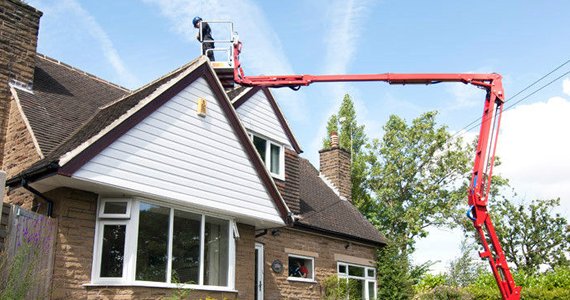
Most residential surveys take 2–3 hours on-site, including loft space inspection. Victorian cottages with complex chimney stacks may take slightly longer. Written report with photographs, element-by-element condition ratings, and prioritised costed recommendations within 48 hours.
We cover all of Lower Halliford and the TW17 area, plus Shepperton, Littleton, Laleham, Sunbury-on-Thames, Walton-on-Thames, and throughout the Spelthorne and Elmbridge boroughs of Surrey.
Roof surveys start from £195. Call 07833 053 749 for an exact price confirmed immediately — no forms, no waiting.
Lower Halliford occupies a particular niche in the Spelthorne property market — smaller and more genuinely riverside in character than Shepperton proper, with a quiet hamlet feel that attracts buyers seeking Thames proximity without the busier village centre. Victorian and Edwardian cottages on Halliford Road and the riverside lanes typically trade between £400,000 and £550,000; 1930s bungalows in the residential streets behind the river range from £360,000 to £480,000 depending on size, condition, and flood risk position. The flood risk designation of many properties is a known market factor that affects insurance costs and occasionally lender appetite — detailed property condition documentation including independent roof surveys is increasingly expected by insurers and relevant to planning flood risk assessments.
The 2014 Thames floods brought widespread attention to the flood risk affecting Lower Halliford and adjacent parts of Shepperton, and many owners subsequently invested in ground-level flood defence. What is less often considered is the cumulative effect of the flood-plain microclimate on roofing materials over many decades — a slower process than an acute flood event but no less real. Victorian cottages that have stood in this elevated-humidity environment since before the First World War accumulate significant lime mortar erosion, iron nail corrosion, and lead flashing degradation that simply does not occur at comparable inland properties. Understanding this distinction is what makes a flood-plain specialist survey meaningfully different from a generic roof condition report.
Halliford Road, the riverside lanes, Russell Road, Percy Road, and all residential streets within the Lower Halliford hamlet TW17
Shepperton, Littleton, Walton-on-Thames, Sunbury-on-Thames, Weybridge
TW17 (Shepperton/Lower Halliford), TW16 (Sunbury), TW12 (Hampton), KT12 (Walton-on-Thames)
Whether you’re buying a Victorian cottage on the riverside lanes, assessing a 1930s bungalow with a low-pitched plain tile roof over a perished underlay, or want the actual condition of period lead flashings on a century-old chimney stack in a flood-plain environment — specialist assessment gives you the facts that matter. Not generic surface observation. Specific knowledge of how these materials age in this specific riverside setting.
Call 07833 053 749 now for immediate assessment. Price confirmed from £195 by phone. Detailed report and costed maintenance recommendations within 48 hours. Same-day service often available for Lower Halliford and the surrounding TW17 area.