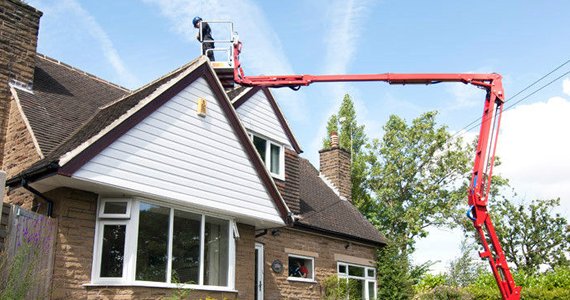
Tell us about your Littleton Common property — a 1930s semi with its original concrete tile roof, a 1950s or 60s detached under Heathrow’s approach, or a bungalow in the quieter streets between Shepperton Road and the reservoir. Price confirmed from £195 by phone immediately. No forms, no waiting.
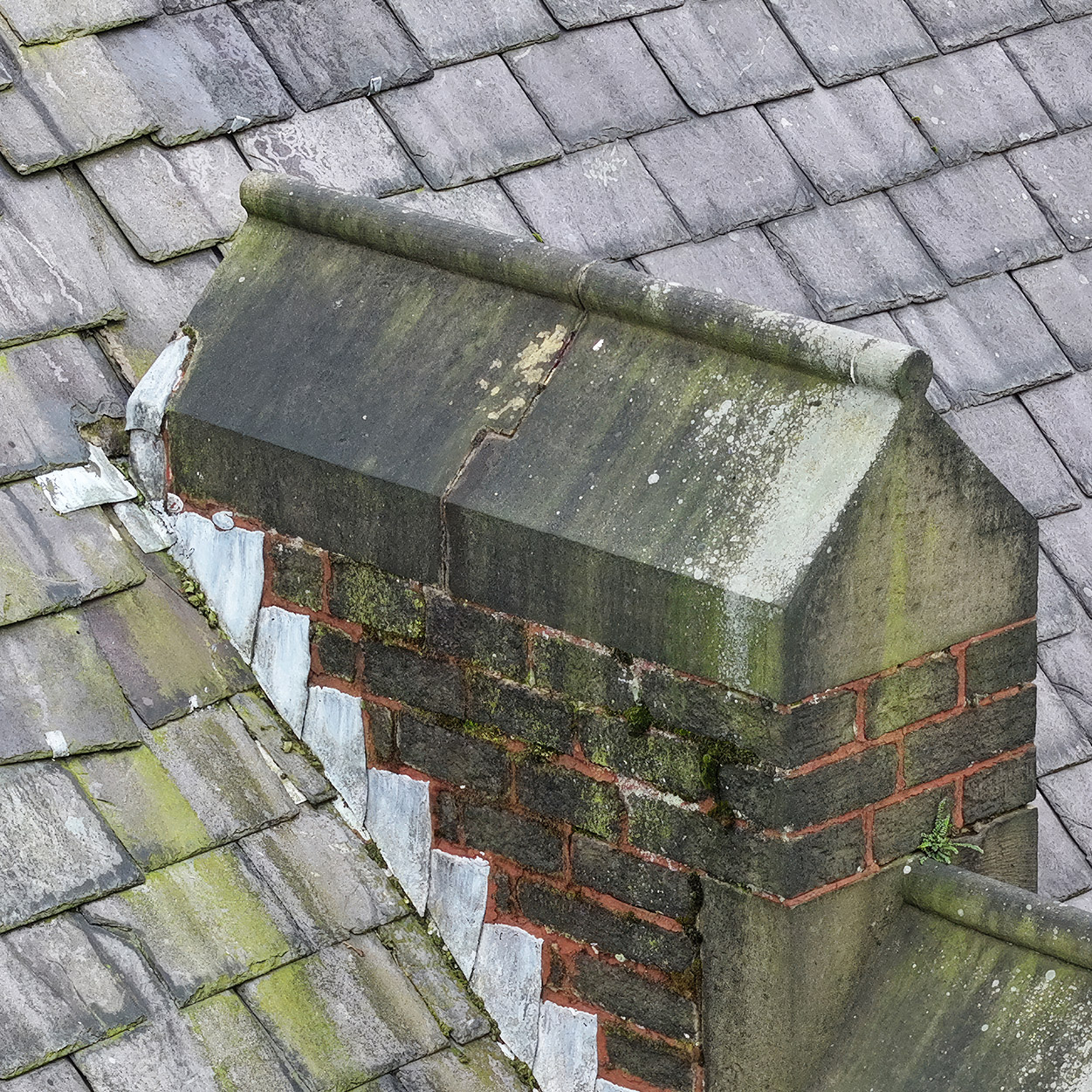
Our specialist assesses every element matched to your property era — concrete interlocking tile condition and surface erosion, original felt underlay integrity, ridge tile mortar and vibration-related loosening, chimney flaunching and stack pointing, fascia, soffit and guttering condition, London clay settlement effects on roof structure, and moss or lichen growth trapping moisture against ageing tile surfaces.
Full written report with photographs, condition ratings, remaining lifespan estimates, and a prioritised action list with budget figures. The critical question for most Littleton Common properties — repair or full re-cover? — answered honestly and specifically for your roof. For buyers: costed schedules for price negotiation. Report within 48 hours.
Littleton Common is a small, settled residential area in the Surrey borough of Spelthorne, tucked between Shepperton to the south-west, Ashford to the north-east, and the Queen Mary Reservoir to the north. Its character is defined almost entirely by its inter-war and post-war housing stock — the 1930s semi-detached houses with bay windows and pebbledash render that line the streets around Shepperton Road and Green Lane were built during the same suburban expansion that spread across the whole of this part of Surrey following the arrival of improved rail connections. Post-war development through the 1950s and 1960s added detached houses and bungalows as Littleton Common filled in around the older core. The result is a predominantly owner-occupied residential area where the vast majority of properties are now 60-90 years old and their original roof systems are firmly in or approaching their end-of-life period.
Littleton Common sits directly beneath one of Heathrow Airport’s principal approach corridors. The constant passage of aircraft — dozens of overflights daily at low altitude on the Heathrow approach — creates low-frequency vibration that cumulatively affects older masonry and mortar. Ridge tile bedding mortar, chimney flaunching, and stack pointing on 1930s-60s properties in this area typically show accelerated deterioration compared to equivalent properties further from the flight path. London clay beneath the area adds subsidence risk that compounds mortar cracking and can open gaps in flashings around chimney stacks. The combination of aging concrete tiles, perished felt underlays, vibration-loosened ridge tiles, and clay settlement is the characteristic failure pattern for Littleton Common properties.
A standard survey on a 1930s Littleton Common semi will often note "concrete tiles showing signs of age, mortar pointing requires attention" and leave it at that. What homeowners actually need to know is whether the felt underlay has perished, whether the ridge tile mortar has been vibration-loosened to the point where tiles are at risk of displacement in the next storm, and whether the concrete tile surface erosion has reached the point where water absorption makes them a frost risk. These are the specific questions that determine whether your roof needs targeted repair now or full replacement within five years.
Our Littleton Common surveys address these questions directly. We know what 80-year-old concrete tile erosion looks like versus 80-year-old concrete tile failure. We know what vibration-loosened ridge mortar looks like versus mortar that simply needs routine repointing. We know what London clay settlement cracks in flashings look like and what they mean for water ingress risk. This specificity is what delivers a useful survey rather than generic age observations.
For homeowners: Most Littleton Common owners face the same decision at some point — repair or replace? A professional survey gives you the factual basis to make that decision at the right time, not too early and not so late that water damage forces the issue.
For landlords: Spelthorne’s rental market is active and insurers require documented roof condition for older properties. Professional survey documentation satisfies those requirements and protects you in the event of a tenant dispute about property condition.
Nearby Areas with Similar Properties: The same inter-war and post-war housing challenges appear across neighbouring areas including Shepperton and Ashford, while Staines-upon-Thames has a broader mix including older Victorian stock. See our area guides for specific information.
Professional roof surveys for Surrey inter-war and post-war properties demand both RICS-registered qualifications and direct knowledge of how these specific roof systems age. We understand the concrete interlocking tile roofs of 1930s Spelthorne semis, the felt underlay failure patterns common across this generation of properties, and the specific effects of Heathrow vibration and London clay movement on roof structures and mortar. That combination of professional qualification and local material knowledge is what makes the difference between a useful survey and a generic report.
A family purchased a three-bedroom 1935 semi-detached house in Littleton Common for £465,000. The homebuyer report noted "roof covering in reasonable condition, some repointing of ridge tiles recommended." The concrete interlocking tiles looked intact from ground level. No specialist roof survey was commissioned.
Year 1: During the first autumn, the owners noticed a small damp patch on the bedroom ceiling during heavy rain. They assumed a tile had slipped in the storm, called a local roofer who replaced two tiles and repointed three ridge tiles. Cost: £380. The damp patch dried out. No further investigation.
Year 2: Damp returned in two locations on the same ceiling after the next wet winter. A different roofer inspected and found several more ridge tiles with loose mortar, repointed the entire ridge line. Cost: £720. The front bedroom damp reduced but didn’t stop completely.
Year 3: Following a period of prolonged autumn rain, damp patches appeared on the front bedroom ceiling and in the corner of the main bedroom. Emergency inspection revealed the actual cause: the original bitumen felt underlay beneath the concrete tiles had completely perished across the entire front slope — it was brittle and fragmenting, offering no secondary weather resistance. Water that drove under tiles in wind-driven rain had nowhere to go but into the roof space and through the ceiling. The ridge tile repointing had been correct but insufficient. Full front slope strip, new breathable membrane underlay, re-batten, re-tile, and ridge: £8,500. Ceiling reinstatement in two bedrooms: £1,400.
What a Roof Survey Specialist Would Have Shown at Purchase: "1935 concrete interlocking tile roof. Tiles structurally intact but surface erosion consistent with age. Original bitumen felt underlay assessed as perished across front slope — no secondary weather resistance remaining. Ridge tile mortar showing vibration-related loosening consistent with flight path proximity. Front slope re-covering recommended within 12–18 months before internal water damage occurs. Estimated planned cost: £7,500–£9,000. Ridge mortar: £600–£800."
The Littleton Common Pattern: 1930s concrete tile roofs in this area look intact from ground level long after the felt underlay beneath them has perished. The tiles are the visible surface; the underlay is the actual weather barrier for wind-driven rain. When surveyors assess only visible tile condition, they miss the underlay failure that makes the roof vulnerable. This is the single most common finding on inter-war properties across Littleton Common, Shepperton, and Ashford.
Survey cost: from £195. Saving identified: price renegotiation or planned re-cover at £7,500–£9,000 versus emergency work at £9,900+ with ceiling repair costs.
Roof surveys for Littleton Common properties start from £195. Whether a 1930s semi on Shepperton Road, a 1950s bungalow, or a 1960s detached, inter-war and post-war properties need specific assessment that looks beyond visible tile condition to underlay integrity, mortar condition, and clay settlement effects. Call 07833 053 749 now. Exact price confirmed immediately. Report within 48 hours.
The cost of professional assessment is minimal compared to discovering perished underlay through repeated ceiling damp patches — especially when a pre-purchase survey can identify the issue before you commit to buying. Independent, honest assessment of what’s actually there versus what a ground-level inspection suggests.
Damp patches on ceilings in Littleton Common’s inter-war properties are often caused by perished felt underlay rather than tile failure — meaning tile replacement doesn’t fix the problem. We assess the complete roof system including the underlay that’s invisible from outside, identifying the actual cause rather than the visible symptom.
Standard homebuyer surveys cannot assess felt underlay condition or accurately evaluate 80-year-old concrete tile integrity. Before committing to an inter-war property in Littleton Common, understand whether the roof has years of life or imminent expenditure. Our pre-purchase survey gives you those facts before exchange.
Spelthorne’s rental market requires documented roof condition for insurance compliance. Older properties particularly benefit from professional assessment documentation that demonstrates proactive maintenance management and protects against tenant maintenance disputes.
Before loft conversions or roof extensions on Littleton Common’s inter-war stock, understand the existing roof structure’s condition. Many 1930s roofs require full re-covering before new work can begin — understanding this before starting avoids costly programme delays.
Loose or displaced ridge tiles on properties under Heathrow’s flight path are often vibration-related. Professional assessment determines whether repointing addresses the issue or whether underlying mortar failure requires more comprehensive ridge work before tiles become a safety risk in storms.
Many Littleton Common owners reach the point where they’re unsure whether their 1930s or 1950s roof needs action now or has years left. Professional assessment gives you a clear timeline so you can plan and budget rather than wait for a problem to force the decision.
Our Littleton Common roof surveys assess concrete tile condition and surface erosion, felt underlay integrity, ridge tile mortar and bedding, chimney stack condition and flaunching, lead flashings, fascia, soffit and guttering, signs of water ingress or historic damp, London clay settlement effects on roof structure, and moss and lichen growth levels. Complete assessment of everything that determines your roof’s actual condition.
Often yes. Experienced surveyors can assess underlay condition through loft inspection, examining the underside of the roof deck, checking for brittleness or fragmentation at eaves, and assessing the overall moisture history in the roof space. Combined with tile condition and age, this gives a reliable picture of underlay integrity without stripping.
We cover all of Littleton Common and the surrounding TW15 area, plus Shepperton, Ashford, Staines-upon-Thames, Sunbury-on-Thames, and throughout the Spelthorne borough. We also cover adjacent Surrey areas including Walton-on-Thames and Chertsey.
Most Littleton Common residential roof surveys take 2-3 hours on-site, including loft space inspection where accessible. We provide a detailed written report within 48 hours with photographs, condition ratings for each element, and a clear recommendation on whether repair or re-covering is appropriate.
Yes, for properties of this age. Concrete tiles can appear intact while the felt underlay beneath has completely perished — the underlay is the secondary weather barrier that tiles alone cannot replace. Ground-level visual inspection of tiles is not a reliable indicator of overall roof condition for 1930s-60s properties. That’s exactly what a professional roof survey is for.
Roof surveys in Littleton Common start from £195. Call 07833 053 749 for an exact price confirmed immediately — no forms, no waiting.
Littleton Common sits within the borough of Spelthorne, one of Surrey’s most suburban boroughs, shaped almost entirely by the inter-war and post-war development that followed improved road and rail connections. The area is valued for its quiet residential character, proximity to the River Thames and reservoirs, reasonable commuter access to London, and competitive pricing relative to parts of Surrey with stronger heritage cachet. 1930s semis in Littleton Common and adjacent Shepperton typically trade between £420,000 and £550,000; post-war detached properties reach £500,000 to £650,000 depending on size and condition. The market attracts families seeking suburban space within reasonable distance of Heathrow employment and London commuting.
The proximity to Heathrow is the defining environmental factor for Littleton Common properties. Flight paths bring noise and vibration that have been acting on these properties for as long as Heathrow has been operating at scale. Buyers and owners often overlook this as a maintenance factor — it’s not visible in the way coastal salt-air damage is — but the cumulative effect on mortar, ridge tiles, and chimney flaunching over 50-70 years is real and documentable. Our surveys specifically assess vibration-related deterioration alongside the standard age-related assessment that all inter-war properties require.
London clay is the other constant. Spelthorne properties sit on clay geology that expands and contracts seasonally, and the 2018 drought followed by wet winters created ground movement across the borough that affected foundations, walls, and roof structures. Clay settlement cracks in chimney flashings and pointing are common findings on Littleton Common surveys. Understanding whether these are cosmetic or structurally significant — and distinguishing clay movement from simple age-related deterioration — requires the kind of area-specific knowledge that only comes from surveying many properties in the same locality.
Shepperton Road, Green Lane, Littleton Lane, Charlton Road, Staines Road West, and all residential streets within TW15 3
Shepperton, Ashford, Staines-upon-Thames, Sunbury-on-Thames, Chertsey
TW15 (Ashford/Littleton Common), TW16 (Sunbury), TW17 (Shepperton), TW18 (Staines)
Whether you own a 1930s semi on Shepperton Road, a post-war bungalow, or a 1960s detached, understanding your roof’s actual condition — particularly felt underlay integrity, ridge mortar condition, and clay settlement effects — protects a property investment that has appreciated significantly. The question isn’t whether these ageing roofs will eventually need attention. It’s whether you find out on your terms or through ceiling damp patches.
A professional specialist roof survey in Littleton Common gives you clarity: honest assessment of underlay condition, tile integrity, mortar and flashing status, and a clear recommendation on whether repair or re-covering is the right intervention. Specific expertise for inter-war and post-war Surrey properties — not generic observation.
Call 07833 053 749 now for immediate assessment. We typically complete Littleton Common roof surveys within 2-3 hours. Detailed report and maintenance recommendations provided within 48 hours. Same-day service often available.