Tell us about your Littleton property — a Victorian cottage on Squires Bridge Road or Church Road, an Edwardian house near St Mary Magdalene, or an inter-war property on the village fringe. Price confirmed from £195 by phone immediately. No forms, no waiting lists.
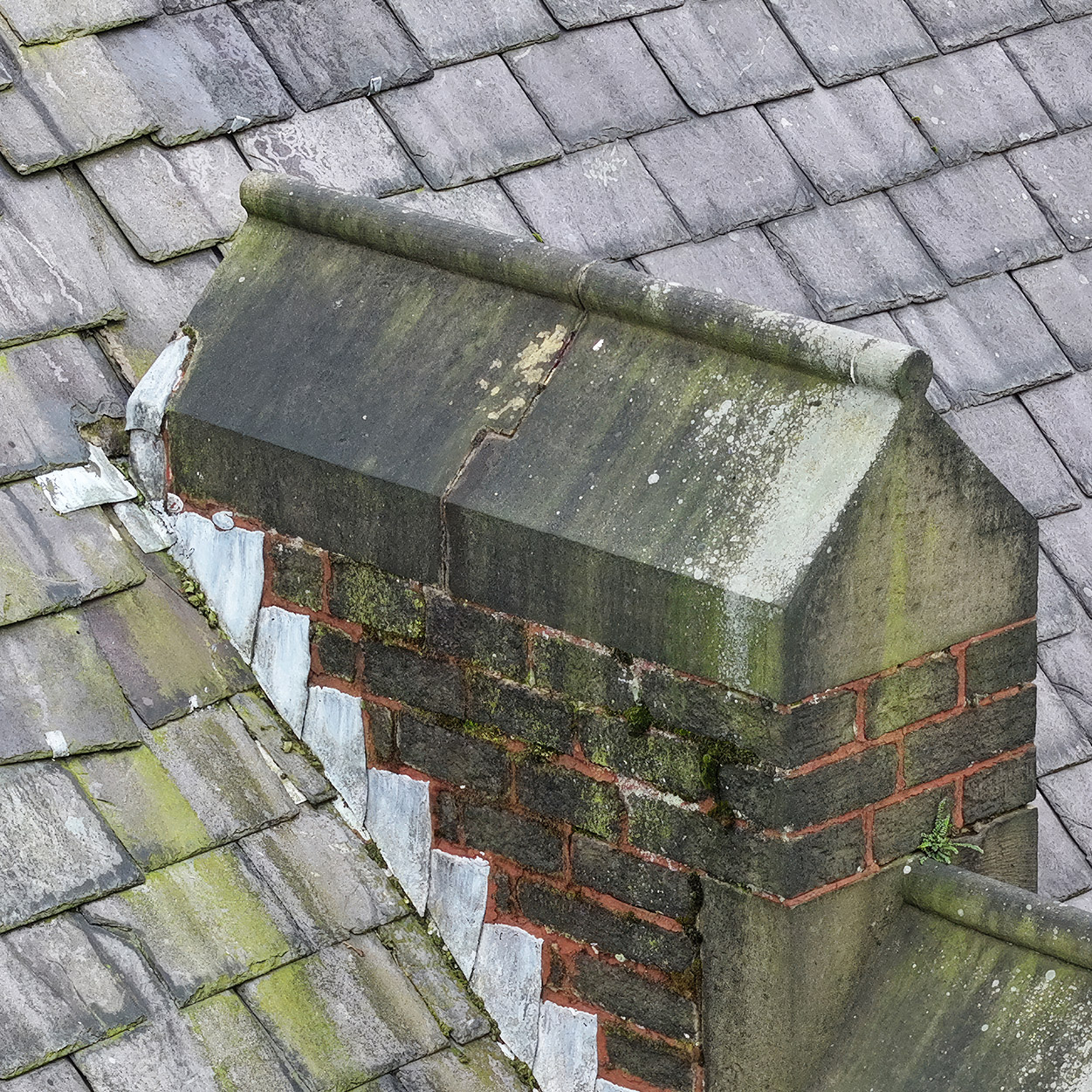
Our specialist assesses every element appropriate to your property’s age and construction — clay plain tile or Welsh slate condition and nail fixings, lime mortar ridge bedding, lead flashing integrity at chimney stacks and abutments, chimney masonry and stack condition, felt underlay presence or absence, guttering and fascia condition, and flood-plain moisture effects on all materials including lichen and moss colonisation patterns.
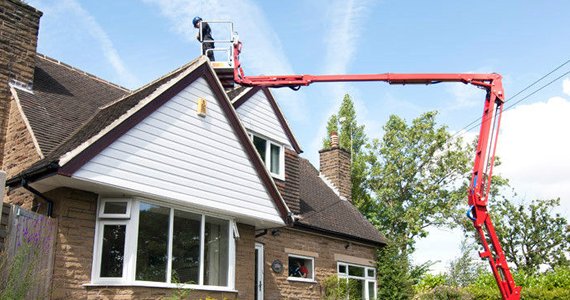
Full written report with photographs, element-by-element condition ratings, remaining lifespan estimates, and a costed priority list. For Victorian Littleton cottages, the critical questions — nail-sick slate, lead flashing failure, lime mortar deterioration — answered honestly with specific recommendations. Report within 48 hours. For buyers: costed schedules for negotiation.
Littleton is one of the smallest and most rural settlements in the borough of Spelthorne — a genuine village, not a suburb. Sandwiched between the Queen Mary and Littleton reservoirs to the north and the Thames flood plain to the south, with Shepperton a mile to the west and Laleham to the east, it has remained remarkably self-contained. The village centre around St Mary Magdalene church and Squires Bridge Road is composed almost entirely of Victorian and Edwardian cottages and farmhouses that predate the inter-war suburban expansion that reshaped most of this part of Surrey. Some of these properties date to the mid-19th century; very few postdate the First World War. The result is a village where the roofing challenge is not ageing concrete tiles but genuinely old clay plain tiles and natural slate installed without felt underlays, with lime mortar throughout, and with lead flashings that in some cases are many decades old.
The Thames flood plain setting is the defining environmental factor for Littleton’s properties. Even during dry years the water table across the village is high, and the proximity of the reservoirs maintains elevated ground moisture year-round. This sustained ambient humidity has specific consequences for the roofing materials used on Victorian and Edwardian buildings. Lime mortar in ridge beds and chimney pointing absorbs moisture and, over cycles of wetting and drying, gradually erodes and loses cohesion. Lichen and moss colonise clay tiles and slate on north and east-facing slopes where drying is slowest, retaining moisture against tile surfaces and accelerating surface degradation. Lead flashings, particularly the older code-3 and code-4 lead used on Victorian stacks, develops oxide cracking faster in persistently damp conditions.
The absence of felt underlays on these pre-1930s roofs means that when the primary tile or slate course fails — through nail corrosion, lime mortar erosion, or frost spalling — there is no secondary weather barrier. Water enters the roof space directly. This is why professional assessment of Littleton’s older properties must evaluate not just visible surface condition but nail integrity on slates, ridge mortar cohesion depth, and flashing seal condition that a basic visual inspection cannot confirm.
Littleton’s desirability as a genuinely rural Thames-side village means its Victorian cottages command significant premiums. A two-bedroom cottage on Church Road or Squires Bridge Road can reach £500,000–£650,000. At those values, the cost of discovering post-purchase that the slate roof has widespread nail-sick conditions requiring full replacement — a £15,000–£25,000 job on a Victorian cottage — is substantial. Standard homebuyer surveys do not assess nail integrity, lime mortar cohesion, or period lead flashing condition in the detail needed to identify these risks. A specialist pre-purchase roof survey does.
Landlord surveys: Several Littleton properties are long-term rentals. Spelthorne Council requires documented roof condition for HMO licensing and insurers increasingly require it for period properties. Professional survey documentation provides the evidence base for insurance compliance and protects against tenant maintenance disputes.
Nearby Areas: Similar Victorian and Edwardian village roofing challenges appear in Laleham and Shepperton, while Lower Halliford has its own riverside character. Staines-upon-Thames covers a broader mixed-age range.
Surveying Victorian and Edwardian village properties on the Thames flood plain requires both formal qualification and hands-on knowledge of period construction materials and methods. We understand how nail fatigue progresses in century-old slate fixings, how lime mortar behaves differently from modern cement pointing in sustained moisture conditions, and how lead flashings age on properties that have never had their original stacks rebuilt. That combination of professional registration and period-material knowledge is what Littleton’s older properties demand.
A couple purchased a two-bedroom Victorian cottage on Church Road, Littleton for £560,000. The property had a natural Welsh slate roof that appeared intact and attractive — a selling point. The homebuyer survey noted "slate roof, some minor pointing attention required at chimney." No specialist roof survey was commissioned.
Winter 1: During the first significant frost, two slates slipped on the rear elevation. A local roofer replaced them and pointed around the chimney. Cost: £280. He mentioned the fixings on the replaced slates looked "a bit corroded" but said the roof was generally fine.
Winter 2: Three more slates slipped — two on the rear slope, one on the front. The same roofer replaced them, this time commenting that the nails on the front slope also looked corroded. He recommended "keeping an eye on it." Cost: £420. The owners started noticing a faint damp smell in the back bedroom after heavy rain.
Year 3: Persistent light damp patches appeared on two bedroom ceilings following a wet autumn. Emergency specialist assessment confirmed widespread nail-sick conditions across both slopes — the original iron fixings had corroded to the point where individual slates were held in place primarily by gravity and the friction of neighbouring slates. The front slope was assessed as at risk of progressive slippage in any significant storm. Full re-slating of both slopes using new Welsh slate and stainless steel fixings on new breathable membrane: £22,500. Lime pointing of chimney stack: £1,800. Ceiling reinstatement in two bedrooms: £1,600.
What a Specialist Survey at Purchase Would Have Found: “Natural Welsh slate roof, estimated late Victorian installation. Slate condition and surface quality good — original material has substantial remaining life if re-fixed. Nail assessment via tile lifter reveals widespread iron nail corrosion consistent with 100+ year fixings in humid flood-plain conditions. Nail-sick condition across both slopes. Re-slating recommended within 6–12 months to prevent progressive slippage. Chimney stack lime mortar deteriorated, requires repointing. Estimated planned cost: £20,000–£25,000. Recommend price negotiation or retention.”
The Littleton Pattern: Victorian Welsh slate in this village often looks excellent from ground level — good-quality original slate doesn’t visibly deteriorate. But the iron fixings that hold it corrode invisibly over a century of flood-plain humidity. The slate is fine; the nails have failed. Individual slippage begins slowly, then accelerates as surrounding tiles shift. By the time ceiling damp appears, the fixings are comprehensively failed. Specialist pre-purchase assessment identifies this before it becomes an emergency.
Survey cost: from £195. Issue value identified: £20,000–£25,000 — price renegotiation or planned re-slating on owner’s timeline versus emergency work with ceiling damage.
Roof surveys for Littleton village properties start from £195. Victorian and Edwardian cottages with slate or clay plain tile roofs need specialist assessment that goes beyond surface condition to nail integrity, lime mortar cohesion, and period lead flashing condition — none of which a standard survey addresses. Call 07833 053 749 now. Exact price confirmed immediately. Report within 48 hours.
For a property worth £500,000–£650,000, understanding whether a century-old slate roof needs £500 of lime pointing or £22,000 of re-slating before you exchange is straightforwardly the best money you can spend. Independent assessment with no interest in selling you repairs — just an honest report on what’s actually there.
Standard homebuyer surveys cannot assess nail integrity on century-old slate fixings, lime mortar cohesion depth, or period lead flashing seal condition. These are the three failure points that drive the largest expenditure on Littleton’s Victorian and Edwardian properties. Know what you’re buying before you exchange.
Individual slate replacement on a nail-sick roof treats the symptom but not the cause. Each replaced slate leaves the surrounding slates marginally less supported. Specialist assessment identifies whether you have isolated tile failure or a progressive nail-sick condition that will continue to worsen until the roof is re-fixed.
Littleton’s Victorian chimney stacks are a consistent maintenance focus — tall, multi-flue stacks with lime mortar pointing, lead or mortar flashings, and flaunching around chimney pots that all deteriorate in the high-humidity flood-plain environment. Professional assessment of the full stack, not just the visible top section, identifies risks before water tracks down into the roof structure.
Ceiling damp in Littleton’s older properties can originate from failed lead flashings, nail-sick slate allowing wind-driven water ingress, eroded ridge mortar, or chimney stack leaks. These have different causes, different costs, and different timelines. A specialist survey identifies the actual source rather than leaving you guessing which repair to try next.
Victorian properties in Littleton often have roof structures that need assessment before any modification. Understanding existing slate condition, rafter integrity, and purlin loading is essential before adding dormer windows, converting loft space, or adding roof lights. Early assessment prevents costly structural surprises mid-project.
Many Littleton cottages have been in the same ownership for decades. A professional condition assessment establishes a baseline, identifies what needs attention now versus in five years, and gives you a maintenance plan rather than waiting for problems to surface through ceiling damage.
Yes — this is standard for pre-1930s village properties. Victorian and Edwardian roofs were built without felt underlays; the tiles or slates were the sole weather barrier. Assessing these roofs requires understanding the implications of absent underlays, checking nail and batten condition, and evaluating whether the primary covering is sufficiently sound to continue without a secondary barrier beneath it. We survey these regularly across Spelthorne’s older villages.
Nail-sick describes a condition where the iron or copper nails fixing slates to battens have corroded to the point where they no longer grip securely. Assessment requires using a tile lifter to check fixing integrity across a representative sample of the roof, inspecting the battens beneath, and examining removed slates for nail hole condition. It cannot be assessed from ground level or by visual inspection of the slate surface alone.
Most Littleton cottage surveys take 2–3 hours on-site, including loft space inspection where accessible. Victorian properties with complex chimney stacks or multi-pitch roofs may take longer. Written report with photographs and costed recommendations within 48 hours.
Often yes. Good-quality Welsh slate has a theoretical lifespan of 150 years or more — the slate itself is frequently in better condition than modern concrete alternatives. When the nail fixings fail but the slate is sound, re-slating using the same slate on new battens and membrane is both more economical and more sympathetic to the property than full replacement. We assess whether re-use is viable as a specific part of the survey.
We cover all of Littleton and the TW17 area, plus Shepperton, Laleham, Lower Halliford, Sunbury-on-Thames, and Staines-upon-Thames throughout Spelthorne, and into adjacent Surrey and Middlesex areas.
Roof surveys start from £195. Call 07833 053 749 for an exact price confirmed immediately — no forms, no waiting.
Littleton occupies a unique position in the Surrey property market — a genuinely rural Thames-side village in a county where genuine rurality is increasingly rare. Its small size (fewer than 500 dwellings), conservation area protections around the village core, and the visual character provided by the reservoirs and open flood plain have kept demand consistently strong from buyers seeking rural character within reasonable distance of Heathrow, the M3, and London commuter routes. Victorian and Edwardian cottages in the village centre regularly achieve £500,000–£700,000, and the premium for original period features — including original slate or clay tile roofing — is real and measurable.
This premium creates a specific risk for buyers who rely on standard homebuyer surveys for roof assessment. The features that add value — original Victorian slate, period chimneys, lime render and pointing — are precisely the features that standard surveys are least equipped to assess in detail. A homebuyer report written to RICS standards will note the presence of a slate roof and recommend specialist inspection if concerns arise, but it will not assess nail integrity, lime mortar cohesion, or period lead flashing condition. Those assessments require a dedicated roof survey by a specialist who understands Victorian construction.
The flood plain setting adds a layer of complexity absent from most Surrey villages. Spelthorne’s position between the Thames and its reservoir network means ground moisture levels that most Surrey surveyors never encounter. Understanding how a century of Thames flood-plain humidity affects Victorian roofing materials — different from coastal salt exposure, different from urban pollution exposure — is knowledge that comes from surveying many properties in this specific environment.
Church Road, Squires Bridge Road, Green Lane, Thames Street, and all properties within Littleton village TW17 0
Shepperton, Laleham, Lower Halliford, Sunbury-on-Thames, Staines-upon-Thames
TW17 (Shepperton/Littleton), TW18 (Staines), TW19 (Stanwell), TW15 (Ashford)
Whether you’re buying a Victorian cottage on Church Road, managing a period rental in the village, or want to understand the actual condition of a slate or clay tile roof that’s been there for over a century — professional specialist assessment gives you the facts. Nail integrity, lime mortar condition, lead flashing integrity, chimney stack assessment. Not a ground-level glance and a generic report. Specific expertise for period properties in a genuinely demanding environment.
Call 07833 053 749 now for immediate assessment. Price confirmed from £195 by phone. Detailed report and maintenance recommendations provided within 48 hours. Same-day service often available for Littleton and the surrounding TW17 area.