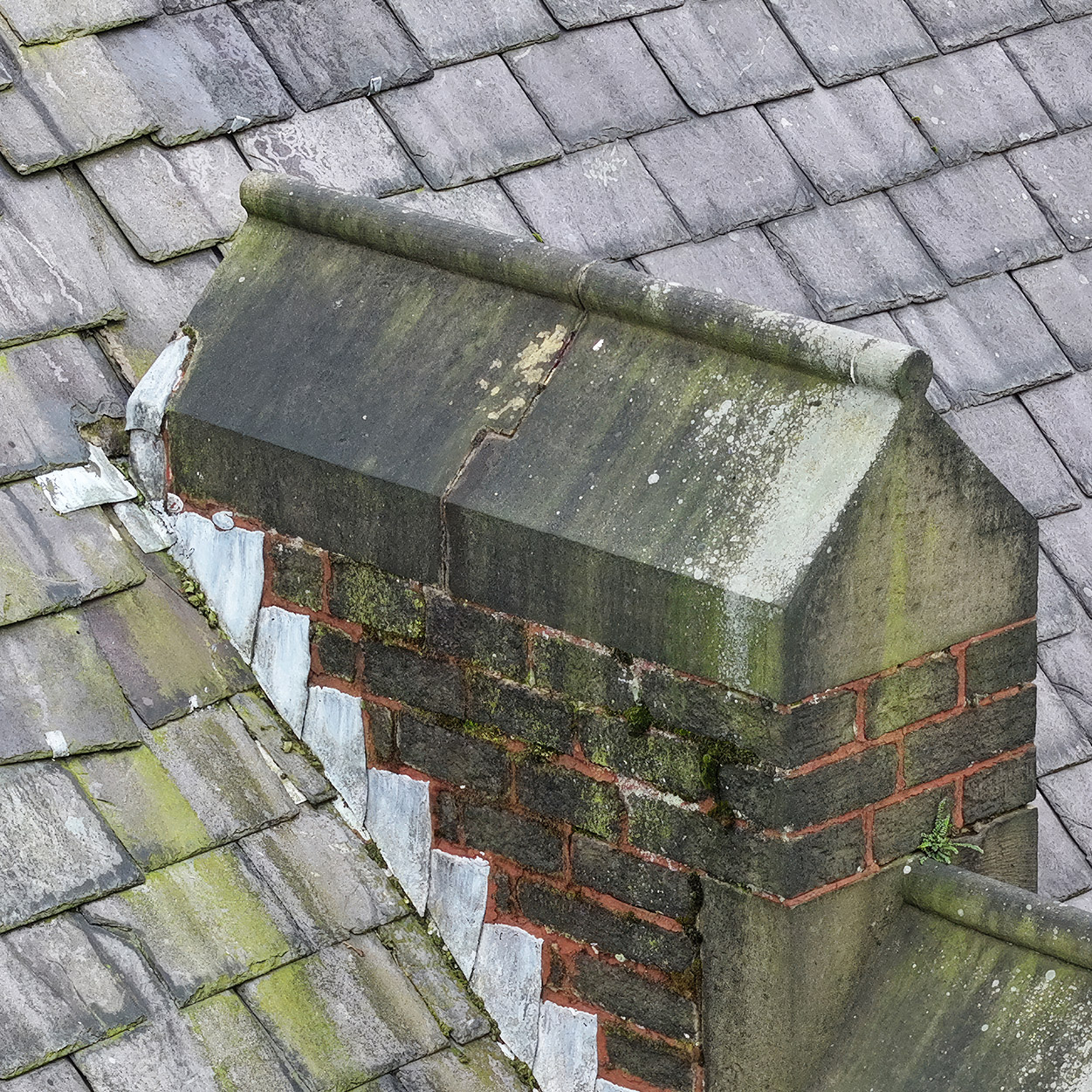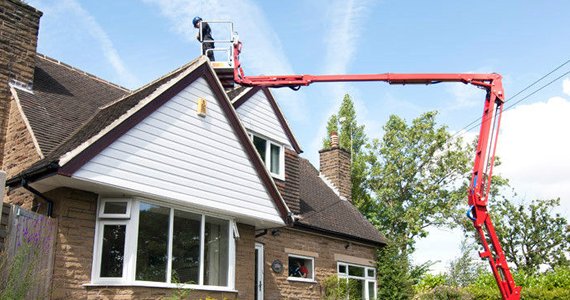
Tell us about your Westminster property — a Georgian or Regency townhouse in Mayfair, Marylebone, Belgravia, or the Regent’s Park streets where the flat lead roof condition needs close-range assessment before the next managing agent assurance that ceiling stains are condensation; a converted Georgian townhouse flat where the shared lead roof condition needs independent evidence before a service charge dispute; a listed building where programme costs need establishing with conservation consent implications noted; or a Pimlico Victorian terrace requiring nail-sickness and chimney assessment. Price confirmed from £195 by phone immediately.
Our specialist assesses every relevant element at roof level. Georgian lead flat roofs: lead surface examined at close range for thermal fatigue hairline cracking along roll joint lines and across bay surfaces; roll joint condition assessed; parapet coping stone pointing inspected; stucco render on inner parapet face checked; upstand condition at parapet junction rated. Welsh slate pitched roofs: nail-sickness assessed at close range by slope. Chimneys: stack condition, flashing abutment, lead soaker integrity. Listed building grade noted with consent implications identified for each replacement element. Report within 48 hours.
Full written report with photographs, lead surface condition rating by bay and roll joint, timber moisture risk assessment, urgency rating, and programme costs including listed building consent implications. Georgian lead roofs: cracking extent mapped with service life estimate and cast lead specification noted for replacement. Parapet: coping and stucco condition with repair specification. Welsh slate: nail-sickness extent by slope with re-slating timeline. Listed building consent requirements identified for each programme element. Pre-purchase reports available. Report within 48 hours.
Westminster holds approximately 10,000 listed buildings — the highest concentration of any local authority in England — and the majority of its historic residential stock sits within one of the borough’s 56 conservation areas. The housing stock spans some of the most architecturally significant domestic buildings in the country: the Georgian and Regency townhouses of Mayfair and Marylebone (largely 1760–1830), the stucco-fronted Regency and early Victorian terraces of Belgravia and Bayswater (1820–1860), the Italianate terraces around Regent’s Park (1820–1838), and the Victorian brick terraces of Pimlico and the streets behind Victoria (1840–1890). Each presents distinct roofing assessment requirements; but the challenge common to most of Westminster’s grander stock — and the challenge most likely to produce unexpectedly large repair bills when it is not assessed in time — is the Georgian and Regency flat lead roof concealed behind the parapet.
The architectural convention of the Georgian period was the hidden roof. The great terraces of Mayfair, Marylebone, and Belgravia were designed to present a uniform classical facade to the street, with the roofline defined by a parapet cornice rather than by visible slates or tiles. Behind the parapet, the roof is flat or very nearly flat, laid in cast lead over timber boarding. This design was both aesthetically intentional — the clean horizontal cornice line of the Georgian terrace is one of its defining features — and practically effective for the first 60 to 80 years of the building’s life, which is the nominal service life of cast lead at the gauges typically used in Georgian construction. Properties built in the 1780s and 1790s are now 230 to 240 years old. Their original lead roofs have been in service for three to four times the expected material life.
The thermal fatigue process that eventually destroys cast lead at extreme age is gradual and largely invisible from the parapet level at which a casual inspection would be made. Cast lead expands and contracts with temperature: on a summer day in London, a flat lead roof surface may reach 60 to 80°C in direct sun and fall to 10 to 15°C overnight. Each thermal cycle stresses the lead at its most constrained points — the edges of each lead bay where the roll joint is formed, and at any point where the lead is restrained by an upstand or fixed edge. Over decades and then centuries of cycling, microscopic fatigue cracks develop at these points and progressively propagate across the bay surface. The cracks are hairline width — typically 0.1 to 0.3mm — and are invisible without close-range inspection in raking light conditions that show the surface texture. They are not visible from the parapet level; they are not visible in normal overhead daylight; they are not detected by a passing visual check.
Water entering through hairline fatigue cracks in a flat lead roof does not produce an immediate ceiling stain. It wets the timber boarding beneath the lead, which absorbs moisture progressively over weeks and months. When the boarding is saturated, water travels along the timber grain, across the joists, following the moisture gradient downward. It typically appears at an internal ceiling as a stain at a point several metres from the actual entry point in the roof above, because the water has followed the timber structure rather than falling vertically. The delay between first crack formation and first internal symptom is typically 12 to 36 months. By the time the first internal symptom is noticed, the timber structure beneath has been carrying elevated moisture for long enough that wet rot may already be developing in the most-affected members. By the time a contractor investigates and attributes the ceiling stain to the lead roof rather than to condensation — which is the first attribution in most Westminster cases because the managing agent cannot see a problem at parapet level — the wet rot may be established, the original plasterwork may be saturated, and the programme cost has grown substantially beyond what it would have been if the lead cracking had been identified one or two years earlier.
Westminster’s Georgian townhouses were predominantly converted to flats from the 1950s through 1980s. The shared flat lead roof of a converted townhouse is typically a common part under the lease structure, maintained through the service charge collected from all leaseholders. When the lead roof fails and requires replacement, the cost — typically £50,000 to £100,000 for a full lead roof replacement on a Georgian townhouse with listed building consent for cast lead specification — falls to the service charge. In a converted townhouse with four to eight flats, this represents a per-flat service charge call of £6,000 to £25,000. The managing agent who delayed investigation at the first ceiling stain, and then at the second, has typically also deferred building up a sinking fund adequate for the eventual replacement programme, so the service charge demand arrives as a special levy rather than from accumulated reserves. The resulting leaseholder dispute — over the managing agent’s delay, the adequacy of the sinking fund, the consent process, the specification, and the contractor selection — can add months of legal costs to the project timeline. Independent specialist assessment of the lead roof condition, before the ceiling stains have developed and while the timber structure is still dry, is the evidence base on which a sensible sinking fund provision and a planned replacement programme can be built.
Not all Westminster properties are Georgian or Regency. Pimlico (SW1V) and the streets behind Victoria carry substantial Victorian brick terrace stock — built between 1840 and 1880 for the working and middle-class households displaced from the Belgravia development — with Welsh slate pitched roofs at 145 to 185 years. Nail-sickness at this age applies in Westminster as in any Victorian London borough, though the Pimlico streets have a specific humidity factor from the proximity of the Thames at Vauxhall Bridge and the Grosvenor Canal.
Nearby Areas: Georgian terrace surveys across Belgravia and Kensington. Pimlico Victorian terrace coverage. Wider central London coverage at Lambeth and Tower Hamlets.
Westminster’s Georgian flat lead roofs are assessed from parapet level and declared satisfactory, because hairline fatigue cracking in cast lead at 200 years is not visible at parapet level. The ceiling stain is attributed to condensation and repainted, because the managing agent cannot see a problem from the roof access point. Eighteen months later the stain is larger; two years after that, water is coming through in multiple locations and the timber structure has wet rot. The difference between identifying the lead cracking in Year 1 and discovering it through structural damage in Year 3 or Year 4 is £20,000 to £40,000 in timber repair costs, heritage plasterwork restoration, and leaseholder service charge dispute fees — on top of the lead replacement programme that would have been required regardless.
A 1795 Georgian townhouse in a residential street in Marylebone had been converted to six leasehold flats in the 1970s. The building was Grade II listed. The flat lead roof behind the parapet was original — cast lead laid in bays over timber boarding at the time of original construction, now 228 years old. The managing agent had managed the building for 14 years. The roof had been accessed twice in that period for parapet gutter clearance; both times the operative had reported “roof in acceptable condition.” The sinking fund held £24,000.
Year 1: The top-floor flat owner noticed a pale water stain on the landing ceiling in November. She reported it to the managing agent. The managing agent arranged a roofer’s inspection; the roofer accessed the roof at parapet level, reported “lead appears sound, no obvious failures visible”, and cleared some debris from the parapet gutter. Cost charged to service charge: £360. The managing agent informed the top-floor leaseholder that “no roof defects were found — the stain is likely condensation.” The leaseholder had a decorator repaint the landing ceiling. Cost: £180.
Year 2: The stain returned in October and a second stain appeared on the other side of the landing ceiling. The top-floor leaseholder again reported to the managing agent. A second roofer was instructed; he found two areas where the lead appeared slightly lifted at roll joint edges and applied bituminous sealant to both points. Cost: £740. The managing agent reported the problem as resolved. Both stains appeared to stabilise over the following months.
Year 3: In February, during four consecutive days of heavy rain, water came through the top-floor landing ceiling at three separate locations and began tracking down the top-floor flat wall. The top-floor leaseholder called an emergency roofer; he accessed the flat roof and found extensive hairline cracking across the full lead surface — not isolated failures at two points but a network of fatigue cracks across approximately 70% of the total roof area. He also found that the timber boarding beneath the lead was wet across most of the roof area and that wet rot had developed in two of the main timber joists visible at the parapet edge. He declined to patch and recommended full replacement.
Specialist Assessment Commissioned:
Lead condition: Close-range inspection in raking light confirmed thermal fatigue cracking at a density consistent with cast lead at 225–230 years. Cracking was present along all visible roll joint lines across the full roof area, with cross-bay cracking on approximately 65% of the bay surfaces. No area of the lead roof remained in a condition that could be maintained by patching; the cracking density and distribution required full replacement. Two years of bituminous sealant applications had sealed isolated points while the surrounding lead continued to crack; the Year 2 repair had not addressed or assessed the overall lead condition.
Timber structure: Probe and moisture meter readings at accessible points confirmed elevated moisture throughout the roof boarding. Wet rot was confirmed in two principal joists at the parapet-adjacent positions where moisture concentration had been highest. Further timber assessment was recommended beneath the lead during the replacement programme.
Parapet condition: Coping stone bed joint pointing found open at multiple locations on the south-facing parapet — consistent with freeze-thaw cycling of OPC mortar over many years. Inner parapet face stucco showing two areas of detachment above the upstand level. These were supplementary water entry routes into the lead roof area, adding to the surface water load.
Listed building consent: Grade II listed. Full lead roof replacement required listed building consent from Westminster City Council. Specification requirement: cast lead Code 7 minimum, laid in traditional bay format with roll joints. Milled lead not acceptable. Heritage impact assessment required. Specialist contractor with listed building lead roofing experience required. Estimated consent process: four to five months from submission.
Programme Cost: Full cast lead roof replacement including removal of existing lead and boarding, timber joist repairs (confirmed two, possible further on full exposure), installation of new timber boarding, cast Code 7 lead in traditional bay format, parapet coping repointing in hydraulic lime, stucco repair on inner parapet face. Listed building consent professional fees. Budget: £68,000–£88,000 depending on extent of timber damage found on full exposure.
Service Charge Implications: Six leaseholders. Sinking fund at £24,000. Shortfall: £44,000–£64,000 required as special levy. Per flat: approximately £7,300–£10,700. Three leaseholders disputed the special levy on the grounds that the managing agent had received two reports of ceiling staining and commissioned two repairs without identifying the systemic lead failure; they sought to hold the managing agent liable for the cost escalation between the Year 1 assessment (at which full replacement would have cost approximately £52,000–£65,000) and the Year 3 programme (at £68,000–£88,000 with timber repairs added). The legal dispute ran for nine months before settlement.
What a Specialist Survey in Year 1 Would Have Shown: “Original cast lead, c.1795, now approximately 226 years. Close-range surface inspection in raking light reveals thermal fatigue cracking along roll joint lines across full roof area and incipient cross-bay cracking on approximately 30% of bay surfaces. Lead at extreme age with cracking density indicating accelerating propagation. Timber boarding beneath: moisture readings elevated in three areas; no wet rot confirmed at this stage. Full lead replacement required within 12–18 months. Specification: cast Code 7 lead with listed building consent required — allow four to five months for consent process from submission. Programme budget at current (Year 1) condition: £52,000–£65,000. Recommend sinking fund assessment immediately against this programme requirement.”
Survey cost: from £195. Two years of parapet-level inspections and sealant patch repairs did not detect the fatigue cracking that was only visible at close range in raking light on the lead surface. The £1,100 spent on those inspections and repairs postponed rather than addressed the problem. The Year 1 to Year 3 cost escalation from timber damage and legal dispute alone exceeded £15,000. Independent close-range specialist assessment in Year 1 would have identified the full lead condition, established the programme cost, and given the managing agent and leaseholders the 12 to 18 months of planned programme time — and the consent application lead time — that Year 3’s emergency replacement did not have.
Roof surveys for Westminster properties start from £195. Whether a Georgian or Regency townhouse in Mayfair, Marylebone, Belgravia, or Bayswater where the flat lead roof behind the parapet needs close-range surface assessment for thermal fatigue cracking that parapet-level inspections do not find; a converted Georgian townhouse where ceiling stains have been attributed to condensation for one or two years and the lead condition needs independent evidence before the timber structure develops wet rot; a managing agent or leaseholder requiring condition evidence for sinking fund planning or special levy justification for a lead roof replacement programme; a listed building purchase where programme costs with consent implications need establishing; or a Pimlico Victorian terrace where nail-sickness and chimney clay movement need independent assessment — call 07833 053 749 for an exact price confirmed immediately. Report within 48 hours.
On a Westminster Georgian townhouse lead roof replacement, the difference between a planned programme identified 18 months before the lead fails completely — with consent obtained, timber dry, specialist contractor selected on a competitive tender — and an emergency replacement commissioned after three years of ceiling staining and accumulating timber rot, is £15,000 to £30,000 in timber repair, heritage plasterwork, and leaseholder dispute costs. Independent close-range specialist assessment establishes the actual lead condition. No repairs sold — honest assessment only.
When a managing agent or roofer attributes top-floor ceiling staining in a Georgian Westminster townhouse to condensation after a parapet-level inspection, it is because hairline thermal fatigue cracking in cast lead at 200+ years is not visible from parapet level. The cracking is only detectable at close range, in raking light that shows the lead surface texture rather than reflecting off it. Our surveys assess the lead surface specifically at this level, mapping cracking extent and density across each bay and roll joint, and providing the close-range photographic evidence that distinguishes lead cracking from condensation as the ingress source.
For a Westminster Georgian or Regency property purchase, the questions the homebuyer survey does not address are: what is the actual condition of the flat lead roof at close range; is thermal fatigue cracking present and if so at what density and distribution; is there evidence of elevated moisture in the timber structure beneath; and what are the programme costs for planned replacement including listed building consent professional fees, cast lead specification premium, and heritage impact assessment? These are the questions that determine whether a Westminster Georgian property is a straightforward purchase or one with a £60,000 to £100,000 roof programme that needs to be costed and negotiated before exchange.
For managing agents of Westminster Georgian conversions, independent specialist assessment of the flat lead roof condition provides the condition evidence on which a realistic sinking fund assessment can be based. A lead roof at 200+ years that is assessed as having 8 to 12 years of serviceable life remaining requires a different sinking fund contribution level than one assessed as requiring replacement within 2 to 3 years. Our reports provide the condition evidence and programme cost estimate that sinking fund planning requires, and the photographic record that justifies the service charge contribution level to leaseholders.
Westminster City Council’s conservation team requires a listed building consent application before any alteration to the fabric of a listed building. For a lead roof replacement on a Grade II or Grade I listed Georgian townhouse, the application typically requires: a heritage impact assessment setting out the condition of the existing lead and the case for its replacement; a material specification confirming cast lead grade and format; a method statement covering removal, timber inspection and repair, and installation sequence; and contractor experience evidence confirming specialist listed building lead roofing qualification. Our survey reports are structured to provide the condition evidence and material specification elements that a consent application requires, reducing the professional preparation time and cost of the application process.
When leaseholders in a converted Westminster Georgian townhouse dispute the managing agent’s assessment of the shared roof condition, or contest a special levy for emergency lead roof replacement following years of ceiling staining that was managed agent had attributed to other causes, independent specialist assessment provides the factual evidence base for the dispute. Our reports establish the lead condition as found, the cracking extent and distribution, the timber moisture status, the programme costs at current condition, and the programme cost escalation attributable to any identified delay in investigation and repair commissioning.
For Victorian terrace stock in Pimlico and the Victoria area — Welsh slate pitched roofs at 145 to 185 years — our surveys provide the standard nail-sickness assessment at close range by slope, chimney clay movement diagnosis, and any lead valley condition assessment. The Pimlico riverside proximity factor produces a modest mortar service life reduction relative to the inland Westminster streets, noted in reports for properties in the lower Pimlico streets near the Thames embankment.
The hairline thermal fatigue cracking that develops in cast lead at 200+ years is not visible at normal viewing angles and in normal diffuse daylight. It is visible at close range — within 300 to 400mm of the lead surface — in raking light conditions, which means a light source at an acute angle to the lead surface that creates shadows in the crack width rather than reflecting off the flat surface between cracks. A person standing at parapet level looking down at the lead surface is 600 to 1,200mm above it, depending on parapet height, and is typically in diffuse daylight conditions that reflect uniformly off the lead surface rather than casting shadows into the hairline cracks. From this position, thermal fatigue cracking at the density we routinely find on Westminster Georgian roofs at 200+ years is simply not visible. The same roof, assessed at 300mm with a torch at a raking angle of 15 to 20 degrees, reveals the cracking network clearly. This is why two sequential parapet-level inspections in the Westminster townhouse case study reported the roof as acceptable while our close-range raking-light assessment found cracking across 65% of the bay surfaces. The inspection method determines the finding; a parapet-level inspection cannot detect Georgian lead fatigue cracking, regardless of the experience of the person conducting it.
Roof surveys start from £195. Call 07833 053 749 for an exact price confirmed immediately — no forms, no waiting.
We cover the full City of Westminster including Mayfair (W1), Marylebone (W1, NW1), Belgravia (SW1), Pimlico (SW1V), Bayswater (W2), Paddington (W2), Victoria (SW1), St John’s Wood (NW8), Regent’s Park (NW1, W1), and all residential streets throughout the borough.
Cast lead is produced by pouring molten lead onto a flat casting bed and allowing it to solidify as a sheet. The surface of cast lead has a characteristic granular or slightly mottled texture that arises from the solidification process — the surface seen on original Georgian and Regency lead roofs and on all historic lead work of this period. Cast lead is dimensionally consistent but not perfectly uniform, with slight surface variation that is characteristic of hand-cast production. Milled lead is produced by rolling lead ingots through rollers to produce sheet lead of consistent thickness and a smooth, uniform surface finish. Milled lead is the standard modern roofing lead and has been in production since the early 19th century, but it became dominant in roofing practice during the 20th century. The surface of milled lead is visually distinct from cast lead: smooth and uniform where cast lead is textured and slightly varied. Westminster City Council’s conservation team, consistent with Historic England guidance, requires like-for-like cast lead specification for replacement of original cast lead on listed buildings because the surface character of the original material is itself a listed feature of the building. A milled lead replacement on a Grade I or II listed Georgian flat roof would not receive listed building consent in Westminster. The cost implication is material: cast lead at the appropriate gauge (Code 7 or Code 8 for Westminster flat roofs) is more expensive per square metre than milled lead of equivalent gauge, and specialist fabrication to produce flat bays of consistent quality requires a contractor with specific cast lead experience that is not universal in the roofing trade.
Completely. We survey only — no repairs sold, no contractors referred. For Westminster Georgian townhouse assessments where the programme cost may be £60,000 to £100,000 and the listed building consent process requires specialist professional oversight, independent condition assessment with no commercial interest in the programme scope is the only reliable basis for managing agents, leaseholders, and purchasers to make informed decisions.
Westminster is among the highest-value residential property markets in London and in England. Georgian townhouses in Mayfair, in whole-house use or as multi-flat conversions: £5,000,000 to £25,000,000 for the larger whole houses; £800,000 to £3,000,000 for top-floor flats in Georgian conversions with original lead roof above. Georgian and Regency townhouses in Marylebone: £2,000,000 to £8,000,000 for whole houses; £600,000 to £2,500,000 for conversion flats. Belgravia stucco-fronted terraces: £3,000,000 to £15,000,000+ for the larger properties. Pimlico Victorian terraces: £600,000 to £1,200,000 for three-bedroom houses; £350,000 to £700,000 for conversion flats.
At these values, the programme costs associated with Westminster Georgian lead roof management — a planned replacement at £52,000–£70,000, or an emergency replacement with timber repairs and leaseholder dispute at £70,000–£110,000 — are proportionally manageable as a fraction of property value, but absolutely significant as a service charge or purchase negotiation item. The difference between the planned and emergency versions of the same programme is determined almost entirely by whether the lead condition is identified in Year 1 through close-range specialist assessment, or in Year 3 or 4 through accumulated water damage and structural consequence.
Westminster City Council is the planning authority. The conservation and listed buildings team is among the most active in England. The majority of Westminster’s residential stock is within designated conservation areas; listed building consent is required for any alteration to the fabric of the borough’s approximately 10,000 listed buildings.
Mayfair and Soho (W1), Marylebone (W1, NW1), Bayswater and Paddington (W2), Belgravia, Pimlico, and Victoria (SW1), St John’s Wood (NW8), Regent’s Park (NW1), and all residential streets throughout the City of Westminster
Belgravia • Kensington • Lambeth • Islington • Tower Hamlets
W1 (Mayfair, Marylebone, Soho), W2 (Bayswater, Paddington, Hyde Park), SW1 (Belgravia, Pimlico, Victoria, Westminster), NW1 (Regent’s Park, Marylebone fringe), NW8 (St John’s Wood), WC2 (Strand, Covent Garden)
Whether you own or manage a Georgian or Regency flat in Mayfair, Marylebone, or Belgravia where the lead roof condition needs close-range specialist assessment before the next managing agent parapet inspection declares it acceptable and the timber structure beneath continues to absorb moisture; a converted Georgian townhouse where ceiling stains have been attributed to condensation for one or two years and you need independent evidence of the lead condition before the programme cost escalates further; a Westminster listed building purchase where programme costs with consent implications need establishing before exchange; a managing agent who needs condition evidence for sinking fund planning or special levy justification; or a Pimlico Victorian terrace where nail-sickness and chimney clay movement need independent assessment — specialist close-range assessment gives you the actual condition of the lead, not the parapet-level impression of it.
Call 07833 053 749 now. Price confirmed from £195 by phone immediately. Detailed written report with photographs, lead surface condition mapped by bay and roll joint, parapet condition rated, timber moisture risk assessed, listed building consent implications noted, programme costs with planned vs emergency comparison, within 48 hours.