☆☆☆☆☆ Trustpilot | Independent Tower Hamlets Roof Survey Specialists Call for Roof Survey 07833 053 749 Free Quote
Roof survey Tower Hamlets London Victorian terrace loft conversion compliance and Spitalfields Georgian conservation assessment E1 E2 E3 E14

Roof Survey Tower Hamlets London

  • Complete Roof Condition & Structural Assessment
  • Detailed Report in 48 Hours
  • Detailed Photo-Supported Reports from £195
  • Independent Expert Assessment - No Sales Bias

How Your Tower Hamlets Roof Survey Works

1

Call & Get an Exact Price

Tell us about your Tower Hamlets property — a top-floor flat in a converted Bethnal Green or Bow Victorian terrace where loft conversion compliance and shared roof nail-sickness need assessing before exchange; a Spitalfields Georgian terrace where conservation area specification and lead valley condition require specialist assessment; a Docklands or Wapping warehouse conversion where flat roof condition and Thames-proximity humidity need rating; a leasehold dispute requiring independent evidence of shared roof defects and responsibility; or a recurring dormer damp issue where the conversion junction quality has never been properly inspected. Price confirmed from £195 by phone immediately.

2

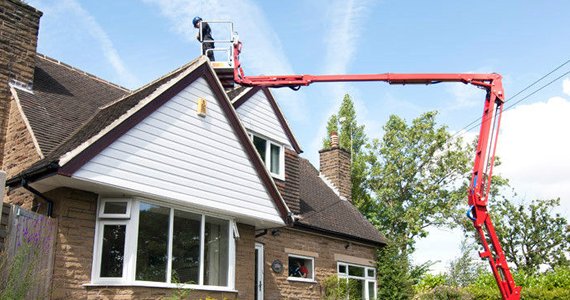
We Survey Your Roof

Our specialist assesses every element relevant to Tower Hamlets’ diverse stock. Victorian terraces: Welsh slate nail-sickness assessed at close range by slope. Loft conversions: dormer lead flashing quality, breathable membrane presence behind cladding, Velux head flashing adequacy, valley gutter specification — the compliance indicators that distinguish building-regs-approved works from unpermitted shortcuts. Spitalfields Georgian: conservation area material requirements noted throughout. Docklands flat roofs: felt, EPDM, or mastic asphalt condition with Thames humidity adjustment. Chimney: London clay differential movement assessment. Leasehold properties: defects mapped to structural elements with responsibility noted.

3

Detailed Report in 48 Hours

Full written report with photographs, condition ratings, remaining service life estimates, and a prioritised costed action list. Victorian slate: nail-sickness extent by slope with re-slating timeline. Loft conversion: compliance indicator assessment with specific defects identified and remediation costs. Spitalfields: conservation area specification requirements noted for each replaceable element. Docklands flat roofs: condition rating with replacement timeline. Leasehold: defects mapped to shared roof vs individual responsibility. Pre-purchase reports with full programme costs. Report within 48 hours.

Tower Hamlets is unique among London boroughs for the breadth of its residential roofing stock. Within two miles, the borough contains some of the oldest surviving domestic buildings in London — the Huguenot silk-weaver’s houses of Spitalfields, built in the 1710s to 1740s and now among the most architecturally significant Georgian terraces anywhere in England — through to the mid-Victorian terraces of Bethnal Green, Bow, and Stepney, to the converted Victorian warehouses and wharves of Wapping and Limehouse, to the Docklands redevelopment towers of the Isle of Dogs. Each demands different assessment knowledge; a single approach to “roof survey Tower Hamlets” that treats all these property types as equivalent produces assessments that are inadequate for most of them.

The largest single category, by number of properties, is the mid-Victorian terrace stock of Bethnal Green, Bow, Mile End, Stepney, and Whitechapel. These properties were built between 1860 and 1900 for the working population of the East End — two and three-storey terraces on tight grid streets, roofed with Welsh slate fixed with cut iron nails. At 125 to 165 years old, this slate is at or well into the nail-sickness zone. The iron nails that were cut from mild steel bar stock when the houses were built have been corroding within the slate holes since the 1860s; the corrosion product expands, cracks the slate from the nail hole outward, and reduces the nail’s mechanical holding strength progressively over decades. A slope with 35% of its slates at an insecure fixing stage looks indistinguishable from a sound slate roof from the street below. The slates are in position, appearing normal; their fixings are compromised. The assessment requires close-range inspection at slate level — tilting individual slates to check nail corrosion and hole condition — that cannot be performed from ground level and is not included in homebuyer surveys.

Tower Hamlets adds a specific complication to the standard Victorian nail-sickness assessment: the borough’s exceptionally high rate of loft conversion. From approximately 2000 to 2015, the rapid gentrification of Bethnal Green, Bow, Whitechapel, and Stepney produced a wave of loft conversions added to Victorian terrace top-floor flats and whole-house properties. These conversions range from building-regulation-compliant structural works with proper lead flashing assemblies and breathable membranes, completed under building control oversight and issued with a completion certificate, to entirely unpermitted works completed by contractors with no building control involvement, using silicone mastic instead of lead, omitting breathable membranes, installing Velux windows without adequate head flashings, and never appearing on any local authority record. The difference between these two extremes matters enormously for a buyer. A compliant conversion with a completion certificate affects the property’s mortgage eligibility and resale value positively. An unpermitted conversion with non-compliant weatherproofing will produce dormer damp within three to seven years, requires remediation costing £12,000 to £22,000, and can affect the property’s mortgage eligibility and resale value negatively.

The practical difficulty is that the external appearance of a compliant and a non-compliant loft conversion dormer can be identical: both have a lead strip visible at the junction between the dormer cheek and the surrounding slope, both have a Velux window set into the slate, both have a rear valley or flat section. The compliance indicators are in the details: whether the lead at the cheek junction is a formed soaker-and-cover-flashing assembly with correct overlap, or a single lead strip fixed with silicone; whether there is a breathable membrane behind the dormer cladding, or just the cladding itself against the timber frame; whether the Velux head flashing is the proprietary kit integrated with the surrounding slate, or a simple bent-lead strip; whether the rear valley junction uses a formed lead gutter with adequate falls, or a bitumen strip. These details are visible to a specialist who knows what to look for, and they allow a reliable assessment of whether the conversion is likely to be compliant and durable, or non-compliant and heading for weatherproofing failure.

At the western end of the borough, Spitalfields presents a different category entirely. The Georgian terraces of Fournier Street, Princelet Street, Elder Street, and the surrounding streets of the conservation area carry some of the oldest domestic roofing in London. The original Welsh or Cornish slate on the oldest properties has frequently been replaced at least once — most properties in active use will have had at least one re-roofing in their 280 to 300-year history — but original lead valley gutters persist on a number of properties where they have been maintained rather than replaced. These are at extreme age and require specialist assessment of lead pitting depth, parapet flashing condition, and the condition of the original timber valley gutter structure beneath. Listed building consent from Tower Hamlets’ conservation team is required for any material changes to the roofline of listed properties in Spitalfields; like-for-like material replacement is the only permitted approach on visible slopes of Grade I and II listed buildings.

In Wapping (E1W) and Limehouse (E14), the converted Victorian warehouse and wharf buildings present a third category. These are typically large-footprint buildings converted to residential use in the 1980s and 1990s, with flat or near-flat roofs of mastic asphalt, felt, or EPDM applied over the original brick and timber structure. Thames-proximity humidity and the specific thermal cycling of large-footprint flat roofs produce surface cracking, edge upstand failure, and penetration around any roof fixtures at rates that require regular specialist assessment. Many of these properties are now 30 to 40 years into their conversion, meaning the original flat roof membranes are approaching or at end of life.

Nearby Areas: Victorian terrace surveys across Hackney and Newham. Islington and City fringe coverage at Islington. Wider E postcode coverage including Southwark and Lewisham.

Tower Hamlets roof survey - Victorian terrace loft conversion compliance Spitalfields Georgian conservation and Docklands flat roof assessment E1 E2 E3 E14 London

Tower Hamlets Roofing We Assess

  • Victorian slate nail-sickness: Individual slates inspected at close range for nail corrosion and hole cracking across Bethnal Green, Bow, Stepney, and Whitechapel — the proportion insecurely fixed that no ground-level survey finds
  • Loft conversion compliance: Lead flashing assembly quality, breathable membrane presence, Velux head flashing adequacy, valley gutter specification — the indicators that separate building-regs-approved works from silicone-and-shortcuts conversions
  • Spitalfields Georgian conservation: Lead valley condition, like-for-like material requirements noted, listed building consent implications identified for visible slope replacements
  • Docklands flat roofs: Mastic asphalt, felt, and EPDM condition with Thames-humidity deterioration adjustment — Wapping and Limehouse warehouse conversion assessment
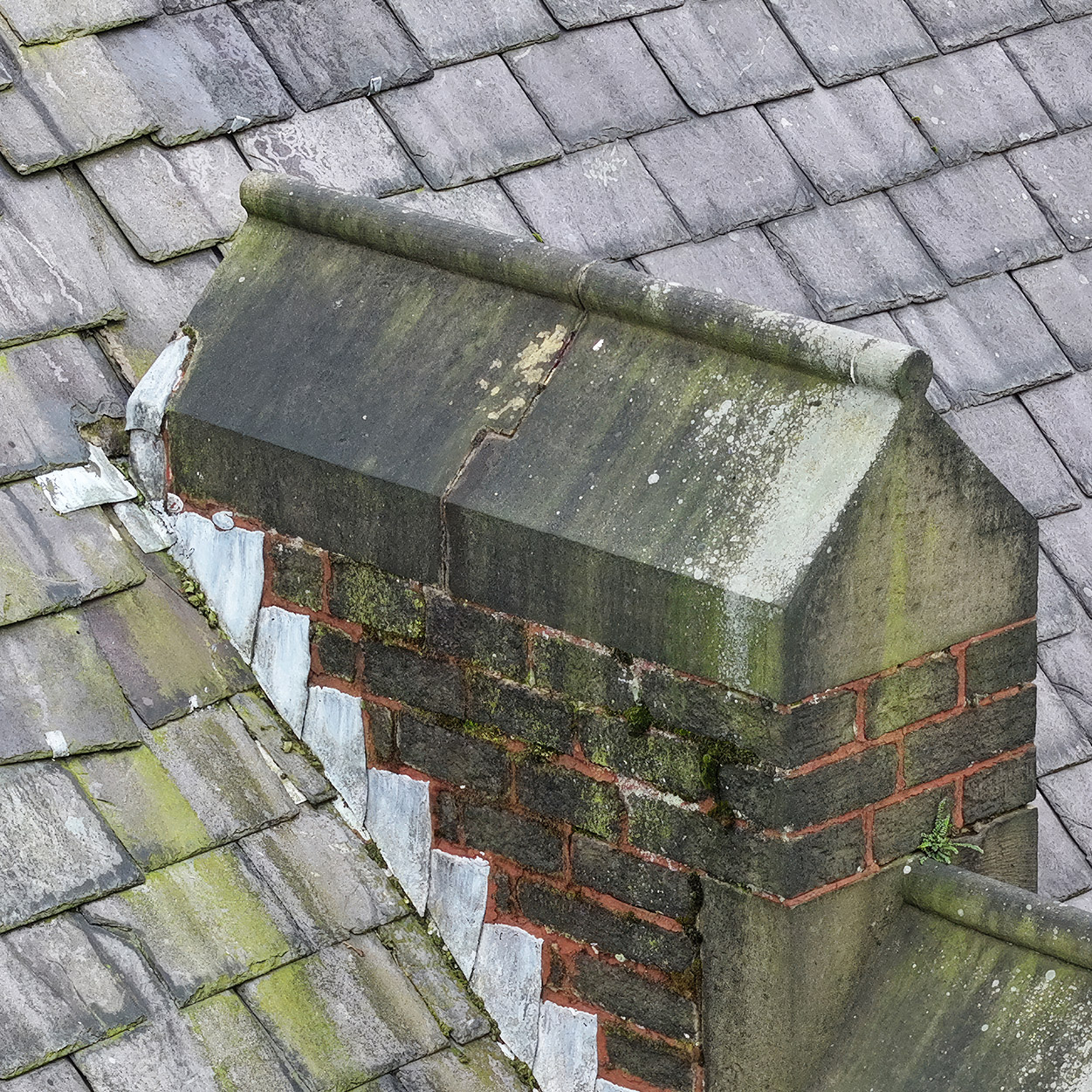
  • London clay chimney movement: Step flashing abutment differential movement assessed — the structural cause behind recurring ingress despite cap and mortar repairs
  • Leasehold responsibility mapping: Defects attributed to shared roof vs individual flat structure with standard lease responsibility noted

Our Tower Hamlets Coverage Area

Roof survey Tower Hamlets professional accreditations Tower Hamlets London roof inspection certifications

Tower Hamlets presents three distinct assessment categories within the same borough: Victorian terraces where nail-sickness proportion and loft conversion compliance are the critical pre-purchase unknowns; Spitalfields Georgian terraces where age, lead valley condition, and conservation area material requirements define the programme; and Docklands warehouse conversions where flat roof condition and Thames humidity are the primary factors. Each requires different assessment knowledge. A single approach applied uniformly across this range produces assessments that are inadequate for most of it.

The Conversion That Looked Fine — Bow Victorian Terrace Top-Floor Flat

Pre-Purchase Scenario — Top-Floor Flat With Loft Conversion, Converted Victorian Terrace, Bow E3

A buyer purchased a top-floor flat in a converted three-storey Victorian terrace in a residential street in Bow for £465,000. The property had a loft conversion with a rear dormer, completed by the previous owner in 2017. The vendor provided a building regulations completion certificate for the structural works. The mortgage valuation survey noted the roof as “in acceptable condition, loft conversion appears satisfactory.” The buyer asked the vendor’s estate agent about the conversion quality; they said it had been “professionally done.” No specialist roof survey was commissioned before exchange.

Year 1: During the first autumn after purchase, a damp patch appeared on the rear dormer cheek wall inside the loft bedroom. The buyer attributed it to condensation from the new occupancy and improved ventilation. By December, the damp patch had expanded and mould appeared in the corner between the dormer cheek and the ceiling. A roofer was called and re-sealed the dormer lead strip with silicone mastic along the cheek junction. Cost: £280. The mould was treated with biocide wash. Damp continued at a lower level through winter.

Year 2: The dormer damp returned in October, before any significant rain event, which led the buyer to question whether it was purely rain ingress or also condensation. A second roofer attended and found the lead strip at the dormer cheek junction in poor condition — the sealant from the Year 1 repair had already failed. He stripped the lead strip and replaced it with a new piece, re-sealed with silicone. Cost: £420. The damp returned in November. The buyer now suspected the problem was more systemic and commissioned a specialist survey.

Specialist Assessment Findings:

(1) Dormer cheek junction — compliance assessment: The lead strip visible at the junction between the dormer cheek and the surrounding slate slope was a single piece of Code 4 sheet lead, fixed at the top edge and relying entirely on sealant adhesion at the bottom edge and at its junction with the surrounding slate. This is not a building-regulations-compliant soaker-and-cover-flashing assembly. A compliant assembly at this junction type uses individual lead soakers cut to the geometry of each slate course, with a separate cover flashing overlapping them, so that water is directed by gravity and physical overlap rather than relying on sealant adhesion that degrades within three to five years. The current lead strip had been replaced and re-sealed twice without addressing the fundamental non-compliance of the original installation. The building regulations completion certificate covered the structural elements of the conversion — the timber frame, floor structure, and fire separation — but the roofing works were typically assessed by the building control inspector from a visual check at completion rather than a technical assessment of flashing assembly compliance. The certificate did not guarantee compliant weatherproofing detail.

(2) Breathable membrane behind dormer cladding — absence confirmed: Inspection behind a section of the dormer cheek cladding at an accessible point confirmed the absence of a breathable roofing membrane between the timber frame and the external lead cladding. The cladding was fixed directly to the timber frame without any membrane interposed. In a heated loft room, warm moist internal air reaches the cold lead cladding during cold weather and condenses on its inner face, saturating the timber framing behind it. This condensation pattern accounts for the damp appearing in cold weather before significant rain events — the rain ingress at the junction and the condensation from the absent membrane are both contributing to the dormer damp, and each would sustain it independently even if the other were resolved.

(3) Original Victorian slate — nail-sickness assessment: The original Victorian slope on the front pitch, inspected at close range, showed nail-sickness affecting approximately 30% of the total slate count, consistent with a 130-year-old iron-nailed Welsh slate roof in an east-facing shaded position. Approximately 12% of the front slope slates were at the insecure fixing stage — held in position by adjacent slate contact rather than nail engagement. This was a shared roof finding relevant to all three leaseholders in the converted terrace.

Total Programme: Dormer cheek junction: strip non-compliant lead strip, install correct soaker-and-cover-flashing assembly. Dormer cheek cladding: strip, install breathable membrane, re-clad. Internal dormer wall: redecorate following damp remediation. Budget: £8,400–£12,000 for full dormer remediation. Shared front slope targeted re-slating of insecure slates: £2,800–£3,800 (shared between three leaseholders, £930–£1,270 per flat). Full front slope re-slating within 4 to 6 years: £7,500–£10,000 shared.

What a Specialist Pre-Purchase Survey Would Have Found: “Dormer cheek junction: lead strip installation is non-compliant — single-piece strip relying on sealant adhesion rather than soaker-and-cover-flashing assembly. Sealant service life 3 to 5 years; current installation already at risk. Breathable membrane: absent behind dormer cladding — condensation-pattern damp is inevitable in heated loft rooms without membrane. Building regulations completion certificate covers structural works; weatherproofing detail was not technically verified. Full dormer remediation required. Budget £8,400–£12,000. Shared Victorian slate: nail-sickness at approximately 25–30% of front slope, targeted re-slating within 2 to 3 years. Recommend negotiation before exchange.”

Survey cost: from £195. Two years of silicone mastic repairs totalling £700 did not address the non-compliant flashing assembly or the absent breathable membrane. The building regulations completion certificate confirmed the structural works but did not guarantee the weatherproofing detail quality. Pre-purchase assessment would have identified both issues and established the remediation cost before exchange on a £465,000 purchase.

Tower Hamlets Homeowner & Buyer Experiences

"Buying a top-floor flat in Bethnal Green with a loft conversion — your survey found the dormer flashings were silicone strip rather than proper lead soakers, no breathable membrane behind the cladding, and Velux head flashings relying on sealant. The building regs certificate covered the structure, not the weatherproofing detail. Negotiated £11,000 off and had correct remediation specified before exchange. The certificate is not the guarantee buyers think it is."
Nina & Tom R — Bethnal Green Flat Buyers E2
"Spitalfields Georgian terrace — your survey confirmed the lead valley on the rear return was original and pitting was at early stage, still serviceable for 8 to 12 years with monitoring. The front slope Welsh slate was also assessed for nail-sickness by slope. We'd been quoted £18,000 for a full re-roof by a contractor who hadn't differentiated between the sound front slope and the deteriorating rear return valley. Your independent assessment gave us the actual picture, not the maximal-scope quote."
Charlotte H — Spitalfields Georgian Owner E1
"Wapping warehouse conversion — recurring flat roof ingress at the north parapet junction. Two membrane repair attempts hadn't resolved it. Your survey identified Thames-side humidity was accelerating the edge upstand adhesion failure faster than standard service life, and that the original mastic asphalt had reached end of life across the entire north section rather than just at the repair points. Planned full north section replacement properly rather than continuing to patch the wrong area."
Marcus L — Wapping Warehouse Conversion E1W

Roof Survey Pricing — Tower Hamlets Specialists

Professional Assessment from £195

Roof surveys for Tower Hamlets properties start from £195. Whether a top-floor or first-floor flat in a converted Bethnal Green or Bow Victorian terrace where loft conversion compliance indicators and shared slate nail-sickness need assessing before exchange; a Spitalfields Georgian terrace where lead valley condition, original slate age, and conservation area material requirements need specialist assessment; a Docklands or Wapping warehouse conversion where flat roof membrane condition and Thames-humidity service life need rating; a leasehold dispute requiring independent evidence mapping specific defects to shared or individual responsibility; or a recurring dormer damp issue where the conversion weatherproofing detail has never been properly inspected — call 07833 053 749 for an exact price confirmed immediately. Report within 48 hours.

On a Tower Hamlets flat purchase at £400,000–£600,000, the combination of non-compliant loft conversion dormer remediation, shared Victorian slate programme, and a building regulations certificate that confirms structural works but not weatherproofing detail can represent £10,000 to £20,000 of uncosted programme. Independent specialist assessment establishes the full picture before exchange. No repairs sold — honest assessment only.

When You Need a Roof Survey in Tower Hamlets

Buying a Flat With a Loft Conversion in Bethnal Green or Bow?

A building regulations completion certificate for a loft conversion confirms that the structural works — the timber frame, the floor structure, the fire separation between floors — were assessed by a building control inspector at completion. It does not confirm that the lead flashing assemblies at the dormer junctions, the breathable membrane installation behind the cladding, the Velux head flashing adequacy, or the valley gutter specification were assessed to a technical standard. These weatherproofing details are the elements that produce dormer damp within three to seven years of non-compliant installation, and they are the elements that our specialist assessment specifically addresses. For a Tower Hamlets top-floor flat purchase, knowing whether the loft conversion weatherproofing is compliant and durable, or non-compliant and heading for failure, is the most important information that the homebuyer survey and the building regulations certificate between them do not provide.

Recurring Dormer Damp Not Resolved by Lead Repairs?

If dormer damp has continued after lead strip replacement or silicone re-sealing, the probable explanation is one of two underlying conditions: either the non-compliant soaker-and-cover-flashing assembly has been repaired rather than replaced, so the next sealant application will fail within another three to five years; or the absent breathable membrane behind the cladding is producing condensation-pattern damp that persists regardless of the rain ingress correction. Often both conditions are present simultaneously. Our surveys identify which condition or combination is present and specify the correct remediation for each.

Spitalfields Georgian Property Assessment?

Spitalfields Georgian terraces require specialist assessment that understands original material specifications and the conservation area requirements that govern replacement. Lead valley gutters on the oldest properties need assessment of pitting depth, upstand mortar condition, and the timber valley structure beneath them to distinguish gutters that are serviceable with monitoring from those at end of life. Like-for-like Welsh or Cornish slate specification, reclaimed material sourcing requirements, and listed building consent implications for any visible slope changes all need to be factored into a realistic programme cost. Our surveys address all of these for Spitalfields properties.

Docklands or Wapping Warehouse Conversion?

Converted Victorian warehouse and wharf buildings in Wapping, Limehouse, and the wider E14 area present flat roof assessment requirements that differ substantially from the pitched slate roofs of the Victorian terraces. The original conversion-era flat roofs — typically mastic asphalt or early bitumen felt membranes applied in the 1980s or 1990s — are approaching or at 30 to 40 years of age, which is at or beyond the standard service life for those specifications. Thames-proximity humidity accelerates edge upstand adhesion failure and surface oxidation on mastic asphalt. Our surveys assess the membrane condition, surface cracking, edge upstand status, and drainage falls, with service life estimates adjusted for the riverside humidity microclimate.

Leasehold Roof Dispute in a Converted Terrace?

Tower Hamlets converted Victorian terraces frequently produce leasehold disputes about whether a loft conversion dormer roof is the top-floor flat owner’s sole responsibility or a shared roof element. Our surveys establish the defect location, the structural element to which it belongs, and the standard lease attribution for that element type — providing the independent factual framework that allows leasehold disputes to be resolved without extended solicitor correspondence.

Victorian Terrace Nail-Sickness Assessment?

For whole-house Victorian terrace owners in Bethnal Green, Bow, Stepney, or Whitechapel, close-range nail-sickness assessment by slope establishes the proportion of insecure fixings and the re-slating timeline — distinguishing a roof that can continue with targeted slate replacement for another five years from one where the proportion of compromised fixings makes a planned full re-slate the more economic approach.

Frequently Asked Questions — Roof Survey Tower Hamlets

Does a building regulations completion certificate guarantee the loft conversion roof is weatherproof?

No, and this is one of the most important misunderstandings we encounter in Tower Hamlets pre-purchase surveys. A building regulations completion certificate is issued after the local authority building control inspector or approved inspector has conducted a final inspection and confirmed that the structural, fire separation, thermal, and ventilation requirements of the building regulations have been met. The inspector typically assesses the roof from a visual check, confirming that a roof covering is present and appears satisfactory. They do not technically assess whether the lead flashing assemblies at dormer junctions are constructed as soaker-and-cover-flashing assemblies rather than single-strip lead with sealant; they do not open the dormer cladding to confirm the presence of a breathable membrane; they do not verify the Velux head flashing kit specification. These weatherproofing details are at the level of specification compliance rather than basic presence, and basic presence is what the building control visual inspection confirms. A conversion can have a completion certificate and have non-compliant weatherproofing details that will fail within three to seven years. The certificate is a necessary but not sufficient guarantee of long-term weatherproofing quality.

How much does a roof survey cost in Tower Hamlets?

Roof surveys start from £195. Call 07833 053 749 for an exact price confirmed immediately — no forms, no waiting.

What areas of Tower Hamlets do you cover?

We cover the full London Borough of Tower Hamlets including Spitalfields (E1), Whitechapel (E1), Wapping (E1W), Bethnal Green (E2), Bow (E3), Mile End (E3), Stepney, Poplar (E14), Limehouse (E14), and the Isle of Dogs (E14).

What is the difference between a soaker-and-cover-flashing assembly and a lead strip with sealant?

Both are methods of waterproofing the junction between a dormer cheek and the surrounding slated roof slope, but they rely on entirely different principles and have very different service lives. A soaker-and-cover-flashing assembly uses two separate lead components at each slate course: a soaker — a small folded lead piece cut to the exact geometry of the slate course and the cheek junction, sitting between adjacent slates and against the cheek structure, directing water out onto the slate surface below by gravity; and a cover flashing — a continuous strip of lead tucked into a horizontal chase cut into the dormer cheek brickwork or cladding, overlapping the soakers below by a minimum of 65mm. Water is excluded by physical overlap and gravity; no sealant is used and none is needed. This assembly is self-draining, does not rely on adhesion, and has a service life of 60 to 80 years with correct lead specification. A lead strip with sealant is a single piece of lead fixed at its top edge to the cheek structure, with its bottom edge pressed against the surrounding slates and sealed with silicone mastic or similar. It relies entirely on sealant adhesion for weather exclusion; there is no physical overlap or gravity drainage. Silicone mastic in an outdoor roofing environment degrades through UV exposure and thermal cycling in three to five years, after which the junction is no longer weathertight. This is the characteristic failure mode of non-compliant Tower Hamlets loft conversion dormers.

Are your surveys independent?

Completely. We survey only — no repairs sold, no contractor referrals. For Tower Hamlets flat purchases where loft conversion compliance is the critical unknown, independent assessment with no commercial interest in the remediation scope is the only reliable basis for a pre-exchange decision.

Understanding the Tower Hamlets Property Market

Tower Hamlets’ property market reflects the borough’s extraordinary transformation over the past 30 years. The Victorian terraces of Bethnal Green and Bow that housed the East End’s working population in the 19th century now sell as leasehold flats at prices that would have been unimaginable to their original inhabitants. Two-bedroom flats in converted Bethnal Green terraces: £380,000 to £520,000. Top-floor flats with loft conversions: £420,000 to £600,000. Whole Victorian terrace houses in Bow and Stepney: £650,000 to £950,000. Spitalfields Georgian terraces: £1,200,000 to £3,000,000 for whole houses in the conservation area. Docklands and Wapping warehouse conversions: £500,000 to £1,500,000 depending on size and specification.

The market premium for Spitalfields Georgian terraces in particular reflects both their architectural quality and their scarcity; there are fewer than 300 original Georgian terraces surviving in the conservation area, and the Spitalfields market is one of the most specialist in London. For these properties, the like-for-like material requirement for any roofing programme — reclaimed Welsh or Cornish slate, cast lead, hydraulic lime — represents a material premium over secondary specifications that needs to be factored into any purchase assessment.

The London Borough of Tower Hamlets is the planning authority, with an active conservation and listed building team for the Spitalfields conservation area and the other designated areas within the borough.

Tower Hamlets Property Facts

  • Bethnal Green/Bow flats: £380K–£600K
  • Victorian terrace houses: £650K–£950K
  • Spitalfields Georgian: £1.2M–£3M+
  • Docklands conversions: £500K–£1.5M
  • E1, E1W, E2, E3, E14 postcodes
  • London Borough of Tower Hamlets
  • Spitalfields conservation area (E1)
  • London clay throughout

Service Areas — Tower Hamlets & E Postcodes London

Tower Hamlets E Postcode Coverage:

Spitalfields and Whitechapel (E1), Wapping (E1W), Bethnal Green (E2), Bow and Mile End (E3), Poplar, Limehouse, and Isle of Dogs (E14), and all residential streets throughout the London Borough of Tower Hamlets

Surrounding Areas:

HackneyNewhamIslingtonSouthwarkRedbridge

Postcode Coverage:

E1 (Whitechapel, Stepney, Spitalfields), E1W (Wapping), E2 (Bethnal Green), E3 (Bow, Mile End), E14 (Poplar, Limehouse, Canary Wharf, Isle of Dogs), and adjacent EC and SE postcode areas at borough boundaries

Why Tower Hamlets Property Owners Choose Us

  • Loft Conversion Compliance Detection: Lead flashing assembly, breathable membrane, Velux head flashing and valley gutter assessed — the compliance indicators that building regs certificates do not guarantee
  • Victorian Slate Nail-Sickness: Close-range assessment of insecure fixing proportion by slope — the condition invisible from ground level across Bethnal Green, Bow, and Stepney
  • Spitalfields Georgian Specialist: Lead valley condition, original slate age, conservation area material requirements and like-for-like programme costs
  • Docklands Flat Roof Assessment: Mastic asphalt, felt and EPDM condition with Thames-humidity service life adjustment for Wapping and Limehouse conversions
  • Leasehold Responsibility Mapping: Defects attributed to specific structural elements with lease responsibility noted — the evidence base for disputes
  • Independent Only: No repairs sold — honest assessment every time

Understand Your Tower Hamlets Roof Today

Whether you’re buying a top-floor flat in a converted Bethnal Green or Bow Victorian terrace and need the loft conversion compliance indicators, shared slate nail-sickness proportion, and leasehold responsibility mapped before exchange; purchasing a Spitalfields Georgian terrace and need lead valley condition, original slate age, and conservation area programme costs established; dealing with recurring dormer damp that hasn’t been resolved by sealant repairs because the non-compliant flashing assembly and absent breathable membrane are the underlying conditions; assessing a Docklands warehouse conversion flat roof for end-of-life membrane replacement; or managing a leasehold dispute requiring independent evidence — specialist assessment gives you the specific facts for the specific property and its construction.

Call 07833 053 749 now. Price confirmed from £195 by phone immediately. Detailed written report with photographs, loft conversion compliance assessment, nail-sickness extent by slope, flat roof condition rating, conservation area material requirements, leasehold responsibility mapping, and costed programme within 48 hours.

Professional Roof Survey from £195
Tower Hamlets Specialists • Loft Conversion Compliance, Spitalfields Georgian & Docklands Flat Roofs
  • Reviewer Trust Pilot
  • Review 07-03-2026
  • Reviewed Item Roof Survey Tower Hamlets
  • Author Rating ☆☆☆☆☆
No online forms. No waiting. Exact price in 60 seconds.
Call 07833 053 749 Get a Free Quote
☆☆☆☆☆ Trustpilot | Loft Conversion Compliance & Spitalfields Georgian Specialists E1