
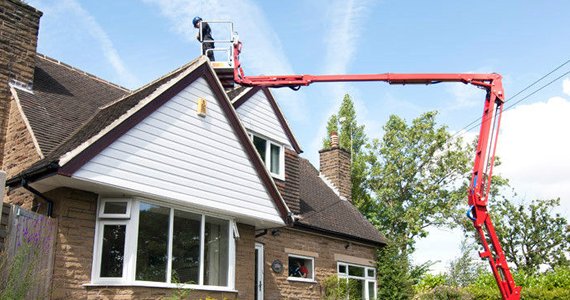
Waltham Forest has become one of East London's most dynamic boroughs, and its Victorian terrace streets are at the heart of that transformation. The dense terraces of Walthamstow, Leyton, and Leytonstone — built during the 1880s-1910s railway expansion — feature Welsh slate roofs, lead chimney flashings, and brick party wall copings designed for permanence. These properties are now 110-140+ years old, with roofing systems that are simultaneously entering their critical maintenance phase just as the borough's gentrification pushes property values to record levels. Further north, Chingford and Highams Park offer inter-war suburban development with clay tile roofs approaching their design life limits. A professional roof survey Waltham Forest London assessment is essential for understanding where your specific property stands in this ageing timeline.
Waltham Forest's geography creates distinct roofing pressures. The western side of the borough borders the Lea Valley — low-lying land with alluvial deposits and higher moisture levels that affect nearby properties. Central and eastern areas sit on London clay, with its characteristic seasonal shrink-swell creating subsidence risk. The borough's dense Victorian streets create a microclimate where closely-packed roofs channel wind differently than suburban areas, and where party wall integrity between properties is critical — a failing flashing on one property can direct water into its neighbour. Mature trees throughout the borough's residential streets add debris and shade. A roof survey Waltham Forest London must account for these specific environmental conditions.
A standard survey notes "roof covering showing signs of age" and provides no actionable intelligence. What Waltham Forest homeowners need: Is your Walthamstow Victorian slate delaminating or simply weathered? Are lead valley gutters corroding from Lea Valley humidity or still serviceable? Is the party wall flashing between your terrace and your neighbour's directing water into your loft? Has clay soil settlement opened gaps in your chimney flashing that let wind-driven rain through?
Our Waltham Forest roof survey London service answers these specific questions. We assess your property against its era, its location within the borough (a Lea Valley-side Leyton terrace faces different moisture conditions than a Chingford hillside semi), visible deterioration, hidden problems, and ground conditions. This transforms vague generalisations into a clear assessment of your roof's actual condition and remaining life.
For Waltham Forest homeowners: With property values rising rapidly across the borough, understanding your roof's condition is increasingly important for protecting your investment. A professional roof survey Waltham Forest London assessment gives you a clear maintenance timeline — essential whether you're staying long-term or planning to sell.
For landlords: Waltham Forest's strong rental market demands properly maintained properties. Professional roof survey documentation satisfies insurance, supports tenant relations, and enables strategic maintenance planning across your portfolio.
Nearby Areas with Similar Properties: Similar property types and ageing patterns appear in neighbouring areas like Hackney and Haringey, where Victorian terraces face comparable maintenance challenges. Each area has distinct characteristics — Hackney shares Waltham Forest's Victorian terrace density, while Haringey offers both Victorian and inter-war stock similar to the borough's north-south variation. See our area-specific guides for detailed information.
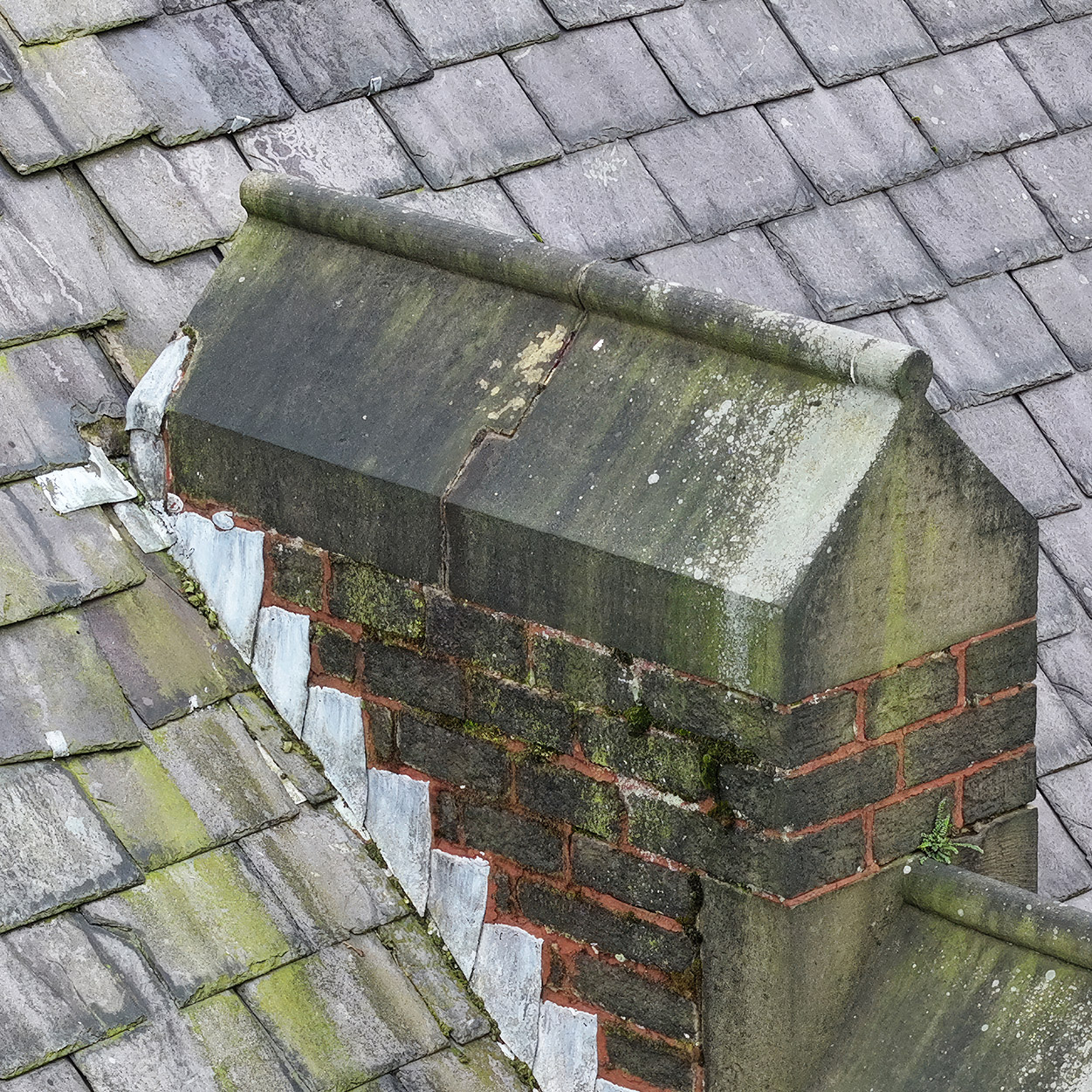
A young couple purchased a 1899 Victorian terrace in Walthamstow — part of the borough's gentrification wave. The homebuyer's survey stated "roof in generally acceptable condition." They completed the purchase without a specialist roof survey Waltham Forest London assessment, excited by the property's potential.
Year 1: Damp appears on the rear bedroom ceiling after heavy autumn rain. They clear gutters and repaint. A neighbour mentions they've had similar issues. No investigation of the actual roof system carried out.
Year 2: Damp returns in the same area and spreads to the landing. A roofer replaces cracked slates and repoints the rear chimney. Cost: £850. He mentions the lead valley "looks tired" but frames it as a future concern. Problem seems resolved for several months.
Year 3: Water actively enters the loft during prolonged October rain. Investigation reveals the lead valley gutter between the main roof and the rear outrigger has corroded through — a common failure point in Walthamstow terraces of this era. Welsh slate fixing nails have corroded, causing slippage across the rear slope. Critically, the party wall flashing has separated from clay soil settlement, and water has been tracking along the party wall into the neighbour's property as well. Rear roof restoration, valley replacement, party wall flashing renewal, and internal damage repair: £16,000-£24,000 for their side alone.
What a Professional Roof Survey Waltham Forest London Assessment Would Have Shown at Purchase: "This 1899 Victorian terrace shows deterioration patterns typical of Walthamstow properties of this age and location. Lead valley gutter between main roof and rear outrigger exhibits advanced fatigue cracking — this is the most common failure point in E17 terraces. Welsh slate fixings show corrosion-related loosening on the rear slope. Party wall flashing has separated at three courses from cumulative clay soil movement. Recommend valley replacement and slate re-fixing within 12-18 months. Proactive repair estimate: £5,000-£8,000."
The Pattern We See: Waltham Forest's Victorian terraces share common construction details — and common failure points. Lead valley gutters at rear outrigger junctions corrode. Slate nails rust. Party wall flashings separate from clay movement. These interconnected failures are predictable and preventable through professional assessment, but invisible to general surveys. Gentrifying buyers paying £500K+ for E17 terraces deserve to know what their roof actually needs.
The Lesson: A professional roof survey in Waltham Forest identifies the predictable failure points that all terraces of this era share. Knowing what's coming means addressing it affordably rather than discovering it through water damage at three times the cost.


Professional roof surveys demand both certification and local expertise. We combine RICS-registered surveyor qualifications with years specialising in East London period properties and Waltham Forest's specific challenges. This means we understand roofing science AND how it applies to Waltham Forest's property stock — whether Victorian terraces in Walthamstow Village, period conversions in Leyton, or inter-war semis in Chingford.
Roof surveys for Waltham Forest properties cost less than you'd expect for the value delivered. We assess condition comprehensively, identify the predictable failure points that terrace properties share, and provide documentation for insurance and planning.
The cost of a professional roof survey Waltham Forest London assessment is a fraction of emergency repair and water damage restoration costs. We provide exact quotes when you call — no surprises. Pricing reflects your property's size, roof complexity, and specific assessment needs.
What matters: You get professional assessment that definitively answers your questions about your Waltham Forest roof's condition. With E17 property values at record levels, understanding your roof isn't optional — it's essential investment protection.
Damp patches, slate slippage, or visible deterioration in Waltham Forest properties need professional assessment. We identify whether the issue is slate failure, lead corrosion, party wall flashing problems, clay settlement, or drainage issues — and recommend the right solution for your specific property.
With E17 property prices at record levels, a roof survey Waltham Forest London assessment is essential investment protection. Standard surveys don't identify the specific failure points that Victorian terraces share. Our reports give you the detail needed for confident purchase decisions and realistic maintenance budgeting.
Insurance companies require documented roof condition. Waltham Forest's strong rental market demands maintained properties. Professional assessment provides compliance documentation and identifies problems — including party wall issues that could affect neighbouring properties.
Before loft conversions, rear extensions, or renovation work, understand your roof's structural capacity and current condition. Victorian terraces have particular structural considerations that our survey identifies before construction starts.
Heavy rain, high winds, or frost can damage Waltham Forest roofs — particularly ageing slate and lead systems. Professional assessment documents weather damage for insurance and identifies vulnerabilities in your roof system.
Understanding whether your Waltham Forest roof has years of service remaining or needs planned intervention lets you make informed decisions. We provide that clarity with detailed, honest assessment specific to your property type and location.
Our Waltham Forest roof surveys assess slate and tile condition, structural integrity, lead work and valley gutters, party wall flashings, chimney stacks, gutters and rainwater goods, felt underlay, signs of current or historic leaks, clay soil settlement effects, Lea Valley moisture impacts, maintenance requirements, and estimated remaining lifespan.
Extremely detailed. We provide photographic documentation, condition ratings for every roof component, specific problem identification with root causes, party wall assessment, a prioritised maintenance timeline, and clear recommendations. You get definitive answers about your Waltham Forest roof.
We serve all of Waltham Forest including Walthamstow Village, central Walthamstow, Leyton, Leytonstone, Chingford, Highams Park, Snaresbrook, and all E4, E10, E11, and E17 postcodes. We regularly assess properties throughout Waltham Forest and surrounding areas including Hackney, Haringey, Newham, and Redbridge.
Most residential roof surveys in Waltham Forest take 2-3 hours on-site. Victorian terraces with rear outriggers and multiple chimney stacks may require slightly longer for thorough assessment. We provide a detailed written report within 48 hours.
Insurance companies frequently require documented roof condition, especially for damage claims, rental properties, and older buildings. Our detailed roof survey Waltham Forest London reports provide exactly the documentation insurance companies need.
Cost depends on your property's size, roof complexity, and assessment level needed. Victorian terraces with rear outriggers typically need detailed valley and party wall assessment. We provide exact quotes before booking — call for a straightforward price.
Waltham Forest has been one of London's most dramatic property market stories. Victorian terraces in Walthamstow that sold for under £200K a decade ago now command £500K-£900K+, driven by gentrification, the Victoria Line, and the borough's selection as London Borough of Culture. Walthamstow Village's conservation area features premium Victorian stock (£700K-£1.2M+). Leyton and Leytonstone are following the same trajectory with strong demand for period terraces (£450K-£750K). Chingford and Highams Park offer suburban inter-war character (£500K-£800K). This rapid value appreciation makes roof condition increasingly important — buyers are investing half a million pounds or more in Victorian terraces that may have roofing systems approaching end of life.
The borough's geology and geography create specific roofing challenges. Western areas near the Lea Valley sit on alluvial deposits with higher moisture levels and different ground behaviour than the London clay dominating central and eastern areas. This geological variation means subsidence patterns differ within relatively short distances — a Leyton terrace near the Lea faces different ground conditions than a Leytonstone property a mile away. The dense Victorian terrace construction means party wall integrity is crucial — shared walls between properties create water pathways that can affect neighbours if flashings fail. A roof survey in Waltham Forest London needs to assess these terrace-specific risks alongside individual roof condition.
Waltham Forest's transformation means many properties are changing hands for the first time in decades, often from long-term owners to young buyers investing their maximum budget. Understanding roof condition before purchase — or early in ownership — is the difference between a smart investment decision and an expensive surprise. A roof survey Waltham Forest London provides the intelligence that protects your investment in one of East London's most exciting property markets.
Walthamstow Village, Central Walthamstow, Leyton, Leytonstone, Chingford, Highams Park, Snaresbrook, Upper Walthamstow, Wood Street
Hackney, Haringey, Enfield, Newham, Redbridge
E17 (Walthamstow), E10 (Leyton), E11 (Leytonstone), E4 (Chingford/Highams Park)
Whether you own your Waltham Forest property, are purchasing one, or manage rental properties, understanding your roof's condition protects your investment. Water damage, unexpected repair costs, party wall disputes — these are the consequences of not knowing.
A professional specialist roof survey Waltham Forest London gives you clarity: exactly how your roof is performing, what the predictable failure points are, and what maintenance timeline you need to plan for. Not generic reassurance. Specific intelligence about YOUR property's roof.
Call 07833 053 749 now for immediate assessment. We typically complete Waltham Forest surveys within 2-3 hours. Detailed report within 48 hours. Same-day service often available for E17, E10, E11, and E4 postcodes.
