☆☆☆☆☆ Trustpilot | Independent Redbridge Roof Survey Specialists Call for Roof Survey 07833 053 749 Free Quote
Roof survey Redbridge London clay tile frost lamination inter-war Ilford Gants Hill and Edwardian Wanstead slate assessment

Roof Survey Redbridge London

  • Complete Roof Condition & Structural Assessment
  • Detailed Report in 48 Hours
  • Detailed Photo-Supported Reports from £195
  • Independent Expert Assessment - No Sales Bias

How Your Redbridge Roof Survey Works

1

Call & Get an Exact Price

Tell us about your Redbridge property — an inter-war clay tile semi in Ilford, Seven Kings, Gants Hill, or Goodmayes where frost lamination extent and re-tiling urgency needs establishing; an Edwardian house in Wanstead or South Woodford where Welsh slate nail-sickness is the question; or a property near the Gants Hill and Newbury Park transition zone where recurring chimney damp despite repointing suggests clay/gravel boundary differential settlement. Price confirmed from £195 by phone immediately.

2

We Survey Your Roof

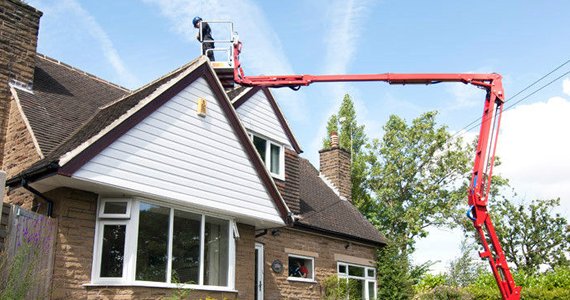
Our specialist assesses every element relevant to Redbridge’s three housing eras. Clay tile: close-range frost lamination assessment at multiple sample points across both slopes, porosity testing, felt underlay and batten inspection via loft. Welsh slate: nail-sickness slope by slope at close range, moss colonisation on shaded elevations. Chimney: clay/gravel boundary differential movement vs cap/pointing failure — the source correctly identified rather than incorrectly repointed. Flat roofs and valley gutters assessed throughout.

3

Detailed Report in 48 Hours

Full written report with photographs, condition ratings, remaining service life estimates, and a prioritised costed action list. Clay tile: frost lamination extent rated by slope, patch-or-re-tile determination from porosity testing. Slate: nail-sickness percentage by slope with timeline. Chimney: differential settlement diagnosis with flexible re-leading specification where applicable. Pre-purchase reports with programme costs for negotiation. Report within 48 hours.

Redbridge is one of east London’s most varied suburban boroughs — varied not just in its housing stock, which spans three distinct eras across a wide area, but in its underlying geology, which creates roofing challenges that are genuinely specific to this borough and not replicated across neighbouring areas. The London Borough of Redbridge covers Ilford, Seven Kings, Goodmayes, Gants Hill, Wanstead, Woodford, South Woodford, Barkingside, Newbury Park, and Clayhall. The main IG and E18 postcodes together cover a substantial residential area that developed in three identifiable waves.

The Edwardian development wave in Wanstead and South Woodford produced the western edge of Redbridge’s housing stock: large semi-detached and detached houses built between 1900 and 1914 on and around the Epping Forest gravel terrace. These properties used Welsh slate — the standard London Edwardian roofing material — and their roofs are now 110 to 125 years old. At this age, nail-sickness is the defining structural question. The original iron fixing nails have been corroding since installation; on north-facing and west-facing slopes under the substantial tree canopy of the Wanstead and South Woodford gravel terrace, moss-retained moisture accelerates nail section loss beyond the already-advanced corrosion expected at 110 years. Individual slate testing at close range slope by slope is the only reliable assessment method at this age; ground-level inspection cannot detect the corroded nail hidden beneath the overlapping slate course.

The dominant Redbridge housing category — and the one that presents the borough’s most distinctive and least widely understood roofing challenge — is the inter-war semi-detached stock built across Ilford, Seven Kings, Goodmayes, Gants Hill, Barkingside, and Newbury Park during the 1920s and 1930s. These are not the concrete interlocking tile semis common in south and west London suburbs from the same era. Redbridge’s inter-war stock used clay plain tiles — the flat, overlapping fired-clay tile whose particular failure mode at 85 to 100 years is frost lamination rather than simple porosity or cracking.

Frost lamination begins when a clay tile body has become porous enough through surface weathering that water penetrates the clay matrix. When the saturated tile freezes, the water expands and the hydraulic pressure is greatest immediately below the outer fired surface — which is the densest and least permeable layer. Over repeated freeze-thaw cycles this pressure shears the outer fired face from the clay body beneath it, exposing a rougher, more absorbent surface that accelerates both further water ingress and further lamination. The process is progressive and self-amplifying: once started across a slope, it typically affects both roof faces simultaneously over a period of 3 to 8 years as each tile approaches the same stage of surface weathering. Redbridge’s inter-war clay tiles are at the age range where this transition from early lamination to systemic slope-wide failure is happening, and the distinction between a roof with 4 to 6 years of serviceable life remaining and one that needs re-tiling within 12 months requires close-range assessment and porosity testing that pavement-level roofer visits do not and cannot provide.

The third factor unique to Redbridge is its geological boundary. The Epping Forest gravel terrace — a free-draining substrate with relatively stable seasonal movement — covers western Redbridge: Wanstead, South Woodford, and Woodford. London clay — which expands when wet and contracts when dry, and responds to tree root moisture extraction with several millimetres of seasonal vertical movement — underlies central and eastern Redbridge: Ilford, Seven Kings, Goodmayes, and most of Gants Hill and Newbury Park. The boundary between these two substrates runs roughly north-south through the borough. Properties near this boundary experience the most complex differential ground movement in Redbridge: where a chimney stack sits closer to the clay side of the boundary than the main roof structure does, the stack settles at a different rate, opening lead step flashing abutments progressively. Recurring chimney breast damp that returns despite cap repointing on Gants Hill and Newbury Park boundary-zone properties is the characteristic symptom of this mechanism.

Nearby Areas: Edwardian slate surveys across Wanstead and South Woodford. Inter-war clay tile coverage at Ilford and Barking & Dagenham. East London Victorian slate at Newham.

Redbridge roof survey - clay tile frost lamination inter-war semi Ilford Gants Hill and Edwardian slate Wanstead assessment London

Redbridge Roofing We Assess

  • Clay tile frost lamination: Close-range face assessment and porosity testing across both slopes — the systemic failure mode on 85–100-year Ilford and Gants Hill plain tiles
  • Welsh slate nail-sickness: Individual slate testing slope by slope at close range — Edwardian Wanstead and South Woodford properties at 110–125 years
  • Clay/gravel boundary chimney: Differential settlement mechanism at lead step flashing abutments diagnosed and distinguished from cap/pointing failure
  • Felt underlay and battens: Loft inspection across the full roof area — perished felt sections identified before batten moisture damage develops
  • Valley gutters: Lead and mortar condition assessed for Edwardian properties with original valley gutters at 110–125 years
  • Flat roof extensions: Rear extension and garage roof membrane condition assessed as standard

Our Redbridge Coverage Area

Roof survey Redbridge professional accreditations Redbridge London roof inspection certifications

Redbridge presents assessment challenges that require borough-specific knowledge: frost lamination on clay plain tiles that looks like ordinary weathering until porosity testing reveals the extent; nail-sickness on 110-year Edwardian slate that is invisible until a nail shears and a slate slips; and differential settlement at the clay/gravel boundary that causes chimney damp persistently misattributed to cap failure. These are not generic suburban survey items — they require understanding of Redbridge’s specific housing eras, materials, and geology.

Three Years of Patching a Systemically Failed Roof — Gants Hill

Pre-Purchase Scenario — 1934 Clay Tile Semi, Gants Hill

A family purchased a 1934 semi-detached house on a residential street off Eastern Avenue in Gants Hill for £520,000. The property had its original clay plain tile roof. The purchase survey noted “roof consistent with age, routine maintenance anticipated.” No specialist roof survey was commissioned before exchange. The property also had a small rear kitchen extension with a flat roof and a chimney serving the front reception room fireplace.

Year 1: Several tiles slipped from the front slope during a winter storm. A roofer attended, replaced three tiles, cleared moss from the front elevation, and repointed a short ridge section. Cost: £280. The roofer noted the tiles were “getting old” without further assessment. No slip or fall of tiles was observed on the rear slope, so only the front slope was attended to.

Year 2: Damp appeared at the front bedroom ceiling after prolonged autumn rain. The same roofer returned, replaced two more cracked tiles on the front slope, and repointed the chimney cap and top courses of pointing. Cost: £580. The damp improved temporarily. A new damp patch then appeared at the rear bedroom ceiling six weeks later. The roofer was not recalled for this; the owner assumed it was a separate issue related to the rear extension flat roof and had a different contractor attend to it. The flat roof contractor patched a split at the rear upstand. Cost: £220.

Year 3: Both bedrooms showing water staining after heavy November rain. The front chimney breast also damp again despite the Year 2 cap repoint. Emergency specialist assessment commissioned. Findings:

(1) Clay tile — frost lamination assessment: Close-range inspection of both slopes found frost lamination at an advanced stage across approximately 65% of the front slope and 55% of the rear slope. Porosity testing at nine sample points confirmed near-uniform high water absorption across both elevations. Original bitumen felt underlay — inspected via loft access — found to be failing at the horizontal laps across the full rear slope and approximately 40% of the front slope. The roof was not leaking through individual cracked tiles: it was leaking through the failed felt underlay behind the tile surface across both slopes. Every tile replacement carried out in Years 1 and 2 had addressed visible surface symptoms on a roof whose structural waterproof barrier had already failed below the tile level. Systematic re-tiling with new breathable underlay required; patching had achieved nothing lasting.

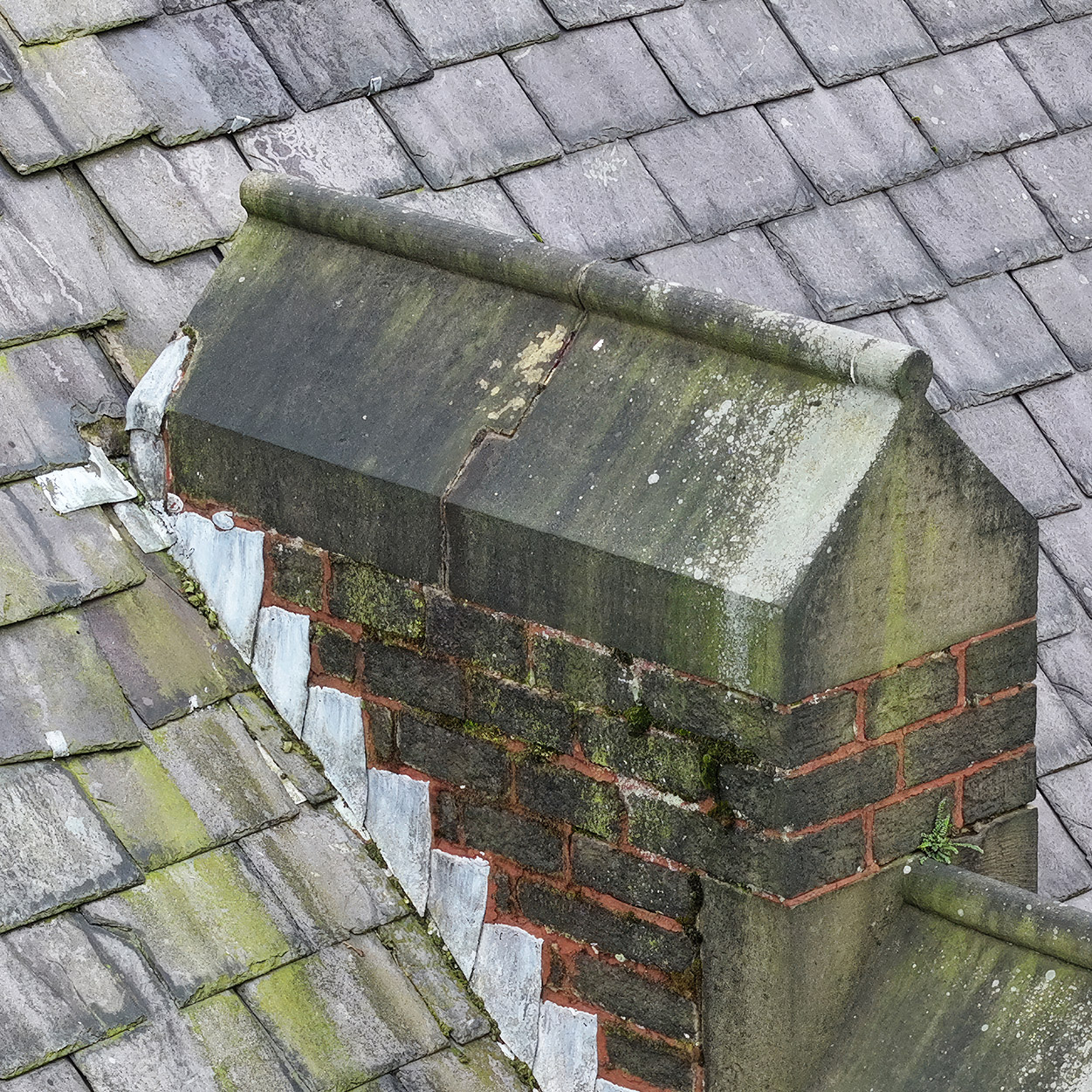
(2) Chimney — clay/gravel boundary differential settlement: The property sits approximately 180 metres east of the mapped clay/gravel geological boundary. The chimney stack foundation, assessed from internal inspection and external lead condition, showed evidence of cumulative differential settlement: the lead step flashing on the south face of the stack had opened by approximately 4mm at the upper two courses — consistent with progressive stack settlement relative to the main roof structure on a clay substrate responding to moisture cycles from the mature cherry tree in the front garden. The cap and pointing were in adequate condition. The source of the recurring chimney breast damp was the step flashing abutment on the south face, not the cap. Three cap repoints would not have resolved this.

(3) Rear extension flat roof: The Year 2 patch at the upstand had failed within 12 months. Bitumen felt at approximately 45 years was at end-of-life across the full area. The Year 2 patch had been applied over a membrane that was blistering and losing adhesion across 80% of the roof surface. Full flat roof replacement required.

Total Programme: Clay tile re-roofing with breathable underlay: £9,800–£13,200. Chimney south face flexible re-leading: £1,100–£1,500. Rear extension flat roof replacement (GRP): £2,000–£2,600. Total: £12,900–£17,300. Internal redecoration following water damage to both bedroom ceilings: £1,400–£2,200 additional.

What a Specialist Pre-Purchase Survey Would Have Found: “Clay tile: frost lamination at approximately 40–50% of tile surface across both slopes at this stage — porosity testing confirms advancing moisture absorption. Felt underlay at horizontal laps: beginning to fail, 2–4 years to systematic ingress without intervention. Re-tiling required within 3–4 years, budget £9,800–£13,200. Chimney stack: differential settlement consistent with clay substrate moisture cycling — step flashing abutment showing early opening, flexible re-leading recommended within 2 years, budget £1,100–£1,500. Rear extension flat roof: 45-year felt at near end-of-life, replacement within 12–18 months, budget £2,000–£2,600. Total programme: £12,900–£17,300. Recommend negotiation before exchange.”

Survey cost: from £195. Patch visits totalling £1,080 addressed surface symptoms on a roof whose felt underlay had already failed. The chimney damp source was never correctly identified until specialist assessment. Pre-purchase survey would have established the full programme before exchange on a £520,000 purchase and directed the chimney diagnosis correctly from the outset.

Redbridge Homeowner & Buyer Experiences

"Buying a 1930s detached in Gants Hill — your porosity testing on the clay tiles and loft felt inspection established the re-tiling was needed within 2 years, not the 'another 5 years in it' opinion we'd had from two roofers. We negotiated £14,000 off the asking price. The clay/gravel boundary chimney diagnosis in the report was the detail that settled a three-year damp question the previous owner had given up on."
Amit & Priya S — Gants Hill Property Buyers
"Managing rental properties across Ilford and Seven Kings. Your reports give me exactly what insurance requires and a clear maintenance plan for each property. The frost lamination assessment on the clay tile stock is the specific expertise that prevents emergency situations — two pre-emptive re-roofings planned rather than two emergency reactive jobs."
Robert C — Landlord, Redbridge Portfolio
"Persistent chimney damp on our Wanstead Edwardian semi — two roofers repointed the cap twice without effect. Your survey identified that the gravel terrace valley gutter had failed at the upstand mortar fillet after 115 years, and the chimney flashing was entirely sound. Precise diagnosis that finally directed the right repair to the right place."
Janet P — Wanstead Homeowner

Roof Survey Pricing — Redbridge Specialists

Professional Assessment from £195

Roof surveys for Redbridge properties start from £195. Whether a 1920s or 1930s clay tile semi in Ilford, Seven Kings, Goodmayes, or Gants Hill where frost lamination extent needs establishing and the patch-versus-re-tile decision needs settling from objective porosity testing rather than roofer opinion; a Wanstead or South Woodford Edwardian property where nail-sickness on 110-year Welsh slate determines the programme scope and pre-purchase negotiation basis; a property near the clay/gravel boundary where recurring chimney damp has not been resolved by repeated cap repointing; or a pre-purchase survey where the full programme cost needs establishing before exchange — call 07833 053 749 for an exact price confirmed immediately. Report within 48 hours.

On an inter-war Redbridge clay tile semi at £450,000 to £700,000, or an Edwardian Wanstead property at £700,000 to £1,200,000+, the programme costs that specialist assessment identifies before exchange are the financial planning information that no homebuyer survey provides. No repairs sold — honest assessment only.

When You Need a Roof Survey in Redbridge

Buying an Inter-War Semi in Ilford or Gants Hill?

A homebuyer survey on a 1930s Ilford or Gants Hill semi will note “clay tile roof showing age” and recommend specialist inspection. It will not test tile porosity, assess frost lamination extent across each slope, inspect felt underlay condition at the laps, or identify whether the chimney is on the clay side of the geological boundary. Specialist pre-purchase assessment establishes all of this with programme costs before exchange. The difference between a property that needs re-tiling in 2 years and one that has 6 years remaining is the negotiation information that makes the purchase fully informed.

Buying an Edwardian Property in Wanstead or South Woodford?

Welsh slate at 110 to 125 years on a large Wanstead or South Woodford semi or detached property is a major financial planning item. Nail-sickness extent determines whether re-slating is required within 12 months or within 3 to 5 years; valley gutter condition on a 110-year-old original lead run is a separate but equally significant question. Pre-purchase specialist assessment of both, with programme costs for negotiation, is the information that a homebuyer survey does not and cannot provide.

Water Ingress Despite Repeated Patching?

If damp has recurred on an inter-war Redbridge clay tile semi despite two or more roofer visits replacing tiles, the felt underlay behind the tile surface has almost certainly failed at the horizontal laps. Patching surface tiles does not address a failed felt underlay. Specialist assessment with loft inspection establishes whether the felt failure is localised (allowing targeted felt section replacement) or widespread (requiring the re-tile to include new underlay throughout). This is the information that ends the patching cycle.

Chimney Breast Damp Despite Repointing?

Recurring chimney damp after cap repointing on a property near the Gants Hill or Newbury Park area of the clay/gravel geological boundary is the characteristic symptom of differential settlement opening the lead step flashing abutment. Cap repointing addresses the cap; the abutment step flashing is a separate lead component that requires its own assessment from ladder access. Specialist survey identifies the movement mechanism and specifies flexible re-leading that accommodates ongoing seasonal clay movement rather than the rigid repoint that fails again within 2 to 3 winters.

Planning Ahead on an Ageing Clay Tile Roof?

For Redbridge owners of 1920s and 1930s clay tile properties who are not yet experiencing active water ingress but know the roof is approaching 90 to 100 years old, specialist assessment establishes the realistic re-tiling window — whether the porosity and frost lamination suggest 2 years or 7 years of serviceable life remaining. On a £10,000–£15,000 re-tiling programme, a 3-year planning window allows budgeting and contractor selection rather than reactive emergency response.

Landlord with Redbridge Rental Portfolio?

Inter-war clay tile properties across Ilford, Seven Kings, and Goodmayes are among the most common rental stock in east London. Portfolio roof surveys establish the maintenance horizon for each property: which roofs have serviceable life, which need planning for re-tiling within 12 to 24 months, and which are still early in the frost lamination cycle with 5+ years remaining. Our reports meet insurance documentation requirements and provide a maintenance schedule that prevents emergency situations.

Frequently Asked Questions — Roof Survey Redbridge

What is the difference between clay plain tile and concrete tile, and why does it matter for Redbridge?

Clay plain tiles are hand-moulded or machine-pressed from fired clay, with a characteristic small nibs at the top that hook over the battens without mechanical fixings on every course (nail fixings are used on every fourth course and at exposed positions). Concrete interlocking tiles — the standard type used in post-war and later suburban London — are heavier, machine-formed, and use a profiled interlocking design that requires a nail or clip on every tile. The two materials age differently. Concrete tile fails primarily by carbonation and surface porosity. Clay plain tile fails by frost lamination — the freeze-thaw face-spalling process described in detail in the FAQ entry above — and by nib failure as the nib weakens after decades of thermal cycling. Redbridge’s inter-war stock used clay plain tiles, not concrete: the assessment is therefore different from the porosity-only check that suffices for concrete tile, requiring close-range face inspection for lamination and a separate nib integrity check at accessible tile courses.

What does the geological boundary mean practically for a Redbridge buyer?

If a property you are buying in Gants Hill, Newbury Park, or the central Ilford area near the mapped clay/gravel transition has a chimney, the step flashing abutment condition is a specific inspection point that standard homebuyer surveys do not assess. We identify from the lead condition, the presence of any historic repairs, and the proximity to the boundary whether differential settlement is the likely explanation for chimney damp — and if so, we specify flexible lead detailing rather than the rigid mortar repoint that will fail again. This is not a speculative risk; it is a documented failure pattern on boundary-zone properties that we assess regularly across Redbridge.

How much does a roof survey cost in Redbridge?

Roof surveys start from £195. Call 07833 053 749 for an exact price confirmed immediately — no forms, no waiting.

Do you cover all areas of Redbridge?

We cover the full London Borough of Redbridge including Ilford, Seven Kings, Goodmayes, Gants Hill, Wanstead, South Woodford, Woodford, Barkingside, Newbury Park, and Clayhall across the IG1, IG2, IG3, IG4, IG5, IG6, and E18 postcodes. We also cover adjacent areas including Chigwell and Loughton in Essex and the RM8 border with Barking & Dagenham.

Can frost-laminated tiles be replaced individually or does the whole roof need re-tiling?

Individual laminated tiles can be replaced where the lamination is genuinely isolated — where porosity testing confirms the surrounding tile surface is still performing adequately and the felt underlay condition is sound. In practice, on an inter-war Redbridge clay tile roof at 85 to 100 years, frost lamination rarely stays isolated: once the surface weathering layer has thinned sufficiently for lamination to begin on one tile, the surrounding tiles on the same slope are typically at a similar stage of surface wear. Porosity testing across multiple sample points on each slope establishes whether the condition is genuinely localised (patch viable) or distributed (systematic re-tiling the only effective solution). Our surveys give a clear answer to this rather than leaving it as a judgement call.

Are your surveys independent?

Completely. We survey only — no repairs sold, no contractor referrals. For the patch-versus-re-tile decision on a Redbridge clay tile roof, or the chimney differential settlement diagnosis on a boundary-zone property, independence is what gives the assessment its value to a buyer or owner trying to make a financially significant decision.

Understanding the Redbridge Property Market

Redbridge is one of east London’s most active family property markets, offering large inter-war semis and detached houses at prices significantly below equivalent stock in south or west London. Inter-war three and four-bedroom semis in Ilford, Seven Kings, Gants Hill, and Goodmayes trade at £420,000 to £680,000. Larger detached houses in Gants Hill and Barkingside reach £650,000 to £900,000. Wanstead and South Woodford command a premium on the gravel terrace: Edwardian and inter-war semis sell at £650,000 to £1,100,000, with the largest detached houses exceeding £1,200,000.

The borough attracts a high proportion of first and second-time buyers from the wider east London area, many of whom are stretching to purchase a family property and for whom an unidentified £12,000–£17,000 re-roofing programme in the first three years of ownership is a significant financial shock. Pre-purchase specialist assessment — identifying frost lamination extent, felt underlay condition, and clay/gravel boundary chimney issues before exchange — is the tool that converts that shock into a negotiated reduction or a properly funded planned programme.

The London Borough of Redbridge is the planning authority. Like-for-like clay tile replacement on standard suburban semis generally does not require planning consent. Properties in Wanstead Village Conservation Area and the various Woodford conservation areas have material restrictions; our surveys note any planning considerations relevant to the specific property.

Redbridge Property Facts

  • Inter-war semis (Ilford, Gants Hill): £420K–£680K
  • Larger detached (Gants Hill, Barkingside): £650K–£900K
  • Edwardian stock (Wanstead, S. Woodford): £650K–£1.2M+
  • IG1–IG6 and E18 postcodes
  • London Borough of Redbridge
  • Clay/gravel geological boundary through borough
  • Epping Forest gravel terrace to west
  • London clay to east and centre

Service Areas — Redbridge & East London

Redbridge Borough Coverage:

Ilford, Seven Kings, Goodmayes, Gants Hill, Wanstead, South Woodford, Woodford, Barkingside, Newbury Park, Clayhall, and all streets throughout the IG1, IG2, IG3, IG4, IG5, IG6, and E18 postcode areas

Surrounding Areas:

Barking & DagenhamNewhamWaltham ForestHavering

Postcode Coverage:

IG1 (Ilford), IG2 (Newbury Park/Goodmayes), IG3 (Seven Kings), IG4 (Gants Hill), IG5 (Clayhall/Barkingside), IG6 (Barkingside/Hainault), E18 (South Woodford), E11 (Wanstead/Leytonstone)

Why Redbridge Property Owners Choose Us

  • Clay Tile Expertise: Frost lamination assessment specific to Redbridge’s inter-war clay plain tile stock — not the standard concrete tile porosity check
  • Edwardian Slate: Nail-sickness assessment at close range for Wanstead and South Woodford properties at 110–125 years
  • Geological Boundary Knowledge: Clay/gravel differential settlement at chimney abutments diagnosed and specified correctly
  • Felt Underlay Inspection: Loft access assessment confirms whether the felt barrier has failed — the finding that ends the patching cycle
  • Landlord Portfolio Surveys: Multi-property assessments with individual condition ratings and maintenance schedules
  • Independent Only: No repairs sold — honest assessment every time

Understand Your Redbridge Roof Today

Whether you’re buying an inter-war clay tile semi in Ilford or Gants Hill and need frost lamination extent, felt underlay condition, and chimney clay/gravel boundary assessment established with programme costs before exchange; dealing with recurring water ingress on a clay tile roof where patch repairs have addressed surface tiles without touching the failed felt underlay below them; trying to resolve chimney breast damp on a boundary-zone Gants Hill property that cap repointing has not cured; or managing a Redbridge rental portfolio that needs a maintenance schedule across multiple inter-war clay tile properties — specialist assessment gives you the specific answers for the specific property and geology.

Call 07833 053 749 now. Price confirmed from £195 by phone immediately. Detailed written report with photographs, frost lamination extent by slope, porosity test results, felt underlay condition, chimney differential settlement diagnosis, and costed recommendations within 48 hours.

Professional Roof Survey from £195
Redbridge Specialists • Clay Tile, Edwardian Slate & Geological Boundary Experts
  • Reviewer Trust Pilot
  • Review 07-03-2026
  • Reviewed Item Roof Survey Redbridge
  • Author Rating ☆☆☆☆☆
No online forms. No waiting. Exact price in 60 seconds.
Call 07833 053 749 Get a Free Quote
☆☆☆☆☆ Trustpilot | Clay Tile Frost Lamination & Edwardian Slate Specialists