
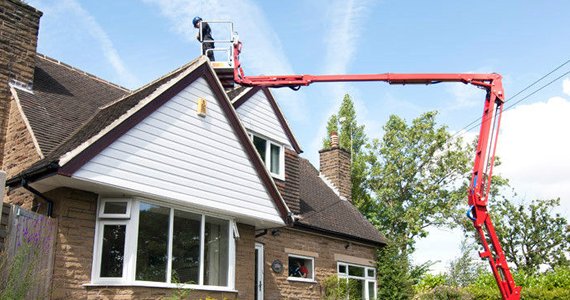


Chertsey is a historic Surrey town with character properties alongside modern developments. From period cottages dating back centuries to contemporary family homes, Chertsey's property diversity requires expert assessment that understands both heritage structures and modern construction.
We've assessed hundreds of Chertsey roofs across all property types and eras. We understand how historic buildings age differently from modern homes. We recognize period materials and their specific needs. We're familiar with contemporary roofing systems and their vulnerabilities. This expertise means our assessment accounts for Chertsey's unique heritage and modern development mix.
Chertsey's character lies in its historic buildings. Many properties date back centuries, with roofing materials and construction methods reflecting their age. Understanding these historic structures requires specialist knowledge that differs significantly from assessing modern construction.
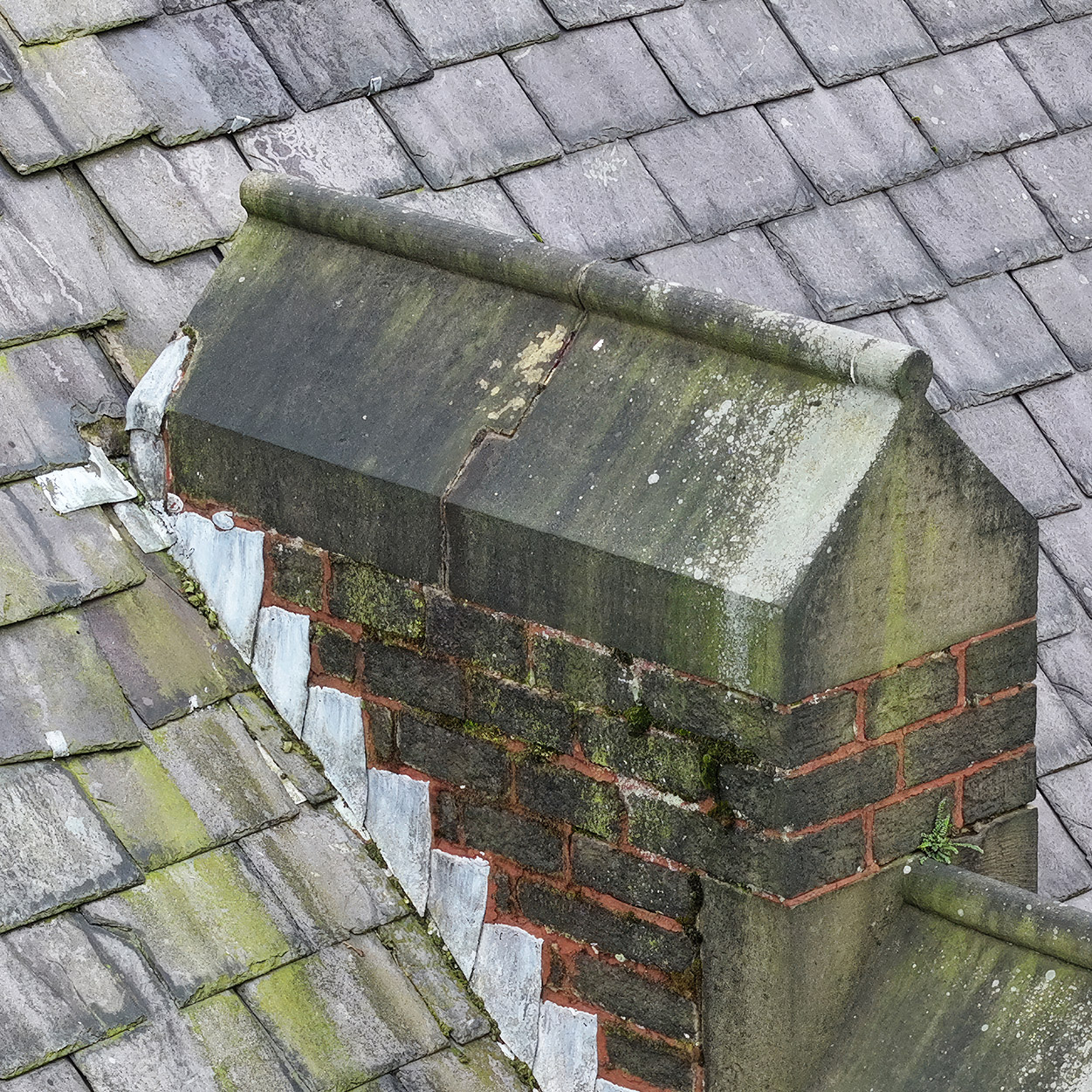
Period properties: Often feature original or traditional materials. Slate, lead flashings, and historic construction methods require careful assessment and understanding of preservation requirements.
Modern developments: Contemporary materials and construction standards with different aging patterns and maintenance cycles.
Mixed areas: Neighborhoods combining period charm with modern extensions and improvements. Each property type presents different assessment challenges.
Original materials matter: Period properties often retain original slate, stone tiles, or lead. These materials require specialist knowledge to assess properly.
Heritage preservation: Many Chertsey properties have conservation restrictions. Understanding how to maintain roofs while respecting heritage requirements is crucial.
Hidden deterioration: Historic buildings can mask significant problems. What looks solid on exterior may hide underlying issues requiring careful assessment.
An owner of a beautiful 18th-century cottage in Chertsey loved its character but assumed the roof was "solid as it's lasted this long." Exterior looked fine to casual observation.
Year 1: After heavy rain, slight water staining appears inside. Assumes cosmetic or temporary.
Year 2: Staining returns and spreads. Water definitely getting in. Gets basic roofer to look—suggests work needed but unclear how extensive.
Year 3: Professional assessment reveals: Historic slate roof deteriorating beneath surface. Original flashings failing. Underlying timber supporting structure showing age. Repairs needed within 12 months before structural damage occurs.
What Professional Assessment Year 1 Would Have Identified: "Historic slate roof showing age-appropriate deterioration. Flashings failing. Underlying deterioration emerging. Plan for specialist repairs within 12-18 months. Early intervention prevents structural damage."
The Pattern: Chertsey's historic properties show this repeatedly. Period buildings hide problems beautifully until water damage forces attention.
Roof surveys for Chertsey properties cost less than you'd expect for the value. We assess condition thoroughly, identify problems before they become emergencies, and provide documentation for insurance and planning.
For period properties, specialist assessment is especially valuable for understanding preservation requirements and preventing costly mistakes. We provide exact quotes when you call—no surprises.
What matters: You get professional assessment that understands Chertsey's heritage and modern properties equally well.
Historic buildings need specialist assessment. Understanding original materials and how they're aging lets you plan appropriate maintenance and preservation.
If your property is in a conservation area, understanding roof requirements while respecting heritage restrictions is important. Professional assessment addresses both.
Before settling in, understand what maintenance your roof needs and what timeline you're looking at. Standard surveys miss critical period property details.
Water stains, damp areas, attic moisture—these need professional diagnosis to identify cause and recommend solutions specific to your property type.
Insurance documentation and tenant management require professional assessment. We provide the reports insurance companies need.
Before starting work on a period property, understand your roof's condition and any heritage requirements. Prevents mid-project surprises.
With specialist knowledge. Period properties require understanding of historic materials, original construction methods, and how these materials age. We assess condition while considering preservation and heritage requirements. This expertise is essential for period property assessment.
Yes. We're familiar with conservation area restrictions and how they affect roof maintenance and repair options. Our assessment helps you understand both what your roof needs and what restrictions apply.
Most surveys take 2-3 hours on-site. Period properties may require additional time for careful assessment of historic materials. We provide detailed written reports within 48 hours.
Our surveys assess roof covering condition, structural integrity, flashings, gutters, water management, signs of damage, maintenance requirements, and estimated lifespan. For period properties, we also assess historic materials and preservation implications.
Yes, especially for period properties. Insurance companies require roof condition documentation. Our detailed reports with photographic evidence provide exactly what insurance needs.
We serve all Chertsey including historic town centre, conservation areas, and surrounding residential neighborhoods. We regularly assess properties throughout KT16 and nearby postcodes.
Chertsey is rooted in history. The town's character comes from its heritage buildings, many dating back centuries. Understanding how these historic structures perform and what maintenance they need is essential for property ownership and conservation.
Many period properties in Chertsey have been maintained and updated over centuries while retaining original character. Understanding your specific roof's condition and how original materials are performing helps you plan appropriate maintenance that respects heritage while ensuring function.
Whether your property is period or modern, professional assessment gives you the clarity needed for planning and decision-making in Chertsey's unique property market.
Town Centre: Historic buildings, period properties
Conservation Areas: Heritage-designated properties
Residential Neighborhoods: Mixed period and modern homes
Postcode Coverage: KT16 (Chertsey), KT15, KT17
Staines-upon-Thames, Sunbury-on-Thames, Walton-on-Thames, Weybridge, Addlestone
Don't let roof uncertainty disrupt your Chertsey property. With professional assessment that understands historic and modern homes alike, we make roof inspections straightforward.
Call us now on 07833 053 749 for immediate assistance or to book your roof survey. We cover all Chertsey areas.
