☆☆☆☆☆ Trustpilot | Independent Horsham Roof Survey Specialists Call for Roof Survey 07833 053 749 Free Quote
Roof survey Horsham West Sussex

Roof Survey Horsham West Sussex

  • Complete Roof Condition & Structural Assessment
  • Horsham Stone Slate Specialist — Conservation & Standard Roofs
  • Weald Clay Movement & Victorian Period Property Experts
  • Detailed Photo-Supported Reports from £195
  • Independent Expert Assessment — No Sales Bias

How Your Horsham Roof Survey Works

1

Call & Get an Exact Price

Tell us about your property — period farmhouse with a Horsham Stone slate roof, Victorian terrace on the Bishopric, Edwardian villa on Springfield Road, 1930s semi in Roffey, or modern development in North Horsham. Fixed price from £195 confirmed by phone immediately. No forms, no waiting.

2

We Survey Your Roof

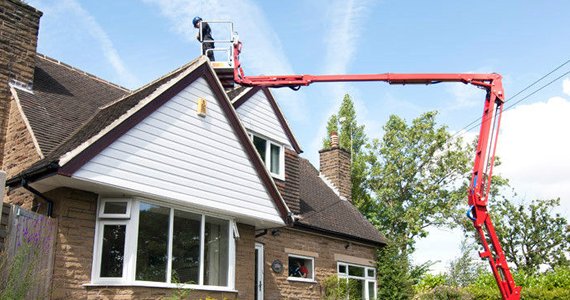
Our specialist inspects every element with Horsham’s specific geology and construction history in mind — Horsham Stone slate condition, fixing and bedding integrity, Weald Clay shrink-swell effects on extension junctions, Victorian and Edwardian clay tile condition, ridge and hip mortar, all lead flashings, flat roof sections, valley and parapet gutters, and chimney stack condition throughout.

3

Detailed Report in 48 Hours

Full written report with photographs, condition ratings, remaining lifespan estimates, and a prioritised action list with budget figures. For buyers: costed schedules at current Horsham property values. For landlords: portfolio-ready documentation. For owners: clear timelines, not vague “monitor” advice. Horsham Stone slate reports include conservation guidance and replacement source information.

Horsham — The Town That Names Its Own Roofing Stone

Horsham is a market town on the upper reaches of the River Arun, sitting in the Low Weald of West Sussex at the western fringe of the High Weald. The name means ‘horse home’ — the town was known for horse trading in medieval times — and the first documented record of settlement dates to 947 AD. The Carfax, the broad market square at the heart of Horsham, takes its name from the Norman “Quatre Voies” (four ways) and remains the town centre today, with Thursday and Saturday markets as in medieval times. The Causeway, running south from the Carfax to the parish church of St Mary the Virgin (in continuous use for nearly eight centuries), is lined with timber-framed buildings dating from the 15th century onwards. The old Town Hall on Market Square was erected in 1812 by the Duke of Norfolk on the site of a late medieval market hall. Chesworth House, a Tudor manor a mile outside the town, was owned by the Howard family and was home to Catherine Howard before her marriage to Henry VIII.

The town’s industrial history encompassed brewing, brickmaking and iron-smelting, and the area around St Leonard’s Forest to the east provided timber for charcoal-fuelled iron furnaces. But Horsham’s most distinctive industrial legacy — and its most important for roofing — is the stone quarried from the Weald Clay formation immediately around the town. Horsham Stone is a fine-grained, calcareous flaggy sandstone with characteristic ripple marks, deposited in the shallow waters of an ancient river system over 130 million years ago. A fissile variety, Horsham Stone Slate, could be split into thin roofing slabs and was used from Roman times: Stane Street was partly surfaced with it; Bignor and Fishbourne Roman villas contain Horsham Stone flooring and roof slates. In later centuries it was used on churches, mills, dovecotes and manor houses across Sussex and Surrey. The major quarries at Nuthurst and Stammerham in Southwater operated for centuries; large-scale commercial extraction ceased by the 1880s, and the last working quarry at Nowhurst, Strood Green, closed in 1930. Today, replacement Horsham Stone Slate is exceptionally scarce and expensive — making any property carrying an original Horsham Stone roof a specialist conservation matter.

Horsham grew substantially in the Victorian and Edwardian periods. The railway arrived in 1848, and the streets radiating from the Carfax — the Bishopric, North Street, Springfield Road, Park Street, Hills Farm Lane, Denne Road — filled with substantial terraces and villas through the second half of the 19th century and into the early 20th. Christ’s Hospital School, founded by Edward VI in 1552 and relocated from London to Horsham in 1902, occupies a large Edwardian campus to the south-west. The outer suburbs — Roffey to the north, Broadbridge Heath to the west, Southwater to the south — expanded further through the 20th century. Horsham is now a commuter town with direct rail to London Victoria (55 minutes), and the town’s strong property market — period townhouses, Victorian villas, Edwardian semis and modern executive housing — spans a wide value range.

Three Specific Roofing Failure Patterns

1. Horsham Stone Slate deterioration and misidentified repair. Any property in or around Horsham carrying original Horsham Stone Slate is a specialist case. The stone’s calcareous content makes it fundamentally incompatible with modern cement-based bedding mortars — the high alkalinity attacks the calcium in the stone, causing accelerated breakdown at the bedding face. Original Horsham Stone roofs were laid using lime mortar on timber battens, with iron nails (not modern aluminium or stainless fixings) that corrode slowly and leave tell-tale rust staining but provide different fixing characteristics. When repairs have been carried out using cement bedding or modern nails, the incompatibility may not be immediately visible but causes progressive failure at the stone-mortar interface. Many Horsham Stone roofs that “look fine” from the ground have had damaging cement repairs that are actively destroying the surrounding original slates. Replacement slates from the one remaining active quarry command premium prices; salvaged slates require provenance checking. A specialist survey establishes the condition of original material, identifies compatible repair approaches, and quantifies realistic replacement costs before decisions are made.

2. Weald Clay shrink-swell beneath extensions. Horsham town sits on Weald Clay — the thick, reactive clay formation that underlies much of the Low Weald between the North and South Downs. Weald Clay shrinks significantly in dry summers and swells back in wet winters. Properties with Victorian, Edwardian or later extensions built on Weald Clay experience the same seasonal movement as the underlying ground. Where the extension meets the original structure, the junction between them — whether sealed with mastic or lead flashing — opens and re-seals with each cycle. After decades of this, mastic seals fail permanently; even lead flashings can be worked loose at their fixings if the underlying movement is sufficient. This is the most common source of the “intermittent bedroom ceiling damp that’s been going on for years” reported on Victorian and Edwardian Horsham properties. It looks like a flashing fault; the actual driver is ground movement.

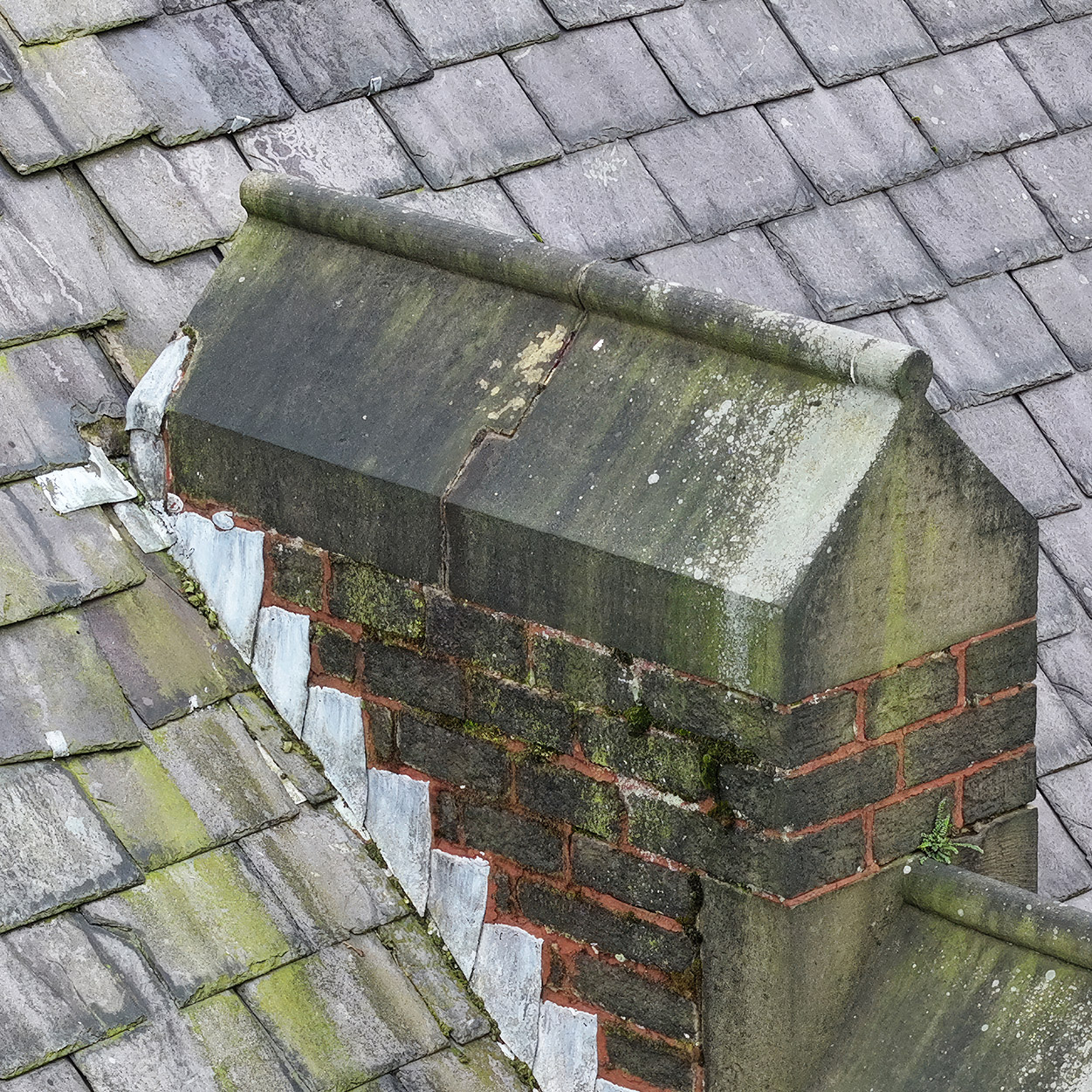
3. Victorian and Edwardian ridge mortar failure on clay tile roofs. The Victorian and Edwardian expansion of Horsham produced tens of thousands of properties roofed with handmade and later machine-made clay tiles on steeply pitched roofs. These are now 100–130 years old. The lime-based ridge and hip mortar that bedded the capping tiles has been through over a century of freeze-thaw cycles; on north and west-facing slopes, with no direct sun to dry moisture out, deterioration is significantly faster. Ridge tiles begin to rock slightly on failed mortar, which then admits water that accelerates the freeze-thaw cracking behind. What looks like a minor cosmetic crack becomes a loose ridge section after the first winter storm with significant wind loading. The same pattern affects Victorian chimney pot bedding and lead flashing pointing — materials that were never expected to outlast 100 years without maintenance.

Nearby Areas: We also cover Haywards Heath, Guildford, Horley, and Haslemere.

Roof survey Horsham West Sussex - Horsham Stone slate specialist

Areas We Know

  • The Causeway & town centre: Conservation area, period properties
  • Bishopric & North Street: Victorian terraces and commercial
  • Springfield Road & Park Street: Victorian and Edwardian villas
  • Hills Farm & Roffey: Inter-war and post-war suburban
  • Broadbridge Heath: Mixed residential, River Arun area
  • Southwater: Former quarry area, mixed stock
  • Billingshurst & Pulborough: Rural West Sussex villages
  • Postcode coverage: RH12, RH13, RH14

Our Horsham Coverage Area

Why Horsham Properties Demand Specialist Assessment

Springfield Road Victorian Villa — Four Simultaneous Failures, One Missed Survey

A buyer purchased a late-Victorian semi-detached villa on Springfield Road, Horsham, for £620,000. The property had a clay tile main roof with a small side extension, a large chimney stack to the main elevation, and a concrete flat roof section to the rear kitchen. The homebuyer survey noted “some ridge mortar pointing required, chimney in reasonable condition, flat roof reaching end of useful life.” No specialist roof survey was commissioned.

Year 1: The flat roof extension fails completely within eight months of purchase and requires full replacement. Cost: £6,200. The surveyor had noted it was “reaching end of useful life” — it was already past it.

Year 2: A damp patch appears on the rear bedroom ceiling, below the junction between the original house and the 1970s side extension. Two roofers apply mastic. The damp returns the following October.

Year 3: A ridge section lifts and displaces in a February gale, allowing water ingress into the loft. Emergency callout. Full investigation reveals: ridge mortar has failed across 80% of its length on both front and rear slopes; the chimney stack has significant mortar erosion to the rear face with three loose bricks at the top course; the extension junction has no lead step flashing throughout its entire length — it was mastic-sealed over blocked weep holes; and the Weald Clay beneath the rear extension has caused the extension to drop 8mm relative to the original structure. Total remediation: ridge re-bed throughout, chimney repoint and stabilise top courses, full lead step flashing installation, mastic removal and rebedding — £14,000–£18,500.

What a £195 Roof Survey Before Purchase Would Have Shown: “Flat roof: felt perished, end of life, full replacement required before occupation, budget £5,500–£7,000 urgent. Ridge mortar: 80% failure both slopes — full re-bed required, budget £2,800–£3,500 within 6 months. Chimney: mortar erosion rear face, three loose bricks top course — structural repoint required, budget £1,800–£2,400. Extension junction: no lead flashing present, Weald Clay movement evident in 8mm differential settlement — remove mastic, install lead step flashing over movement-accommodating detail, budget £1,400–£2,000.” Total known cost: £11,500–£14,900 — renegotiable at purchase, plannable before occupation.

The Pattern on Horsham Victorian Properties: Flat roofs age to failure quietly. Weald Clay moves beneath extensions every winter. Ridge mortar fails across entire slopes before one section drops in a gale. Chimney mortar erodes on the faces you can’t see from below. All four processes run simultaneously and compound one another — and a £195 specialist survey identifies all of them before you sign.

Roof survey Horsham professional accreditations Horsham West Sussex roof inspection certifications

Professional roof surveys in Horsham require understanding that is specific to this town. Horsham Stone Slate is a listed historic material with conservation implications — it is incompatible with cement mortar, its replacement stock is almost entirely sourced from salvage, and any repair requires knowledge of traditional lime-based fixing techniques. Weald Clay beneath the town is one of the most reactive clays in the south of England and its seasonal movement affects every extension and outbuilding on the older housing stock. Victorian and Edwardian clay tile roofs on the streets surrounding the Carfax are now over a century old and at the point where compound simultaneous failure is the norm, not the exception. We bring RICS-qualified assessment alongside specialist knowledge of Horsham’s construction geology and the specific failure patterns it produces on local properties.

Horsham Property Owner Experiences

“Buying a period property near The Causeway. The homebuyer survey said the ridge ‘needed some attention’. Your survey showed 80% mortar failure across both slopes and a chimney that needed urgent stabilisation. Used the report to negotiate £9,000 off the price and had the work done properly before we moved in.”
James & Sarah M — Horsham town centre buyers
“We had an old farmhouse near Southwater with a Horsham Stone slate roof that we’d been told was ‘in good condition’ for years. Your survey identified cement patches that were actively destroying the surrounding original slates. Properly repaired with lime mortar now — whole other level of specialist knowledge.”
Nick & Catherine B — Southwater, RH13
“Three rental properties in Horsham. The portfolio report flagged the Weald Clay movement under the extension on one property as the cause of the recurring damp — something I’d been having patched for five years. Proper lead flashing fitted and it’s been dry ever since.”
Graham F — Horsham landlord, RH12

Roof Survey Pricing — Horsham Specialists

Professional Assessment from £195

From Horsham Stone slate farmhouses near Southwater to Victorian terraces on the Bishopric to Edwardian villas on Springfield Road to modern developments in Roffey, professional roof survey from £195 provides Weald Clay-aware, stone-slate-knowledgeable, period-property-specialist assessment. We assess Horsham Stone condition and repair compatibility, extension junction flashing integrity, ridge and hip mortar, tile covering lifespan, chimney structural condition, and flat roof status — with written, photo-supported reports and costed action lists.

Exact quotes from £195 when you call. No surprises. Call 07833 053 749 now for immediate availability.

Frequently Asked Questions — Roof Survey Horsham

What makes Horsham Stone Slate roofs a specialist case?

Horsham Stone Slate is a calcareous sandstone that is chemically incompatible with cement mortars — the alkalinity of cement attacks the calcium carbonate in the stone, causing breakdown at any cement-bedded repair. Original roofs were laid on lime mortar; any property that has had cement repairs has an active deterioration problem at every repaired section. Replacement slates are sourced almost entirely from salvage, are expensive and require quality checking. Our surveys establish which repairs are compatible and which are causing harm.

How does Weald Clay affect Horsham properties?

Weald Clay shrinks in dry summers and swells back in wet winters. Extensions built on Weald Clay move seasonally relative to the original structure. This opens extension junctions, works lead flashings loose over decades, and causes step cracks in extension brickwork that look structural but are driven by clay movement. Mastic sealing is a temporary fix that must be repeated every few years. Properly installed lead step flashing with movement-accommodating details is the permanent solution.

How much does a survey cost?

From £195. Call 07833 053 749 for an exact price confirmed immediately by phone.

Is Horsham town centre in a conservation area?

The Causeway and parts of the historic town centre are within a conservation area. Properties in these areas may require Listed Building Consent or Conservation Area Consent for changes to roofing materials or significant external alterations. Our surveys note planning-relevant conditions and flag where specialist conservation guidance should be sought before undertaking repairs.

What areas around Horsham do you cover?

All of Horsham town — The Causeway, Bishopric, Springfield Road, Roffey, Hills Farm, Broadbridge Heath — plus the wider RH12, RH13 and RH14 postcode areas including Southwater, Billingshurst, Pulborough, Cowfold, Steyning, Henfield and surrounding West Sussex villages.

How soon can you survey in Horsham?

We aim to survey within 5–7 working days of booking. Written report with photographs delivered within 48 hours of the survey. Call 07833 053 749 to check current availability.

Understanding the Horsham Property Market

Horsham is one of West Sussex’s most sought-after commuter towns, sitting 31 miles south of London with direct rail to Victoria in 55 minutes, 18.5 miles from Brighton and 15 miles from Gatwick Airport. The town’s strong employment base — financial services, pharmaceuticals and technology — combined with its historic market town character, 60-acre Horsham Park at the centre, and excellent schools including Christ’s Hospital, drives sustained property demand. Average detached house prices in RH12 regularly exceed £600,000; period townhouses on The Causeway and Victorian villas on Springfield Road trade at £550,000–£900,000+; larger detached properties and farmhouses on the rural fringe exceed £1 million.

The housing stock is genuinely diverse: medieval and Tudor timber-framed buildings on The Causeway and Carfax; Georgian terraces on Albion Terrace and Brunswick Place; substantial Victorian expansion along the Bishopric, North Street and Springfield Road; Edwardian villas and Arts and Crafts houses across Hills Farm and Park Street; inter-war semis in Roffey; and post-war and modern development across North Horsham and Broadbridge Heath. Each era and location has its own specific roofing challenges, and understanding which applies to a property being bought, owned or let is the foundation of sound investment in its maintenance.

Horsham Facts

  • First recorded 947 AD; name means ‘horse home’
  • Market town — Carfax market since medieval times
  • The Causeway: 15th-century timber-framed buildings
  • Horsham Stone Slate quarried locally since Roman times; quarries closed 1930
  • Geology: Weald Clay Formation — highly reactive clay
  • Victorian and Edwardian expansion c.1850–1914
  • Christ’s Hospital School (founded 1552) relocated here 1902
  • Postcodes: RH12, RH13, RH14
  • Population ~55,000 (Horsham town)
  • 31 miles south London; 55 min Victoria by rail

Service Areas — Horsham & West Sussex

Horsham Town:

The Causeway, Carfax, Bishopric, North Street, East Street, Springfield Road, Park Street, Hills Farm, Roffey, Broadbridge Heath, Southwater

Wider West Sussex:

Billingshurst (RH14), Pulborough (RH20), Cowfold (RH13), Steyning, Henfield, Partridge Green, Bramber, Storrington

Surrounding Pages:

Haywards Heath, Guildford, Horley, Haslemere

Why Horsham Property Owners Choose Us

  • Horsham Stone Slate Knowledge: Conservation assessment, lime mortar compatibility, cement repair identification
  • Weald Clay Expertise: Movement patterns, junction flashing solutions, realistic permanent fixes
  • Victorian & Edwardian Specialist: Ridge mortar, chimney condition, clay tile lifespan
  • Conservation Area Awareness: Planning implications noted where relevant
  • Honest Independence: Surveys only — no repair contracts
  • Local Knowledge: Every Horsham street and housing era understood

The Town That Names Its Roofing Stone — Both Deserve Expert Care

Whether you own a Victorian terrace on the Bishopric, are buying a period villa near Springfield Road, carry a rare Horsham Stone slate roof near Southwater, or manage multiple Horsham properties, professional roof survey from £195 establishes whether Weald Clay movement is driving extension damp, whether ridge mortar has reached compound failure, and whether your Horsham Stone roof has been damaged by incompatible cement repairs. Understanding all three simultaneously — before you commit to a purchase or before a gale accelerates the process — is worth every penny.

Call 07833 053 749 now. Roof survey Horsham from £195. Report within 48 hours.

Professional Roof Survey Service
Horsham & West Sussex Specialists • Roof Survey Specialists
  • Reviewer Trust Pilot
  • Review 07-03-2026
  • Reviewed Item Roof Survey Horsham
  • Author Rating ☆☆☆☆☆
No online forms. No waiting. Exact price in 60 seconds.
Call 07833 053 749 Get a Free Quote
☆☆☆☆☆ Trustpilot | Independent Horsham Specialists