
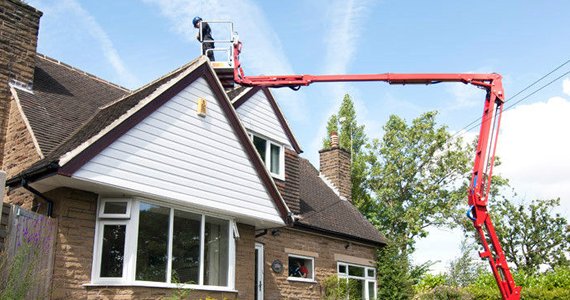


Littlehampton's seaside-town character combines holiday-letting properties with permanent residential and mixed commercial-residential development, creating unique assessment requirements where seasonal occupancy patterns, holiday-rental wear acceleration, and investment-property dynamics interact with traditional seafront salt-air exposure. Assessment must address both maritime environmental challenges and seaside-tourism property-use realities.
We've assessed hundreds of Littlehampton properties across holiday-rental investments, family homes, and commercial-residential mixes with specialist understanding of seaside-town property dynamics. This expertise means our roof survey accounts for Littlehampton-specific factors—seasonal occupancy acceleration combined with tourism-driven maintenance patterns—that standard surveys completely miss.
Littlehampton's character comes from distinctive seaside-tourism dynamic where holiday lettings, seasonal occupancy, and holiday-focused business create assessment requirements unique to tourism-driven communities balancing visitor economy with traditional residential needs.
Holiday-rental wear expertise: Seasonal properties experience compressed wear from high turnover occupancy. Multiple families per year create maintenance acceleration patterns completely different from permanent-residence aging.
Investment-property perspective: Holiday-letting property owners prioritize ROI and minimal disruption. Assessment must address urgent safety issues while minimizing revenue-disrupting repairs during busy seasons.
Holiday-rental properties: Seasonal tourism investment properties
Beachfront residences: Seafront permanent family homes
Mixed commercial-residential: Properties with holiday-let elements
Year-round vacation properties: Established tourism investments
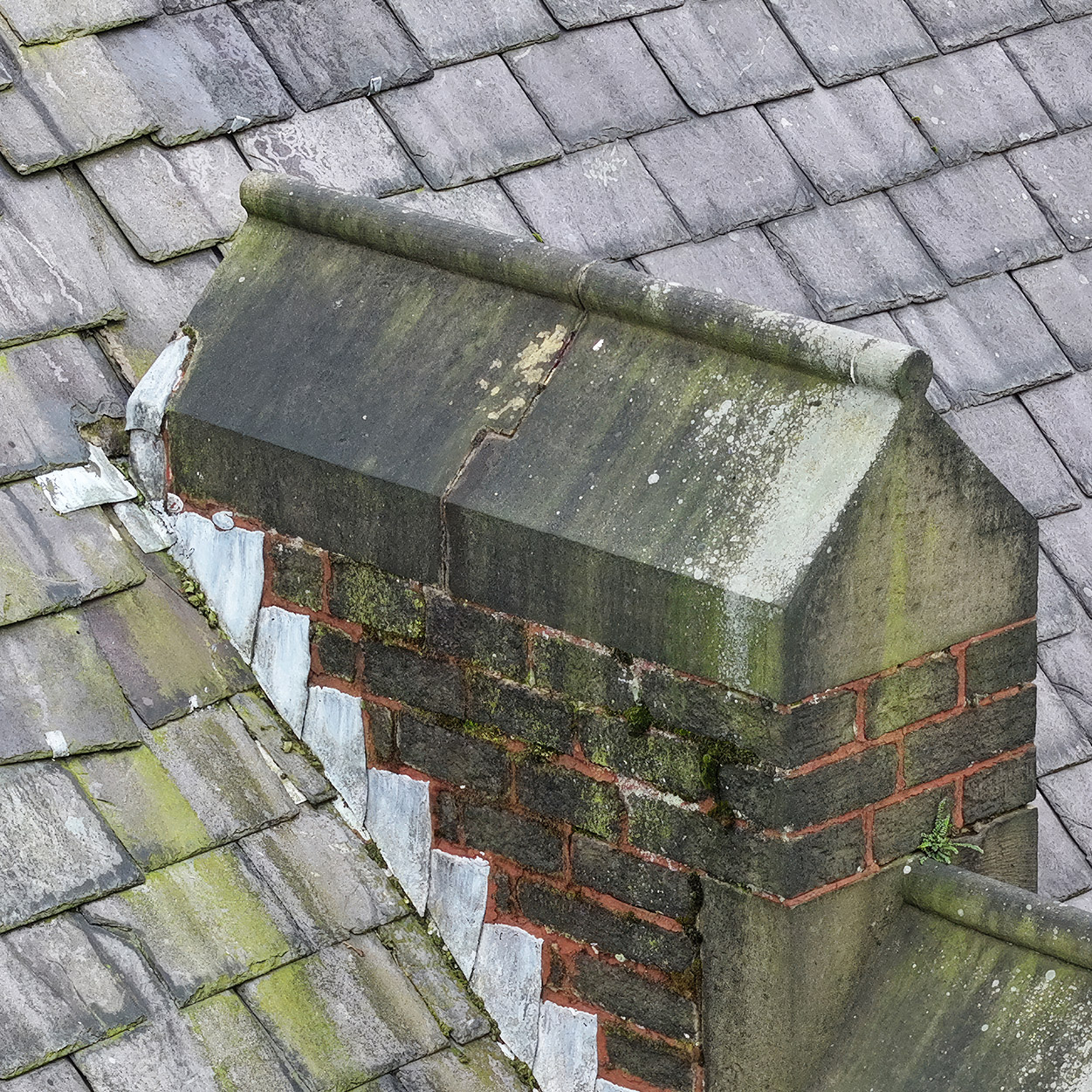
A Littlehampton beachfront holiday-let property, rented to holidaymakers year-round, showed accelerated wear consistent with high-turnover tourism use. Owner questioned whether roof renewal was approaching given apparent aging pattern. Assessment challenge: differentiate genuine age-related failure from holiday-rental acceleration requiring only maintenance-improvement versus systemic replacement.
Standard assessment: Generic surveyor notes aging pattern, suggests monitoring. Provides generic renewal timeline. Misses that holiday-rental acceleration doesn't equal structural failure—property needs maintenance improvement and rental-practice adjustment rather than expensive renewal.
Tourism-specialist assessment: Identifies holiday-rental wear acceleration versus genuine age-related failure. Recognizes that roof condition is manageable with improved off-season maintenance program and strategic interventions. Recommends maintenance-optimization approach enabling continued profitable operation without unnecessary capital expenditure. Assessment enables investment decisions maximizing ROI while managing genuine risk appropriately.
High-turnover seasonal use accelerates wear significantly. Multiple families per year creates maintenance patterns completely different from permanent-residence aging. Our assessment evaluates actual wear acceleration from tourism use and differentiates genuine failure from acceleration requiring maintenance optimization.
This depends on whether wear is rental-acceleration (manageable with improved maintenance) or structural failure (requiring renewal). Our assessment clarifies what's genuine failure versus rental-wear, enabling smart investment decisions. Off-season strategic interventions often prevent unnecessary capital expenditure.
Yes, strategically planning major work during winter low-season protects rental income. Our assessment recommends off-season maintenance windows appropriate for your property's specific condition and rental patterns.
Improved tenant communication about attic access restrictions, regular off-season professional maintenance, and proactive damage addressing prevent expensive escalation. Our assessment recommends maintenance protocols optimizing property protection while managing holiday-let economics.
Holiday-let properties should address any safety issues before guest occupancy. Our assessment clarifies what constitutes genuine guest-safety concern versus normal wear you can manage transparently.
We cover all Littlehampton areas in the BN17 postcode including beachfront, holiday-let concentrations, and residential neighborhoods. Coverage extends throughout West Sussex. Call for specific location coverage and tourism-specialist availability.
Beachfront Properties: Seafront holiday-let and residential
Holiday-Rental Concentrations: Tourism property clusters
Mixed Commercial-Residential: Tourism-integrated properties
Permanent Residential: Family homes and long-term stays
Postcode Coverage: BN17 (Littlehampton), BN16, BN18
Worthing • Shoreham-by-Sea • Arundel • Selsey • Bognor Regis
Roof surveys for Littlehampton properties require specialist expertise understanding holiday-rental acceleration and seafront environmental challenges. We assess thoroughly, identify wear patterns, and provide guidance supporting smart investment decisions.
For holiday-let investors and seaside property owners, professional specialist assessment prevents expensive over-investment while managing genuine risks. Understanding what's rental-wear versus structural failure enables confident ROI decisions. Exact quotes when you call—no surprises.
What matters: Professional assessment understanding Littlehampton's seaside-tourism property dynamics.
Don't let holiday-rental wear acceleration or seaside salt-air effects undermine your property investment. With professional tourism-specialist assessment understanding Littlehampton's unique seaside-property dynamics, we make roof inspections straightforward.
Call us now on 07833 053 749 for immediate assistance or to book your seaside roof survey. We cover all Littlehampton areas and are tourism-property specialists.
