
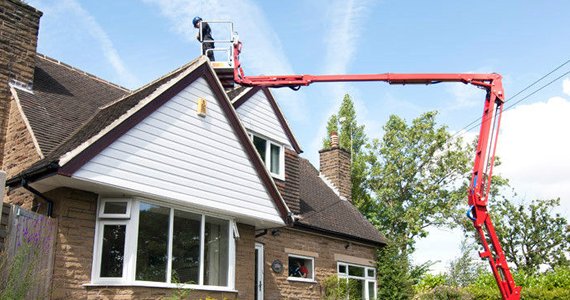


Crawley's identity as a planned post-war airport town dominated by new-build residential and commercial development creates assessment requirements unique to rapid urban expansion where property ages cluster heavily in specific decades, construction standards evolved dramatically across development periods, and developer-built quality shows consistent patterns recognizable to specialist assessors. Assessment must address both modern construction challenges and developer-related defect patterns distinct from traditional building characteristics.
We've assessed hundreds of Crawley properties spanning multiple development phases with specialist understanding of airport-town development patterns, era-specific construction standards, and developer-built property defect recognition. This expertise means our roof survey accounts for Crawley-specific factors—development-phase clustering, builder-quality patterns, rapid aging acceleration in clustered-age properties—that standard surveys miss entirely.
Crawley's character comes from distinctive airport-town development where planned expansion, residential clustering, and commercial growth create assessment requirements unique to rapid-development communities balancing new-build pragmatism with aging-cohort wear recognition.
Development-phase expertise: Crawley properties cluster heavily into decade-wide development phases. 1950s post-war building, 1970s expansion, 1990s airport growth, and 2000s developments show distinctive condition patterns. Assessment recognizing these patterns predicts future issues accurately.
Builder-quality understanding: Developer-built properties show characteristic defect patterns. Assessment trained in recognizing builder-standard issues prevents overstating problems common to development-era construction while identifying genuine defects requiring attention.
1950s post-war residential: Early airport-town expansion properties
1970s suburban expansion: Mid-development-era housing
1990s airport-growth properties: Modern residential era
2000s-2020s new-build: Contemporary development properties
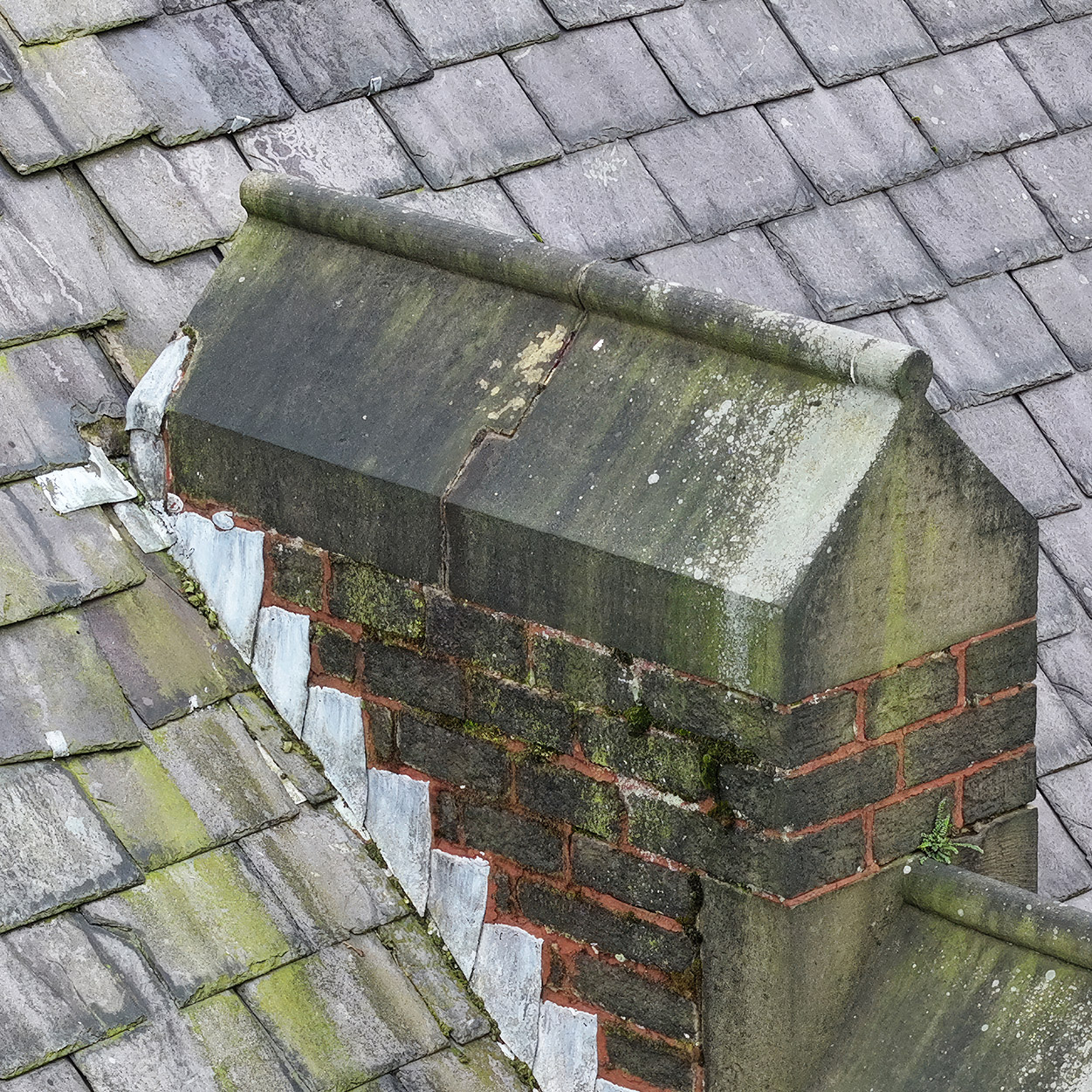
A 1970s suburban semi-detached home in Crawley's planned expansion area showed roof aging patterns. Owner questioned whether renewal was imminent. Generic assessment noted aging typical of 50-year-old property. Challenge: 1970s Crawley properties cluster heavily with distinctive construction standards and wear patterns. Assessment must recognize normal 1970s aging versus genuine failure approaching.
Standard assessment: Identifies 1970s-era age, suggests monitoring or renewal. Generic approach treats all 50-year-old roofs identically regardless of era-specific standards or builder quality.
Development-specialist assessment: Recognizes 1970s Crawley construction standards, identifies patterns normal to 1970s properties clustering near their natural aging peak. Differentiates builder-quality issues from normal era-standard aging. Provides realistic timeline supporting owner decision-making without unnecessary panic. Assessment enables confident property stewardship aligned with actual condition, not age-based assumptions.
Not necessarily. 1970s properties cluster near natural aging peaks, but this doesn't mean failure is imminent. Our assessment recognizes 1970s construction standards and era-specific aging patterns, differentiating genuine failure risk from normal clustering aging.
Modern construction brings specific quality issues different from older-property challenges. Our assessment recognizes builder-standard defects and modern-materials aging patterns, helping new-build owners understand realistic expectations versus overstated concerns.
When entire neighborhoods cluster at similar ages, shared wear patterns can affect area property values if defects emerge simultaneously. Assessment identifying development-phase characteristics helps owners understand broader neighborhood condition dynamics.
This depends on your property's development era and actual condition. Our assessment provides realistic timelines appropriate to your home's specific condition and era-standard aging patterns, enabling informed budgeting.
Developer-built properties show characteristic patterns both positive and negative. Our assessment recognizes builder-standard issues while acknowledging that many developer properties perform reliably. Realistic understanding prevents both unnecessary panic and dangerous under-estimation.
We cover all Crawley areas in the RH10 postcode across all development eras from post-war housing to latest new-build. Coverage extends throughout West Sussex. Call for specific location coverage and development-specialist availability.
Post-War Residential: 1950s planned development
Suburban Expansion: 1970s-1980s residential areas
Airport-Growth Era: 1990s expansion properties
Contemporary New-Build: 2000s-2020s developments
Postcode Coverage: RH10 (Crawley), RH11, RH19
East Grinstead • Haywards Heath • Horsham • Burgess Hill • Cuckfield
Roof surveys for Crawley properties require specialist expertise understanding development-era patterns, builder-quality characteristics, and era-specific construction standards. We assess thoroughly, identify development-phase condition clustering, and support confident property stewardship.
For Crawley property owners navigating development-era property ownership, professional specialist assessment prevents unnecessary panic while addressing genuine issues. Understanding your property's development context enables realistic maintenance planning and budgeting. Exact quotes when you call—no surprises.
What matters: Professional assessment understanding Crawley's unique airport-town development character.
Don't let age-based assumptions drive unnecessary property decisions. With professional development-specialist assessment understanding Crawley's unique airport-town property dynamics, we make roof inspections straightforward for planned-community homeowners.
Call us now on 07833 053 749 for immediate assistance or to book your development-era roof survey. We cover all Crawley areas and are airport-town property specialists.
