
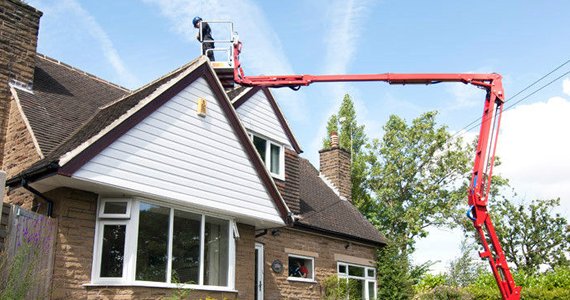
Tell us about your property — listed 17th-century cottage on Beaconsfield Road, Victorian country house, Arts & Crafts home on the forest edge, 1930s tile-hung house, or converted farm building on the A275. Fixed price from £195. No vague estimates.
Our specialist assesses every element — handmade clay peg tile condition, slate integrity, ridge and hip mortar (lime vs cement), chimney stacks, lead flashings, timber structure, ventilation, and the specific effects of forest-edge wind exposure on your sandstone ridge property.
Full written report with photographs, condition ratings, remaining lifespan estimates, and a prioritised action list with budget figures. Listed building material specifications included where applicable. Materials appropriate to the Ashdown sandstone environment.
Chelwood Gate takes its name from one of thirty-four entrances through the medieval Ashdown Forest pale — the 24-mile fence and ditch enclosing the royal deer park, possibly from the 13th century. Gates admitted wheeled vehicles and riders; hatches were for pedestrians. This was one of the entrances through which John of Gaunt, son of Edward III, would have entered the forest from his hunting lodge. The name survives in the hamlet, just as Chuck Hatch and Coleman’s Hatch preserve other entrance points. A roof survey Chelwood Gate assessment from £195 provides the specialist knowledge these forest-edge properties demand.
The village sits on the western edge of Ashdown Forest along the A275 Lewes Road, within the parish of All Saints Danehill. The chapel of ease was built specifically so Chelwood Gate residents wouldn’t have to walk the distance to the parish church at Danehill — behind it, a single bell hangs in a timber bellcote, a Whitechapel Bell Foundry casting from 2006 tuned to the key of F. The hamlet has a quiet permanence: Harold Macmillan, Prime Minister from 1957 to 1963, lived at Birch Grove on the forest edge here until his death in December 1986. Macmillan Clump, the distinctive stand of pines on the open forest nearby, commemorates him.
Chelwood Gate sits at over 150 metres above sea level on the Weald Forest Ridge — the highest point of the High Weald National Landscape. The underlying geology is the Lower Cretaceous Ashdown Formation: fine-grained silty sandstone and siltstone, hundreds of metres thick. This sandstone produces naturally acidic soil and groundwater, which directly affects roofing materials. Lime mortar in chimney stacks and ridge bedding deteriorates faster in acidic conditions than in the alkaline chalk environments further south. Combined with the exposed ridge-top position creating significantly greater wind loading than sheltered valley locations below, roofs here face a double challenge that a £195 roof survey Chelwood Gate assessment is designed to identify.
The forest-edge exposure is the critical factor. Properties facing onto open heathland receive the full force of prevailing south-westerly winds with nothing to break them across miles of open forest. Ridge mortar fails 10-15 years earlier on exposed forest-edge elevations than on sheltered village-centre properties just a few hundred metres away. Lead flashings work loose under wind uplift. Tile nibs crack from frost-thaw cycling in the more exposed position. Our surveys map exactly which elevations face the worst exposure and prioritise accordingly.
For homeowners: Understanding your Chelwood Gate roof’s condition from £195 — whether a listed cottage, Arts & Crafts country house, or 1930s tile-hung home — prevents the costly mistakes that come from applying lowland repair methods to exposed forest ridge properties.
For buyers: Before committing to a Chelwood Gate purchase, a £195 roof survey identifies exposure-specific issues and realistic maintenance budgets that general surveys miss. Properties here command significant premiums — average £633K, with country houses reaching £3M+ — making roof condition a material factor in any purchase decision.
Nearby Areas: We also cover Forest Row, Danehill, Nutley, Hartfield, and Wych Cross.
A family purchased a substantial Arts & Crafts property on the Chelwood Gate forest edge for £1.2M. The house sat on a generous plot directly abutting open Ashdown Forest heathland, with magnificent views but full exposure to prevailing south-westerly winds. The purchase survey described the roof as “serviceable with some maintenance required.”
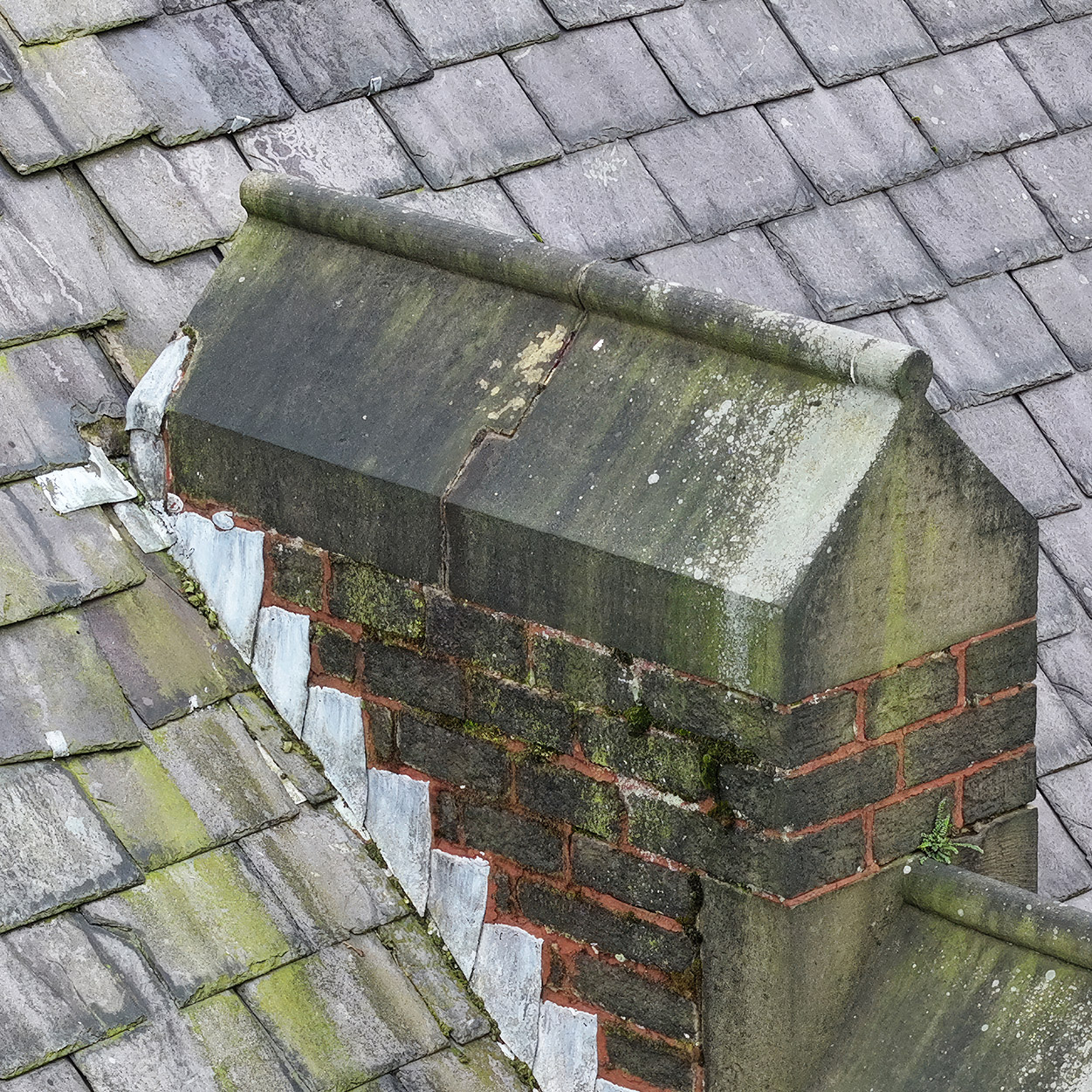
Year 1: A roofer replaced cracked ridge tiles and re-bedded them with cement mortar. Cost: £1,200. He also pointed several chimney stack joints with cement. Within six months, the new cement bedding was already cracking from thermal movement — cement is rigid where the original lime mortar was flexible enough to accommodate the constant wind vibration on this exposed position.
Year 2: Water penetration through the failing cement ridge work and chimney pointing caused damp in two bedrooms. Investigation revealed the south-west facing slope had much more advanced deterioration than the sheltered north-east — the forest-facing elevation was receiving wind-driven rain that the other slopes were protected from. The roofer’s cement repairs had actually made things worse by creating rigid joints that cracked under wind stress, channelling water into the structure. Full south-west slope overhaul including lime mortar re-bedding and chimney rebuild: £14,500-£18,000.
What a £195 Professional Roof Survey Would Have Found: “This Arts & Crafts property on the Chelwood Gate forest edge has asymmetric deterioration typical of exposed ridge positions. The south-west slope facing open heathland shows 60% more mortar loss than the sheltered north-east. Ridge bedding: failed, requires NHL 3.5 lime mortar, not cement — the constant wind vibration on this forest-edge position will crack cement within months. Chimney stacks: two require re-pointing with NHL 2 lime mortar within 12 months. South-west slope tiles: 15% cracked from frost-thaw, replacement within 18 months. North-east slope: serviceable 10+ years. Budget: phased programme £8,500 over 3 years.”
The Lesson: Chelwood Gate’s forest-edge position creates dramatically different deterioration rates on different elevations. A £195 roof survey Chelwood Gate assessment maps this exposure pattern and specifies materials — particularly lime mortar — that can withstand the constant wind stress that cement cannot.


Professional roof surveys in Chelwood Gate require understanding of how the Ashdown sandstone ridge geology, forest-edge wind exposure, and the village’s mix of periods — from 17th-century listed cottages through Victorian and Arts & Crafts country houses to 1930s tile-hung homes — interact to create specific maintenance challenges. We combine RICS-registered qualifications with knowledge of how acidic sandstone soils attack lime mortar, how exposed forest-edge positions create asymmetric deterioration, and which materials perform on this demanding ridge-top site.
From listed 17th-century cottages to substantial Arts & Crafts country houses, professional roof survey Chelwood Gate assessment from £195 provides the exposure-specific intelligence these forest-edge properties need. We assess every elevation for wind damage, test mortar condition for acidic deterioration, evaluate timber for the persistent dampness that forest-edge positions create, and specify materials that perform on the demanding Ashdown sandstone ridge.
Exact quotes from £195 when you call. Most Chelwood Gate residential surveys from £195. No surprises.
Chelwood Gate’s exposed position means constant wind vibration through roof structures. Lime mortar is flexible — it absorbs this movement without cracking. Cement mortar is rigid and cracks within months on exposed forest-edge elevations, creating water entry points. The acidic sandstone soil also attacks cement faster than lime. Our £195 surveys always specify the correct mortar for each position.
Trees create leaf debris blocking valleys and gutters, accelerate moss growth through shade, and can cause physical damage from falling branches. But they also provide wind shelter — meaning tree removal can actually expose a previously sheltered roof to the full force of forest winds. Our surveys assess the current shelter/exposure balance.
Typically 2-3 hours for cottages and standard houses, 3-4 hours for larger country properties. Report within 48 hours.
From £195 for standard residential properties. Larger country houses may cost more. Call 07833 053 749 for an immediate exact quote.
All Chelwood Gate and surrounding Ashdown Forest villages: Forest Row, Danehill, Nutley, Hartfield, Wych Cross.
Chelwood Gate village, Beaconsfield Road, Lewes Road (A275), Stone Quarry Road, Danehill, Birch Grove area
Forest Row, Danehill, Nutley, Hartfield, Wych Cross
RH17 (Chelwood Gate/Danehill), RH18 (Forest Row), TN7 (Hartfield)
Whether you own a listed cottage in the village, a Victorian country house in Danehill parish, an Arts & Crafts home on the forest edge, or a 1930s tile-hung property along the A275, professional roof survey assessment from £195 tells you exactly where your roof stands — including the asymmetric wind damage, acidic mortar deterioration, and hidden timber problems that the Ashdown Forest sandstone ridge creates.
Call 07833 053 749 now. Roof survey Chelwood Gate from £195. Report within 48 hours.
