
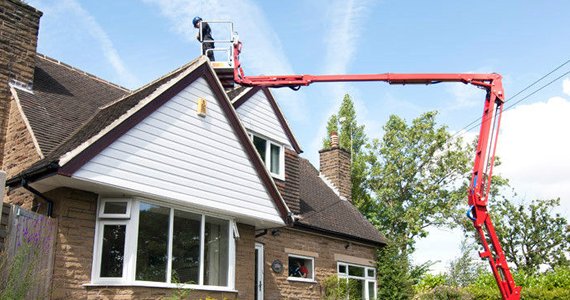
Brent is one of London's most diverse boroughs — and its housing stock reflects that diversity completely. Grand Victorian terraces in Kilburn and Queen's Park were built in the 1870s-1890s with Welsh slate roofs, lead flashings, and ornate chimney stacks. Edwardian semis and villas in Willesden Green and Brondesbury followed in the 1900s-1910s with clay tile roofs and complex hip construction. Then the 1930s Metroland expansion brought concrete-tiled semis to Wembley, Kingsbury, and Preston. This means Brent contains three distinct construction eras — each with different materials, different geometries, and different failure patterns — within a single borough. A professional roof survey Brent inspection identifies which construction type your property represents and assesses it with era-appropriate specialist knowledge.
Brent's challenges are as diverse as its housing stock. London clay beneath the borough causes seasonal subsidence that affects all eras of construction differently — chimney lean in Victorian terraces, hip separation in Metroland semis. Kilburn and Willesden's Victorian properties have been extensively converted into flats, creating complex shared ownership with unclear roof maintenance responsibilities. Wembley Stadium generates event-day vibration and traffic that affects nearby properties. Mature trees throughout the borough's residential streets add subsidence risk on clay soils and canopy-related roof deterioration. These Brent-specific factors — multi-era stock, conversion complexity, clay subsidence, and localised vibration — require specialist roof survey Brent assessment that understands the specific challenges of each area within this extraordinarily diverse borough.
A standard survey notes "roof in fair condition." For a Brent property now worth £400K-1.2M+, that's inadequate. What you need from a roof survey Brent specialist: Is your Victorian slate delaminating? Is your Edwardian clay tile frost-damaged? Is your Metroland concrete tile eroding? Has conversion altered drainage? Has subsidence shifted chimneys?
Our Brent surveys answer these specific questions. The borough shares Victorian characteristics with nearby Hammersmith in its southern areas, and Metroland characteristics with Harrow in its northern areas, while central Brent has its own distinctive Edwardian stock requiring specialist assessment.
For Brent homeowners: Understanding which construction era your property represents — and its specific vulnerabilities — is the foundation of effective maintenance. Victorian slate fails differently from Edwardian clay tile, which fails differently from 1930s concrete tile. Era-appropriate assessment prevents misdiagnosis.
For landlords: Brent's strong rental market spans HMOs in Kilburn to family lets in Wembley. Professional roof documentation satisfies insurance across all sectors and prevents disputes in converted properties where roof responsibility is shared.
Nearby Areas with Similar Properties: Multi-era housing stock requiring specialist assessment also characterises nearby Ealing and Waltham Forest, where similar diversity of construction creates comparable challenges. Each area has distinct local conditions, but all benefit from specialist period property assessment.
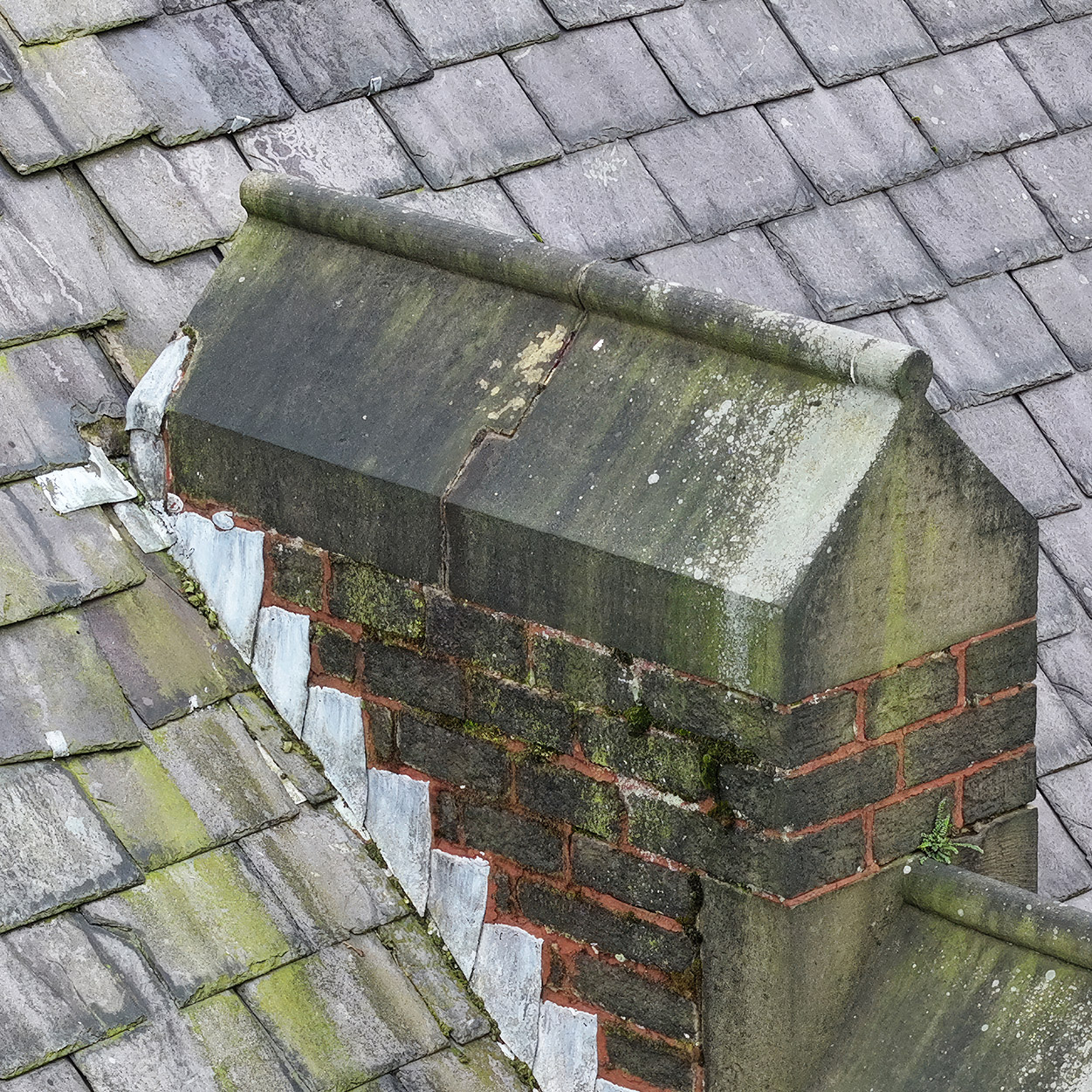
A first-time buyer purchased a two-bedroom flat in a converted Victorian terrace in Willesden for £430K. The property — originally a four-bedroom house built in 1885 — had been converted into three flats in the late 1990s. The purchase survey noted "communal roof in fair condition considering age." No specialist roof survey Brent inspection.
Year 1: Damp appeared in the top-floor flat bedroom after autumn storms. The freeholder arranged a roofer who replaced cracked slates and cleared gutters. Cost shared: £300 per flat. Problem improved temporarily.
Year 2: Damp returned. The conversion-era flat roof over the rear ground-floor extension began leaking into the middle flat. The shared chimney showed fresh mortar cracks. Disputes arose between leaseholders: the ground-floor owner argued the flat roof was "their section" and refused to pay for what they considered communal repair. The top-floor owner wanted the entire slate roof assessed but couldn't fund it alone.
Year 3: Multiple simultaneous failures — original Victorian slates delaminating across the rear elevation (140 years of weathering), conversion flat roof membrane perished, shared chimney shifted from clay subsidence, and party wall flashings separated. While leaseholders argued about responsibility for six months, water damage worsened — destroying the top-floor owner's bedroom ceiling and the middle-floor owner's hallway. Comprehensive repair: £28,000-£34,000. The six-month dispute delay added approximately £8,000 in additional water damage remediation.
What a Professional Roof Survey Brent Assessment Would Have Shown: "This converted Victorian terrace has four developing failure points with clear responsibility mapping: original slate roof (communal — all leaseholders) showing rear elevation delamination (25% replacement needed within 2 years), conversion flat roof (communal — serves building structure) membrane at end-of-life (replace within 18 months), shared chimney stack (communal) with 6mm subsidence-related movement (repoint within 12 months), and party wall flashings (communal) showing separation. Total budget: £18,000-£22,000 shared equally. Flat roof most urgent. Responsibility: ALL sections are communal per lease terms."
The Pattern: Brent's converted Victorian properties combine material age, conversion quality variation, clay subsidence, and complex shared ownership. Disputes about responsibility delay repairs, causing additional water damage that inflates costs dramatically. Professional roof survey Brent assessment maps each system to ownership responsibility before problems become emergencies — preventing both the failures and the disputes.
The Lesson: For Brent's converted properties, professional assessment with clear responsibility mapping is essential — it prevents not just roof failures but the costly ownership disputes that compound damage when repairs are delayed.


Professional roof surveys for Brent's extraordinarily diverse housing stock demand both certification and multi-era construction expertise. We combine RICS-registered surveyor qualifications with specialist knowledge spanning Victorian slate terraces, Edwardian clay tile semis, and 1930s Metroland concrete tile properties. This means we understand how each construction era was built, how each fails, and how Brent's specific challenges — clay subsidence, conversion complexity, and localised vibration — affect each property type differently.
For Brent properties valued at £400K-£1.2M+, professional roof survey assessment costs a fraction of compound emergency repairs — and a fraction of the additional damage caused by ownership disputes delaying remediation. We evaluate every system with era-appropriate expertise, map responsibilities in converted properties, and provide prioritised intelligence specific to your construction type.
We provide exact quotes when you call. No surprises. You get the multi-era specialist assessment Brent's diverse property stock demands.
Different construction eras fail differently. Victorian slate delaminates; Edwardian clay tile frost-damages; 1930s concrete erodes. We identify your specific construction type's failure pattern and recommend era-appropriate solutions — not generic repairs.
From Kilburn conversions to Wembley semis, Brent's diverse stock requires era-specific assessment. Standard surveys treat all period roofs identically. Our specialist assessment evaluates your specific property type with appropriate expertise.
Kilburn and Willesden's converted Victorians need clear responsibility mapping. Our reports document which sections are communal, what each leaseholder maintains, and who pays for what — preventing the disputes that delay repairs.
Properties near Wembley Stadium experience event-day vibration and increased traffic loading. Combined with clay subsidence, this can accelerate mortar deterioration. Professional assessment quantifies the impact and recommends appropriate solutions.
Landlords with properties across Brent need era-specific assessment for each property type. We provide consistent professional documentation that accounts for different construction methods, materials, and failure patterns across your portfolio.
Brent property values continue rising across all areas. Understanding your specific construction type's condition — and its maintenance requirements — lets you plan spending strategically rather than reactively.
We assess your specific roofing material (slate, clay tile, or concrete tile), ridge and hip details, chimney stacks (subsidence, mortar), lead flashings, valley and gutter systems, conversion flat roofs, structural timber, tree-canopy impact, party wall conditions, and remaining lifespan. Each system assessed with era-appropriate methodology and prioritised recommendations.
All Brent including Kilburn, Queen's Park, Willesden Green, Brondesbury, Wembley, Kingsbury, Preston, Kenton, Neasden, and all NW2/NW6/NW10/HA0/HA9 postcodes. Also serving Harrow, Ealing, Hammersmith, and Waltham Forest.
Most Brent surveys take 2-3 hours. Converted properties and complex hip-and-valley roofs may require longer. Detailed report within 48 hours including responsibility mapping where applicable.
Yes. Brent's diversity is our speciality. Victorian slate construction, Edwardian clay tile methods, and 1930s Metroland concrete tile techniques each require different assessment approaches. We evaluate your property according to its specific era and construction type.
Brent's property market reflects its extraordinary diversity. Victorian conversions in Kilburn start from £350K for one-bedroom flats, while whole houses in Queen's Park exceed £1.5M. Edwardian semis in Willesden Green command £700K-900K. Metroland semis in Wembley and Kingsbury offer £500K-700K. This range means different buyer profiles with different knowledge levels — first-time buyers in Kilburn conversions, families in Wembley semis, investors across the borough. Professional roof survey Brent assessment serves all segments — providing era-specific knowledge that prevents costly surprises regardless of property type or budget level.
Brent's housing development followed the railways. The Metropolitan Railway brought Metroland to Wembley and Kingsbury in the 1920s-30s. The Jubilee Line (originally Bakerloo) served Kilburn and Willesden's Victorian and Edwardian stock. Each area's construction type, density, ground conditions, and environmental factors differ significantly. Kilburn's dense converted Victorian terraces on clay face subsidence and shared-ownership complexity. Wembley's Metroland semis face systematic mortar deterioration from clay movement plus stadium vibration. Brondesbury's Edwardian villas face tree-root subsidence from mature garden trees. Generic borough-wide assessment is meaningless — specialist roof survey Brent knowledge must account for the specific characteristics of your property's area, era, and construction type.
Kilburn, Queen's Park, Willesden Green, Brondesbury, Wembley, Wembley Park, Kingsbury, Preston, Kenton, Neasden, Dollis Hill, Kensal Green, Stonebridge
Harrow, Ealing, Hammersmith, Waltham Forest
NW6 (Kilburn), NW2 (Willesden/Cricklewood), NW10 (Willesden/Kensal Green), HA0 (Wembley), HA9 (Wembley Park/Kingsbury)
Whether you own a converted Victorian flat in Kilburn, a Metroland semi in Wembley, an Edwardian villa in Brondesbury, or manage a diverse portfolio across the borough, professional roof survey Brent assessment is essential. Three construction eras, conversion complexity, clay subsidence, and shared ownership create compound risks specific to your property type. Era-appropriate specialist assessment prevents the failures and disputes that generic surveys miss.
Call 07833 053 749 now for immediate assessment. Detailed report within 48 hours. Priority service available.
