
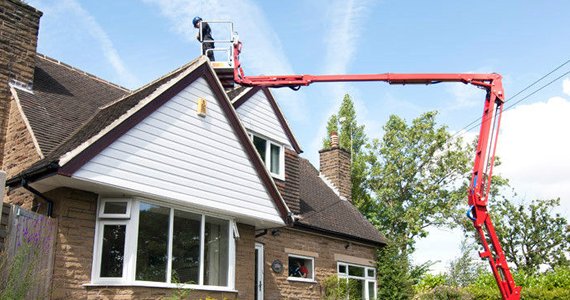
Barking and Dagenham is defined by one of Britain's most ambitious housing projects — the Becontree Estate. Built between 1921 and 1935 to rehouse East London families, it created over 25,000 homes in a standardised cottage-style design with plain clay tile roofs. These properties, now approaching their centenary, form the backbone of the borough's housing stock. Their roofs have served remarkably well but are now collectively reaching the end of their designed lifespan. Post-war development in the 1950s-1970s added concrete interlocking tile roofs with different materials and different aging patterns. More recent development brings modern materials. Understanding which era your property belongs to — and what that means for your roof — is the starting point for any useful assessment.
Barking and Dagenham's position in East London creates specific environmental challenges. The borough's flat, low-lying terrain means greater exposure to wind-driven rain from the east and north-east. Proximity to the Thames estuary introduces salt air that accelerates metal corrosion on flashings and fixings. The local geology — Thames river gravels over London clay — creates localised ground movement risks. Industrial legacy from the Ford Dagenham works and surrounding industry left atmospheric pollutants that have affected roof materials over decades. These factors mean Barking and Dagenham roofs have aged differently from properties in more sheltered, inland locations.
A standard surveyor notes "tile roof showing age, plan maintenance." This tells a Becontree Estate homeowner nothing useful. What you actually need to know: Are your 1920s clay tiles still waterproof or have they become porous? Are the original timber battens holding or splitting? Has the felt underlay disintegrated? Are the tiles failing individually or is the whole slope approaching end of life? Is a patch repair sensible or are you throwing money at a roof that needs complete replacement within two years?
Our Barking and Dagenham roof surveys answer these specific questions. We understand the standardised construction of the Becontree Estate and know its typical failure timeline. We test tile porosity, assess batten condition, evaluate the overall roof system's remaining life, and give you a clear, honest answer about whether you need maintenance, targeted repair, or full replacement — and when.
For homeowners: Many Barking and Dagenham properties are Right to Buy purchases — your home is likely your biggest asset. Understanding your roof's actual condition and timeline lets you budget for what's needed rather than face an emergency you can't afford.
For landlords: The borough's active rental market requires maintained properties. Professional roof documentation satisfies insurance, prevents tenant complaints, and lets you plan maintenance costs across your portfolio accurately.
Nearby Areas with Similar Properties: Similar post-war and suburban property stock appears in nearby areas like Havering and Redbridge, where inter-war and post-war homes face comparable concrete and clay tile aging challenges. Newham also shares some of Barking and Dagenham's housing stock characteristics. See our area-specific guides for detailed information.
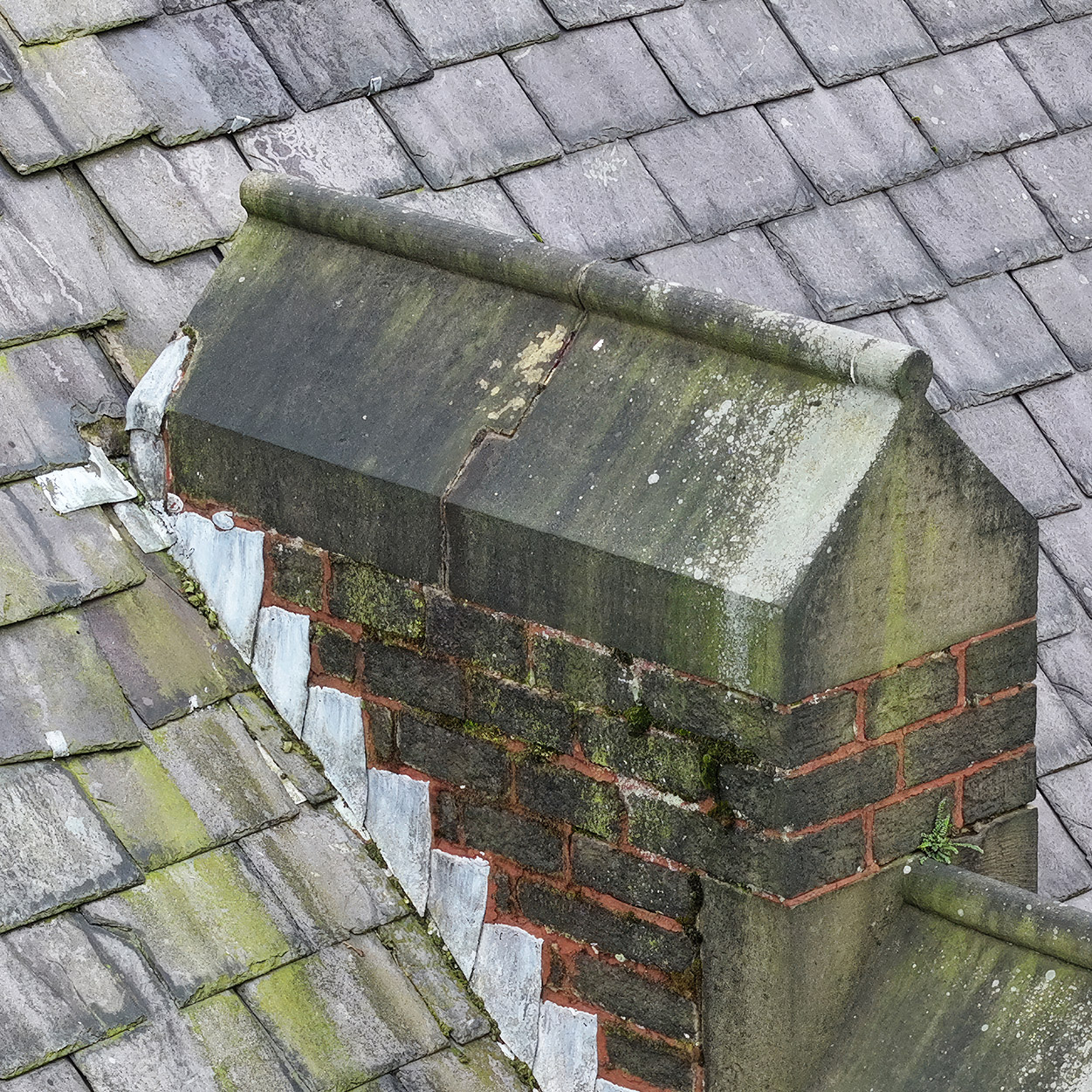
A first-time buyer purchased a Right to Buy Becontree Estate property in Dagenham for £310,000. Built in 1928, the house had its original clay tile roof. The mortgage survey noted "roof covering aged, some maintenance anticipated." No specialist assessment was done.
Year 1: A few cracked tiles visible from the garden. A local handyman replaced four tiles for £180. He mentioned some tiles looked "a bit soft" but said it was normal for an old roof. No further investigation.
Year 2: After heavy winter rain, damp patches appeared on the front bedroom ceiling. A roofer replaced a dozen tiles and re-bedded the front ridge tiles. Cost: £850. He commented that the tiles were "getting a bit tired" but didn't test porosity or check battens.
Year 3: Damp now appearing in multiple rooms after any sustained rainfall. Several tiles crumbling when handled. Investigation revealed the 1928 clay tiles had become highly porous across both roof slopes — absorbing water like sponges during rain and releasing it slowly into the roof space. Original felt underlay had completely disintegrated decades ago. Timber battens were split and soft across 60% of the roof. The entire roof needed stripping and replacing — not patching. Full re-roof with new battens, felt, and concrete tiles: £9,500-£12,000. Plus interior damp remediation: £2,000.
What Professional Assessment Would Have Shown in Year 1: "This 1928 Becontree property has original clay tiles approaching 100 years old. Porosity testing shows moisture absorption well above acceptable levels — tiles are no longer weatherproof. Felt underlay has disintegrated. Battens showing advanced deterioration across front slope. Recommend full re-roof within 12 months before internal damage develops. Estimated cost if planned: £8,000-£10,000."
The Pattern We See: Becontree Estate properties are hitting their centenary simultaneously. Thousands of homes with original 1920s-1930s clay tiles are reaching the point where tiles become porous and battens fail. Owners patch individual tiles without realising the entire roof covering has reached end of life. By the time damp appears inside, additional timber and interior damage has added £2,000-£4,000 to the bill.
The Lesson: A £300-£400 specialist roof survey with tile porosity testing would have identified the systematic failure, allowed planned re-roofing at lower cost, and prevented £2,000+ in interior damage. For Becontree properties, proactive assessment saves money and stress.


Professional roof surveys demand both certification and practical local knowledge. We combine RICS-registered surveyor qualifications with years assessing East London's suburban housing stock. This means we understand Becontree Estate construction, post-war building methods, AND the environmental factors specific to Barking and Dagenham — salt air, wind exposure, and industrial legacy — that affect how roofs age in this borough.
Roof surveys for Barking and Dagenham properties are affordable assessments that prevent expensive surprises. For properties worth £280,000-£450,000, understanding whether your roof needs patching, partial replacement, or full re-roofing makes a real difference to your finances.
The cost of professional assessment is a fraction of the cost of discovering systematic tile failure through water damage. A £300-£400 survey that identifies a roof needing replacement within 12 months lets you plan and budget — rather than scramble for £10,000+ during an emergency.
What matters: You get honest, specific assessment from surveyors who understand Barking and Dagenham's housing stock. We tell you what actually needs doing — not what makes the most money for a roofing company. That independence saves you money.
If damp is appearing after rain, your roof may have systematic tile failure rather than isolated damage. We test tile porosity and assess overall condition to determine whether patching is viable or full replacement is needed — preventing you from wasting money on temporary fixes.
Barking and Dagenham's affordable property market makes roof condition critical to your total investment. A Becontree home needing a £10,000 re-roof changes your real purchase cost significantly. Our specialist assessment gives you facts for negotiation.
Insurance requires documented condition. Tenants expect weatherproof homes. Professional assessment provides maintenance timelines and documentation that protect your rental investment and prevent costly emergency repairs during winter.
Before spending £8,000-£12,000 on a full re-roof, get independent assessment of what actually needs doing. Some roofers recommend complete replacement when partial work would suffice. Our independent survey tells you what's genuinely needed — potentially saving thousands.
If your Becontree property still has original 1920s-1930s tiles, it's approaching or past the century mark. Professional assessment determines whether your roof has years of life remaining or needs imminent attention — essential knowledge for planning and budgeting.
Understanding your roof's actual condition lets you plan financially. Whether you have 10 years or 2 years before major work, knowing the answer removes uncertainty and lets you save accordingly.
Our surveys assess tile condition and porosity, batten integrity, felt/underlay condition, ridge and hip stability, flashings, chimney stacks, guttering, ventilation, and overall structural condition. We provide specific assessment of remaining lifespan and whether repair or replacement is the right approach.
We test how much moisture your tiles absorb. Old clay tiles become increasingly porous over decades until they essentially act as sponges during rain. Porosity testing gives a factual measurement of whether your tiles are still weatherproof — something visual inspection alone cannot determine.
All of Barking and Dagenham including Becontree, Dagenham, Barking Town, Chadwell Heath, Rush Green, Thames View, Eastbury, and all RM6, RM7, RM8, RM9, RM10, and IG11 postcodes. Also nearby areas including Havering, Redbridge, and Newham.
Most Barking and Dagenham roof surveys take 2 hours on-site. Larger properties or those with complex roof configurations may take slightly longer. Detailed written report provided within 48 hours with photographs and clear recommendations.
Yes — Right to Buy properties are a significant part of our Barking and Dagenham work. We understand original council construction standards, typical maintenance history, and common problem areas for each estate and era.
Barking and Dagenham roof surveys typically cost £250-£700 depending on property size. Standard Becontree terraces and semis are at the lower end. We provide exact quotes before booking — call for a clear price.
Barking and Dagenham offers some of London's most affordable property prices, attracting first-time buyers, growing families, and investors. Becontree Estate properties — the borough's most common housing type — range from £280,000-£400,000 for three-bedroom semis. Post-war properties in Dagenham and Rush Green sit in similar price brackets. Modern developments near Barking town centre offer contemporary apartments. The borough's affordability and transport connections make it increasingly popular, with property values rising steadily.
The Becontree Estate's standardised construction means roof problems are predictable and widespread. When one street's roofs reach end of life, neighbouring streets are typically close behind — they were all built within years of each other using the same materials. This creates opportunities for cost savings through planned work rather than emergency repairs. Some streets have organised collective re-roofing, achieving better rates than individual homeowners. Professional assessment provides the evidence base for these collective approaches.
For buyers entering the Barking and Dagenham market, roof condition is one of the most significant hidden costs. A property listed at £320,000 that needs a £10,000 re-roof within two years is effectively a £330,000 purchase. Our pre-purchase surveys give buyers the factual basis for informed negotiation — essential in a market where affordability margins are tight and unexpected costs hit harder.
Becontree, Dagenham, Barking Town, Chadwell Heath, Rush Green, Thames View, Eastbury, Valence, Becontree Heath, Castle Green
RM6, RM7, RM8, RM9, RM10, IG11
Whether you own a Becontree Estate home, a post-war property in Dagenham, or manage rental properties across the borough, understanding your roof's actual condition is essential. Systematic tile failure, unexpected re-roofing costs, winter damp emergencies — these are preventable when caught early.
A professional specialist roof survey gives you clarity: whether your tiles are still weatherproof, how much life your roof has remaining, and whether you need patching, partial repair, or full replacement. Honest, specific answers that help you plan and budget.
Call 07833 053 749 now for immediate assessment. We typically complete Barking and Dagenham surveys within 2 hours. Detailed report provided within 48 hours. Same-day service often available.
