
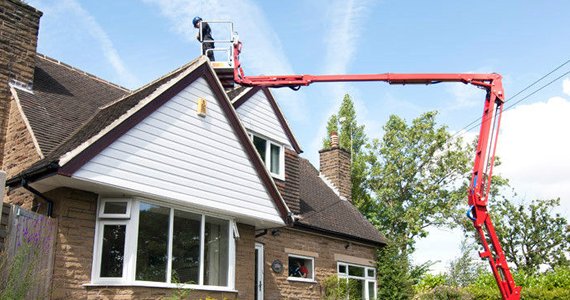
Richmond upon Thames is one of London's most prestigious residential boroughs, and its property stock reflects centuries of affluent development. Grand Victorian and Edwardian villas along Richmond Hill and the riverside feature original Welsh slate roofs, extensive lead flashings, ornate chimney stacks, and decorative ridge tiles — premium materials built to last but now 100-170 years old. Earlier Georgian properties around Richmond Green add another layer of heritage, with handmade clay tiles and original lead work. Later suburban development from the 1920s-1950s created tile-roofed family homes across East Sheen and Kew. A professional roof survey Richmond inspection understands each era's materials and construction methods, providing accurate assessment of your property's specific needs.
Richmond's riverside setting and proximity to Richmond Park create environmental conditions that significantly affect roof longevity. The Thames creates elevated humidity accelerating lead corrosion and promoting moss colonisation on north-facing pitches. Richmond Park's mature tree canopy — one of London's densest — means many properties are shaded for much of the year, retaining moisture on roof surfaces and promoting biological deterioration of mortar and slate. Autumn leaf fall blocks gutters and valleys, creating water overflow that damages fascias and soffits. These Richmond-specific environmental factors make a specialist roof survey Richmond assessment essential for understanding how your property's roof is actually performing.
A standard survey says "roof in reasonable condition for age." For a Richmond riverside villa worth £2-6M+, that's meaningless. What you actually need from a roof survey Richmond specialist: Is the original Victorian slate still performing or delaminating? Are lead flashings showing atmospheric corrosion or simple patina? Is moss growth on the north pitch cosmetic or causing moisture retention that's degrading slate underneath? Has the chimney stack been affected by tree root-related ground movement?
Our Richmond roof surveys answer these precise questions. We assess your property's era-specific construction, materials, conservation status, and the environmental factors unique to its location. Properties in nearby Kensington and Hammersmith share similar period heritage, while Richmond's parkland setting and extensive conservation areas create distinct challenges.
For Richmond homeowners: Your property represents a significant investment in one of London's finest boroughs. Understanding your roof's actual condition and maintenance timeline protects that investment — the difference between planned improvement and emergency crisis spending.
For landlords: Richmond's premium rental market demands impeccably maintained properties. Professional roof survey documentation satisfies insurance requirements and provides the evidence base for strategic maintenance planning across high-value portfolios.
Nearby Areas with Similar Properties: Premium period properties requiring specialist roof survey assessment also characterise nearby Kingston upon Thames and Wimbledon, where riverside and Victorian properties face comparable maintenance challenges. Each area has distinct characteristics, but all benefit from specialist period property roof assessment.
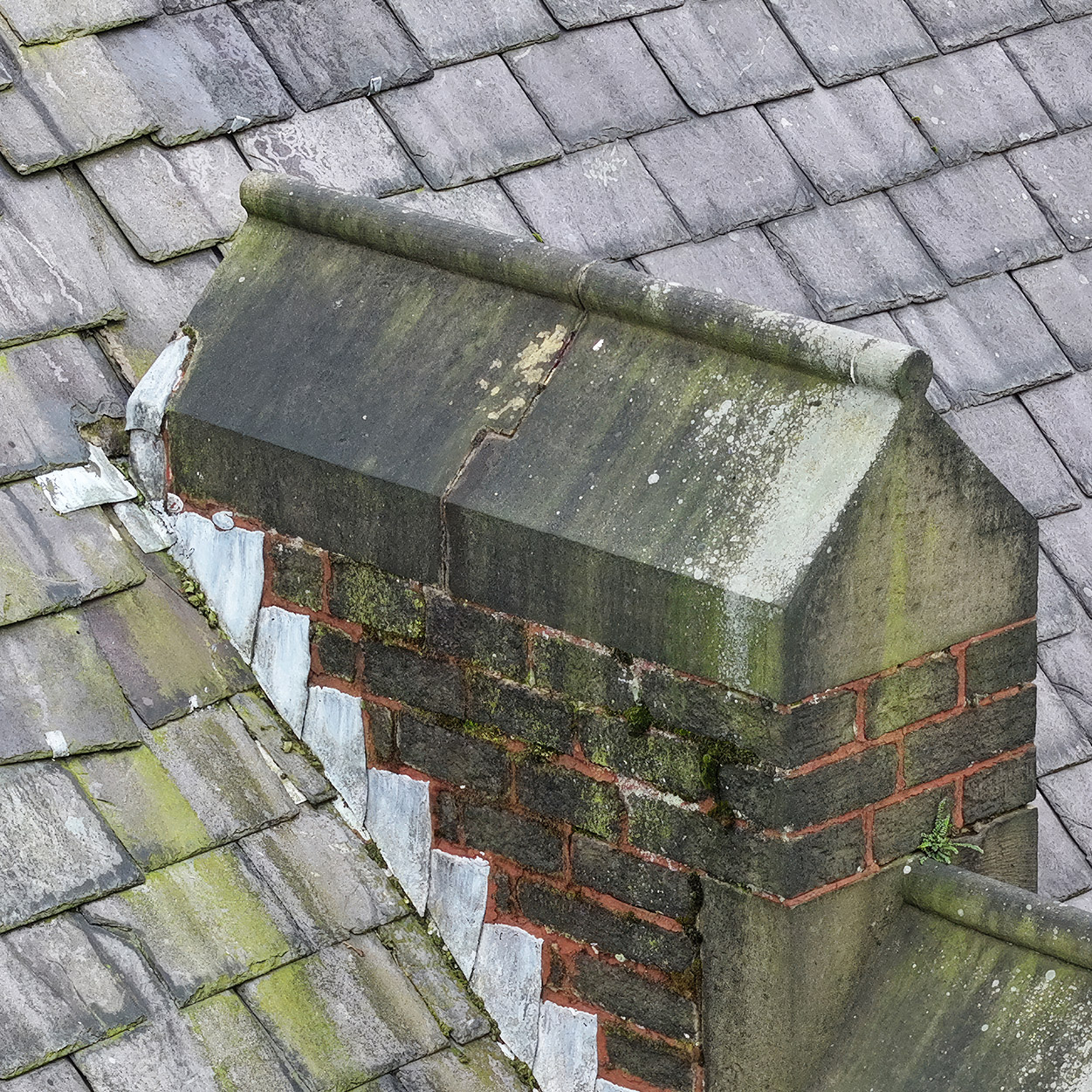
A family purchased a detached Victorian villa on Richmond Hill for £3.2M. The property sat beneath mature oak trees with Thames views. The purchase survey described the roof as "showing age-consistent wear, no immediate concerns." No specialist roof survey Richmond inspection was commissioned.
Year 1: During November storms, water stains appear in the second-floor bedroom on the north-facing side. The family assumes a slipped slate and calls a roofer who replaces three slates. Cost: £350. Problem appears resolved.
Year 2: Water returns in the same area and spreads. Investigation shows heavy moss colonisation on the entire north pitch beneath the oak canopy. A roofer cleans the moss and applies biocide treatment. Cost: £800. But water staining continues intermittently through wet weather. No comprehensive roof survey Richmond assessment undertaken.
Year 3: Water damage now affecting decorative cornicing and plasterwork on the second floor. Emergency assessment reveals: years of moss growth has retained moisture that has caused widespread slate delamination across the north pitch. Lead valley gutters between the main roof and rear wing are blocked with decades of leaf debris, causing overflow that has rotted timber fascias. Two chimney stacks show mortar deterioration accelerated by the shaded, damp microclimate. Complete north pitch re-slating, lead valley restoration, chimney repointing, and timber replacement quote: £38,000-£48,000. Plus £8,000 interior plaster restoration.
What a Professional Roof Survey Richmond Assessment Would Have Shown Before Purchase: "This Victorian villa's north-facing pitch is heavily shaded by mature oak trees, creating a damp microclimate promoting aggressive moss colonisation. Underlying slate shows early delamination from sustained moisture retention — a pattern specific to tree-shaded Richmond properties. Lead valley gutters contain significant leaf debris accumulation. North-facing chimney mortar shows accelerated weathering. Recommend: immediate valley clearing, moss removal with protective treatment, and plan north pitch slate replacement within 2-3 years. Budget £25,000-£32,000. Consider tree crown reduction to improve air circulation."
The Pattern: Richmond's combination of mature tree canopy and riverside humidity creates microclimates that accelerate roof deterioration far faster than exposure to weather alone. Properties beneath large trees develop moss and lichen that retain moisture against slate and mortar, causing hidden deterioration beneath apparently "green but intact" roofs. Leaf-blocked valleys create overflow damage invisible from ground level. Owners discover these interconnected problems through interior damage rather than proactive roof survey Richmond assessment.
The Lesson: Richmond properties' tree-canopy environment creates specific roofing challenges that require specialist identification. Professional assessment before purchase — or at regular intervals — identifies the hidden deterioration that tree shade and humidity cause, when remediation is still manageable and affordable.


Professional roof surveys for Richmond's premium properties demand both certification and local expertise. We combine RICS-registered surveyor qualifications with years specializing in London's finest period properties and Richmond's specific environmental challenges. This means we understand roofing principles AND how they apply to Richmond's exceptional property stock — whether grand hilltop villas, riverside Georgian homes, or suburban Edwardian properties requiring specialist roof survey Richmond knowledge.
Roof surveys for Richmond properties provide exceptional return on investment given the assets they protect. We assess condition thoroughly, identify tree-canopy and riverside-related deterioration, and provide documentation suitable for insurance, conservation, and investment purposes.
For properties valued at £1.5-6M+, a professional roof survey Richmond assessment costs a fraction of the potential damage from undetected failure. Hidden moss-related slate deterioration, blocked valley gutters, or unmonitored lead corrosion can result in emergency repairs costing tens of thousands — plus damage to irreplaceable period interiors.
We provide exact quotes when you call — pricing varies based on property size, era, and access requirements. No surprises. You get the specialist assessment Richmond's exceptional properties deserve.
Leaks, damp, or deterioration in your Richmond property need specialist assessment. We identify whether issues stem from moss-related slate damage, lead corrosion, blocked valleys, chimney deterioration, or structural movement — and recommend conservation-appropriate solutions.
Standard surveys are inadequate for Richmond's premium period properties, particularly those beneath mature trees. Before committing millions, understand your roof's actual condition and the hidden deterioration tree-canopy environments create. Our specialist roof survey Richmond assessments regularly save buyers tens of thousands.
Richmond's premium rental market demands impeccably maintained properties. Professional roof survey documentation satisfies insurance requirements and provides the evidence base for strategic maintenance budgeting across your portfolio.
Much of Richmond falls within conservation areas with strict requirements for roof repairs. Our surveys identify what work is needed AND what approvals apply, ensuring you plan conservation-compliant solutions from the outset.
Richmond's magnificent tree canopy creates beautiful settings but also specific roofing challenges. If your property sits beneath large trees, professional roof survey assessment identifies moss damage, leaf-blocked drainage, and root-related ground movement affecting your roof.
Richmond property represents one of London's premium investments. Understanding your roof's condition and maintenance timeline lets you plan proactively. Our specialist roof survey Richmond assessment provides the intelligence for sound asset management.
Our Richmond roof surveys assess slate and tile condition (including moss-related deterioration), lead flashings and valley gutters, chimney stacks, structural integrity, tree-canopy impact, water management systems, gutter blockage, and estimated remaining lifespan. We examine the complete roofing system in context of Richmond's specific environmental conditions.
Exceptionally detailed. Reports include comprehensive photographic documentation, condition ratings, specific problem identification, conservation area implications, tree-impact assessment, maintenance timelines, and prioritised recommendations. Reports are suitable for insurance, legal, and conservation purposes.
We serve all Richmond including Richmond Hill, Richmond Green, Petersham, East Sheen, Kew, North Sheen, Mortlake, and all TW9/TW10 postcodes. We regularly assess properties throughout Richmond and nearby areas including Kensington, Hammersmith, Kingston upon Thames, and Wimbledon.
Most Richmond residential roof surveys take 2-4 hours on-site, depending on property size and roof complexity. Large detached villas may require additional time. We provide a detailed written report within 48 hours, including photographs and specific recommendations.
Yes. Extensive conservation area coverage across Richmond means roof repairs often require specific approvals and period-appropriate materials. Our surveys identify both what work is needed and what conservation constraints apply, giving you the complete picture for planning.
Roof survey cost depends on property size, era, and access requirements. Large detached villas require more assessment than smaller terraced properties. We provide exact quotes before booking — call with details about your Richmond property for a clear price. No surprises.
Richmond upon Thames consistently ranks among London's most desirable boroughs, combining Thames-side living with proximity to Richmond Park — London's largest Royal Park. Grand Victorian villas on Richmond Hill command £3-6M+ with their celebrated Thames views. Georgian townhouses around Richmond Green offer heritage charm at £1.5-3.5M. East Sheen and Kew provide family-friendly Victorian and Edwardian homes at £800K-2M. This range of premium properties, all requiring specialist roof survey Richmond assessment, reflects the borough's enduring appeal to affluent families, professionals, and international buyers.
Richmond's defining environmental characteristic — its magnificent tree canopy from Richmond Park, Kew Gardens, and countless mature garden trees — creates a beautiful setting that simultaneously poses specific challenges for roofs. Mature oaks, planes, and limes shed leaves that block gutters and valleys, shade roof surfaces creating persistent damp, and their root systems interact with London clay to cause ground movement. Riverside properties face additional humidity and wind exposure. These environmental factors accelerate roof deterioration in ways that are invisible from ground level but detectable through professional roof survey Richmond inspection.
Conservation area designation covers much of central Richmond, Petersham, and areas around Richmond Green. These designations restrict roof repair materials and methods — replacement slate must match original Welsh slate, lead work must follow traditional methods, and visible changes may require planning approval. Understanding these constraints before commissioning work prevents costly mistakes and enforcement issues. Our roof survey Richmond assessments include conservation guidance alongside technical recommendations, providing the complete picture property owners need for informed decision-making in one of London's finest boroughs.
Richmond Hill, Richmond Green, Petersham, East Sheen, Kew, North Sheen, Mortlake, Ham, Richmond Riverside, Queen's Road
Kensington, Hammersmith, Kingston upon Thames, Wimbledon, Putney, Hounslow
TW9 (Richmond), TW10 (Richmond/Petersham/Ham), TW7 (Kew border), SW14 (East Sheen/Mortlake)
Whether you own a grand Richmond Hill villa, a Georgian townhouse on the Green, or manage rental properties across the borough, professional roof survey Richmond assessment is essential asset protection. Hidden moss deterioration, blocked valley gutters, riverside corrosion — these are the threats that tree-canopy environments create, invisible from ground level but identifiable through specialist inspection.
A specialist roof survey provides precise intelligence: what condition your roofing systems are in, how the tree-canopy environment is affecting materials, what conservation constraints apply to any work, and what maintenance timeline you need to plan. Not generic observations. Specific, actionable assessment of YOUR Richmond property.
Call 07833 053 749 now for immediate assessment. We typically complete Richmond roof surveys within 2-4 hours. Detailed report with conservation guidance provided within 48 hours. Priority service available for urgent assessments.
