☆☆☆☆☆ Trustpilot | Independent Newbury Roof Survey Specialists Call for Roof Survey 07833 053 749 Free Quote
Roof survey Newbury Berkshire Georgian town centre and suburban stock

Roof Survey Newbury Berkshire

  • Complete Roof Condition & Structural Assessment
  • Detailed Report in 48 Hours
  • Detailed Photo-Supported Reports from £195
  • Independent Expert Assessment - No Sales Bias

How Your Newbury Roof Survey Works

1

Call & Get an Exact Price

Tell us about your Newbury property — a Georgian or Victorian townhouse in the Northbrook Street area, a 1930s semi in Wash Common or Shaw, a post-war property on the eastern estates, or a 1980s or 90s executive home south of the town. Price confirmed from £195 by phone immediately. No forms, no waiting.

2

We Survey Your Roof

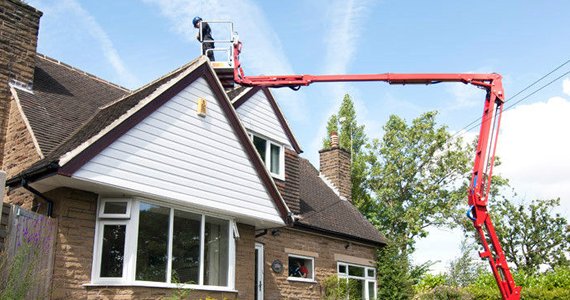
Our specialist assesses every element matched to your property era — slate or plain clay tile condition and fixing integrity on Georgian and Victorian properties; lead flashing condition at chimney stacks, parapet walls, and dormers; concrete tile porosity on 1930s stock via direct assessment; felt underlay condition confirmed through loft inspection; ridge and hip tile mortar; valley drainage on complex 1980s and 90s rooflines; and flat roof condition on post-war sections.

3

Detailed Report in 48 Hours

Full written report with photographs, condition ratings for every element, remaining lifespan estimates, and a prioritised costed action list. Georgian and Victorian properties: lead flashings, slate or tile condition, ridge mortar assessed specifically. 1930s stock: tile porosity, felt and batten condition, end-of-life assessment. 1980s and 90s: valley drainage, hip and ridge condition, complex roofline assessment. Report within 48 hours. For buyers: costed schedules for price negotiation.

Newbury is Berkshire’s largest market town, sitting in the Kennet valley at the junction of the A34 and M4 corridor — a position that has made it commercially significant since the medieval wool trade, and which has driven successive waves of housing development that have left the town with one of the most diverse property stocks in the county. The Kennet and Avon Canal runs through the town centre, and the racecourse to the south has reinforced Newbury’s character as a prosperous Berkshire town with strong demand across all property types.

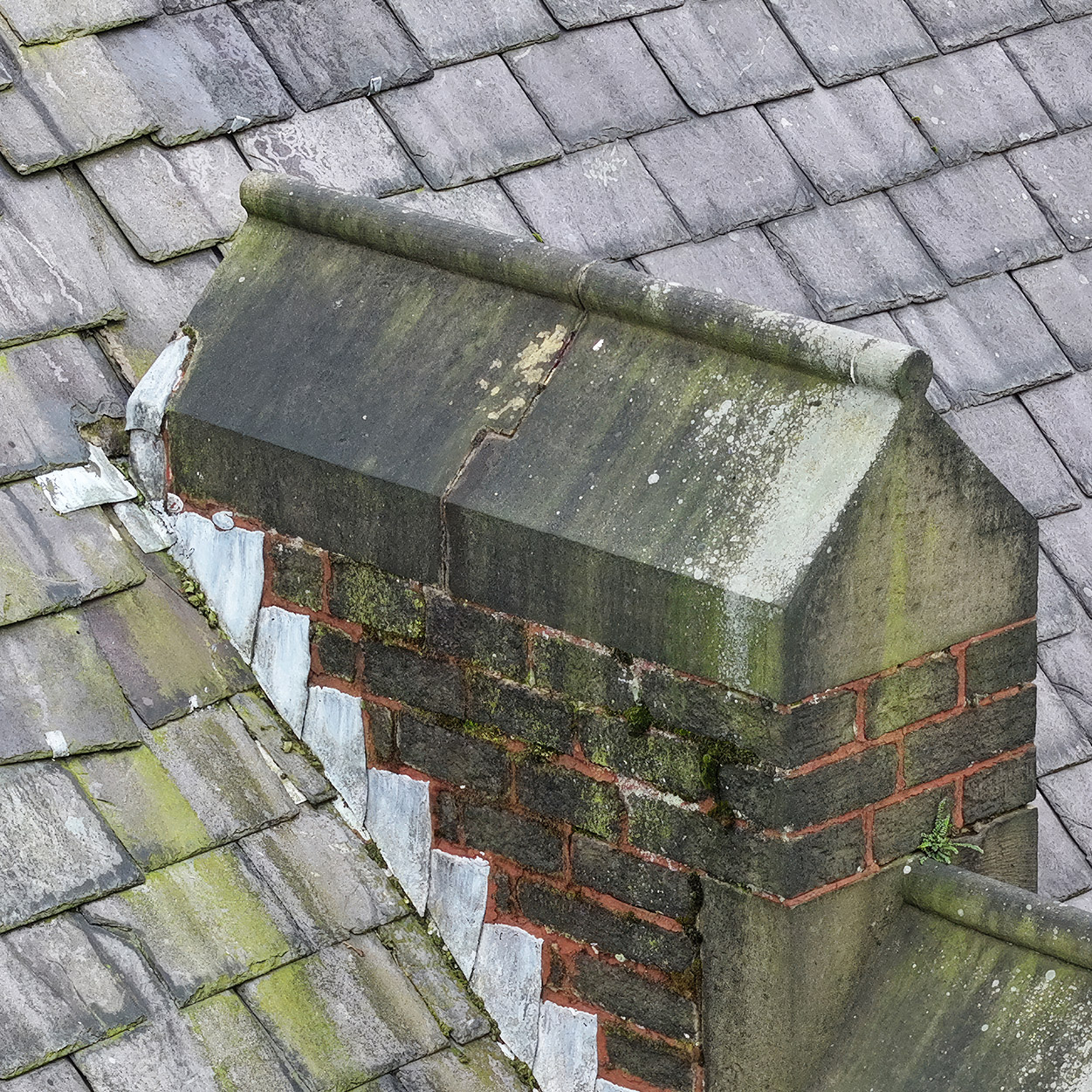
The town centre stock around Northbrook Street, Market Place, and the streets near St Nicolas Church contains genuine Georgian and early Victorian townhouses and cottages, many of them listed or within the Newbury Conservation Area. These properties carry natural Welsh slate or plain clay tile roofs with original lead flashings at chimney stacks, parapet walls, and dormers. The lead flashings are typically the critical maintenance item on this era of property: after 100–150 years of thermal cycling, lead work at chimney abutments and parapet copings develops fatigue cracking and lifting that allows water to track behind the flashing and into the wall construction or ceiling below. The pattern is that the problem manifests as internal damp at the chimney breast or at a ceiling edge below a parapet, often misdiagnosed as a tile problem and patched rather than resolved at the flashing.

The major 1930s suburban expansion of Newbury — the semi-detached houses of Wash Common, Shaw, Speen, and the streets running south and west from the town centre — represents the area’s most significant end-of-life roofing issue. Properties built between 1925 and 1940 now carry original or early-replacement concrete interlocking tile roofs at or beyond the 70–80 year typical design lifespan. Concrete tile porosity is the defining risk: tiles that appear intact from the street or from eaves level develop microscopic surface cracks and mineral leaching over their lifespan, becoming permeable throughout. Water absorbed through porous tiles saturates the bitumen felt underlay beneath, causing it to soften and fail; once the felt is compromised the battens behind it begin to decay from sustained moisture. The problem develops entirely within the roof build-up, invisible until it manifests as water ingress at the ceiling below. By that point the repair scope has expanded from tile replacement to felt and batten replacement across the whole roof — a full re-roof rather than a patch. Identifying systemic porosity before it reaches that point is the most valuable assessment a Newbury buyer or owner can have.

The large post-war council and private estates on the north and east sides of Newbury — Newtown Road, Monks Lane, the streets around Newbury College — have a mix of pitched concrete tile and flat roof sections in varying condition. Flat roof sections on 1960s and 70s properties are typically built-up felt that has a 20–30 year lifespan; many of these are overdue for replacement or have already had repairs that themselves need reassessment.

The 1980s and 90s executive development south of the A343 around Sandleford and Greenham produced large detached properties with complex rooflines: multiple valleys, hips, dormers, and projecting porch roofs. Concrete plain tile on these properties is now 30–45 years old. Valley drainage is the consistent pressure point — blocked or degraded valleys concentrate water ingress at the most structurally vulnerable junction of the roof plane. Hip tile mortar on this era of property is also a regular maintenance item that standard surveys underassess.

Nearby Areas: Similar 1930s concrete tile end-of-life assessment and period property expertise at Thatcham and Hungerford. Berkshire period property surveys also at Reading. See also Maidenhead for M4 corridor property expertise.

Newbury roof survey - Berkshire town centre and suburban property inspection

Newbury Roofing We Assess

  • Georgian & Victorian town centre: Welsh slate, plain clay tile, lead flashings at stacks and parapets
  • 1930s Wash Common and Shaw semis: Concrete tile porosity assessment, felt and batten condition
  • Post-war estates: Concrete tile, flat roof sections, Newtown Road stock
  • 1980s–90s Sandleford and Greenham: Complex roofline valley drainage, hip and ridge mortar
  • Conservation area properties: Technical assessment for West Berkshire Council applications
  • Pre-purchase surveys: Costed schedules for buyer negotiation across all eras

Our Newbury Coverage Area

Roof survey Newbury professional accreditations Newbury Berkshire roof inspection certifications

Newbury’s housing stock spans from Georgian townhouses to 1990s executive homes, and accurate assessment across that range requires working knowledge of how each era’s materials actually fail — not generic roofing knowledge applied generically. We know what concrete tile porosity looks like at 85 years old, what Georgian lead flashing fatigue failure looks like at the chimney abutment, and what valley degradation on a 1980s complex roofline looks like before it becomes an emergency. That specific material and era knowledge is what makes a Newbury survey genuinely useful rather than generically descriptive.

The 1930s Concrete Tile End-of-Life Pattern — Wash Common, Newbury

Buyer Scenario — 1936 Semi-Detached, Wash Common

A family purchased a three-bedroom 1936 semi-detached in Wash Common for £420,000. The property had its original concrete interlocking tile roof. The homebuyer survey noted “concrete tile roof in fair condition. Some minor cracking to individual tiles. Ridge repointing recommended within the next few years. Obtain specialist roofer inspection.” No specialist survey was commissioned before exchange.

Year 1: During sustained autumn rain a damp patch appeared at the top of the rear bedroom wall, just below the ceiling. A local roofer inspected and found three cracked tiles on the rear slope. Replaced them and repointed the ridge. Cost: £380. Problem appeared to resolve.

Year 2: The damp patch returned during the following winter, now spreading across a wider area of ceiling. The same roofer returned, replaced two more cracked tiles, and applied a roof sealant coat to the rear slope. Cost: £650. Damp continued through wet weather.

Year 3: A specialist inspection was commissioned. The findings were unambiguous: the original 1936 concrete tiles had reached systemic end-of-life porosity. The tile surfaces were absorbing water throughout their depth — not through cracks or gaps but through the tile material itself, which after nearly 90 years had lost the surface density that makes concrete tile weathertight. Behind the tiles, the bitumen felt underlay had been saturated repeatedly over years and had become soft and permeable in multiple areas across both slopes. The battens behind the failed felt sections showed moisture-related decay. The ridge repointing and individual tile replacements had made no difference because the problem was not isolated damage — it was a material that had reached the end of its functional life across the entire roof. Re-roofing quote: £11,500–£14,000 for full tile, felt, and batten replacement.

What a Specialist Survey Before Purchase Would Have Found: “1936 semi-detached, original concrete interlocking tile roof now approximately 88 years old — significantly beyond the 70–80 year typical design lifespan for this material. Tile surface assessment indicates systemic porosity: tiles are absorbing water throughout their depth. Felt underlay shows moisture saturation consistent with long-term tile porosity. Battens showing early decay in two sections. This roof requires full replacement within 12–18 months. Individual tile repairs will not address systemic end-of-life porosity. Budget £10,000–£14,000. Recommend negotiating as a condition of purchase or adjusting offer accordingly.”

The Wash Common Pattern: Newbury’s 1930s housing stock — concentrated in Wash Common, Shaw, and Speen — represents a large cohort of properties all approaching or exceeding the end of their original concrete tile lifespan simultaneously. The surface of an aged concrete tile looks similar to one with years of life remaining — both show moss, minor cracking, and weathering. The porosity difference is invisible without specialist assessment. Buyers who rely on homebuyer surveys for this era of Newbury property consistently discover the issue post-purchase, having spent hundreds on ineffective repairs before commissioning the investigation that reveals the full scope.

Survey cost: from £195. Saving identified: full re-roof at £10,000–£14,000 negotiated before exchange versus unplanned emergency re-roof plus internal remediation at £13,500–£17,000+ post-purchase.

Newbury Homeowner & Landlord Experiences

"Buying a 1930s semi in Wash Common. Your survey confirmed the tiles were at end-of-life — the homebuyer report just said 'ridge repointing recommended'. Used the report to negotiate £11,000 off before exchange. Without it we'd have discovered this the hard way in year two."
Mark & Sarah T - Wash Common Buyers
"Georgian cottage near the Market Place. Your survey identified the chimney flashing was failing behind the lead — not visible from outside. Caught it before the water reached the ceiling plaster. Straightforward repair once properly diagnosed."
Christine L - Newbury Town Centre Owner
"1980s detached in Greenham with a complicated roofline. Your survey identified a blocked valley that was concentrating water at the rear extension junction — something two previous roofers had missed. Report was detailed enough to brief the contractor exactly."
David P - Greenham Property Owner

Roof Survey Pricing — Newbury Specialists

Professional Assessment from £195

Roof surveys for Newbury properties start from £195. Whether a Georgian townhouse near the Market Place needing lead flashing condition, slate integrity, and conservation area specification assessed; a 1930s Wash Common semi where tile porosity is the critical unknown before exchange; a post-war property with flat roof sections needing condition assessment; or a 1980s Sandleford executive home with a complex roofline — call 07833 053 749 for an exact price confirmed immediately. Report within 48 hours.

On a Newbury property worth £350,000–£800,000+, discovering post-purchase that a 1930s concrete tile roof needs full replacement, or that a Georgian chimney flashing has been failing for two winters, is measured in thousands. Pre-purchase specialist assessment before exchange puts you in control. Independent survey only — no repairs sold.

When You Need a Roof Survey in Newbury

Buying a Newbury Property?

For 1930s properties in Wash Common and Shaw, the critical question before exchange is whether the concrete tile roof has years of service remaining or has reached systemic end-of-life porosity. The homebuyer survey cannot answer this. For Georgian and Victorian town centre properties, lead flashing condition and ridge mortar are the questions that determine whether you are inheriting a maintained asset or an imminent repair programme. Specialist pre-purchase assessment provides costed answers before commitment.

Experiencing Leaks Despite Previous Repairs?

If water ingress has recurred after roofer visits to a 1930s Newbury property, systemic tile porosity is the most likely cause — a problem that individual tile replacement and ridge repointing cannot address. Specialist assessment identifies whether end-of-life porosity is present and establishes whether patching is appropriate or full replacement is the only resolution.

Own a 1980s or 90s Newbury Property?

Executive properties built around Sandleford and Greenham have complex rooflines with multiple valleys, hips, and projecting sections now 30–45 years old. Valley drainage, hip tile mortar condition, and the condition of any flat roof sections above extensions are the consistent maintenance items at this age. Standard surveys rarely assess these elements in adequate detail; specialist assessment does.

Georgian or Victorian Town Centre Property?

Lead flashing fatigue on chimney stacks and parapet walls is the defining maintenance issue on Newbury’s Georgian and Victorian stock. The symptoms — damp at a chimney breast or along a ceiling edge below a parapet — are frequently attributed to tiles and patched ineffectively, when the actual cause is lead at an abutment that needs replacement or re-dressing. Specialist assessment identifies the correct source and the correct remedy.

Landlord with Newbury Portfolio?

Newbury’s strong rental market includes a large stock of 1930s and post-war properties. Professional survey documentation satisfies insurance requirements, supports maintenance planning across mixed-age portfolios, and protects against tenant disputes. We regularly survey rental portfolios across Newbury’s varied housing stock.

Long-Term Planning?

A specialist survey establishes current condition, prioritises what needs attention now versus in the next five years, and provides a realistic capital maintenance programme. For Newbury homeowners managing properties at different stages of their maintenance lifecycle — particularly the 1930s stock approaching end-of-tile-life — that planning information prevents reactive emergency expenditure at the worst possible time.

Frequently Asked Questions — Roof Survey Newbury

What will the survey identify on a 1930s Newbury property?

The core assessment on a 1930s Wash Common or Shaw semi is concrete tile porosity — whether the tiles retain weathertightness or have become permeable throughout their depth. We also assess felt underlay condition via loft inspection, timber batten condition, ridge tile mortar cohesion, chimney flashing and pointing, and the overall timber structure. The findings will clearly distinguish between a roof that needs localised maintenance and one that requires full replacement — the most important financial assessment available to a Newbury buyer or owner of 1930s stock.

How long does a survey take?

Most Newbury residential surveys take 2–3 hours on-site including loft inspection. Complex 1980s and 90s rooflines with multiple valleys and hips may take longer. Full written report with photographs and costed recommendations within 48 hours.

What does a survey cost in Newbury?

Roof surveys start from £195. Call 07833 053 749 for an exact price confirmed immediately — no forms, no waiting.

What areas of Newbury do you cover?

We cover all of Newbury including Wash Common, Shaw, Speen, Greenham, Sandleford, Newtown, and the full RG14 postcode. We also cover Thatcham, Hungerford, and throughout West Berkshire.

Can you tell whether my 1930s roof needs replacing or just repairing?

Yes — this is the most important assessment for Newbury’s 1930s housing stock. Concrete tile porosity is an objective material condition, not a judgement call. We assess tile absorption directly, combined with felt and batten condition via loft inspection, and give a clear verdict: serviceable with targeted maintenance, or at end-of-life requiring replacement. That distinction saves Newbury homeowners from years of ineffective patching on a roof that needs replacing.

Are you independent of contractors?

Completely. We survey only — no repairs sold, no maintenance contracts, no referral arrangements with roofers. Our findings reflect the actual condition of the roof. For Newbury buyers and owners making decisions about significant maintenance expenditure, that independence is the foundation of a useful assessment.

Understanding Newbury’s Property Market

Newbury’s property market reflects its position as the largest and most commercially active town in West Berkshire, with strong demand driven by Newbury Racecourse, good M4 and rail links to Reading and London Paddington, and the presence of Vodafone’s UK headquarters and other major employers. The Georgian and Victorian townhouses in the conservation area around Northbrook Street and Market Place trade between £450,000 and £900,000; the 1930s semi-detached stock of Wash Common and Shaw between £350,000 and £550,000; the 1980s and 90s executive detached stock around Sandleford and Greenham from £550,000 to £1M+. The strong buyer demand across all segments means properties rarely sit long enough for condition issues to become visible during a conventional viewing process.

For buyers of 1930s Wash Common and Shaw properties — a segment where a significant proportion of the stock now carries concrete tile at or beyond end-of-life — the gap between what a homebuyer survey identifies (“ridge repointing recommended”) and what specialist assessment identifies (“systemic porosity across both slopes, full re-roof required”) is typically £10,000–£15,000 in purchase price negotiation and potential repair cost. On a property being sold for £400,000, that gap is material. Pre-purchase specialist assessment is the most straightforward way to ensure the purchase price reflects the actual condition of the roof rather than the apparent condition from street level.

Newbury Property Facts

  • Georgian & Victorian town centre: £450K–£900K
  • 1930s Wash Common / Shaw: £350K–£550K
  • 1980s–90s Sandleford / Greenham: £550K–£1M+
  • Newbury Conservation Area
  • West Berkshire Council planning
  • RG14 postcode
  • Kennet and Avon Canal corridor

Service Areas — Newbury & West Berkshire

Newbury Coverage:

Town centre, Wash Common, Shaw, Speen, Greenham, Sandleford, Newtown, Monks Lane area, and all surrounding RG14 villages and rural properties

Surrounding West Berkshire Areas:

ThatchamHungerfordReadingMaidenheadBasingstoke

Postcode Coverage:

RG14 (Newbury), RG19 (Thatcham), RG17 (Hungerford), RG20 (North Berkshire villages)

Why Newbury Property Owners Choose Us

  • 1930s End-of-Life Assessment: Concrete tile porosity testing, Wash Common and Shaw specialists
  • Georgian Lead Flashing Expertise: Chimney stack and parapet wall abutment condition
  • Complex Roofline Assessment: 1980s valley drainage, hip and ridge condition
  • Pre-Purchase Surveys: Costed schedules for buyer negotiation across all eras
  • Conservation Area Reports: West Berkshire Council specification detail
  • Independent Only: No repairs sold — honest assessment every time

Understand Your Newbury Roof Today

Whether you’re buying a 1930s semi in Wash Common and need to know if the concrete tile roof has years remaining or requires immediate replacement; dealing with recurring damp in a Georgian townhouse that previous roofers have patched without resolving; or managing a complex 1980s roofline in Greenham where a blocked valley is concentrating water ingress — specialist assessment gives you the facts that matter. Not surface description. Actual material condition, correct diagnosis, and an independent view with no interest in the repair work.

Call 07833 053 749 now. Price confirmed from £195 by phone immediately. Detailed written report with photographs and costed recommendations within 48 hours. Same-day service often available across Newbury and the surrounding RG14 area.

Professional Roof Survey from £195
Newbury Specialists • Georgian Town Centre, 1930s Semis & M4 Corridor Property Experts
  • Reviewer Trust Pilot
  • Review 07-03-2026
  • Reviewed Item Roof Survey Newbury
  • Author Rating ☆☆☆☆☆
No online forms. No waiting. Exact price in 60 seconds.
Call 07833 053 749 Get a Free Quote
☆☆☆☆☆ Trustpilot | Georgian, 1930s & M4 Corridor Berkshire Roof Specialists