Tell us about your property — a purpose-built flat near Staines town centre, a maisonette in the Knowle Green area, a semi-detached house in TW18 or TW19, or any Spelthorne address. Fixed price from £195 confirmed by phone immediately. No forms, no waiting.
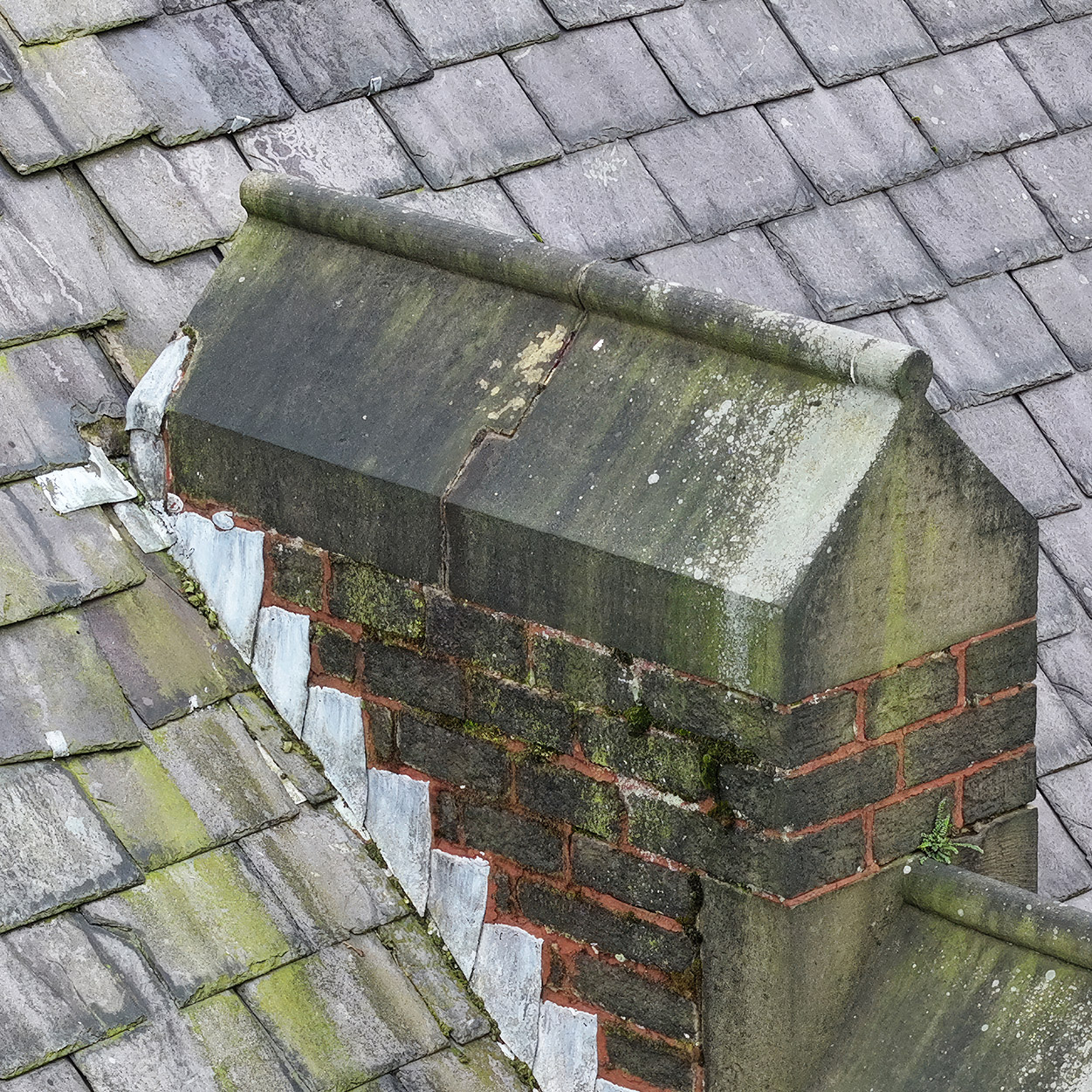
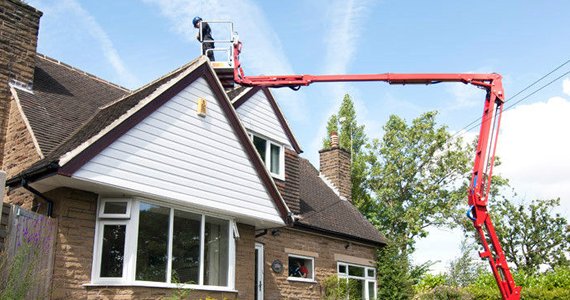
Our specialist inspects every element with the Staines area’s specific conditions in mind — flat roof membrane condition and drainage on purpose-built blocks, felt and asphalt age on post-war and 1960s–80s stock, tile condition on pitched roofs, all flashings and parapet details, gutters and downpipes, Thames floodplain moisture effects, and accessible loft space timbers throughout.
Full written report with photographs, condition ratings, remaining lifespan estimates, and a prioritised action list with budget figures. For leasehold flat owners: clear breakdown of your liability versus the freeholder’s obligation. For buyers: costed schedules before exchange. Report within 48 hours.
Knowle Green is the area immediately southeast of Staines-upon-Thames town centre, centred on Kingston Road and bounded by Burges Way. It sits within the Spelthorne Borough, administered from the council offices at Knowle Green, and is roughly 450 yards from Staines railway station — which gives direct trains to London Waterloo in around 34 minutes and to Windsor via Datchet. The area is built on the Thames and River Colne floodplain: the low-lying gravel and alluvial ground that characterises Staines, which has experienced significant flooding in 1894, 1947, and 2014. Staines Moor to the northwest — Surrey’s largest area of alluvial meadow, designated as an SSSI in 1984 — is a reminder of the landscape’s essentially riverine character. The Staines Park recreation ground (12 acres, Fields in Trust protected since 2019) is immediately east.
The housing stock in and around Knowle Green is predominantly post-war, with the most common type being purpose-built flats — many in private rental, with a significant proportion of Spelthorne Borough Council and Knowle Green Estates Ltd (the council’s housing company) managed properties. Purpose-built flat blocks from the 1960s and 1970s are the dominant form: these have low-pitched or flat roofs, often with felt or asphalt coverings that are now approaching or beyond their original design life. The TW18 postcode area also includes Victorian terraces and Edwardian semi-detached houses closer to the High Street and along the roads leading towards Laleham and Ashford, plus post-war and 1980s semi-detached and detached housing in the surrounding streets.
Knowle Green’s position on the Thames floodplain creates measurably higher ambient moisture than properties even a few miles inland. Riverside mist and fog create prolonged moisture contact with roof surfaces, accelerating moss and algae colonisation. Gutter and fascia systems deteriorate faster than in drier environments. On flat roofs — which are disproportionately common in this area’s housing stock — any minor membrane failure allows water to pond, and the local moisture environment means water finds its way into the building structure faster than in lower-humidity locations.
The gravel and alluvial subsoil beneath Staines also moves more than clay or chalk ground in response to wet and dry cycles, creating subtle settlement that can open junctions and flashings on older buildings over time.
Nearby Areas: We also survey Staines-upon-Thames, Laleham, Hythe, and Ashford.
A leaseholder purchases a top-floor flat in a purpose-built 1970s block near Staines town centre for £210K. The block has a flat felt roof. The surveyor’s report notes “roof appears serviceable, maintenance programme in place.” No specialist roof survey is commissioned at purchase.
Year 1: Autumn. A damp patch appears on the bedroom ceiling close to the external wall. The managing agent is notified. They inspect and report that the felt is “in acceptable condition” and apply a brush-on waterproofing compound to a section of the roof over the affected area. Cost to the service charge: £480. The patch dries over the following weeks.
Year 2: The damp returns after a wet November. Now two patches — bedroom and living room. The managing agent appoints a roofer who replaces a 2m² section of felt where blistering is visible. Cost to service charge: £1,200. The leaseholder asks the managing agent whether a full roof condition report has been carried out. They are told the roof was “inspected last year.”
Year 3: Significant water ingress following a period of persistent autumn rain. An independent survey reveals: the original 1970s felt has multiple delamination failures across approximately 60% of the roof area — the patch repairs have created differential movement stress at the repair edges, accelerating failure in the surrounding felt. The roof drainage outlets are partially blocked with moss and debris, causing water to pond across the whole roof surface — which has no fall designed in. The parapet wall flashings are failing at two corners. The Thames floodplain moisture environment has shortened the felt lifespan to around 18–20 years; the roof is now 50+ years old. Full felt replacement with new drainage outlets and parapet flashing: £18,000–£24,000 across the block. The leaseholder’s share: £3,800–£4,800. Section 20 consultation required.
What a £195 Roof Survey at Purchase Would Have Shown: “Top-floor flat in 1970s purpose-built block. Flat felt roof is original 1970s installation — approximately 50 years old and beyond expected service life. Multiple blistering and delamination failures visible. Roof drainage outlets show significant moss blockage; no effective fall across the main roof area. Parapet flashings failing at two corners. Full felt replacement required imminently — estimate £16,000–£22,000 across the block. Leasehold buyer should establish the current service charge reserve, request the managing agent’s maintenance plan, and factor full roof replacement cost into purchase price negotiations.”
The Lesson: Top-floor flats in 1970s blocks in the Staines area frequently have original flat felt roofs approaching the end of their life. The floodplain moisture environment shortens felt service life. Patch repairs on aged felt accelerate overall failure. A £195 specialist survey before purchase identifies this clearly and lets buyers negotiate accordingly — or walk away from a property with a guaranteed major expense within 12 months.
Surveying Knowle Green and the Staines TW18 area requires understanding the specific housing stock: the post-war and 1960s–80s flat blocks that dominate the area, the leasehold structures that govern how roof maintenance and costs are shared, and the Thames floodplain moisture environment that affects how roofing materials age. We combine professional surveying qualifications with genuine knowledge of the Spelthorne area property market — so your report reflects what your specific property actually needs, not a generic assessment written for a different type of building.
Roof surveys in Knowle Green and the Staines TW18 area start from £195. Whether you need a survey of a purpose-built flat, a 1960s semi, or a Victorian terrace, we provide the specific assessment your property requires — including flat roof membrane condition, leasehold boundary advice, and Thames floodplain moisture effects. Call 07833 053 749 now. Exact price immediately. Report within 48 hours. No forms. No waiting.
The most common roof type in the Knowle Green area is the flat or very low-pitched felt roof on purpose-built flat blocks from the 1960s and 1970s. Original bitumen felt has a design life of around 20–25 years — these roofs are now 50–60 years old. Failure modes include blistering from trapped moisture vapour, delamination at laps and edges, and ponding where drainage outlets are blocked by moss or debris. In the Thames floodplain moisture environment, felt degrades faster than in drier inland areas.
Survey from £195 assesses the full roof membrane condition, drainage adequacy, and parapet wall details — not just the visibly failed sections — and gives you an honest picture of whether patch repair or full replacement is the economically correct decision for your block.
Semi-detached and terraced houses in TW18 and TW19 built from the 1950s through the 1970s have concrete interlocking tile roofs now between 50 and 70 years old. The original ferrous fixing nails corrode through over this timescale. Tiles begin slipping individually, then the failure accelerates as gaps allow wind-driven rain to enter and wind-lift stress increases on remaining fixings. The Thames floodplain humidity environment accelerates the nail corrosion rate compared to inland Surrey locations.
Survey from £195 assesses nail corrosion across the full roof area and gives you an accurate assessment of remaining serviceable life — critical for deciding when re-tiling is more cost-effective than continued repair.
UPVC gutter and fascia systems in Staines and Knowle Green deteriorate faster than in drier environments. The Thames floodplain moisture accelerates UV degradation and joint failure in UPVC guttering. Blocked gutters on flat-roofed blocks cause water to back up and overflow into cavity walls. On Victorian and Edwardian properties closer to Staines High Street, original cast iron guttering may be serviceable but is prone to joint failure and interior face corrosion in the damp environment.
Survey from £195 inspects all gutters, downpipes, and fascias as part of the complete rainwater management assessment — because in this moisture environment, gutter failure is one of the most common causes of otherwise unexplained damp.
All roof coverings (flat felt or asphalt, concrete tiles, clay tiles, slate), all flashings and parapet wall details, drainage outlets and guttering, chimney stacks, flat roof membrane condition including ponding evidence, nail corrosion assessment on pitched roofs, valley gutters, and accessible loft space timbers. For leasehold flats: boundary of responsibility between leaseholder and freeholder noted throughout.
Top-floor flats in 1960s–70s blocks in the Staines area very commonly have original flat felt roofs that are now 50+ years old. A £195 specialist survey tells you the actual condition, estimates the cost of replacement (which will be a shared service charge liability), and gives you the information you need to negotiate the purchase price or request the managing agent’s maintenance plan before exchange.
Most Knowle Green and Staines area surveys take 2–3 hours on-site. Full written report with photographs delivered within 48 hours.
We cover TW18 (Staines, Knowle Green), TW19 (Stanwell, Stanwell Moor), TW20 (Egham), and surrounding Spelthorne postcodes including TW15 (Ashford) and TW17 (Shepperton). Call to confirm coverage for your specific address.
Roof surveys in Knowle Green start from £195. Call 07833 053 749 for an exact price immediately. No forms, no waiting.
Knowle Green and Staines-upon-Thames sit in Spelthorne Borough, northwest Surrey, around 17¼ miles from central London. Staines station offers direct trains to London Waterloo (around 34 minutes), to Reading via Ascot, and to Windsor and Eton Riverside — making TW18 attractive to commuters. The town is also linked to the M25 at junction 13 via the A30 and to the M3 via the A308, and is around 3–4 miles from Heathrow Terminal 5.
The average property price in Knowle Green is around £458,000, but the area has a particularly high proportion of flats and maisonettes — many in private rental — which is reflected in the housing mix. Purpose-built flats near the town centre and Knowle Green area trade in the £200K–£350K range. Three-bedroom semi-detached houses in the wider TW18 postcode typically achieve £450K–£600K. Victorian and Edwardian terraces with original features command a premium. The rental market is strong given Heathrow and London accessibility.
For buyers at any price point in TW18, understanding roof condition before exchange is essential — particularly for top-floor flats in older blocks where the flat roof liability is a shared service charge obligation that can run to five figures, and for the post-war semi stock where nail corrosion on concrete tiles is predictable and plannable if identified early.
Kingston Road, Burges Way, and all TW18 addresses including Staines town centre, Staines South, and surrounding streets.
Laleham, Hythe, Staines-upon-Thames, Sunbury, Egham
TW18 (Staines, Knowle Green), TW19 (Stanwell), TW20 (Egham), TW15 (Ashford), TW17 (Shepperton)
Whether you own a top-floor flat in a 1970s block near Staines, a post-war semi in TW18, or a Victorian terrace close to the High Street, understanding your roof’s exact condition is essential in a Thames floodplain location where moisture accelerates deterioration and flat roofs age faster than anywhere inland. A £195 specialist survey gives you the specific assessment your property needs.
Call 07833 053 749 now. Exact price confirmed immediately. Report within 48 hours.