
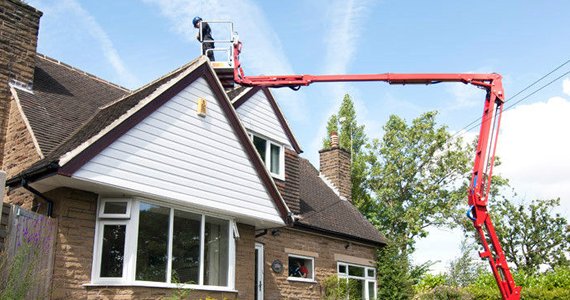


Horley is a thriving transport hub where Gatwick proximity creates unique property challenges and vibrations affecting roofs. Aircraft noise and runway-related vibration patterns differ significantly from standard properties. Understanding how airport proximity influences roof aging and structural stress is essential for accurate assessment.
We've assessed hundreds of Horley roofs across properties affected by airport proximity. We understand how vibration patterns impact roof systems. We recognize airport-specific structural stress. We know proper assessment for airport-adjacent properties. This expertise means our roof survey accounts for Horley's unique factors that standard surveys completely miss.
Horley's character comes from Gatwick proximity as a major transport hub. This creates specific roof challenges different from standard properties. Vibration exposure, noise environment, and structural stress patterns all differ significantly.
Vibration exposure: Airport proximity creates ongoing vibration patterns. Assessment must account for structural stress from continuous low-level vibration.
Fastener integrity: Vibration affects fastener security over time. Specialist assessment determines whether vibration-related fastening issues exist.
Structural stress: Properties near airports experience cumulative structural stress different from standard locations.
Airport-adjacent residential: Properties with Gatwick exposure effects
Business properties: Commercial buildings adapted to transport hub location
Modern developments: Contemporary properties built with airport proximity in mind
Mixed properties: Blend reflecting unique Horley transport hub status
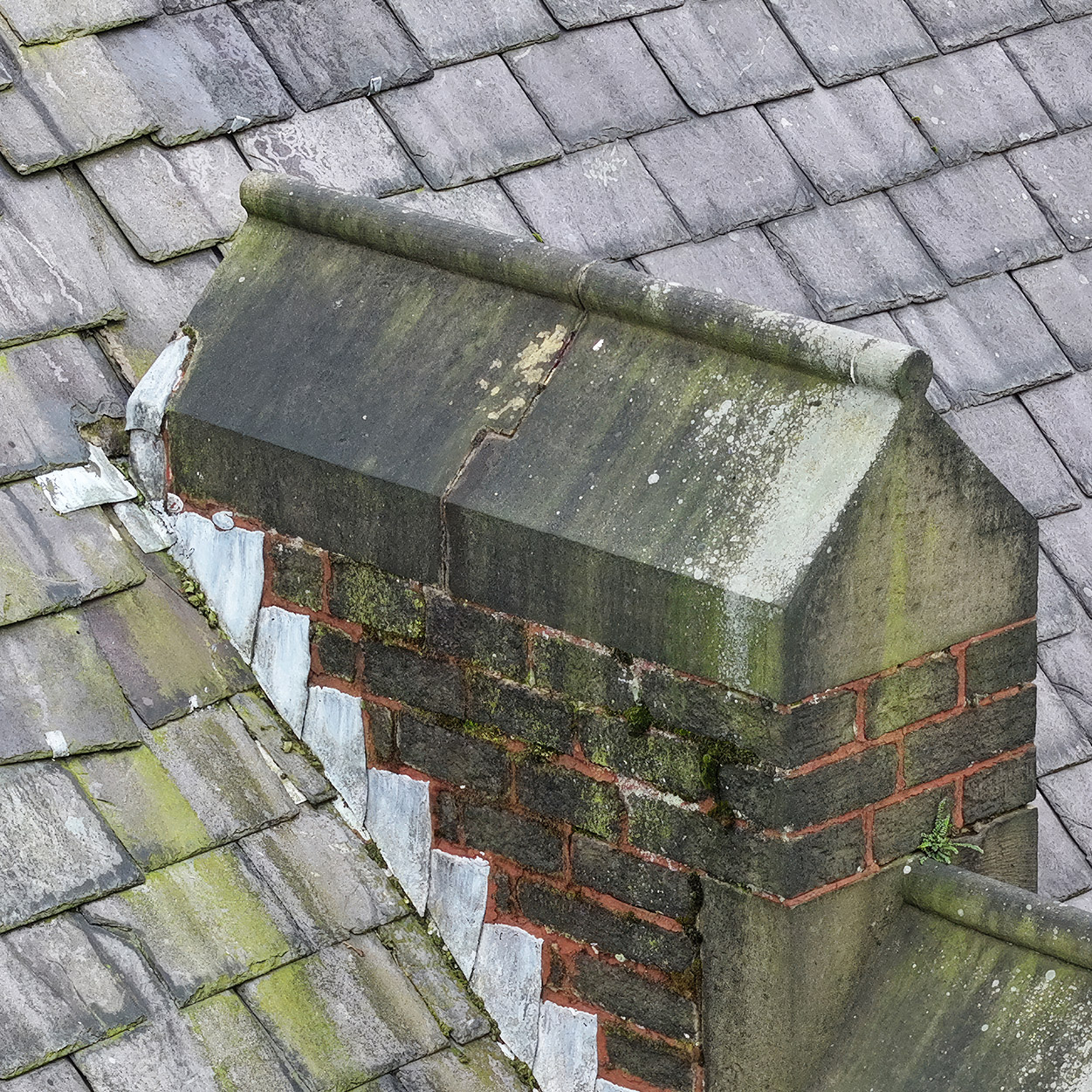
A Horley property owner adapted to airport proximity lifestyle. Didn't realize continuous vibration created specific roof structural challenges.
Year 1: Roof shows minor fastener loosening. Assumes cosmetic aging. Doesn't realize vibration significance. Takes no specialized action.
Year 2: Heavy aircraft during flight surge creates minor damage. Gets generic contractor assessment. Doesn't address vibration-related stress management.
Year 3: Professional assessment reveals: Airport proximity creating cumulative vibration stress. Fastener integrity compromised from vibration exposure. Structural stress patterns evident. Vibration-resistant maintenance approach needed. Strategic upgrades designed for airport proximity.
What Professional Assessment Year 1 Would Have Identified: "Airport-adjacent property experiencing vibration-related stress. Fastener integrity needs monitoring. Cumulative structural stress requires specialist maintenance approach. Vibration-resistant upgrades prevent progressive deterioration."
The Pattern: Horley airport-adjacent properties show this repeatedly. Specialist assessment prevents vibration-related structural damage.
Significantly. Continuous vibration from flights creates cumulative structural stress. Our Horley assessment specifically evaluates vibration effects and maintenance requirements.
Vibration-resistant maintenance requires specialist understanding. Professional assessment determines protective measures accounting for continuous vibration exposure.
Most surveys take 2-3 hours. Airport-adjacent properties may require additional vibration-stress assessment. We provide detailed written reports within 48 hours with photographs.
Absolutely. Airport properties require specialist assessment understanding vibration effects and structural stress. Standard surveys miss critical airport-proximity factors.
Yes. Insurance companies require roof condition documentation especially for airport-adjacent properties. Our detailed reports provide exactly what insurance needs.
We serve all Horley including airport-adjacent and surrounding areas. We regularly assess properties throughout RH6 and understand airport proximity requirements.
Gatwick proximity creates specific challenges. Professional assessment understands vibration exposure and structural stress monitoring.
Vibration effects fasteners progressively. Professional assessment determines whether issue is vibration-related or standard maintenance.
Before settling in, understand airport-proximity roof challenges. Standard surveys miss vibration-stress factors affecting property maintenance.
Intensive flight periods create additional stress. Professional assessment evaluates damage patterns and vibration-related deterioration.
Before starting, understand airport-specific roof condition. Assessment prevents surprises during airport-proximity renovation projects.
Insurance documentation requires professional assessment. We provide reports insurance companies need for airport-proximity properties.
Roof surveys for Horley properties cost less than expected for the value. We assess condition thoroughly, identify problems before they become emergencies, and provide documentation for insurance.
For airport-proximity properties, professional assessment is especially valuable for understanding vibration-specific needs. We provide exact quotes when you call—no surprises.
What matters: Professional assessment understanding Horley's airport-hub character.
Horley is valued as a vibrant transport hub where Gatwick proximity defines community character. Properties here reflect airport-hub living and associated unique challenges. Understanding how your roof performs under continuous vibration exposure is essential for planning.
Airport-proximity properties require specialist assessment understanding vibration effects and structural stress differently. Professional expertise distinguishes normal aging from vibration-related deterioration.
Whether you own residential or commercial property in Horley, understanding your roof in airport-proximity context is crucial for confident property ownership.
Don't let roof uncertainty disrupt your Horley property. With professional assessment understanding airport-proximity challenges, we make roof inspections stress-free.
Call us now on 07833 053 749 for immediate assistance or to book your roof survey. We cover all Horley areas.
