
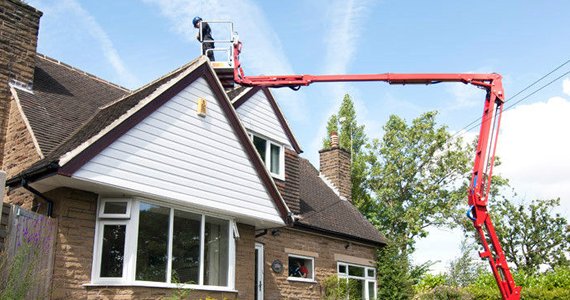
Greenwich is one of London's most historically significant boroughs. The town centre and surrounding streets contain Georgian and Regency properties dating from the 1700s-1830s, their roofs featuring original slate coverings, lead flashings, and concealed drainage systems now 190-300 years old. Blackheath — perched on its dramatic hilltop — adds substantial Georgian and Victorian villas with complex multi-level roof structures exposed to some of London's strongest winds. Victorian terraces in Charlton, Plumstead, and Woolwich provide the borough's suburban residential backbone. Modern riverside developments along the Thames in Greenwich Peninsula bring contemporary flat roof systems. Each property type demands completely different roof assessment expertise.
Greenwich's environmental factors create specific roof challenges. Blackheath's elevated, exposed position means roofs face significantly greater wind loading than sheltered inner London locations — ridge tiles lift, flashings stress, and slate fixings loosen faster. Thames-side humidity accelerates moss growth and moisture retention on all roof types. The borough's mix of London clay and chalk creates subsidence risks with seasonal ground movement that shifts roof structures. Salt air from the Thames estuary affects metal components differently than inland areas, accelerating corrosion of lead flashings and zinc gutters.
A standard surveyor notes "roof condition adequate for age" on a Georgian property within the World Heritage buffer zone. This misses the heritage implications entirely — any roof work may require specific consent and heritage-appropriate materials. It also fails to assess the concealed drainage system that is the most likely failure point. For Blackheath properties, generic surveys don't account for the wind exposure that accelerates wear on every roof element.
Our Greenwich roof surveys combine structural assessment with heritage awareness and environmental understanding. We know that a Georgian terrace in central Greenwich needs concealed gutter inspection and World Heritage awareness. We know that a Blackheath villa needs wind-exposure assessment alongside standard condition evaluation. We know that a Victorian terrace in Charlton faces different challenges to both. This location and property-type specificity is what makes our Greenwich assessment genuinely useful.
For Greenwich homeowners: Your property's heritage status and environmental exposure determine its specific roof risks. Understanding those factors lets you plan maintenance that addresses real challenges rather than generic concerns.
For landlords: Greenwich's diverse rental market — from heritage town centre to suburban Woolwich — demands property-specific maintenance documentation. Professional roof surveys provide insurance compliance and strategic planning across different property types.
Nearby Areas with Similar Properties: Similar period and suburban property stock appears in nearby areas like Lewisham and Southwark, where Victorian terraces and Georgian properties face comparable aging challenges. Lewisham shares Greenwich's Victorian suburban character, while Southwark has similar riverside heritage. See our area-specific guides for detailed information.
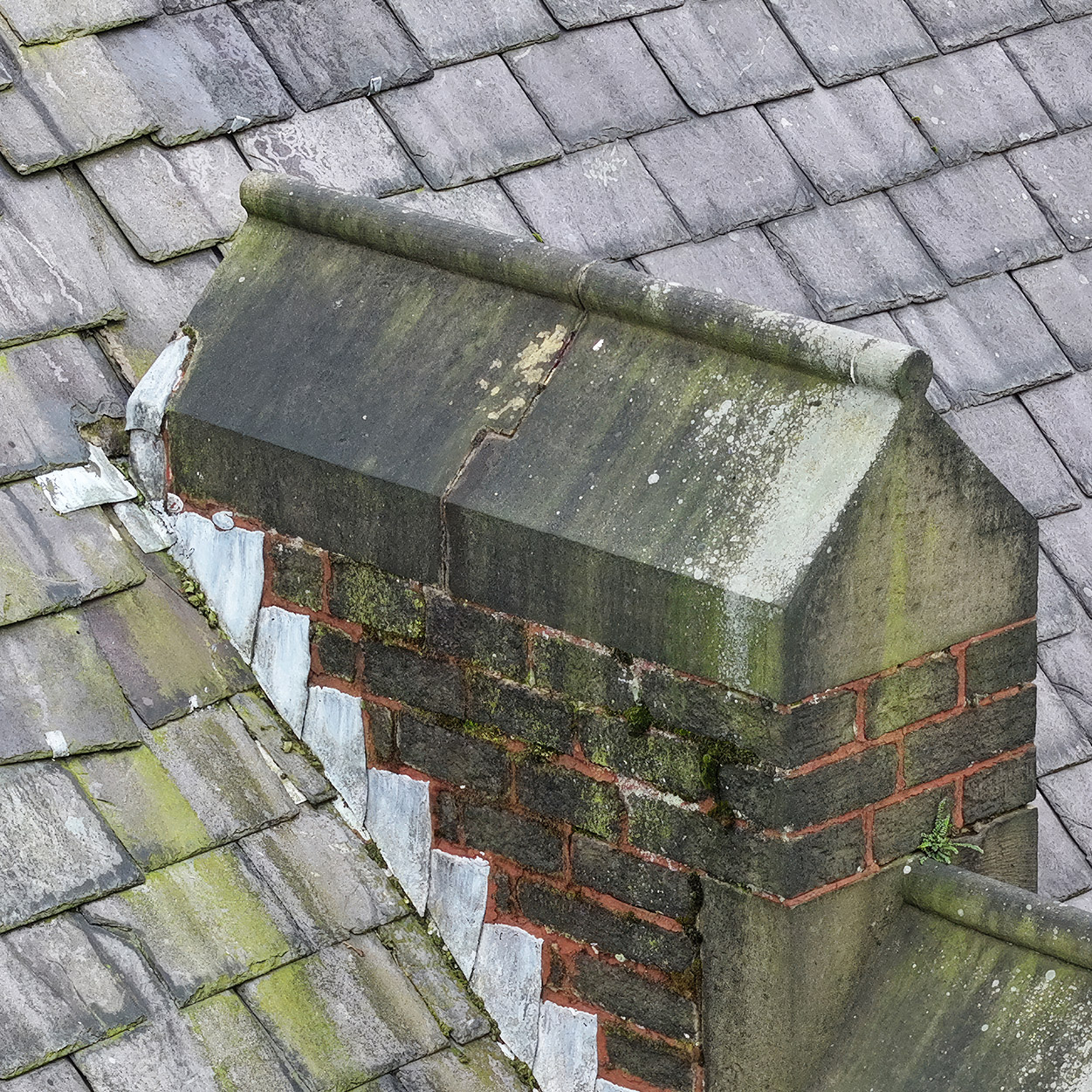
A family purchased a Victorian villa on the edge of Blackheath for £1.2 million. The property, built in 1885, sat on an exposed plot facing the heath. The general survey noted "slate roof in fair condition, some ridge tile displacement." They completed the purchase without specialist roof assessment.
Year 1: During a November storm, three ridge tiles blew off the main roof and shattered in the garden. A roofer replaced them with new ridge tiles bedded in mortar. Cost: £450. He also noted "a few slipped slates" and repositioned them. The family assumed this was normal weather damage for an exposed property.
Year 2: More ridge tiles displaced during winter gales. Slates slipping more frequently. Water ingress appeared in the rear bedroom during a sustained rainstorm. A roofing company replaced the ridge tiles again, replaced eight slates, and re-pointed the chimney stack flashings. Cost: £2,800. They suggested the exposed position meant "higher maintenance is expected."
Year 3: After a severe February storm, multiple slates dislodged, the rear hip tiles shifted, and water came through in three locations simultaneously. Full assessment revealed the underlying problem: the original Victorian timber battens had dried out and split across the entire rear roof slope due to decades of wind-driven moisture and drying cycles specific to Blackheath's exposed position. Slates and ridge tiles weren't failing randomly — they were losing their fixings as the battens beneath degraded. The lead flashings around both chimney stacks had fatigued from wind vibration. Full rear slope re-battening and re-slating, hip tile restoration, both chimney flashings replaced, and interior repairs: £32,000-£40,000.
What Professional Assessment Would Have Shown in Year 1: "This 1885 Victorian villa occupies an exposed Blackheath position with significantly above-average wind loading. Slate fixings are failing due to batten deterioration across the rear slope — accelerated by the property's exposure. Ridge and hip tiles are under-bedded for this wind loading. Both chimney flashings show lead fatigue consistent with wind vibration stress. Recommend rear slope re-battening and re-slating within 18 months, and chimney flashing replacement. Estimated cost if planned: £18,000-£24,000."
The Pattern We See: Blackheath's hilltop exposure means roofs deteriorate faster than identical properties in sheltered locations. Standard maintenance assumptions don't apply. Battens dry out and split. Fixings loosen under constant wind stress. Lead fatigues from vibration. Owners and generic roofers treat each symptom individually without recognising the systemic effect of exposure — until a storm reveals the full extent of accumulated damage.
The Lesson: For exposed Greenwich properties — especially on Blackheath — specialist assessment that accounts for environmental factors catches systemic deterioration before it becomes catastrophic. A £400-£600 survey could have identified the batten problem and saved £14,000-£16,000 in additional damage and emergency costs.


Professional roof surveys for Greenwich demand both certification and heritage awareness. We combine RICS-registered surveyor qualifications with years specializing in South East London's period properties. This means we understand Georgian concealed systems, Victorian roof construction, AND the environmental factors — wind exposure, Thames humidity, subsidence — that make Greenwich properties age differently from sheltered inner London locations.
Roof surveys for Greenwich properties reflect the heritage value and environmental complexity of the borough's building stock. Georgian terraces near the World Heritage Site, wind-exposed Blackheath villas, and Victorian suburban properties each need specific expertise that generic surveys cannot provide.
The cost of professional assessment is minimal compared to the damage that undetected problems cause — especially for exposed Blackheath properties where environmental factors accelerate deterioration and heritage properties where repair costs are amplified by conservation requirements.
What matters: You get assessment from surveyors who understand Greenwich's specific heritage requirements and environmental factors. That local expertise — knowing how wind exposure, Thames humidity, and World Heritage status affect your specific property — delivers genuinely useful results.
Greenwich's exposed properties — especially on Blackheath — suffer disproportionate storm damage. We assess whether storm damage is isolated or indicates systematic deterioration from chronic wind exposure, helping you decide between spot repairs and comprehensive remediation.
Greenwich's heritage properties and exposed locations create specific risks that standard surveys miss. Our specialist assessment identifies concealed system condition, wind exposure effects, and heritage implications — the factors that determine your real maintenance costs after purchase.
Properties within the World Heritage buffer zone or conservation areas face planning restrictions on roof repairs. Professional assessment that understands these requirements from the outset saves time, prevents enforcement issues, and ensures work is heritage-appropriate.
Insurance companies require documented roof condition. Greenwich's mix of heritage and suburban properties needs property-specific assessment for effective portfolio management. Our surveys provide the documentation and maintenance timelines landlords need.
If your property faces the heath, sits on high ground, or occupies an exposed corner plot, wind exposure is accelerating your roof's deterioration. Professional assessment quantifies this effect and helps you plan maintenance at the right intervals for your specific exposure level.
Greenwich properties range from £400K suburban to £3M+ heritage homes. Understanding your roof's actual condition — factoring in both age and environmental exposure — lets you budget accurately for the maintenance your specific property needs.
Our Greenwich roof surveys assess slate/tile condition, lead flashings, concealed drainage, ridge and hip stability, timber structure, chimney stacks, wind exposure effects, and heritage compliance requirements. Complete assessment tailored to your property's type, age, and specific environmental exposure.
Yes. The Maritime Greenwich World Heritage Site and buffer zone create specific planning requirements. Our surveys identify where heritage consent applies and recommend appropriate materials and methods compatible with the area's exceptional status.
We cover all of Greenwich including the town centre, Blackheath, Charlton, Woolwich, Eltham, Greenwich Peninsula, Kidbrooke, and all SE3, SE7, SE10, SE18, and SE9 postcodes. We also serve nearby boroughs including Lewisham, Southwark, and Bromley.
Most Greenwich residential roof surveys take 2-3 hours on-site. Georgian properties with concealed systems or large Blackheath villas may take longer. Detailed written report provided within 48 hours with photographs and recommendations.
Yes — this is critical for Blackheath and other exposed Greenwich locations. We assess how wind loading affects fixings, flashings, ridge tiles, and overall roof integrity. Properties in exposed positions need different maintenance intervals than sheltered locations.
Greenwich roof surveys range from £250-£800 depending on property type, size, and heritage status. We provide exact quotes before booking — call with your property details for a clear price with no surprises.
Greenwich's property market reflects the borough's unique combination of World Heritage status, Blackheath prestige, and suburban accessibility. Georgian and Regency properties in central Greenwich and Blackheath command £1-3M+, with World Heritage proximity adding premium and heritage responsibility. Victorian terraces in Charlton and Woolwich range from £400K-£800K, benefiting from Crossrail and regeneration investment. Modern developments on Greenwich Peninsula offer contemporary living at £350K-£700K. Eltham's inter-war suburban stock provides more affordable family housing at £400K-£650K.
Blackheath represents Greenwich's premium residential market — large Georgian and Victorian villas with substantial gardens, facing the open heath. These properties command top prices but face unique maintenance challenges from their exposed position. Wind damage is more frequent, deterioration is accelerated, and repair intervals need to be shorter than standard guidance suggests. Understanding these factors is essential for budgeting and planning.
The borough's World Heritage Site status creates a unique planning environment. Properties within the buffer zone face additional scrutiny for any external work, including roof repairs. Conservation areas across Greenwich, Blackheath, and Charlton Village add further restrictions. For property owners, this means roof work needs more planning, may require formal consent, and must use heritage-appropriate materials. Professional assessment that understands these requirements from the outset prevents costly planning complications and ensures repairs are done right first time.
Greenwich Town Centre, Blackheath, Charlton, Woolwich, Eltham, Greenwich Peninsula, Kidbrooke, Plumstead, Westcombe Park, Lee
Lewisham, Southwark, Bromley, Croydon, Bexley
SE3, SE7, SE10, SE18, SE9 (partial), SE2 (partial)
Whether you own a Georgian terrace near the World Heritage Site, a Victorian villa on Blackheath, or suburban properties across the borough, understanding your roof's condition — accounting for heritage status and environmental exposure — is essential protection for your investment.
A professional specialist roof survey in Greenwich gives you clarity: the actual condition of your roof system, how environmental factors are affecting it, what heritage-compliant maintenance you need to plan. Expert assessment from surveyors who understand Greenwich's unique combination of heritage significance and environmental challenge.
Call 07833 053 749 now for immediate assessment. We typically complete Greenwich roof surveys within 2-3 hours. Detailed report provided within 48 hours. Same-day service often available.
