
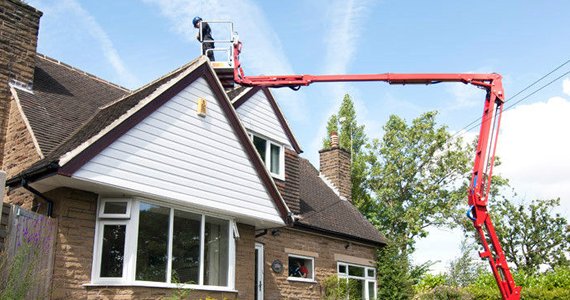
Tell us about your property — period cottage near the crossroads, detached house off the A21, farmhouse down the lanes towards Ticehurst, property at Union Street or Dale Hill, home at Seacox Heath, or character building among the woodland. Fixed price from £195.
Our specialist assesses every element with High Weald conditions in mind — clay tile and slate condition, tile-hung elevations, chimney displacement from clay movement, lead flashings, ridge mortar, timber structure, valley gutters, biological growth from woodland shade, ventilation, and exposure assessment for ridge-top versus valley positions.
Full written report with photographs, condition ratings, remaining lifespan estimates, and a prioritised action list with budget figures. Geology-specific assessment, woodland impact evaluation, and material specifications appropriate to the High Weald National Landscape.
Flimwell is a linear village in the civil parish of Ticehurst, Rother District, East Sussex, at the junction of the A21 with the A268 and B2087. Its name derives from Old English fliema and wella — the spring of the fugitives — first recorded as Flimenwelle in 1210. The village has a dramatic history: in 1264, King Henry III’s army killed 300 local people here during the Barons’ War, in a field now known as Yellowcoat Wood. By the sixteenth century, Flimwell was a stage on the post road from London to Rye. The notorious Hawkhurst Gang built Seacox House on the village’s eastern edge as a smuggling base. St Augustine’s Church (1830, Decimus Burton, Grade II listed) was built in local sandstone. The office of the High Weald National Landscape unit is based here. A roof survey Flimwell assessment from £195 understands this distinctive crossroads village.
Flimwell’s roofing challenge lies in the High Weald’s defining geological contrast: sandstone ridges alternating with clay valleys. The village straddles a ridge where the A21 crosses the high ground, but properties just a few hundred metres off the main road sit in the clay valleys that drain towards the Bewl stream and the River Rother. Ridge properties face wind-driven rain from the prevailing south-west with little shelter, while valley properties sit on Wealden Clay that shrinks in summer and swells in winter. Only 5% of Flimwell’s area is built-up — the remaining 95% is woodland and fields. Ancient woodland presses close to almost every property, creating the shade, debris, and root pressure that accelerate roof deterioration throughout the High Weald.
A property on the sandstone ridge sits on stable, free-draining ground but faces the full force of weather crossing the Weald. Wind-driven rain penetrates tile overlaps at angles that sheltered properties never experience. Chimney mortar on the windward face erodes at two to three times the rate of the sheltered side. Ridge tiles loosen as the mortar beneath them is attacked from both sides simultaneously. A property in the clay valley is more sheltered from wind but sits on ground that moves. Seasonal clay shrinkage displaces chimney stacks, fatigues lead flashings, and opens hairline cracks in mortar that allow water into the structure. In both locations, the surrounding woodland creates persistent shade that prevents roof slopes from drying, and deposits leaf debris in every valley, gutter, and downpipe. A £195 survey identifies which set of pressures your property faces — because the remediation is different for each.
For homeowners: A £195 roof survey reveals whether your property’s specific geology — ridge sandstone or valley clay — is creating hidden damage that accumulates year after year.
For buyers: Before committing £350K-£1M+ on a Flimwell property, a £195 roof survey reveals how decades of High Weald conditions have affected the roof — because the same village can present completely different challenges depending on position.
Nearby Areas: We also cover Ticehurst, Hawkhurst, Hurst Green, Wadhurst, and Crowborough.
A couple purchased a four-bedroom detached house in a valley setting off the lanes between Flimwell and Ticehurst for £620K. Clay tile roof, two chimneys, tile-hung gable ends, mature garden with several large oaks, surrounded by ancient woodland on Wealden Clay. The purchase survey described the roof as “clay tile covering in reasonable condition, minor maintenance recommended.” No specialist roof survey was commissioned. The survey was conducted in July during a dry spell.
Year 1 (October): After heavy autumn rain, damp patch appears on the upstairs landing ceiling near the main chimney. Gutters cleared of heavy leaf fall from surrounding oaks. Roofer checks tiles near chimney — replaces two slipped tiles. Cost: £280. Attributes the problem to leaf-blocked gutters causing overflow.
Year 2: Damp returns in the same location and extends along the party wall. Roofer reseals chimney flashing with mastic and clears moss from the north and west slopes. Cost: £550. Notes the chimney mortar is “quite soft on one side.” New stain appears in the spare bedroom beneath a valley between the original house and a rear extension.
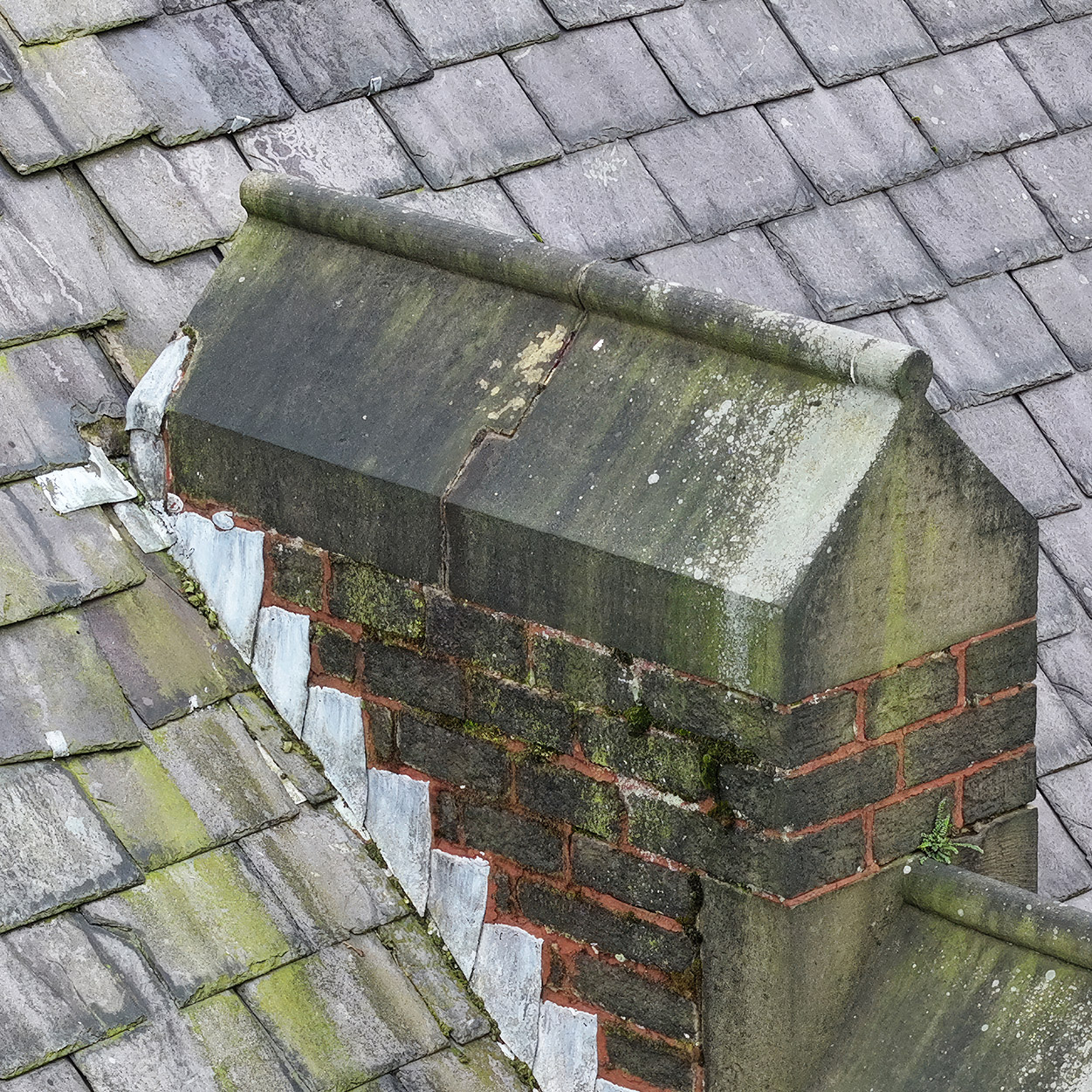
Year 3: After a dry summer followed by wet October, both problems worsen significantly. Specialist investigation reveals: the main chimney has tilted progressively as Wealden Clay has shrunk and swelled over decades, amplified by an oak seven metres from the south corner. The tilt has opened the step flashing on the south side — the mastic seal from Year 2 has cracked because the gap continues to move seasonally. Chimney mortar on the south face has eroded from weather exposure while the north face retains mortar, creating differential water absorption that accelerates the tilt. The valley between original roof and extension contains years of compacted leaf debris that has held standing water against the lead lining, corroding through at the lowest point. North and west slopes show extensive moss growth from woodland shade, with moss lifting tile edges and holding moisture against surfaces. The July purchase survey missed all of this because the clay was dry, the chimney gap temporarily closed, and the valley leak only occurs when the dam of debris holds rainwater. Chimney rebuilding from roof level with new flashings incorporating movement tolerance, valley relining in code-5 lead with debris guard, moss treatment and preventive measures on shaded slopes, crown reduction of the oak (subject to TPO check): £11,000-£16,000.
What a £195 Roof Survey Would Have Shown Before Purchase: “This detached house sits on Wealden Clay in a valley setting with mature oaks within root-influence distance. The main chimney shows visible tilt consistent with clay shrinkage amplified by tree root moisture extraction. Lead step flashings under seasonal tension. Valley gutter between original roof and extension contains compacted leaf debris with early corrosion of lead lining. North and west slopes show heavy moss growth from woodland canopy shade. Budget £8,000-£12,000 for chimney stabilisation, flashing renewal, valley relining with debris management, and moss treatment programme.”
The Lesson: In Flimwell’s valleys, the clay moves, the oaks amplify the movement, and the woodland fills your valleys with debris. A dry-weather survey misses all of it. A £195 specialist survey reads the evidence that remains visible in every season — the chimney tilt, the corroded valley, the moss-lifted tiles — because these do not disappear when the sun comes out.


Professional roof surveys in Flimwell require understanding of the High Weald’s dual geology — sandstone ridges and clay valleys creating different roofing challenges within the same village. We assess Wealden Clay movement effects on chimneys and flashings, sandstone ridge wind exposure on mortar and fixings, ancient woodland impact on tiles and valleys, and how the 760mm annual rainfall interacts with each property’s specific position. We combine RICS-registered qualifications with specialist knowledge of High Weald conditions that have been shaping — and testing — buildings here for centuries.
From ridge-top properties facing the prevailing weather to valley cottages on shrink-swell clay, professional roof survey Flimwell assessment from £195 provides geology-specific, woodland-aware intelligence. We assess your property’s position, exposure, geology, and woodland context to deliver a report that reflects the actual conditions — not a generic assessment applied regardless of location.
Exact quotes from £195 when you call. No surprises. Most Flimwell residential surveys from £195.
Significantly. A property on the sandstone ridge near the A21 crossroads faces different challenges from one in a clay valley towards Bewl Water. Ridge properties suffer from wind exposure and mortar erosion. Valley properties suffer from clay movement and ground moisture. Both face woodland impact. Our surveys assess your specific position and its specific consequences.
Three things: canopy shade prevents roof slopes from drying, accelerating moss and lichen growth that lifts tile edges; leaf fall accumulates in valleys, gutters, and downpipes, creating dams of standing water; and tree roots extract moisture from Wealden Clay during summer, amplifying seasonal ground movement near buildings.
All Flimwell plus Ticehurst, Hawkhurst, Wadhurst, and surrounding areas.
Typically 1.5-2.5 hours on-site. Report within 48 hours.
From £195 for standard residential properties. Call 07833 053 749 for an immediate exact quote.
In summer, Wealden Clay contracts and chimney gaps temporarily close. Valley leaks from debris dams only occur during heavy rain. Moss dries and flattens, appearing less significant. A specialist surveyor reads the permanent evidence — the chimney tilt, the corroded valley, the lifted tile edges — that persists regardless of season. That is why our survey from £195 is reliable year-round.
Flimwell offers High Weald rural living with A21 access to Tunbridge Wells (10 miles north) and Hastings (20 miles south). Stonegate station (Charing Cross/Cannon Street and Hastings) is nearby. Bewl Water, Bedgebury Pinetum and Forest, and Pashley Manor Gardens provide outstanding amenity. Ticehurst village (1.5 miles) provides shops, pubs, school, and services. Properties range from £300K for smaller cottages to £450-700K for family homes to £700K-£1.2M+ for substantial period houses and properties with land. The average house price is approximately £565K.
At these values, a £195 roof survey Flimwell assessment is essential. Understanding whether your property’s specific geology and woodland context are creating hidden damage could prevent a £5,000-£15,000 surprise.
Flimwell crossroads, Union Street, Dale Hill, Seacox Heath, Berner’s Hill, towards Bewl Water, surrounding lanes
Ticehurst, Hawkhurst, Hurst Green, Wadhurst, Stonegate
TN5 (Flimwell, Ticehurst area), TN19 (Hurst Green, Stonegate)
Whether your Flimwell property sits on the sandstone ridge facing the prevailing weather or in a clay valley surrounded by ancient woodland, professional roof survey assessment from £195 reveals how your specific position and geology are affecting your roof. In a village where 95% of the landscape is woodland and fields, every property faces the pressures of the High Weald. A £195 survey identifies which pressures are affecting yours.
Call 07833 053 749 now. Roof survey Flimwell from £195. Report within 48 hours.
