
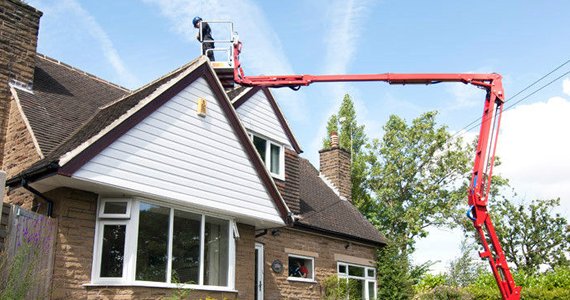


Felthamhill is a thriving suburban commuter community where family homes and professional properties dominate. Modern roof systems age faster under commuter area development pressures. Early assessment prevents expensive emergency repairs on busy family schedules. Assessment expertise accounting for suburban property demands is essential.
We've assessed hundreds of Felthamhill roofs across suburban homes and developments. We understand how modern systems age under weather exposure. We recognize commuter property maintenance priorities. We know proper timing for preventative roof care. This expertise means our roof survey accounts for suburban-specific factors that standard surveys completely miss.
Felthamhill's character comes from suburban development patterns. This creates specific roof challenges different from period properties. Modern systems, weather exposure, and busy schedules all differ significantly from rural or urban properties.
Modern roofing systems: Contemporary tile and system combinations require specialist assessment. Understanding system aging and proper maintenance timing is essential.
Development pressure: Growing commuter area means newer properties alongside older stock. Each requires different assessment approaches.
Family property priorities: Busy schedules mean early problem identification prevents emergency disruptions.
Family homes: 1970s-1990s suburban properties with standard systems
New developments: Modern residential communities with contemporary roofing
Commuter properties: Mix reflecting suburban growth patterns
Investment rentals: Landlord properties requiring professional assessment
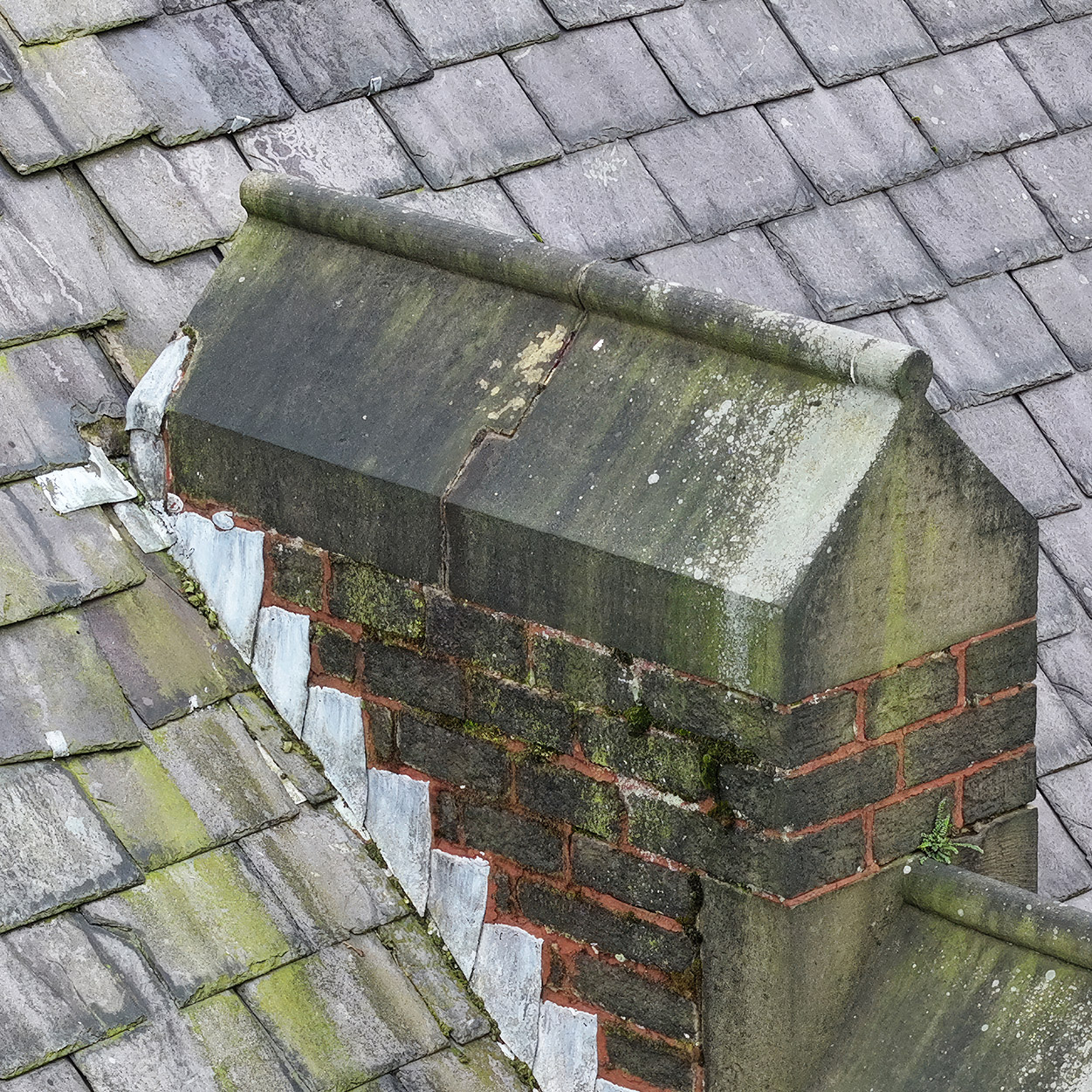
A busy professional family owned a 1980s Felthamhill home. Didn't realize roof system age required preventative planning before emergencies.
Year 1: Notices some tile wear. Assumes it's cosmetic aging. Doesn't address anything. Focuses on other family priorities.
Year 2: Develops small leak during heavy rain. Emergency repairs cost £800 plus damage to ceiling. Realizes roof should have been assessed earlier.
Year 3: Professional assessment reveals: Roof at maintenance decision point. Strategic work needed within 18 months. Planned approach costs £3,200. Emergency approach would cost £6,000+.
What Professional Assessment Year 1 Would Have Identified: "Modern roof system showing age-appropriate wear. Strategic maintenance needed within 18 months. Planning now prevents emergency disruptions. Scheduled approach maintains family property security."
The Pattern: Felthamhill suburban properties show this repeatedly. Early assessment prevents expensive emergency repairs on busy family schedules.
Professional assessment every 3-5 years catches maintenance needs early. For Felthamhill properties, preventative assessment prevents emergency disruptions on busy family schedules.
Modern suburban systems commonly show age-related wear at 20-30 years. Early assessment identifies maintenance timing, preventing emergency repairs.
Most surveys take 2-3 hours. We provide detailed written reports within 48 hours with photographs. Perfect for busy family schedules.
Absolutely. Hidden problems develop quickly in suburban systems. Visual inspection misses critical aging factors. Early assessment prevents expensive emergencies.
Yes. Insurance companies want roof condition documentation. Our detailed roof survey reports provide exactly what insurance needs for suburban properties.
We serve all Felthamhill including residential developments and surrounding areas. We regularly assess properties throughout TW13 and surrounding suburbs.
Busy schedules mean early problem detection prevents emergency disruptions. Professional assessment planning keeps family life on track.
Roof systems at age decision point. Professional assessment determines maintenance timing before problems develop.
Before settling in, understand roof condition and maintenance timeline. Standard surveys miss critical suburban system aging factors.
Professional assessment determines whether repair or replacement is needed. Prevents emergency decisions during crisis.
Before starting renovations, understand roof condition. Assessment prevents discovering roof problems mid-project.
Insurance documentation requires professional assessment. We provide reports insurance companies need for suburban rentals.
Roof surveys for Felthamhill properties cost less than expected for the value. We assess condition thoroughly, identify problems before they become emergencies, and provide documentation for insurance.
For busy families, professional assessment prevents expensive emergency repairs disrupting your schedule. We provide exact quotes when you call—no surprises.
What matters: Professional assessment understanding suburban property maintenance timing.
Felthamhill is valued as thriving suburban commuter community where family homes dominate. Properties here reflect suburban growth patterns and modern systems. Understanding how your roof ages in suburban conditions is essential for preventative planning.
Suburban properties require specialist assessment understanding modern system aging, development pressure, and family property priorities. Professional expertise prevents emergency repairs disrupting busy schedules.
Whether you're a busy family or landlord managing multiple properties, understanding your roof condition for preventative planning is crucial for confident suburban property ownership.
Central Felthamhill: Suburban residential areas
Developments: Modern residential communities
Postcode Coverage: TW13 (Felthamhill), TW14, TW15
Don't let roof uncertainty disrupt your busy Felthamhill family life. With professional assessment preventing emergency repairs, we make roof inspections easy.
Call us now on 07833 053 749 for immediate assistance or to book your roof survey. We cover all Felthamhill areas.
