
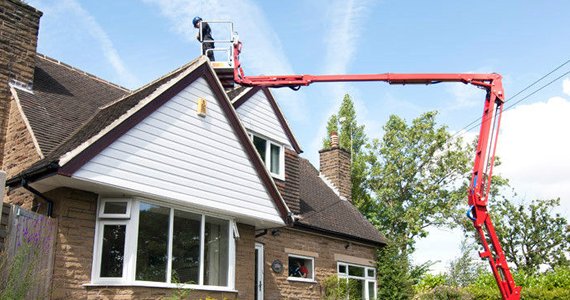


Ewell is an established suburban residential community where family homes reflect stable residential patterns. The chalk geology of Surrey creates specific drainage and foundation characteristics affecting properties. Properties here require assessment expertise understanding local geology, drainage patterns, and suburban aging.
We've assessed hundreds of Ewell roofs across family and period properties. We understand how chalk geology affects drainage and foundation performance. We recognize suburban maintenance patterns and aging expectations. We know proper assessment for residential property planning. This expertise means our roof survey accounts for local-specific factors that standard assessments completely miss.
Ewell's residential character brings specific roof assessment considerations. Chalk geology, drainage patterns, and established housing all differ from standard suburban surveys.
Chalk geology: Local chalk layers affect drainage and water management. Understanding geological impact on roof performance is essential.
Drainage patterns: Chalk areas create specific drainage challenges. Proper guttering and water management assessment is crucial for suburban properties.
Aging patterns: Established suburban properties show predictable aging patterns. Proper assessment identifies maintenance needs within realistic timeframes.
Family suburban homes: Established residential properties with traditional systems
Semi-detached properties: Common suburban building type with shared features
Period properties: Mix of Victorian and Edwardian alongside modern developments
Residential community homes: Properties reflecting family-focused residential area
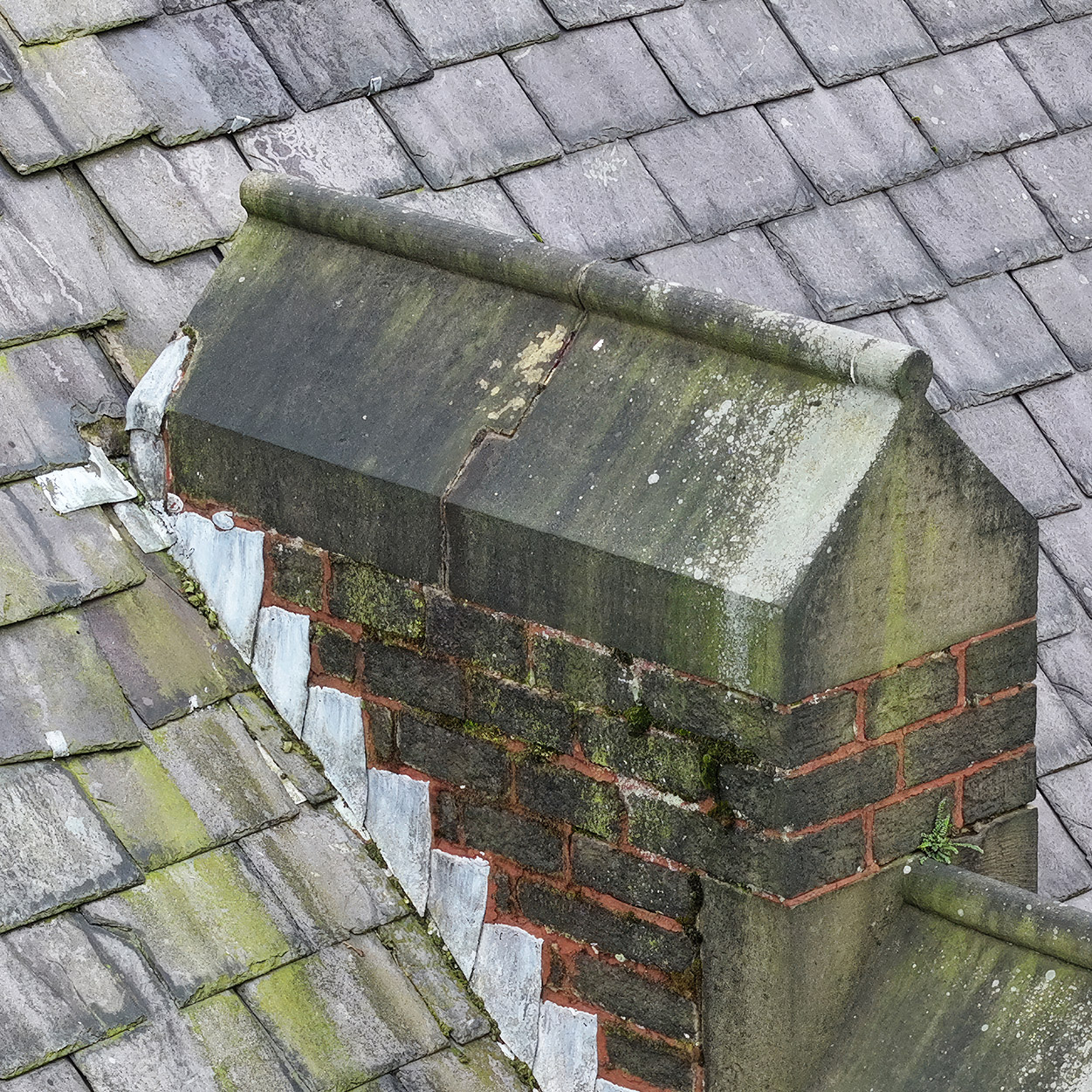
An owner of a family home in Ewell understood roof maintenance matters but wasn't sure about realistic timelines or local factors.
Year 1: Roof appears adequate. Contractor suggests "full replacement within 5 years." Timeline seems aggressive. Homeowner uncertain about necessity.
Year 2: Gutters clog frequently. Drainage appears poor. Gets advice "this is normal for chalk areas." Unsure how to plan maintenance.
Year 3: Professional assessment reveals: Chalk geology creating drainage challenges specific to area. Guttering adequate but requires seasonal maintenance. Roof condition supports 10+ year lifespan with proper care. Strategic maintenance plan prevents future problems.
What Professional Assessment Year 1 Would Have Identified: "Chalk geology here creates specific drainage patterns. Current roof sound. Strategic gutter maintenance key. Realistic replacement timeline 10-12 years with proper care. Maintenance cost £300/year prevents major expenses."
The Pattern: Ewell suburban properties show this repeatedly. Understanding local geology and realistic maintenance prevents both overinvestment and underinvestment.
Significantly. Chalk geology creates specific drainage patterns affecting water management. Our Ewell assessment specifically evaluates geological impact, drainage adequacy, and maintenance requirements.
Professional roof survey evaluates your specific property and local conditions to provide realistic maintenance planning. Ewell properties typically support 10-12 year lifespan with proper care.
Most surveys take 2-3 hours. Suburban properties may require additional local condition assessment. We provide detailed written reports within 48 hours with photographs.
Absolutely. Local-specific challenges require specialist assessment. Understanding geology, drainage, and realistic maintenance timelines is essential for suburban property ownership.
Yes. Insurance companies require roof condition documentation. Our detailed roof survey reports provide exactly what insurance companies need.
We serve all Ewell including central, residential, and surrounding areas. We regularly assess properties throughout KT17 and understand local conditions.
Family home location creates specific planning challenges. Professional assessment understands local geology, drainage, and realistic maintenance timelines.
Professional assessment helps determine realistic maintenance costs and timelines. Prevents both overinvestment in unnecessary work and underinvestment in necessary care.
Professional independent assessment verifies whether suggested work is necessary. Protects against unnecessary expensive recommendations.
Before settling in, understand suburban roof systems and what maintenance timeline you're looking at. Standard surveys miss local geology and condition details.
Before starting work, understand roof condition and any local factors to consider. Roof survey prevents mid-project surprises on suburban properties.
Insurance documentation requires professional assessment. We provide reports insurance companies need for residential properties in Ewell.
Roof surveys for Ewell properties cost less than expected for the value. We assess condition thoroughly, identify problems before they become emergencies, and provide documentation for insurance.
For residential properties, professional assessment is especially valuable for realistic maintenance planning and budgeting. We provide exact quotes when you call—no surprises.
What matters: Professional assessment understanding Ewell's suburban environment and local conditions.
Ewell is valued as an established residential community where family homes reflect stable community values. Properties here offer character, reliability, and suburban living. This comes with specific maintenance requirements that differ from other areas. Understanding how your roof condition affects your property's future is essential for planning.
Residential properties require specialist assessment understanding local geology, drainage patterns, and realistic maintenance timelines. Professional expertise distinguishes normal suburban aging from problems requiring attention.
Whether you're in a semi-detached family home or period property, understanding your roof in Ewell's specific suburban context is crucial for confident property ownership and realistic maintenance planning.
Central Ewell: Residential neighborhoods and family areas
Suburban Areas: Established residential locations
Postcode Coverage: KT17 (Ewell), KT19, KT20
Don't let roof uncertainty disrupt your Ewell family home. With professional assessment understanding suburban conditions and local geology, we make roof inspections stress-free.
Call us now on 07833 053 749 for immediate assistance or to book your roof survey. We cover all Ewell areas.
